

Joan Bataiatzailea gaztea (28 – 36 AD) c1890
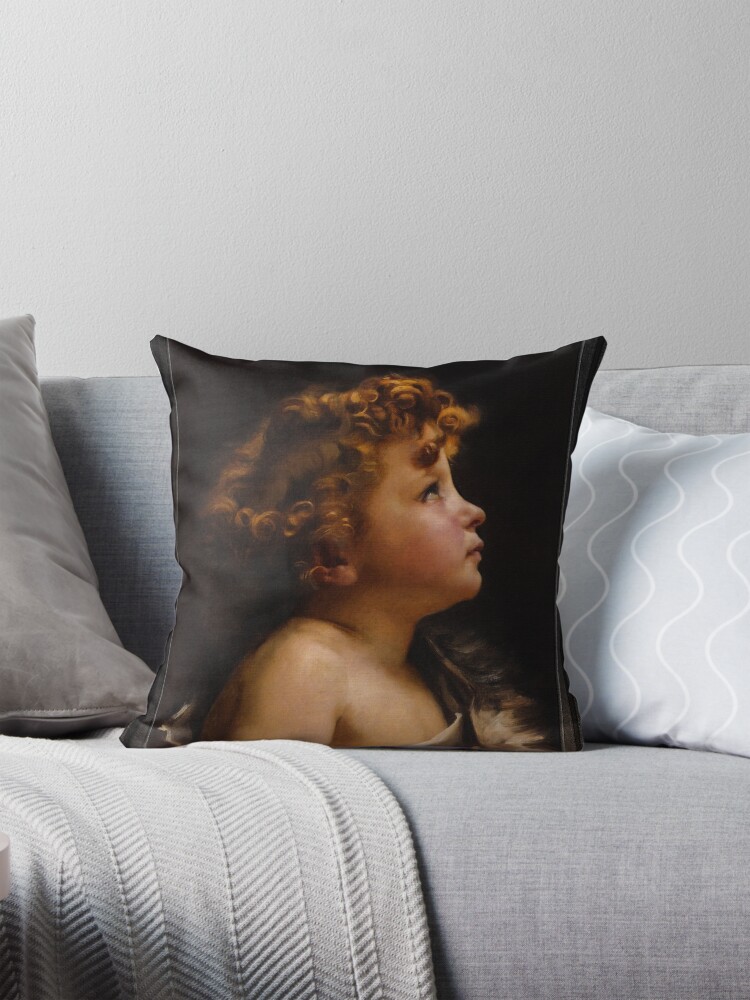
“Joan Bataiatzailea gaztea” urtean sortutako olio-pintura liluragarria da 1890 ospe handiko artista ospetsuak William-Adolphe Bouguereau (1825 – 1905). Giza forma xehetasun bikainez irudikatzeko duen trebetasun apartagatik ezaguna, Pieza honetan Bouguereauren lanak ehundura errendatzean zuen maisutasuna adierazten du, argia, eta emozioa. Joan Bataiatzailearen erretratu hau, Kristoren aitzindari gisa errespetatzen den bibliako figura, aipagarria da bere aurkezpen xamur baina indartsuagatik, gai klasiko zein erlijiosoetan errotua.
Edukien taula
Gai nagusia
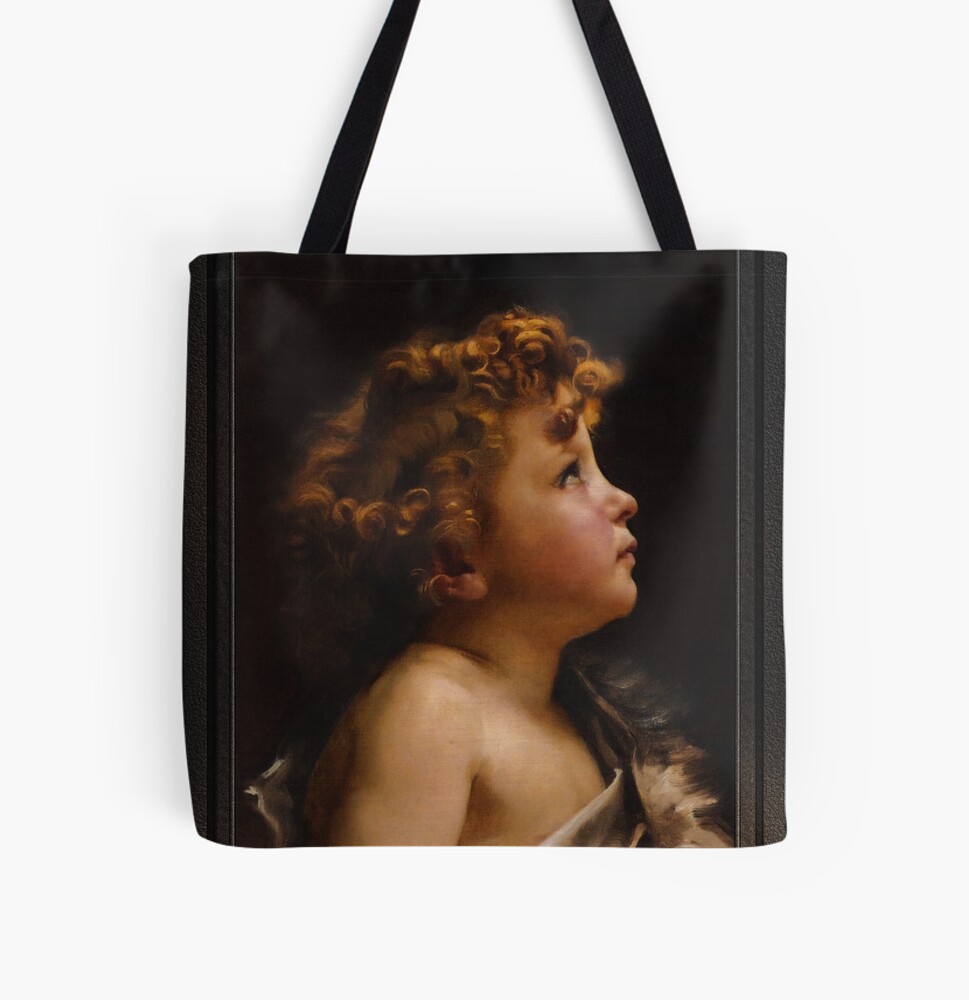
Margolanak mutil gazte bat du ardatz, Joan Bataiatzailea bezala identifikatzen dena, kontenplazio edo gogoeta espiritualeko une batean irudikatuta. Bere gaztaroa, bigunez markatua, kizkur nahasia, aurpegiko ezaugarri delikatuak, eta esamolde xaloa, captures the purity and virtue associated with the figure. The child’s upward gaze is subtle yet suggestive of an inner connection with the divine, reinforcing the spiritual nature of the work. His youthful face, framed by wild curls, stands in contrast to his humble attire, which further emphasizes his role as a figure of modesty and piety.
Konposizioa eta Maketazioa
Bouguereau carefully arranges the figure of John against a dark, almost ethereal backdrop that suggests a focus on the child alone. This darkened background allows the viewer’s attention to be drawn primarily to the light illuminating the figure’s face, highlighting the soft texture of his skin and the intricate details in his hair. The light serves as a symbolic halo, enhancing the divine essence of the figure while reflecting the religious nature of the painting. The child’s posture is gentle, his right shoulder slightly exposed with the folds of his drapery draped over his left shoulder and across his chest, which brings a fluid, almost graceful quality to the scene.
Materialak eta Teknika
As with much of Bouguereau’s oeuvre, the artist employed oil paints to create a smooth, almost photographic finish. His technique of layering fine glazes of paint allowed him to achieve a luminous quality in the skin tones, with a nearly tangible softness. The rendering of the child’s hair is particularly noteworthy, with each curl meticulously painted to capture the natural movement and texture of the hair. Bouguereau’s application of light is masterful, bero bat botatzen, gentle glow across the subject’s face and neck. The use of soft yet precise brushstrokes contributes to the fluidity and lifelike appearance of the work, particularly in the way the fabric of the drapery folds with a natural flow.
Aldartea eta Gaia
ren aldartea “Joan Bataiatzailea gaztea” is serene and contemplative. The young boy’s expression conveys a sense of quiet reflection, perhaps an inner connection to a higher calling or divine message. Bouguereau’s portrayal of John the Baptist as a vulnerable, innocent child contrasts with the usual depictions of him as a powerful and austere figure in religious iconography. This choice of youth emphasizes the purity of the subject and the potential for great spiritual significance in even the most humble of beginnings. The simplicity of the setting, devoid of any distraction, reinforces the sacredness of the moment.
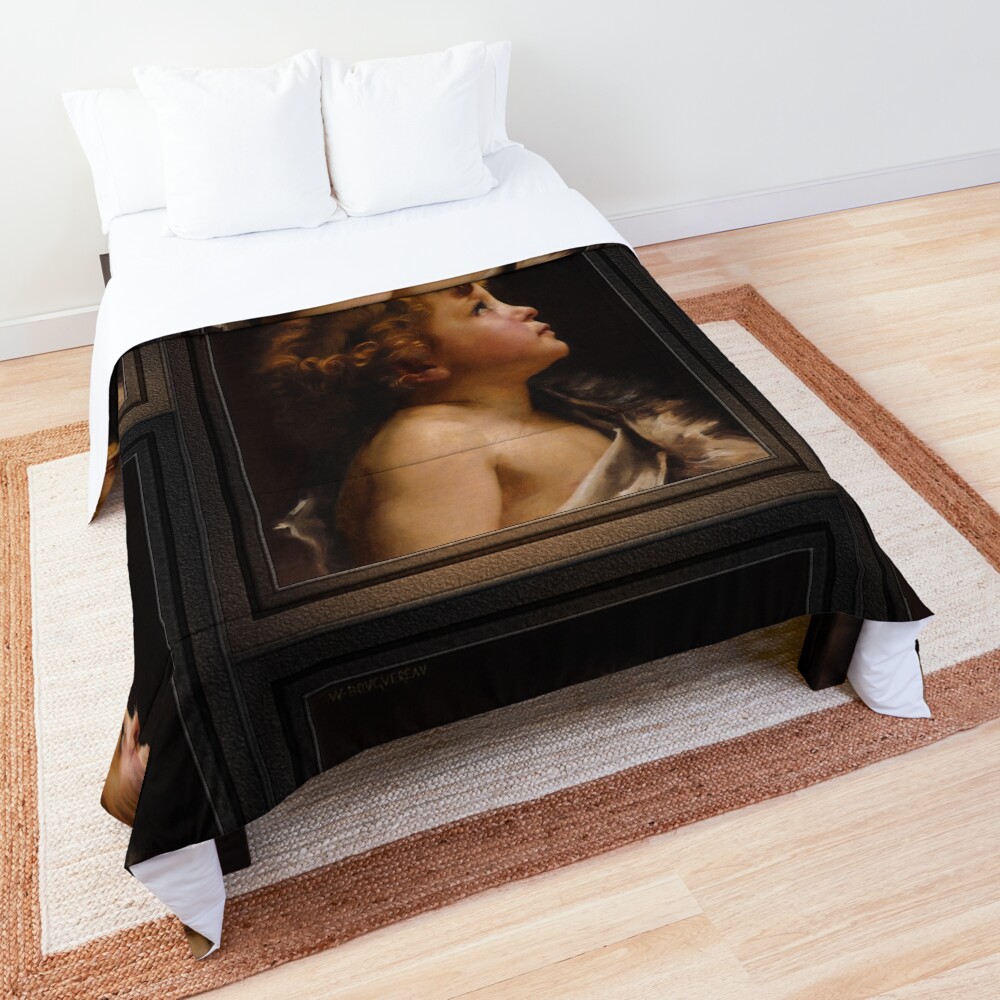
The theme of the painting ties deeply to Bouguereau’s interest in realism and religious iconography, presenting John the Baptist not as an adult prophet but as an innocent and vulnerable child. The softness and tenderness of the figure reflect a child’s innate connection to spirituality, symbolizing both a literal and figurative embodiment of purity and prophecy. The calmness of the subject also emphasizes the message of faith, highlighting the potential of human spirit and devotion.
Sinbolismoa
The young boy’s gaze and delicate posture suggest both innocence and divine insight. His lack of any overt symbols or physical attributes of John the Baptist, such as a lamb or a staff, invites the viewer to focus on his spiritual essence, making the painting not just a representation of the historical figure but a visual exploration of the deeper, more abstract concept of faith and purity. The light illuminating John’s face can also be seen as a subtle reference to the divine, suggesting his importance within the Christian narrative while maintaining the soft naturalism that Bouguereau is celebrated for.
Inpresio orokorra
“Joan Bataiatzailea gaztea” is a striking blend of realism and religious symbolism, characterized by Bouguereau’s technical precision and emotional depth. The painting transcends a simple portrait of a biblical figure, offering instead an intimate and meditative portrayal of youthful innocence and divine potential. Bouguereau’s work in this painting serves as a poignant reminder of the tender and sacred aspects of human existence, inviting viewers to reflect on the purity and spiritual insight of a child, and perhaps, the deeper spiritual message of faith.
Joan Bataiatzailea gaztea (28 – 36 AD) c1890 by French Painter William-Adolphe Bouguereau (1825 – 1905); Margolari akademikoa izan zen gai mitologikoak erabiltzeagatik ezaguna den gai klasikoaren interpretazio moderno batekin, giza emakumezkoen forman arreta jarriz..
A portrait of John The Baptist as a child looking towards Heaven as the light of GOD illuminates him.
Young John The Baptist is a retouched digital art old masters reproduction of a public domain image that is available online as a metalezko estanpatua.
Informazioa adeitasuna azpian Wikipedia.org
William Adolphe Bouguereau La Rochellen jaio zen, Frantzia, on 30 Azaroa 1825, ardo eta oliba olio merkatarien familia batean.[4] Théodore Bouguereauren semea (jaioa 1800) eta Marie Bonnin (1804), Adeline izenez ezaguna, William katoliko hezi zen. Anaia nagusi bat zuen, Alfred, eta ahizpa txiki bat, Marie (Hanna izenez ezagutzen dena), zazpi urte zituela hil zena.
Familia Saint-Martin-de-Ré-ra joan zen bizitzera 1832. urtean beste anai-arreba bat jaio zen 1834, Kitty. Urtean 12, Bouguereau Mortagnera joan zen bere osaba Eugènerekin egotera, apaiza eta naturarekiko maitasuna garatu zuen, erlijioa eta literatura.
In 1839, Ponseko kolegio katoliko batera apaizgaia ikastera bidali zuten. Hemen Louis Sage-k marrazten eta margotzen irakatsi zion, Ingresekin ikasi zuena. Bouguereauk gogoz kontra utzi zituen ikasketak bere familiara itzultzeko, orain Bordelen bizi da.
Bertan bertako artista bat ezagutu zuen, Charles Marioneau, eta Marrazketa eta Pintura Udal Eskolan hasi zen azaroan 1841. Bouguereau dendako laguntzaile gisa ere aritu zen, litografiak eskuz margotu eta kromolitografia erabiliz erreproduzitzen ziren koadro txikiak egitea.
Bere klaseko ikaslerik onena izan zen laster, eta Parisen artista izatea erabaki zuen. Mugimendua finantzatzeko, erretratuak saltzen zituen - 33 olioak hiru hilabetetan. Guztiak sinatu gabe zeuden eta bakarra aurkitu da. Zahartuta heldu zen Parisera 20 martxoan 1846.
Heriotzaren aurreko berdintasuna (Hil aurretik berdintasuna), 1848, olioa mihise gainean, 141 × 269 cm (55.5 × 105.9 urtean), Orsay museoa, Paris. Berdintasuna da Bouguereauren lehen koadro nagusia, Pariseko Arte Ederretako Eskolan bi urteren ondoren ekoitzi zuen 23.
Bouguereau École des Beaux-Arts-eko ikaslea izan zen.[4] Marrazketan duen prestakuntza formala osatzeko, disekzio anatomikoetara joan zen eta jantzi historikoak eta arkeologia ikasi zituen.
François-Édouard Picot-en estudioan onartu zuten, bertan pintura ikasi zuen estilo akademikoan. Dante eta Virgilio infernuan (1850) bere lan neoklasikoen lehen adibidea izan zen.
Pintura akademikoak gai historiko eta mitologikoetan jarri zuen estatus gorena, eta Bouguereauk Prix de Rome irabaztea erabaki zuen, horrek hiru urteko bizilekua irabaziko zion Erromako Villa Medicin, Italia, non ikasgai formalez gain Berpizkundeko artistak eta haien maisulanak bertatik bertara aztertu ahal izan zituen, baita greziera ere, Etruskoa, eta antzinate erromatarrak.