

洗礼者ヨハネ少年 (28 – 36 広告) c1890
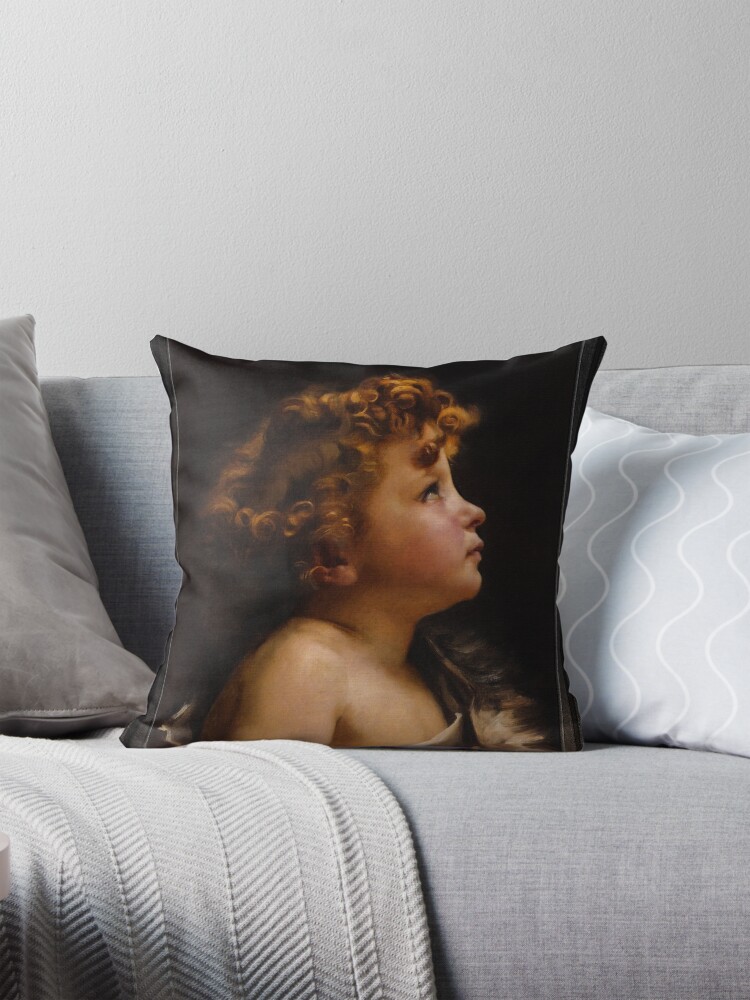
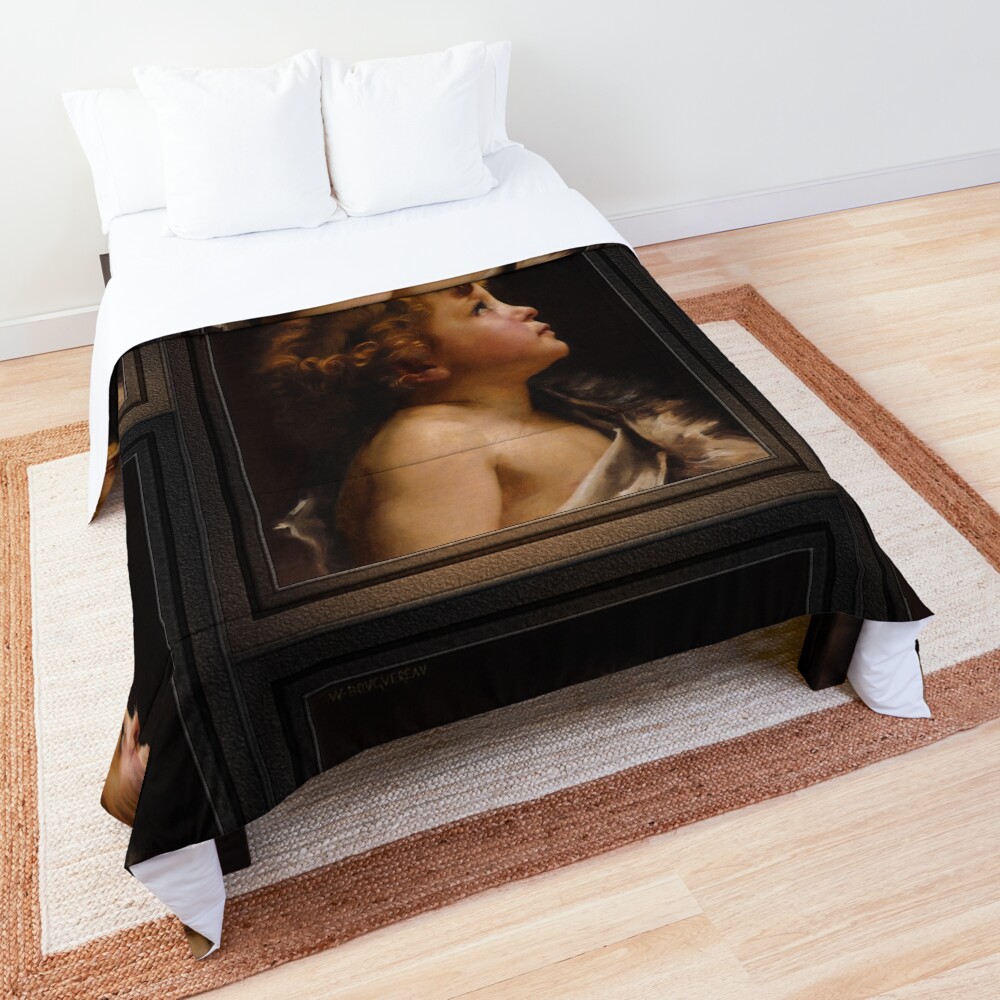
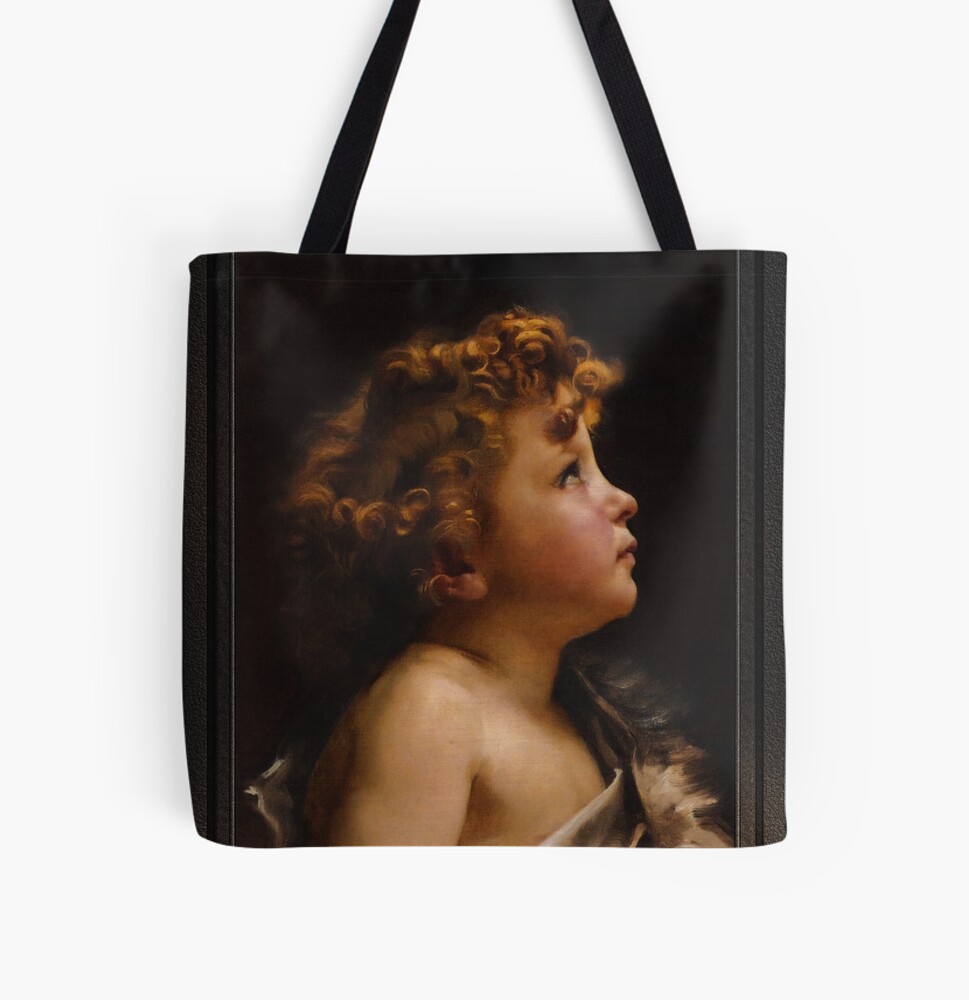
“洗礼者ヨハネ少年” で作成された魅惑的な油絵です 1890 by the renowned French artist ウィリアム・アドルフ・ブーグロー (1825 – 1905). Known for his exceptional skill in depicting the human form with exquisite detail, Bouguereau’s work in this piece exemplifies his mastery in rendering texture, ライト, と感情. This portrayal of John the Baptist, the biblical figure revered as the forerunner of Christ, is remarkable for its tender yet powerful presentation, rooted in both classical and religious themes.
目次
主な主題
The painting centers on a young boy, who is identified as John the Baptist, depicted in a moment of contemplation or spiritual reflection. His youth, marked by soft, tousled curls, delicate facial features, and an innocent expression, captures the purity and virtue associated with the figure. The child’s upward gaze is subtle yet suggestive of an inner connection with the divine, reinforcing the spiritual nature of the work. His youthful face, framed by wild curls, stands in contrast to his humble attire, which further emphasizes his role as a figure of modesty and piety.
Composition and Layout
Bouguereau carefully arranges the figure of John against a dark, almost ethereal backdrop that suggests a focus on the child alone. This darkened background allows the viewer’s attention to be drawn primarily to the light illuminating the figure’s face, highlighting the soft texture of his skin and the intricate details in his hair. The light serves as a symbolic halo, enhancing the divine essence of the figure while reflecting the religious nature of the painting. The child’s posture is gentle, his right shoulder slightly exposed with the folds of his drapery draped over his left shoulder and across his chest, which brings a fluid, almost graceful quality to the scene.
素材と技法
As with much of Bouguereau’s oeuvre, the artist employed oil paints to create a smooth, almost photographic finish. His technique of layering fine glazes of paint allowed him to achieve a luminous quality in the skin tones, with a nearly tangible softness. The rendering of the child’s hair is particularly noteworthy, with each curl meticulously painted to capture the natural movement and texture of the hair. Bouguereau’s application of light is masterful, 温かいキャスト, gentle glow across the subject’s face and neck. The use of soft yet precise brushstrokes contributes to the fluidity and lifelike appearance of the work, particularly in the way the fabric of the drapery folds with a natural flow.
気分とテーマ
の気分 “洗礼者ヨハネ少年” 穏やかで瞑想的である. The young boy’s expression conveys a sense of quiet reflection, perhaps an inner connection to a higher calling or divine message. Bouguereau’s portrayal of John the Baptist as a vulnerable, innocent child contrasts with the usual depictions of him as a powerful and austere figure in religious iconography. This choice of youth emphasizes the purity of the subject and the potential for great spiritual significance in even the most humble of beginnings. The simplicity of the setting, devoid of any distraction, reinforces the sacredness of the moment.
The theme of the painting ties deeply to Bouguereau’s interest in realism and religious iconography, presenting John the Baptist not as an adult prophet but as an innocent and vulnerable child. The softness and tenderness of the figure reflect a child’s innate connection to spirituality, symbolizing both a literal and figurative embodiment of purity and prophecy. The calmness of the subject also emphasizes the message of faith, highlighting the potential of human spirit and devotion.
象徴主義
The young boy’s gaze and delicate posture suggest both innocence and divine insight. His lack of any overt symbols or physical attributes of John the Baptist, such as a lamb or a staff, invites the viewer to focus on his spiritual essence, making the painting not just a representation of the historical figure but a visual exploration of the deeper, more abstract concept of faith and purity. The light illuminating John’s face can also be seen as a subtle reference to the divine, suggesting his importance within the Christian narrative while maintaining the soft naturalism that Bouguereau is celebrated for.
全体的な印象
“洗礼者ヨハネ少年” is a striking blend of realism and religious symbolism, characterized by Bouguereau’s technical precision and emotional depth. The painting transcends a simple portrait of a biblical figure, offering instead an intimate and meditative portrayal of youthful innocence and divine potential. Bouguereau’s work in this painting serves as a poignant reminder of the tender and sacred aspects of human existence, inviting viewers to reflect on the purity and spiritual insight of a child, そしておそらく, the deeper spiritual message of faith.
洗礼者ヨハネ少年 (28 – 36 広告) 1890年頃、フランスの画家による ウィリアム・アドルフ・ブーグロー (1825 – 1905); 人間の女性の形に焦点を当てた古典的な主題の現代的な解釈で神話のテーマの使用で知られているアカデミックな画家でした.
神の光が彼を照らしながら天国を見つめる子供の頃の洗礼者ヨハネの肖像画.
『洗礼者ヨハネ』は、パブリック ドメインの画像を修正したデジタル アートの古いマスター作品であり、オンラインで入手できます。 メタルプリント.
礼儀以下の情報 Wikipedia.org
ウィリアム・アドルフ・ブーグローはラ・ロシェルで生まれました, フランス, オン 30 11月 1825, ワインとオリーブオイルの商人の家族に。[4] テオドール・ブグローの息子 (生まれ 1800) とマリーボニン (1804), Adelineとして知られています, ウィリアムはカトリック教徒を育てました. 彼には兄がいました, アルフレッド, と妹, マリー (ハンナとして知られています), 彼女が7歳のときに亡くなった人.
家族はサンマルタンドレに引っ越しました 1832. 別の兄弟が生まれました 1834, キティ. 歳の時に 12, ブーグローは叔父のユージーンと一緒に滞在するためにモルターニュに行きました, 僧侶と自然への愛情を育んだ, 宗教と文学.
に 1839, 彼はポンスのカトリック大学で神権のために勉強するために送られた. ここで彼はルイ・セージから絵を描くことを教えられました, アングルの下で勉強した人. ブーグローはしぶしぶ勉強を辞めて家族に戻った, 現在ボルドーに住んでいます.
そこで彼は地元の芸術家に会いました, チャールズ・マリオノー, 11月に市立絵画絵画学校で始まりました 1841. ブーグローは店員も務めた, クロモリトグラフを使用して再現されたリトグラフの手彩色と小さな絵の作成.
彼はすぐに彼のクラスで最高の生徒になりました, そしてパリでアーティストになることを決心しました. 移動に資金を提供するには, 彼は肖像画を売りました– 33 3ヶ月でオイル. すべてが署名されておらず、1つだけが追跡されています. 彼は年をとってパリに到着した 20 3月 1846.
死ぬ前の平等 (死ぬ前の平等), 1848, キャンバスに油彩, 141 ×× 269 cm (55.5 ×× 105.9 に), オルセー美術館, パリ. 平等はブーグローの最初の主要な絵画です, 国立高等美術学校で2年後に制作された 23.
BouguereauはÉcoledesBeaux-Artsの学生になりました。[4] 描画の彼の正式な訓練を補うために, 彼は解剖学的解剖に参加し、歴史的な衣装と考古学を研究しました.
彼はフランソワ・エドゥアール・ピコのスタジオに入院しました, 彼はアカデミックスタイルで絵画を学びました. 地獄のダンテとヴァージル (1850) 彼の新古典派作品の初期の例でした.
アカデミック絵画は、歴史的および神話的な主題で最高の地位を占めました, とブーグローはローマ賞を受賞することを決意しました, ローマのヴィラメディチに3年間住むことになります, そこから彼は後にミュンヘンで絵画を学びました, 正式なレッスンに加えて、彼はルネッサンスの芸術家とその傑作を直接学ぶことができました, ギリシャ語だけでなく, エトルリア人, とローマの遺物.