

Alasdair Morair Loughborough c1800
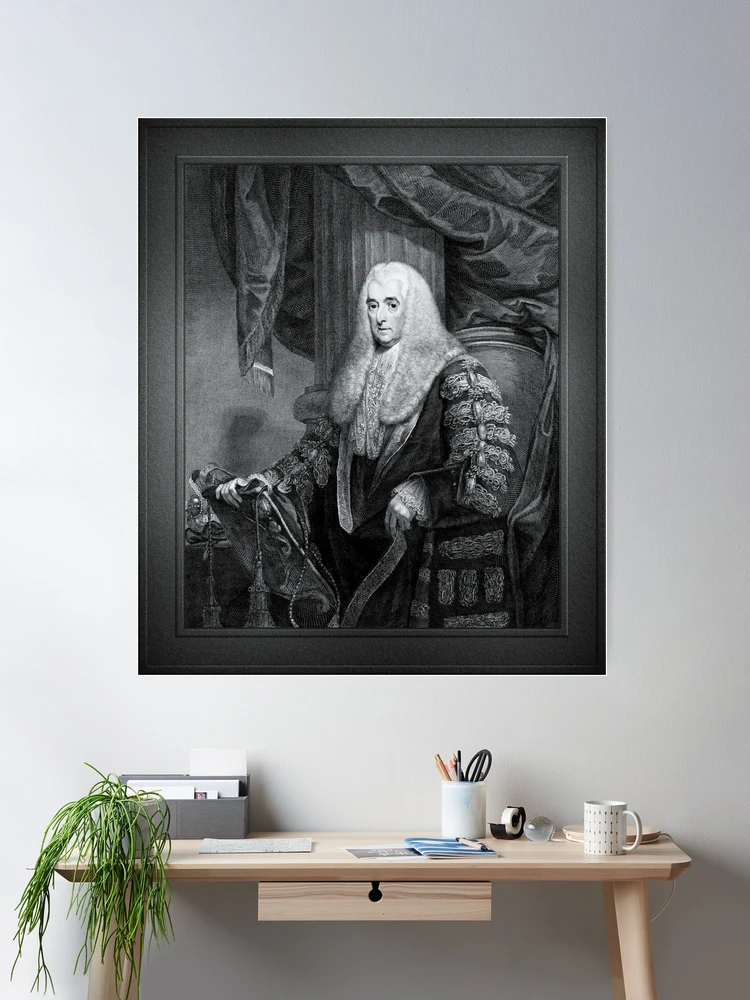
An obair ealain le tiotal “Alasdair Morair Loughborough c1800” a chruthachadh leis an gràbhalaiche cliùiteach Florentine Francesco Bartolozzi (1727 – 1815); cho math ri peantair, na bhall stèidheachaidh den Acadamaidh Rìoghail agus ainmeil airson a bhith a’ còrdadh ri dòigh gràbhalaidh creach. Tha an gràbhaladh grinn seo a' sealltainn Alasdair Wedderburn 1d Iarla Roislyn, PC, KC (1733 – 1805); neach-lagha Albannach agus neach-poileataigs a rinn seirbheis ann an Taigh nan Cumantan bho 1761 gu 1780, agus a thogadh suas do'n t-sluagh mar Baron Loughborough; a bharrachd air a bhith a’ frithealadh mar Mhorair Àrd Sheansalair Bhreatainn bho 1793 gu 1801.
Morair Alasdair Loughborough, figear buadhach den 18mh linn, air a sgeadachadh ann an èideadh laghail toinnte, a' taisbeanadh umhlachd agus cumhachd na linne. Tha an ìomhaigh na dhealbh mionaideach de shuidheachadh urramach a’ chuspair agus an trusgan eireachdail, a bha cumanta am measg dhaoine ainmeil aig an àm.
Clàr-innse
Prìomh chuspair agus figearan
The central figure of this engraving is Lord Alexander Loughborough, whose distinguished presence commands the viewer’s attention. Lord Loughborough, a British nobleman, is captured sitting in a grand, somewhat solemn pose, dressed in an ornate judicial robe, indicative of his high rank. The fine details in his attire, from the lace cuffs to the richly textured fabric of his robes, underscore his status in society and the era’s appreciation for elaborate fashion and decorum. His countenance, stern yet reflective, is etched in remarkable detail, enhancing the gravitas of his character as a man of power, inntleachd, agus gliocas.
The engraving emphasizes Loughborough’s sense of dignity, with his thoughtful expression paired with his poised stance. His finely carved wig, typical of high-ranking figures during the late 18th century, tha e na fheart sònraichte san obair, a’ taisbeanadh an dà chuid stoidhle agus gnàthasan sòisealta na h-ùine. Tha e soilleir gun do dh’ fheuch Bartolozzi chan ann a-mhàin ri coltas a chuspair a ghlacadh ach gus na feartan uasal agus ùghdarrasach a mhìnich am Morair Loughborough a thoirt seachad..
Rudan agus samhlachas
Ged a tha am prìomh fòcas fhathast air a’ Mhorair Loughborough, tha grunn nithean an làthair anns an obair-ealain a tha a’ cur ris a’ chuspair iomlan aige de sheasamh sòisealta àrd agus cumhachd laghail. Tha a’ chathair air a bheil e na laighe gu grinn mionaideach, le a ghràbhaladh sgeadaichte agus a loidhnichean sruthadh, riochdachadh den mhòrachd a tha co-cheangailte ri uaislean. An cùl-raon, air a dhèanamh suas de chùirtearan trom, tuilleadh a’ moladh aura de dhìomhaireachd agus toirmeasg, is dòcha a’ toirt iomradh air na dorsan cumhachd dùinte anns an robh Loughborough ag obair.
Bidh an neach-ealain a’ cur an sgrìobhaidh air dòigh gu faiceallach gus am bi a h-uile mion-fhiosrachadh mu èideadh agus àrainneachd a’ Mhorair Loughborough a’ nochdadh a shuidheachadh àrd ann an comann Bhreatainn.. Tha làthaireachd rud coltach ri scepter faisg air làimh a’ chuspair, fhad 's a tha e gòrach, a’ toirt iomradh air ùghdarras agus ceannas Loughborough, a’ moladh a bhith an sàs ann an riaghladh no lagh. Bha rudan mar seo air an cleachdadh gu tric mar shamhla air smachd, inntleachd, agus uachdranas laghail, ag àrdachadh cliù an fhigear a tha san dealbh.
Talamh agus cùl-raon
Tha cùl-raon an gràbhalaidh glè bheag ach èifeachdach. Na drapes trom air a’ chùl, snaighte a-steach don fhrèam, cruthaich faireachdainn bog de dhoimhneachd gun a bhith a’ toirt air falbh bhon phrìomh fhigear. Tha an cùl-raon seòlta seo a’ leigeil leis an neach-coimhead fòcas a chuir air pearsa agus èideadh a’ Mhorair Loughborough, às aonais buairidhean neo-riatanach. Tha cleachdadh sgàile air a’ chùl a’ cur meud agus cuideam ris a’ cho-dhèanamh, a’ toirt faireachdainn de bhun-stèidh don phìos, a tha eadar-dhealaichte ri seasamh sòisealta àrd a’ chuspair.
Ged nach eil talamh nàdarrach no àrainneachd a-muigh air a shealltainn gu dìreach, tha am faireachdainn de mhòrachd a’ tighinn bhon t-suidheachadh a-staigh a tha na cùirtearan draped agus inneach sòghail a’ moladh. Foirmeil seo, bha an sealladh a-staigh coltach ri dealbhan oifigeil aig an àm, far an robh cuspairean air an sealltainn ann an suidheachaidhean a chuir cuideam air an inbhe aca, glè thric taobh a-staigh ballachan nan oighreachdan aca fhèin no ann an suidheachaidhean air an glèidheadh gu faiceallach.
Stuthan agus innleachd
Bha Francesco Bartolozzi ainmeil airson a sgil ann an gràbhaladh, gu h-àraidh ann an ealain fhìnealta gràbhaladh stipple. Tha an obair seo a’ taisbeanadh a mhaighstir air solas is dubhar, which he achieved through the use of tiny dots and fine lines. The use of stipple engraving gives the image a remarkable texture, allowing Bartolozzi to convey both the soft fabric of Loughborough’s robes and the hard, stately contours of his chair and surroundings with equal precision. The cross-hatching and careful shading add depth and dimension, giving the figure a lifelike presence.
The engraving is executed in black and white, a common practice of the time. The contrast between light and dark tones accentuates the detailing in the subject’s facial features and attire, as well as the fabric’s texture. The overall tonal variation also adds to the somber and dignified mood of the piece, with deep shadows enhancing the sense of weightiness and authority surrounding Lord Loughborough.
Stoidhle, Cuspair, agus Mood
The engraving follows the stylistic conventions of 18th-century portraiture, where the subject is often idealized and their social position is emphasized. This particular engraving, ge-tà, is not just a portrayal of a nobleman; it is an exploration of status, urram, and the intellectual gravitas of the time. An neach-ealain, Bartolozzi, was a master of capturing the essence of his subjects, and this work is a testament to his ability to elevate a simple portrait into something that speaks to the power and authority held by the figure.
The mood of the artwork is formal and introspective. There is a quiet reverence to the way Lord Loughborough is presented, a mood that likely reflects his own demeanor and the respect that he commanded. Mion-fhiosrachadh math, an solas bog, agus tha cothlamadh iomlan na h-obrach a’ toirt faireachdainn sòlaimte ach sàmhach dha, feart de dhealbhan a chaidh a dhealbhadh airson urram poblach is prìobhaideach rè na h-ùine seo.
Co-dhùnadh
"Alasdair Morair Loughborough c1800" le Francesco Bartolozzi na dheagh eisimpleir de ghràbhaladh bhon 18mh linn, fear a tha a’ bruidhinn air an dà chuid soilleireachd theicnigeach Bartolozzi agus suidheachadh cliùiteach a’ chuspair. Tro mhion-fhiosrachadh mionaideach agus cleachdadh seòlta de sholas is dubhar, chan e a-mhàin gu bheil an gràbhaladh a’ glacadh coltas a’ Mhorair Loughborough ach tha e cuideachd a’ nochdadh luachan sòisealta agus beachdan an ama.. Tha coileanadh eireachdail an gràbhalaidh agus a chuimse air na taobhan uasal agus laghail de bheatha Loughborough a’ nochdadh traidisean maireannach de dhealbhan mar dhòigh air an fheadhainn a thug cumadh air eachdraidh a neo-bhàsachadh..
Air an taobh dheas tha bòrd còmhdaichte le aodach air a bheil coltas gu bheil crùn na laighe air.
Is e seo ath-riochdachadh seann mhaighstirean ealain didseatach ath-leasaichte de ìomhaigh raon poblach a tha ri fhaighinn mar a clò-bhualadh canabhas air-loidhne.
Neach-ealain Bio
Fiosrachadh gu h-ìosal a thàinig bho Wikipedia.org
Rugadh Bartolozzi ann am Florence, agus mar a b' àbhaist a bhi aig an àm, bhathas an dùil gun leanadh e ceuman athar agus gum biodh e na ghobha òir is airgid.
Dh’ atharraicheadh seo ge-tà leis gu robh am Bartolozzi òg a’ nochdadh tòrr sgil agus blas ann an dealbhadh; Mar thoradh air an sin chaidh a chuir fo stiùir dithis neach-ealain Florentine, nam measg am peantair Eadailteach Ignazio Hugford (1703 – 1778) agus am peantair Eadailteach Rococo Style Giovanni Domenico Ferretti (1692 – 1768) a thug stiùireadh dha ann am peantadh.
Às deidh trì bliadhna de thrèanadh ealain, chaidh e gu Venice a sgrùdadh gràbhaladh; agus chuir e seachad sia bliadhna ag obair dhan Ghràmair Gearmailteach agus don Dreachadair Iòsaph Wagner (1706 – 1780), gràbhalaiche agus neach-reic clò-bhualaidh, mus stèidhich e a bhùth-obrach fhèin.
B’ e a’ chiad gràbhaladh Bartolozzi a chaidh a dhèanamh ann am Venice truinnsearan ann an stoidhle peantair Eadailteach Baróc Marco Ricci (1676 – 1730) agus Giacomo Francesco Zuccarelli (1702 – 1788) Peantair Cruth-tìre Baróc anmoch no Rococo.
An uairsin a-steach 1762 Ghluais Bartolozzi dhan Ròimh airson ùine ghoirid, far an do chuir e crìoch air seata de ghràbhalaidhean a’ riochdachadh frescoes aig Grottaferrata leis a’ Pheantair Baróc Eadailteach Domenichino (Domenico Zamperi 1581 – 1641) a’ sealltainn beatha an Naoimh Nilus.
An t-seata sin de ghràbhalaidhean agus na sgeidsichean de sheann mhaighstirean, thòisich e air aire a’ phobaill a tharraing air feadh na Roinn Eòrpa; agus a-steach 1763 choinnich e ri Richard Dalton (1715 – 1791), fear dreach, gràbhalaiche agus Leabharlannaiche Rìoghail Shasainn a bha a 'siubhal san Eadailt a' coimhead airson rudan a chaidh a cheannach airson cruinneachadh ealain Rìgh Deòrsa III.
Thairg Dalton òrdachadh dha mar ghràbhalaiche don Rìgh; ris an do ghabh Bartolozzi agus dh'fhalbh e a Lunnainn 1764; far an robh e a fuireach 42 bliadhna.
Rè a chuid ùine ann an Lunnainn rinn e àireamh mhòr de ghràbhalaidhean, a bha a’ toirt a-steach Clytie às deidh a’ pheantair Eadailteach Annibale Carracci (1560 – 1609), agus an Oigh agus an Leanabh, às deidh an dealbhadair Baróc Eadailteach Carlo Dolci (1616/7 – 1686).
Tha cuid mhòr dhiubh bho obair a’ pheantair Eadailteach Giovanni Battista Cipriani (1727 – 1785) agus am peantair Breatannach Angelica Kauffman (1741 – 1807). Chuir Bartolozzi cuideachd grunn chlàran ri Gailearaidh Shakespeare Boydell.