

행운의 우화
행운의 우화: A Study in Transience by Salvator Rosa
Salvator Rosa’s “우화 of Fortune,” painted between 1658 과 1659, is a compelling example of Baroque allegory, showcasing the artist’s signature dramatic style and exploration of human condition within a turbulent world. The painting resides within the collection of the Museo di Capodimonte in Naples, 이탈리아, and offers a complex visual narrative centered around the capricious nature of fate and its impact on mortal affairs. Rosa, known for his landscapes and depictions of bandits, brings a unique intensity to this allegorical work, departing from more conventional portrayals of Fortune as a serene or benevolent figure.
목차
구성 역학 & Central Figure
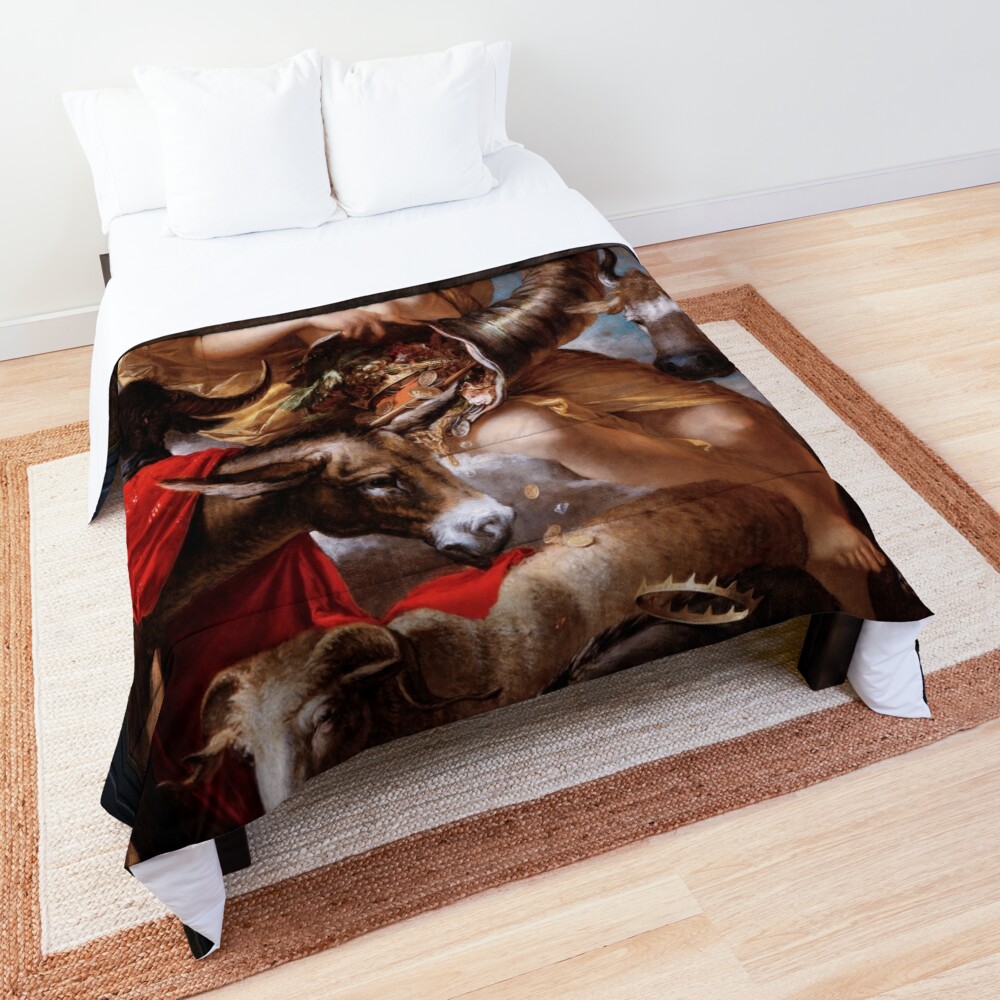
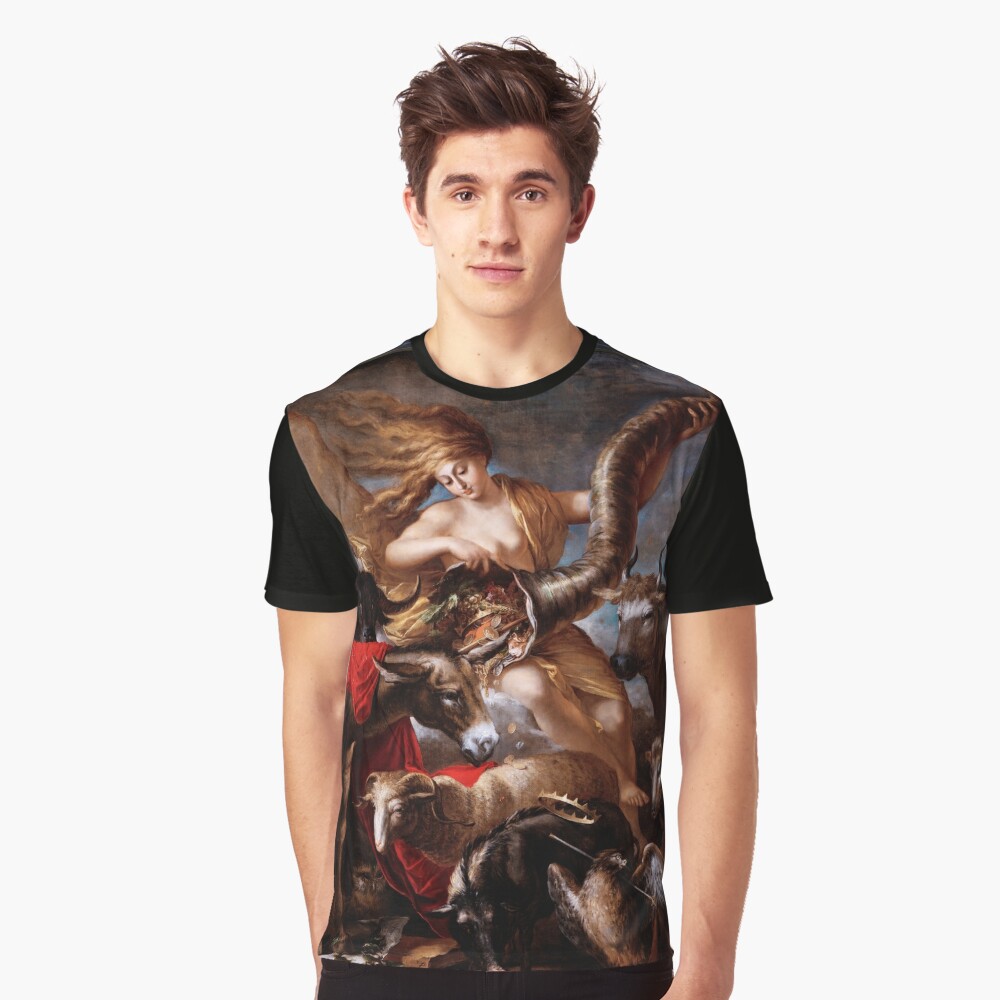
The composition is dominated by a central female figure representing Fortune – not depicted in the traditional guise of a graceful goddess, but rather as an active and almost frenzied force. She strides forward with purposeful energy, her body angled dynamically across the canvas. Her flowing hair whips around her face, suggesting movement and instability. She holds aloft a cornucopia overflowing with a chaotic assortment of objects: fruits, 꽃들, coins, and even skulls – symbols representing both abundance and mortality. This juxtaposition immediately establishes the painting’s core theme: the fleeting nature of earthly possessions and the inevitability of decay.
The Animalistic Chaos & Symbolic Landscape
Beneath Fortune’s feet lies a scene of unrestrained animal activity. A diverse group of animals—sheep, goats, pigs, and cattle—are depicted in various states of disarray. Some are huddled together, seemingly frightened; others appear to be struggling or fleeing. This chaotic menagerie serves as a powerful metaphor for the unpredictable forces that govern human existence. The landscape itself is rugged and somewhat desolate, with rocky terrain and sparse vegetation, further reinforcing the sense of instability and hardship. The background fades into a murky darkness, suggesting an uncertain future.
Rosa’s Artistic Style & Baroque Influences
Rosa’s style in “행운의 우화” is distinctly Baroque, characterized by dramatic lighting, 동적 구성, and intense emotional expression. The use of chiaroscuro – the contrast between light and dark – heightens the drama and draws attention to key elements within the scene. The strong diagonal lines created by Fortune’s posture and movement contribute to a sense of dynamism and instability. Rosa’s brushwork is loose and expressive, adding to the overall feeling of unrestrained energy. The painting reflects the Baroque period’s fascination with themes of mortality, transience, and the power of fate.
해석 & 역사적 맥락
The “Allegory of Fortune” can be interpreted as a commentary on the precariousness of human life and the futility of seeking lasting happiness or security in material possessions. Fortune is not portrayed as an active agent bestowing blessings; 꽤, she seems to embody the random and often destructive forces that shape our destinies.
The inclusion of skulls within the cornucopia serves as a stark reminder of mortality, 혼란스러운 동물 장면은 예측할 수 없는 삶 자체의 본질을 상징합니다.. 이탈리아의 정치적, 사회적 격변기에 그려진 그림, 그림은 불안정과 변화에 대한 불안을 반영할 수도 있습니다.. Rosa의 작품은 종종 반란과 무질서의 주제를 탐구했습니다., <행운의 우화>는 이러한 고민의 연장선으로 볼 수 있다..
색상 팔레트 & 기술적 인 세부 사항
색상 팔레트는 흙빛 톤(갈색)이 지배적입니다., 오크스, 그림의 우울한 분위기를 조성하는 회색. 하지만, 특히 Fortune이 들고 있는 천에 있는 빨간색의 얼룩은 눈에 띄는 대비를 제공하고 구성 내의 핵심 요소에 주의를 집중시킵니다.. Rosa의 능숙한 색상 사용으로 장면의 드라마틱한 효과 향상. 캔버스는 대략 측정합니다 124 NS 97 센티미터 (48.8 NS 38.2 신장). 그림은 캔버스의 기름으로 실행됩니다, 이 매체에 대한 Rosa의 숙달을 보여줍니다..
유산 & 중요성
“행운의 우화” stands as a significant work within Salvator Rosa’s oeuvre and a compelling example of Baroque allegory. It showcases his unique artistic vision and his ability to convey complex philosophical ideas through powerful visual imagery. The painting continues to resonate with viewers today, reminding us of the enduring themes of fate, mortality, and the fleeting nature of earthly existence. Rosa’s departure from traditional allegorical conventions makes this work particularly noteworthy, establishing him as a distinctive voice within the Baroque artistic landscape.
Some Information About The Artwork
이 행운의 이미지에서 (일반적으로 눈가리개를 한 모습으로 묘사됨), Salvator Rosa는 풍요의 뿔을 통해 부의 지위와 권력의 상징을 부여하는 모습을 보여줍니다. (일반적으로 위쪽을 가리키는 것으로 표시됩니다.), 필요도 없고 그들에게 주어진 것이 무엇인지도 이해하지 못하는 동물들에게.
그림 속 동물들은 바닥에 놓인 책과 화가의 팔레트에 나타난 예술과 학문의 속성을 짓밟는다.; 반면에 추기경의 붉은 망토를 두른 엉덩이는 (가톨릭 교회의 색깔), 올빼미를 보호하는 것, 그것은 빛으로부터 오는 지혜의 상징으로 여겨진다.
교황의 후원을 받지 못한 것에 대해 분개한 로사, 그의 모노그램이 있는 책에 그 사실에 대한 언급이 포함되어 있습니다., 그리고 자신의 이름을 암시하는 장미를 밟고 있는 돼지.
이 그림은 교황 알렉산더 7세의 친족주의적 예술 후원을 풍자한 것으로, 이로 인해 그는 거의 감옥에 보내질 뻔했습니다.. 그의 스튜디오에서 개인 상영을 마친 후, 그는 그림을 전시하지 말라는 모든 조언을 노골적으로 무시했습니다., 그리고 그 작품을 공개적으로 전시했습니다. 1659 판테온에서.
그 작품은 너무 많은 분노를 일으켰습니다, 로사가 감옥에 갇히지 않게 된 것은 교황의 동생의 개입 덕분이었다..
이것은 온라인에서 구입할 수 있는 퍼블릭 도메인 이미지의 수정된 디지털 아트 올드 마스터스 복제품입니다. 압연 캔버스 인쇄.