

Alegoria da Primavera
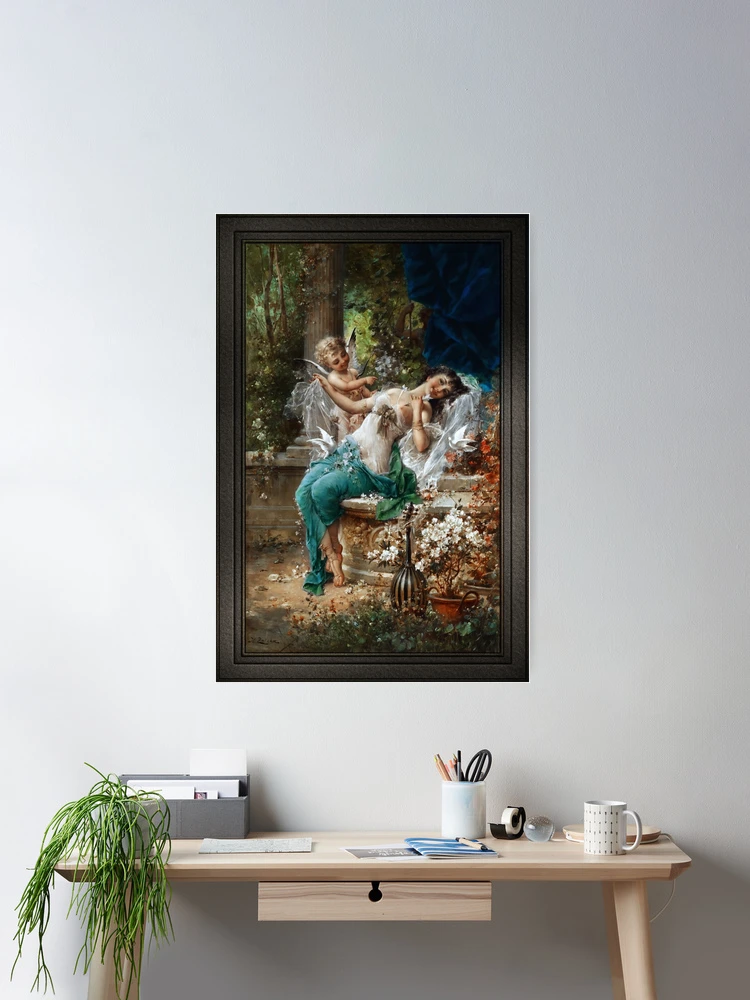
Na obra de arte Alegoria da Primavera, criado pelo pintor austríaco Hans Zatzka (1859 – 1945), o espectador fica imerso em uma narrativa encantadora que captura a essência do renascimento e da renovação, temas intimamente ligados à chegada da primavera. A peça exala uma beleza atemporal, mostrando a capacidade única de Zatzka de combinar imagens alegóricas clássicas com um toque romântico, atmosfera quase etérea. Seu uso de detalhes intrincados e composição harmoniosa convida o espectador a vivenciar não apenas uma cena, mas uma jornada emocional que reflete as transições sutis da natureza à medida que ela desperta.
Índice
Assunto principal e composição
No centro de Alegoria da Primavera, Zatzka coloca uma figura feminina reclinada, sua forma incorpora a própria essência da primavera. She is a symbol of nature’s fertility and rejuvenation, with her pale skin glowing in the soft, dappled light that seems to emanate from the surrounding flora. Dressed in a delicate, translucent gown, the figure rests on a stone bench, her posture one of relaxed elegance. O vestido dela, a vibrant turquoise, flows like the fresh waters of a spring stream, contrasting beautifully with the rich greenery that encircles her.
The woman’s facial expression is serene, almost languid, as if in a deep connection with the earth and the changing season. O cabelo dela, dark and lustrous, cascades in soft waves, while a veil of gossamer fabric encircles her head, reinforcing the sense of fragility and divine grace. The figure’s right hand rests casually on her chest, and her left hand delicately touches her lips, um gesto que sugere contemplação ou conexão com o ambiente circundante.
Acima e ao redor dela, vários querubins brincalhões ou crianças aladas esvoaçam, incorporando o espírito de juventude e alegria que é comumente associado à chegada da primavera. Um querubim é retratado atrás da mulher, sua expressão travessa e toque gentil sugerem uma sensação de intimidade lúdica. Essas figuras juvenis ampliam ainda mais a ideia da primavera como uma época de alegria, vitalidade, e criação lúdica.
O plano de fundo e o terreno
O pano de fundo de Alegoria da Primavera é um exuberante, jardim verdejante, repleto de flores desabrochando e folhagem densa. O cenário parece quase encantado, banhado em luz suave e sombras suaves, que melhoram a qualidade etérea da cena. Zatzka emprega um foco suave nas árvores e na folhagem, fazendo com que se misturem harmoniosamente com o resto da composição. This sense of blurred distinction between figure and background underscores the interconnection between the human form and nature.
The stone bench upon which the woman rests is adorned with creeping vines and flowers, suggesting the harmonious relationship between the figures and the surrounding plant life. The depiction of flowers, em particular, is quite detailed, with blossoms appearing in various stages of bloom, symbolizing the gradual unfolding of spring. The use of soft pastels in the flowers and the more muted tones of the stone bench contrasts beautifully with the vibrant greens of the foliage and the turquoise gown of the central figure.
In the far background, one can catch glimpses of columns, suggesting an ancient, almost mythological setting. The classical architectural elements, such as the pillars and the draped curtains behind them, invoke a sense of timelessness, further grounding the scene in the realm of allegory. The use of natural light filtering through the surrounding trees adds a magical quality to the scene, enhancing the feeling of an idyllic, tranquil moment suspended in time.
Simbolismo e Alegoria
Zatzka’s Alegoria da Primavera is rich in symbolism, particularly in its portrayal of the central female figure and the surrounding cherubs. A mulher, as a personification of spring, represents the life-giving energy of the season, as well as the natural cycles of growth and regeneration. O vestido dela, which resembles flowing water, is symbolic of the rejuvenating forces of spring rains that nourish the earth.
The cherubs, commonly seen in works of the Renaissance and Baroque periods, symbolize purity, amor, and innocence. In this context, they also serve as representations of the joy and vitality that spring brings. The image of the playful childlike figures conveys the idea of innocence and new beginnings, reinforcing the theme of rebirth inherent in the season.
The flowers and plant life further underscore the theme of regeneration, with the blooms symbolizing growth, new beginnings, and the awakening of the natural world after the long dormancy of winter. The inclusion of birds, flying or perched nearby, alludes to the freedom and joy that nature offers as it reawakens.
Zatzka’s use of light also carries symbolic weight. O macio, warm glow that illuminates the central figure evokes a sense of divine light or the touch of the gods, highlighting the sacredness of nature’s cyclical rhythms. The play of shadow and light on the figure and her surroundings creates a dreamlike quality, inviting the viewer to contemplate the spiritual renewal that spring represents.
Humor e atmosfera
O clima da pintura é de tranquilidade, suavidade, e beleza atemporal. Zatzka masterfully evokes a sense of calm, the serene expression of the central figure and the delicate playfulness of the cherubs infusing the scene with a feeling of gentle joy. The lush, jardim verdejante, with its blooming flowers and bright greenery, exudes the hopefulness and vitality of spring. There is a quiet, almost meditative quality to the scene, suggesting that the moment captured is one of deep reflection, renovação, and connection with the earth.
The overall atmosphere of the painting is also one of romance and nostalgia. A paleta de cores suaves, along with the idealized, classical figures, creates a sense of longing for a world that is pure, innocent, e em harmonia com a natureza. É um mundo em que a beleza, paz, e a renovação são constantes, um lugar onde a alma pode descansar e rejuvenescer, muito parecido com a própria terra durante a chegada da primavera.
Conclusão
Hans Zatzka Alegoria da Primavera é um exemplo impressionante do romantismo do final do século XIX e início do século XX, misturando temas alegóricos clássicos com uma profunda apreciação pela beleza do mundo natural. O rico simbolismo da pintura, detalhes complexos, e atmosfera etérea convidam os espectadores a um mundo de suave renascimento e renovação, tornando-o um tributo atemporal à magia da primavera. Através de seu uso especializado da luz, cor, e composição, Zatzka captura a essência da temporada, criando uma obra de arte que continua a ressoar no público como uma celebração dos ciclos eternos da natureza.
Esta é uma reprodução dos antigos mestres da arte digital retocada de uma imagem de domínio público que está disponível como um impressão em tela.
BIO do artista derivado de Wikipedia.org
Hans Zatzka às vezes era conhecido como P. Ronsard, Pierre de Ronsard, ou H. Baterias, e assinou muitas de suas obras como Joseph Bernard, J. Bernard, ou Bernard Zatzka.
O objetivo da vasta gama de pseudônimos de Zatzka era evitar penalidades de quebra de contratos que limitavam a quantidade de obras de arte que ele poderia vender.
Isso fez com que alguns bancos de dados de arte combinassem o trabalho de Zatzka sob o pseudônimo de Joseph Bernard com o escultor francês com o mesmo nome.
Hans Zatzka nasceu em 8 marcha 1859 em viena. Seu pai, Bartholomaüs, era operário da construção civil, e sua mãe era Marie Karpischek Zatzka.
Entre 1877 e 1882, estudou na Academie des Beaux-Arts, sob Christian Griepenkerl, Carl Wurzinger, e Karl von Blaas.
Zatzka conseguiu ganhar a vida com a produção de afrescos para igrejas e outras instituições.
Dentro 1885, Zatzka foi contratado para criar o afresco do teto A Naiad de Baden em Kurhaus Baden.
Muitas das obras de Zatzka eram pinturas religiosas e retábulos dedicados a várias igrejas na Áustria.
Contudo, ele é mais conhecido por suas pinturas de mulheres, fadas, e outras cenas fantásticas.
Muitas vezes, ele se inspiraria nas obras de Richard Wagner e nos contos de fadas dos Irmãos Grimm.
No final do século 19 e início do século 20, várias peças de Zatzka foram fotografadas e transformadas em cartões-postais comerciais e colecionáveis.
Durante a década de 1920, O estilo de Zatzka se tornou a decoração preferida em toda a Europa. Além disso, nos trinta anos anteriores houve um ressurgimento de Zatzka.