

אריאדנה
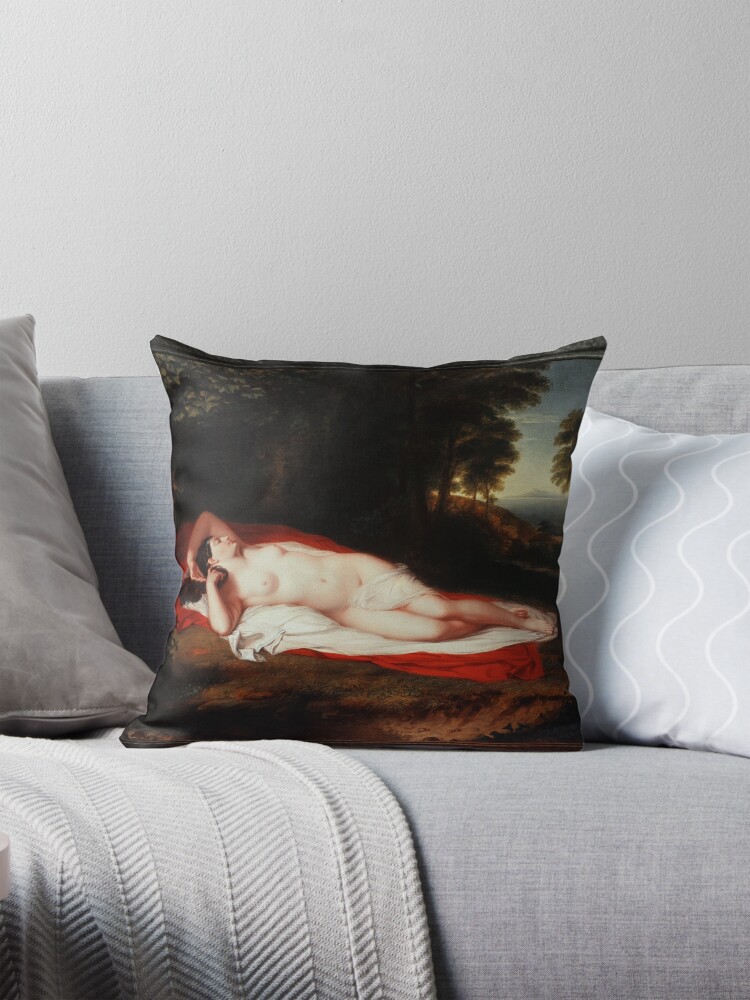
Ariadne c1831-35 מאת צייר אמריקאי & חָרָט אשר בראון דוראנד (1796 – 1886) היה חלק מהתנועה לאמנות רומנטיקה והיה בוגר בית הספר לנהר ההדסון. ההתמקדות העיקרית של אשר הייתה בציורי נוף.
הציור הזה של אריאדנה מאת אשר הוא מתוך עותק של ציור של ג'ון ונדרלין (1776 – 1852) דבר שעשה כהכנה לחריטה שהפיק כפי שהיה קורה לעתים קרובות; הוא היה יוצר בד שמן בגודל החריטה המיועדת.
אריאדנה היא נסיכת כרתים של המיתולוגיה היוונית אשר הייתה אהובה לזמן קצר על ידי תזאוס (המלך המיתולוגי ומייסד-גיבור אתונה), שנטש אותה באי נקסוס לאחר שמאס בחברתה.
תוכן העניינים
Overview of “אריאדנה” by Asher Brown Durand
אשר בראון דוראנד, an American painter and engraver, is widely regarded as one of the central figures in the Hudson River School of landscape painting, a movement that celebrated the natural beauty of the American landscape. למרות זאת, Durand’s work often extended beyond landscapes, as seen in his 1831 – 1835 צִיוּר אריאדנה. This piece reveals Durand’s mastery not only in capturing natural forms but also in his ability to imbue his subjects with an ethereal, almost mythological presence.
The Subject of the Artwork: אריאדנה
At the center of Durand’s אריאדנה stands a woman in repose, surrounded by the lush, undisturbed wilderness of an ancient, נוף כמעט אידילי. The subject of the painting is Ariadne, a figure from Greek mythology, known for her connection to the myth of Theseus and the Minotaur. Ariadne is often depicted as a symbol of love, הֶפסֵד, and betrayal, and Durand captures her at a moment of serene contemplation.
Ariadne’s pose is languid and contemplative, lying on a bed of red drapery that contrasts with the soft hues of the surrounding natural world. The figure appears relaxed, almost sleeping, with her head gently turned to the side. Her body is draped in a flowing, translucent white cloth, with the rich crimson fabric beneath her evoking a sense of luxury and opulence. Despite her reclined position, the contours of her body remain graceful, with the painter capturing the natural curves of her form with great care and sensitivity. הפנים שלה, though partially obscured by her positioning, seems peaceful, suggesting a deep inner calm or introspection.
The Landscape and Natural Setting
The backdrop of the painting is a lush, verdant landscape that stretches into the distance, bathed in the soft glow of an evening or early morning light. The scene is characterized by gently rolling hills, dense trees, and a distant body of water. Durand’s attention to detail in the depiction of nature reflects his dedication to the principles of the Hudson River School, where the natural world was revered and idealized. The foliage is painted in rich, deep greens, while the sky above is a delicate blend of soft blues and warm yellows, contributing to an atmosphere of tranquility and nostalgia.
The distant view across the water provides a sense of depth and space, inviting the viewer to imagine the vastness of the scene. The use of light in this painting is particularly notable; the artist’s careful rendering of shadows and highlights creates a sense of volume and texture, lending an almost three-dimensional quality to both the figure of Ariadne and the surrounding landscape. The light appears to envelop the figure, casting a soft glow on her skin and the folds of her drapery, while the shadowed areas deepen the sense of solitude and reflection.
The Symbolism of the Drapery
The red drapery beneath Ariadne is not just a visual element but also a symbolic one. באמנות קלאסית, drapery often served as a vehicle for expressing both the subject’s emotional state and their physical form. במקרה הזה, the deep red fabric can be interpreted as a symbol of passion, אהבה, or even sacrifice. אריאדנה, having been abandoned by Theseus after helping him escape the labyrinth, might be seen as embodying themes of loss and emotional turmoil, yet her peaceful repose and the lush, fertile landscape around her suggest a kind of quiet resolution or acceptance.
The white cloth she is draped in can be viewed as a symbol of purity or a new beginning, which is fitting given that the myth of Ariadne is often associated with transformation; both in the literal sense of her life being changed by her relationship with Theseus and in the mythological sense, where her fate takes a turn after her abandonment.
הסגנון והטכניקה האמנותית
Durand’s אריאדנה is painted in a classical Romantic style, where realism and idealism merge to create a vision of beauty that transcends the ordinary. The artist employs a fine balance of realism in the portrayal of both the figure and the landscape, yet there is an underlying idealization that makes the scene feel timeless. Durand’s technical skill is evident in the delicate rendering of light and shadow, the softness of the fabric, and the naturalistic details of the landscape.
The figures and forms are modeled with great precision, and the soft transitions of color suggest the artist’s deep understanding of the human body and the play of light across different surfaces. Durand’s fine attention to detail extends beyond the human form to the natural environment, where every leaf, branch, and rock is meticulously painted, contributing to the painting’s overall sense of realism and harmony.
Mood and Emotional Atmosphere
מצב הרוח של אריאדנה הוא שלווה, בְּדִידוּת, and quiet reflection. האור הרך, gentle landscape, and languid pose of the subject all combine to create an atmosphere of serene contemplation. There is a sense of quiet beauty in the way the figure rests within the natural surroundings, suggesting both an intimate connection to nature and a contemplative escape from the tumult of the mythological world.
While the figure of Ariadne is deeply associated with themes of abandonment, betrayal, and emotional pain in the myth, Durand’s portrayal focuses on a more introspective aspect of her character. The absence of a direct narrative moment, such as her abandonment or subsequent marriage to Dionysus, allows the viewer to contemplate Ariadne in a state of quiet resolution. Her calm expression and relaxed pose suggest an emotional distance from her previous life’s trials and tribulations, allowing for a more meditative engagement with her figure.
מַסְקָנָה
ב אריאדנה, Asher Brown Durand merges his skill in landscape painting with his sensitivity to human emotion, producing a work that is both visually stunning and emotionally resonant. The painting is a delicate balance of idealized beauty and reflective solitude, drawing upon the classical traditions of mythology and landscape painting while imbuing the scene with a uniquely Romantic sensibility. דרך היצירה הזו, Durand invites the viewer to contemplate not only the mythical figure of Ariadne but also the eternal beauty of the natural world, which offers a quiet sanctuary from the tumult of human life.

ברקע מעבר לעצים והגבעה שעליה היא נחה נוכל לראות סירה על גדת אגם, אנשים וכלב על החוף, עם עשן מדורה עולה לאוויר; לבסוף מרחוק נוכל לראות מה שנראה כאי גדול.
זהו רפרודוקציה של אמנות דיגיטלית משוחזרת של תדמית ברשות הרבים שתוכל לרכוש בתור הדפס קנבס מגולגל באינטרנט.
מידע למטה מ Wikipedia.org
דוראנד נולד ובסופו של דבר מת במפלווד, ניו ג'רזי (אז התקשר לכפר ג'פרסון). הוא היה השמיני מבין אחד עשר ילדים. אביו של דוראנד היה שען וצורף כסף.
דוראנד התלמד אצל חרט מ 1812 ל 1817 ובהמשך נכנס לשותפות עם הבעלים של החברה, צ'ארלס קושינג רייט (1796-1854), שביקש ממנו לנהל את משרד החברה בניו יורק.
הוא חרט את הכרזת העצמאות לג'ון טרומבול במהלך 1823, שביסס את המוניטין של דוראנד כאחד החרטטים הטובים במדינה.
דוראנד עזר לארגן את אגודת הרישום של ניו יורק במהלך 1825, שתהפוך לאקדמיה הלאומית לעיצוב; הוא ישמש את הארגון כנשיא מ 1845 ל 1861.
תחריטו של אשר על שטרות הבנק שימשו כדיוקנאות לבולי הדואר הראשונים של אמריקה, ה 1847 סִדרָה. יחד עם אחיו כורש הוא גם חרט חלק מהמצליחים 1851 נושאים.
העניין העיקרי שלו השתנה מתחריט לציור שמן על 1830 בעידודו של הפטרון שלו, לומן ריד. בְּמַהֲלָך 1837, הוא ליווה את חברו תומאס קול במסע שרטוט לאגם שרון בהרי אדירונדקס וזמן קצר לאחר מכן החל להתרכז בציור נוף..
הוא בילה את הקיץ בשרטוט בקטסקילס, אדירונדקס, וההרים הלבנים בניו המפשייר, יצירת מאות רישומים ורישומי שמן אשר שולבו מאוחר יותר ביצירות אקדמיה מוגמרות שעזרו להגדיר את בית הספר נהר ההדסון.
דוראנד זכור במיוחד בזכות תיאורי העצים המפורטים שלו, סלעים, ועלווה. הוא היה מליץ לשאוב ישירות מהטבע בכמה שיותר ריאליזם. כתב דוראנד, “תן [האומן] לקבל בקפדנות כל דבר [טֶבַע] מציג אותו עד שיעשה, בתואר, הפכו אינטימיים עם האינסוף שלה... לעולם אל תתנו לו לחלל את קדושתה על ידי התרחקות מכוונת מהאמת.”
כמו אמנים אחרים מבית הספר הדסון ריבר, דוראנד גם האמין שהטבע הוא ביטוי בלתי ניתן לתיאור של אלוהים. הוא הביע רגש זה ואת דעותיו הכלליות על אמנות בחיבורו “מכתבים על ציור נוף” ב"עפרון העפרון ", כתב עת אמנותי בניו יורק באמצע המאה ה -19. כתב את דוראנד, “[ט]המחוז האמיתי לאמנות נוף הוא ייצוג עבודת האל ביצירה הנראית לעין ...”
דוראן ידוע בזכות שלו 1849 ציור רוחות מסוג קינדר המציג את אמן תומס קול, בית הספר לנהר הדסון ריבר, והמשורר וויליאם קאלן בראיינט בנוף של הרי קטסקילס.. זה צוייר כמחווה לקול עם מותו של קול במהלך 1848, וכמתנה לבראיינט.