

Ariadne Engraving
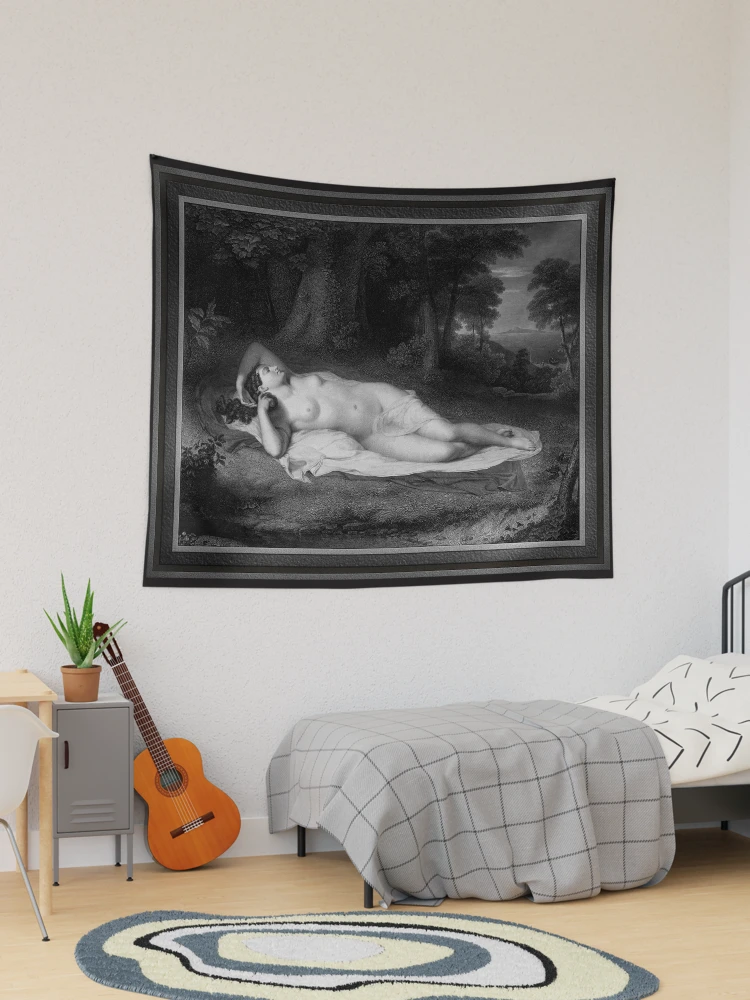
תחריט אריאדנה c1835 מאת צייר אמריקאי & חָרָט אשר בראון דוראנד (1796 – 1886) היה חלק מהתנועה לאמנות רומנטיקה והיה בוגר בית הספר לנהר ההדסון. ההתמקדות העיקרית של אשר הייתה בציורי נוף.
Overview
תחריט אריאדנה של אשר הוא מתוך עותק של ציור שעשה מציור מקורי של ג'ון ונדרלין (1776 – 1852). אריאדנה היא נסיכת כרתים שהייתה אהובה לזמן קצר על ידי תזאוס (המלך המיתולוגי ומייסד-גיבור אתונה), שנטש אותה באי נקסוס.
“אריאדנה” is an exquisite engraving created by Asher Brown Durand, one of the prominent American artists and engravers of the 19th century. This artwork, completed circa 1835, is a masterful interpretation of classical themes in the Neoclassical style.
The subject of this engraving, אריאדנה, is a figure from Greek mythology, whose image has been captured through Durand’s engraving with remarkable sensitivity and depth. The mood and narrative conveyed in this piece are deeply entwined with the themes of abandonment, solitude, וגעגוע, presenting Ariadne as a symbol of romantic melancholy.
תוכן העניינים
הנושא והקומפוזיציה
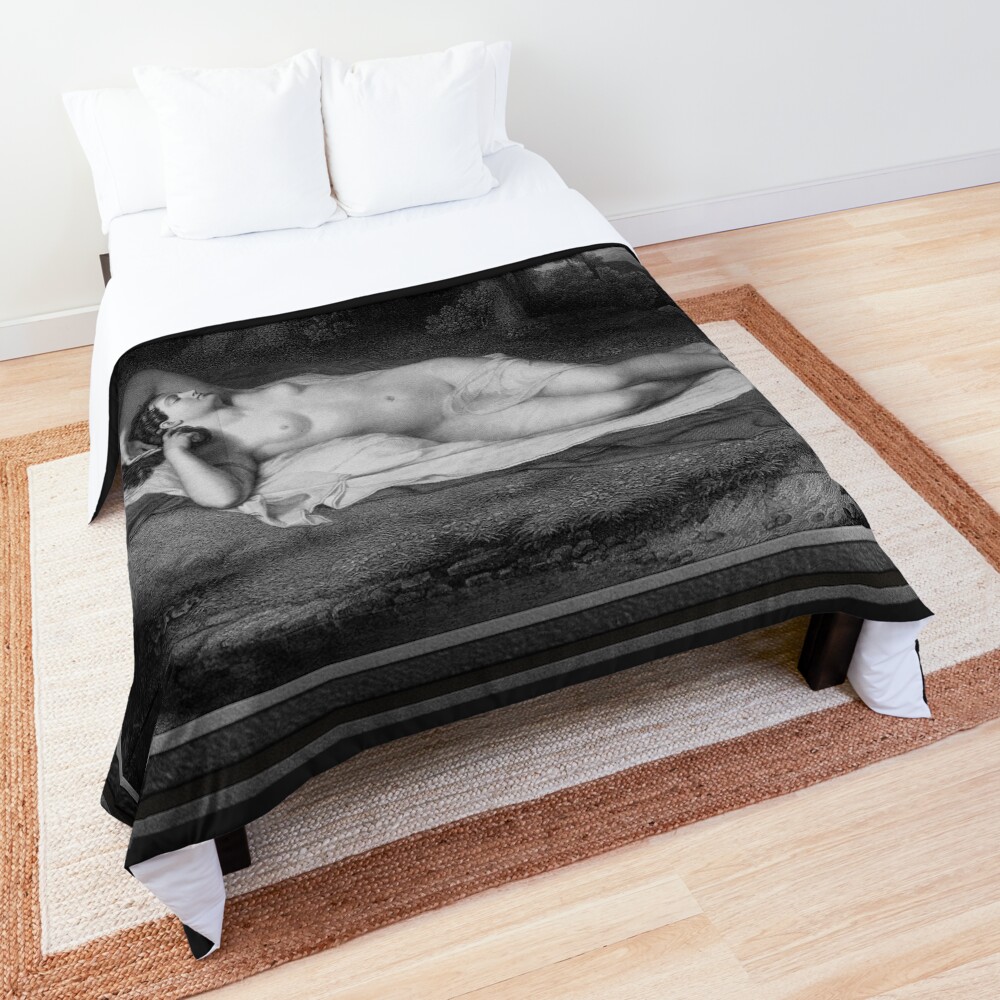
At the heart of the composition lies Ariadne, the central figure who is often depicted in ancient myths as the abandoned lover of Theseus. Durand has rendered her lying on the ground, draped in soft, flowing cloths that seem to merge with the natural world around her.
Her posture suggests a sense of relaxation or even resignation, with one arm resting behind her head, while the other lies gracefully on her torso. הפנים שלה, serene yet distant, looks toward the horizon as though lost in thought or perhaps anticipating the return of her lover, a theme which resonates with the classical myths of lost love and abandonment.
The depiction of Ariadne in this engraving speaks volumes about Durand’s understanding of the human form, especially in the rendering of the female body. The curves of her limbs, the delicate folding of the fabric, and the naturalistic contours of her face all contribute to the timeless beauty and vulnerability of the figure. Durand’s use of shading and fine details in the engraving enhances the texture of the flesh and the fabric, lending a sense of life to the image despite its static nature.
The Setting and Environment
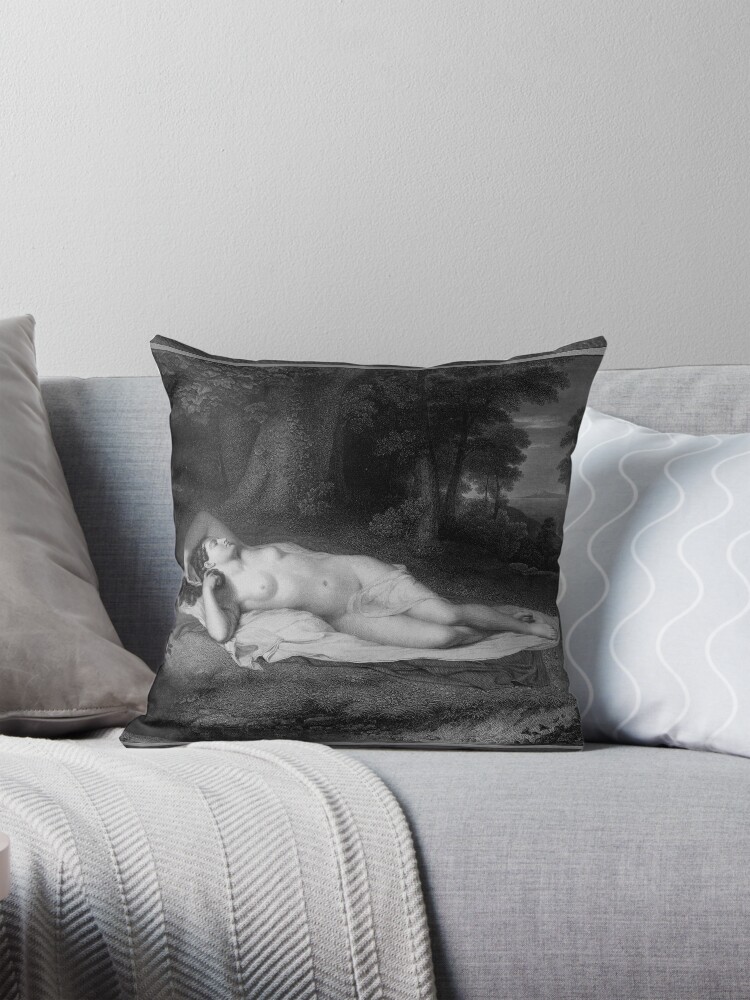
The background and setting of the engraving contribute significantly to its thematic weight. Ariadne is positioned in a lush, idyllic natural setting—likely an open glade or secluded forest. The terrain, gently sloping and dotted with trees, provides a soft contrast to the hard, chiseled forms of the figure.
A distant view of rolling hills and a river suggest a harmonious integration of human and natural elements. The setting appears to be at the cusp of day and night, as a hazy light filters through the trees, subtly illuminating Ariadne’s form while casting the landscape in a soft, dreamlike glow.
The artist skillfully renders the trees and foliage with intricate lines, creating a sense of depth and dimension. The distant hills add a sense of scale to the composition, further enhancing the naturalistic style that Durand excelled at. The fine linework and delicate shading are characteristic of the engraving medium, a technique that requires patience and precision, both of which Durand applied expertly to bring the landscape into harmonious balance with the figure of Ariadne.
The Medium: Engraving
בתור תחריט, this piece is executed with meticulous attention to detail. דוראנד, known for his skill in this medium, uses sharp, clear lines and intricate crosshatching to achieve a wide range of tonal values. The engraving’s fine lines lend it a delicate quality, but the use of contrast and shadow provides a deep, almost three-dimensional sense of volume. Durand’s technique is particularly adept at capturing textures, from the softness of Ariadne’s skin to the rough bark of the trees surrounding her.
The use of engraving as a medium also reflects Durand’s engagement with the tradition of classical art and his desire to produce works that could be widely disseminated, popularizing such mythological themes among American and European audiences. Engraving, being more accessible than original paintings, allowed for greater distribution of this image, making it not only an artistic achievement but also a vehicle for promoting classical ideals.
Themes and Symbolism
The figure of Ariadne in this engraving embodies themes of isolation, abandonment, וחלוף הזמן. In Greek mythology, Ariadne helps Theseus escape the Labyrinth, only to be later abandoned by him on the island of Naxos. This image captures her at a moment of quiet reflection, perhaps contemplating her fate or lost love.
The serene expression on her face juxtaposes with the emotional turmoil that her myth entails. The soft folds of her drapery and the calm surroundings may symbolize a fleeting moment of peace before the inevitable sorrow that comes with being left alone.
בנוסף, the natural setting of the piece complements these themes. The trees and foliage suggest a timeless, unchanging world, while Ariadne’s figure contrasts with this permanence, hinting at the transient nature of human life and emotion. Her presence in such a setting evokes the tension between humanity and nature, a theme that is deeply ingrained in classical art and literature.
מצב רוח ואווירה
מצב הרוח של “אריאדנה” is deeply melancholic. Durand has chosen to portray the moment of Ariadne’s solitude after her abandonment, and the peaceful yet somber expression on her face enhances this emotional atmosphere. The engraving’s lighting, with its soft contrast between light and shadow, imbues the piece with a quiet, איכות כמעט אתרית. The trees in the background create a feeling of shelter, yet their distance and the softness of their outlines evoke a sense of isolation, reinforcing the emotional undercurrent of the narrative.
While the scene is bathed in the calm of nature, there is an undercurrent of sadness that is palpable. The solitude of the figure, combined with the longing gaze and the distant landscape, creates an atmosphere that is both tender and tragic. It speaks to the human experience of abandonment and the quiet resignation that often accompanies it.
מַסְקָנָה
Asher Brown Durand’s “אריאדנה” stands as a fine example of 19th-century American engraving and a representation of classical themes through a Neoclassical lens. The serene yet poignant depiction of Ariadne, set against a natural backdrop, invites the viewer to contemplate the fragility of human emotion, the passage of time, and the isolation that often accompanies love and loss. The technical mastery and emotional depth of this work, combined with the delicate interplay of light and shadow, make it a timeless piece of art.
תחריט אריאדנה מתאר את אריאדנה שוכבת ביער, על גבי צרור בגדים עירום חלקית על ידי זרם עם זרועה השמאלית ממוקמת מעל ראשה וידה הימנית אוחזת בשערה כשהוא מונח על החלק האחורי של צווארה.
ברקע תחריט אריאדנה על פני העצים והגבעה עליה היא נחה, אנחנו יכולים לראות סירה על גדת אגם, ומרחוק נוכל לראות מה שנראה כאי גדול.
חריטת אריאדנה זו היא רפרודוקציה של אמנות דיגיטלית עתיקה מריטוש של תמונה ברשות הרבים.
מידע למטה מ Wikipedia.org
דוראנד נולד ובסופו של דבר מת במפלווד, ניו ג'רזי (אז התקשר לכפר ג'פרסון). הוא היה השמיני מבין אחד עשר ילדים. אביו של דוראנד היה שען וצורף כסף.
דוראנד התלמד אצל חרט מ 1812 ל 1817 ובהמשך נכנס לשותפות עם הבעלים של החברה, צ'ארלס קושינג רייט (1796-1854), שביקש ממנו לנהל את משרד החברה בניו יורק.
הוא חרט את הכרזת העצמאות לג'ון טרומבול במהלך 1823, שביסס את המוניטין של דוראנד כאחד החרטטים הטובים במדינה.
דוראנד עזר לארגן את אגודת הרישום של ניו יורק במהלך 1825, שתהפוך לאקדמיה הלאומית לעיצוב; הוא ישמש את הארגון כנשיא מ 1845 ל 1861.
תחריטו של אשר על שטרות הבנק שימשו כדיוקנאות לבולי הדואר הראשונים של אמריקה, ה 1847 סִדרָה. יחד עם אחיו כורש הוא גם חרט חלק מהמצליחים 1851 נושאים.
העניין העיקרי שלו השתנה מתחריט לציור שמן על 1830 בעידודו של הפטרון שלו, לומן ריד. בְּמַהֲלָך 1837, הוא ליווה את חברו תומאס קול במסע שרטוט לאגם שרון בהרי אדירונדקס וזמן קצר לאחר מכן החל להתרכז בציור נוף..
הוא בילה את הקיץ בשרטוט בקטסקילס, אדירונדקס, וההרים הלבנים בניו המפשייר, יצירת מאות רישומים ורישומי שמן אשר שולבו מאוחר יותר ביצירות אקדמיה מוגמרות שעזרו להגדיר את בית הספר נהר ההדסון.
דוראנד זכור במיוחד בזכות תיאורי העצים המפורטים שלו, סלעים, ועלווה. הוא היה מליץ לשאוב ישירות מהטבע בכמה שיותר ריאליזם. כתב דוראנד, “תן [האומן] לקבל בקפדנות כל דבר [טֶבַע] מציג אותו עד שיעשה, בתואר, הפכו אינטימיים עם האינסוף שלה... לעולם אל תתנו לו לחלל את קדושתה על ידי התרחקות מכוונת מהאמת.”
כמו אמנים אחרים מבית הספר הדסון ריבר, דוראנד גם האמין שהטבע הוא ביטוי בלתי ניתן לתיאור של אלוהים. הוא הביע רגש זה ואת דעותיו הכלליות על אמנות בחיבורו “מכתבים על ציור נוף” ב"עפרון העפרון ", כתב עת אמנותי בניו יורק באמצע המאה ה -19. כתב את דוראנד, “[ט]המחוז האמיתי לאמנות נוף הוא ייצוג עבודת האל ביצירה הנראית לעין ...”
דוראן ידוע בזכות שלו 1849 ציור רוחות מסוג קינדר המציג את אמן תומס קול, בית הספר לנהר הדסון ריבר, והמשורר וויליאם קאלן בראיינט בנוף של הרי קטסקילס.. זה צוייר כמחווה לקול עם מותו של קול במהלך 1848, וכמתנה לבראיינט.