

Ariadne
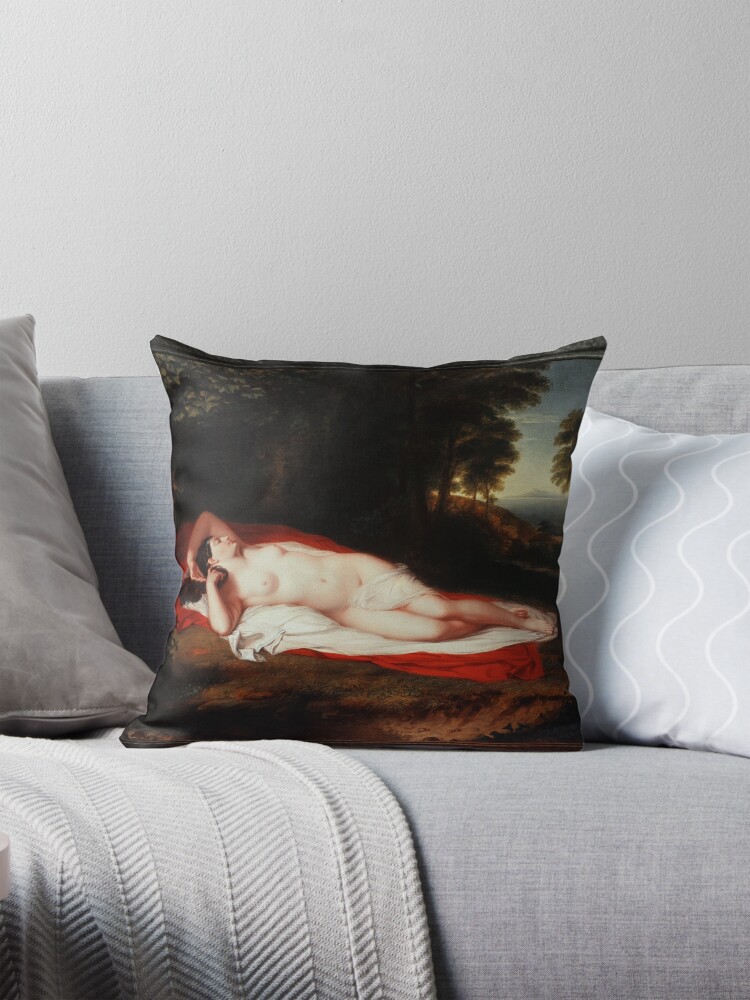
Ariadne c1831-35 av American Painter & Gravör Asher Brown Durand (1796 – 1886) var en del av Romanticism Art Movement och tog examen vid Hudson River School. Asers huvudfokus låg på landskapsmålningar.
Denna målning av Ariadne av Asher är från en kopia av en målning av John Vanderlyn (1776 – 1852) vilket han gjorde som förberedelse för gravyren han producerade som ofta var fallet; han skulle skapa en oljeduk av storleken på den tänkta gravyren.
Ariadne är den kretensiska prinsessan av den grekiska mytologin som en kort stund älskades av Theseus (den mytomspunna kungen och grundaren-hjälten av Aten), som övergav henne på ön Naxos efter att han tröttnat på hennes sällskap.
Innehållsförteckning
Översikt över “Ariadne” av Asher Brown Durand
Asher Brown Durand, en amerikansk målare och gravör, anses allmänt som en av centralfigurerna i Hudson River School of landscape painting, en rörelse som hyllade det amerikanska landskapets naturliga skönhet. i alla fall, Durands arbete sträckte sig ofta bortom landskap, som syns i hans 1831 – 1835 målning Ariadne. Detta stycke avslöjar Durands behärskning inte bara i att fånga naturliga former utan också i hans förmåga att genomsyra sina undersåtar med en eterisk, nästan mytologisk närvaro.
Ämnet för konstverket: Ariadne
I centrum av Durand's Ariadne står en kvinna i vila, omgiven av det frodiga, orörd vildmark av en forntida, nästan idylliskt landskap. Ämnet för målningen är Ariadne, en figur från den grekiska mytologin, känd för sin koppling till myten om Theseus och Minotauren. Ariadne framställs ofta som en symbol för kärlek, förlust, och svek, och Durand fångar henne i ett ögonblick av fridfull kontemplation.
Ariadnes pose är trög och kontemplativ, liggande på en bädd av rött draperi som kontrasterar med de mjuka nyanserna i den omgivande naturen. Figuren verkar avslappnad, nästan sover, med huvudet försiktigt åt sidan. Hennes kropp är draperad i ett flödande, genomskinligt vitt tyg, med det rika karmosinröda tyget under sig som framkallar en känsla av lyx och överflöd. Trots hennes tillbakalutade ställning, konturerna av hennes kropp förblir graciösa, med målaren som fångar de naturliga kurvorna i hennes form med stor omsorg och känslighet. Hennes ansikte, men delvis skymd av hennes positionering, verkar fredlig, antyder ett djupt inre lugn eller introspektion.
Landskapet och den naturliga miljön
Bakgrunden av målningen är en frodig, grönskande landskap som sträcker sig i fjärran, badade i det mjuka skenet från ett kvälls- eller tidigt morgonljus. Scenen präglas av mjukt böljande kullar, täta träd, och en avlägsen vattenmassa. Durands uppmärksamhet på detaljer i skildringen av naturen återspeglar hans hängivenhet till principerna för Hudson River School, där den naturliga världen vördades och idealiserades. Bladverket är målat i rikt, djupa gröna, medan himlen ovan är en delikat blandning av mjuka blåtoner och varma gula färger, bidrar till en atmosfär av lugn och nostalgi.
Den avlägsna utsikten över vattnet ger en känsla av djup och rymd, bjuder in tittaren att föreställa sig scenens viddhet. Användningen av ljus i denna målning är särskilt anmärkningsvärd; konstnärens noggranna återgivning av skuggor och högdagrar skapar en känsla av volym och textur, ger en nästan tredimensionell kvalitet till både figuren Ariadne och det omgivande landskapet. Ljuset verkar omsluta figuren, kastar en mjuk lyster på hennes hud och vecken i hennes draperi, medan de skuggade områdena fördjupar känslan av ensamhet och reflektion.
Draperiets symbolik
Det röda draperiet under Ariadne är inte bara ett visuellt element utan också ett symboliskt. I klassisk konst, draperi fungerade ofta som ett medel för att uttrycka både motivets känslomässiga tillstånd och deras fysiska form. I detta fall, det djupröda tyget kan tolkas som en symbol för passion, kärlek, eller till och med offer. Ariadne, efter att ha blivit övergiven av Theseus efter att ha hjälpt honom att fly labyrinten, kan ses som förkroppsligande av teman om förlust och känslomässig oro, ändå hennes fridfulla vila och det frodiga, bördiga landskap runt henne antyder ett slags tyst beslutsamhet eller acceptans.
Det vita tyget hon är draperat i kan ses som en symbol för renhet eller en ny början, vilket är passande med tanke på att myten om Ariadne ofta förknippas med förvandling; både i bokstavlig mening av att hennes liv förändrades av hennes förhållande till Theseus och i mytologisk mening, där hennes öde tar en vändning efter hennes övergivande.
Den konstnärliga stilen och tekniken
Durands Ariadne är målad i klassisk romantisk stil, där realism och idealism smälter samman för att skapa en vision av skönhet som överskrider det vanliga. Konstnären använder en fin balans mellan realism i gestaltningen av både figuren och landskapet, ändå finns det en underliggande idealisering som gör att scenen känns tidlös. Durands tekniska skicklighet är uppenbar i den känsliga återgivningen av ljus och skugga, tygets mjukhet, och de naturalistiska detaljerna i landskapet.
Figurerna och formerna är modellerade med stor precision, och de mjuka färgövergångarna antyder konstnärens djupa förståelse av människokroppen och ljusets spel över olika ytor. Durands fina uppmärksamhet på detaljer sträcker sig bortom den mänskliga formen till den naturliga miljön, där varje löv, gren, och sten är minutiöst målad, bidrar till målningens övergripande känsla av realism och harmoni.
Humör och känslomässig atmosfär
Stämningen av Ariadne är en av lugn, ensamhet, och tyst reflektion. Det mjuka ljuset, mjukt landskap, och motivets slappa ställning kombineras för att skapa en atmosfär av fridfull kontemplation. Det finns en känsla av tyst skönhet i hur figuren vilar i den naturliga omgivningen, antyder både en intim koppling till naturen och en kontemplativ flykt från den mytologiska världens tumult.
Medan figuren Ariadne är djupt förknippad med teman om övergivande, svek, och känslomässig smärta i myten, Durands skildring fokuserar på en mer introspektiv aspekt av hennes karaktär. Frånvaron av ett direkt berättande ögonblick, såsom hennes övergivande eller efterföljande äktenskap med Dionysos, tillåter betraktaren att betrakta Ariadne i ett tillstånd av tyst upplösning. Hennes lugna uttryck och avslappnade ställning tyder på ett känslomässigt avstånd från hennes tidigare livs prövningar och vedermödor, vilket möjliggör ett mer meditativt engagemang med hennes figur.
Slutsats
I Ariadne, Asher Brown Durand kombinerar sin skicklighet i landskapsmålning med sin känslighet för mänskliga känslor, producera ett verk som är både visuellt imponerande och känslomässigt resonant. Målningen är en delikat balans mellan idealiserad skönhet och reflekterande ensamhet, dra på de klassiska traditionerna av mytologi och landskapsmålning samtidigt som scenen genomsyras av en unik romantisk känsla. Genom detta stycke, Durand inbjuder betraktaren att begrunda inte bara den mytiska figuren Ariadne utan också den eviga skönheten i den naturliga världen, som erbjuder en lugn fristad från människolivets tumult.

I bakgrunden förbi träden och kullen hon vilar på kan vi se en båt på stranden av en sjö, människor och en hund på stranden, med röken från en lägereld som stiger upp i luften; slutligen på långt håll kan vi se vad som verkar vara en stor ö.
Detta är en retuscherad digital konst reproduktion av gamla mästare av en bild för allmän egendom som du kan köpa som en rullad canvastavla online.
Info nedan från Wikipedia.org
Durand föddes i och dog så småningom i Maplewood, New Jersey (ringde då Jefferson Village). Han var den åttonde av elva barn. Durands far var en urmakare och en silversmed.
Durand lärde sig en graver från 1812 till 1817 och ingick senare ett partnerskap med ägaren till företaget, Charles Cushing Wright (1796–1854), som bad honom att leda företagets kontor i New York.
Han graverade självständighetsförklaringen för John Trumbull under 1823, som etablerade Durands rykte som en av landets finaste gravörer.
Durand hjälpte till att organisera New York Drawing Association under 1825, som skulle bli National Academy of Design; han skulle tjäna organisationen som president från 1845 till 1861.
Asers graveringar på sedlar användes som porträtt för Amerikas första frimärken, de 1847 serier. Tillsammans med sin bror Cyrus graverade han också några av de efterföljande 1851 frågor.
Hans huvudsakliga intresse förändrades från gravyr till oljemålning om 1830 med uppmuntran av sin beskyddare, Luman Reed. Under 1837, han följde med sin vän Thomas Cole på en skissexpedition till Schroon Lake i Adirondacksbergen och strax efter började han koncentrera sig på landskapsmålning.
Han tillbringade somrarna med att skissa i Catskills, Adirondacks, och White Mountains i New Hampshire, göra hundratals teckningar och oljeskisser som senare införlivades i färdiga akademistycken som hjälpte till att definiera Hudson River School.
Durand minns särskilt för sina detaljerade skildringar av träd, stenar, och lövverk. Han var en förespråkare för att dra direkt från naturen med så mycket realism som möjligt. Durand skrev, “Låta [konstnären] accepterar noggrant vad som helst [natur] presenterar honom tills han ska, i en examen, har blivit intim med hennes oändlighet ... låt honom aldrig vanhelga hennes helighet genom en avsiktlig avvikelse från sanningen.”
Som andra Hudson River School -artister, Durand trodde också att naturen var en ineffektiv manifestation av Gud. Han uttryckte denna känsla och sina allmänna åsikter om konst i sin uppsats “Bokstäver om landskapsmålning” i Krita, en tidskrift i New York i mitten av 1800-talet. Skrev Durand, “[T]den sanna provinsen för landskapskonst är representationen av Guds verk i det synliga skapandet ...”
Durand är känd för sin 1849 målar Kindred Spirits som visar andra Hudson River School -konstnären Thomas Cole och poeten William Cullen Bryant i ett Catskills Mountains -landskap. Detta målades som en hyllning till Cole vid Coles död under 1848, och som en gåva till Bryant.