

Rytina Ariadne
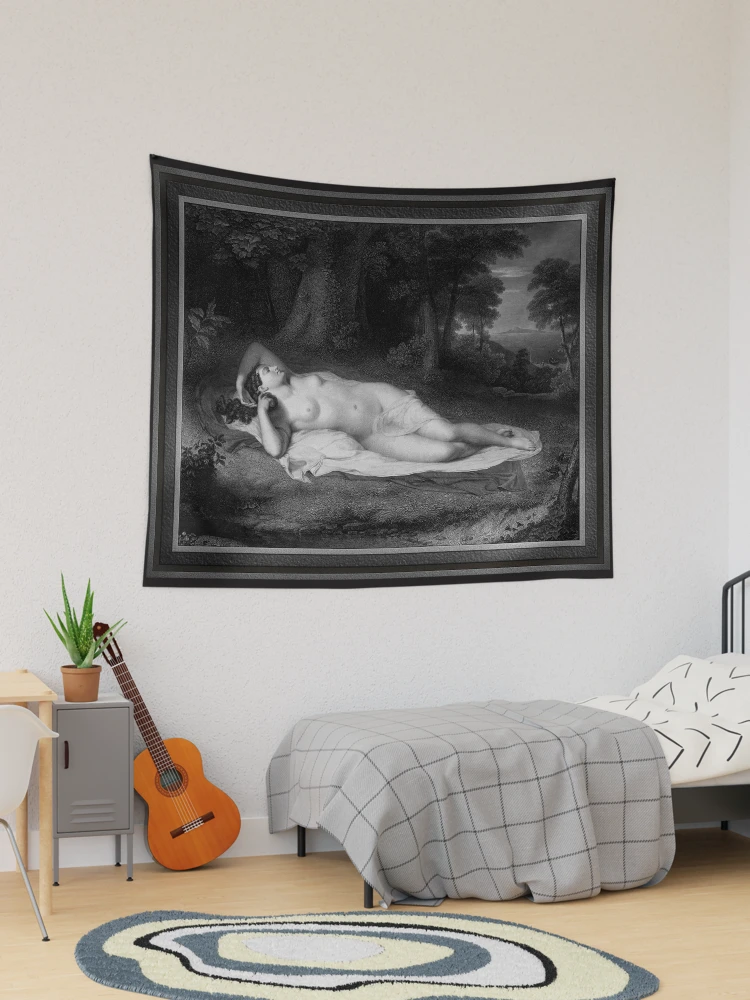
Ariadne Engraving c1835 od American Painter & Rytec Asher Brown Durand (1796 – 1886) byl součástí uměleckého hnutí romantismu a byl absolventem Hudson River School. Asher se soustředil především na krajinomalby.
Přehled
Rytina Ariadne od Ashera je z kopie obrazu, který vytvořil z originálního obrazu Johna Vanderlyna (1776 – 1852). Ariadne je krétská princezna, kterou Théseus krátce miloval (mýtický král a zakladatel-hrdina Athén), který ji opustil na ostrově Naxos.
“Ariadne” je nádherná rytina vytvořená Asherem Brownem Durandem, jeden z předních amerických umělců a rytců 19. století. Toto umělecké dílo, dokončeno cca 1835, je mistrnou interpretací klasických témat v neoklasicistním stylu.
Předmět této rytiny, Ariadne, je postava z řecké mytologie, jehož obraz byl zachycen prostřednictvím Durandovy rytiny s pozoruhodnou citlivostí a hloubkou. Nálada a vyprávění zprostředkované v tomto díle jsou hluboce propletené s tématy opuštěnosti, samota, a touha, představující Ariadnu jako symbol romantické melancholie.
Obsah
Předmět a kompozice
V srdci kompozice leží Ariadne, ústřední postava, která je v antických mýtech často zobrazována jako opuštěný milenec Thésea. Durand ji nechal ležet na zemi, zahalený do měkkého, splývavé látky, které jako by splývaly s přírodním světem kolem ní.
Její držení těla naznačuje pocit uvolnění nebo dokonce rezignace, s jednou rukou položenou za hlavou, zatímco druhá ladně leží na jejím trupu. Její tvář, klidný a přitom vzdálený, dívá se k obzoru, jako by se ztratila v myšlenkách nebo možná očekávala návrat svého milence, téma, které rezonuje s klasickými mýty o ztracené lásce a opuštěnosti.
Zobrazení Ariadny na této rytině vypovídá o Durandově chápání lidské podoby, zejména ve ztvárnění ženského těla. Křivky jejích končetin, jemné skládání látky, a naturalistické kontury její tváře přispívají k nadčasové kráse a zranitelnosti postavy. Durandovo použití stínování a jemných detailů v gravírování zvýrazňuje texturu masa a látky, propůjčování pocitu života obrazu navzdory jeho statické povaze.
Nastavení a prostředí
Pozadí a zasazení rytiny významně přispívá k její tematické váze. Ariadne je umístěna v bujné, idylické přírodní prostředí – pravděpodobně otevřená mýtina nebo odlehlý les. Terén, mírně se svažující a poseté stromy, poskytuje měkký kontrast k tvrdému, cizelované formy postavy.
Pohled do dálky na zvlněné kopce a řeku naznačuje harmonickou integraci lidských a přírodních prvků. Zdá se, že nastavení je na vrcholu dne a noci, jako mlhavé světlo filtruje stromy, jemně osvětluje Ariadninu formu a zároveň vrhá krajinu do měkkého, snová záře.
Umělec dovedně vykresluje stromy a listí se složitými liniemi, vytváří pocit hloubky a rozměru. Vzdálené kopce dodávají kompozici pocit měřítka, další vylepšení naturalistického stylu, ve kterém Durand vynikal. Jemná linie a jemné stínování jsou charakteristické pro gravírovací médium, technika, která vyžaduje trpělivost a přesnost, obojí Durand zkušeně aplikoval, aby krajinu uvedl do harmonické rovnováhy s postavou Ariadny.
Střední: Rytina
Jako rytina, tento kus je proveden s pečlivou pozorností k detailu. Durand, známý pro své dovednosti v tomto médiu, používá ostré, jasné linie a složité šrafování pro dosažení široké škály tónových hodnot. Jemné linie rytiny mu propůjčují jemnou kvalitu, ale použití kontrastu a stínu poskytuje hluboký, téměř trojrozměrný smysl pro objem. Durandova technika je obzvláště zběhlá v zachycení textur, od jemnosti Ariadniny kůže po drsnou kůru stromů, které ji obklopovaly.
Použití rytiny jako média také odráží Durandovo zapojení do tradice klasického umění a jeho touhu produkovat díla, která by mohla být široce šířena., popularizovat taková mytologická témata mezi americkým a evropským publikem. Rytina, jsou přístupnější než originální obrazy, umožnily větší distribuci tohoto obrázku, což z něj dělá nejen umělecký počin, ale také prostředek k prosazování klasických ideálů.
Témata a symbolika
Postava Ariadny na této rytině ztělesňuje témata izolace, opuštění, a plynutí času. V řecké mytologii, Ariadne pomáhá Theseovi uniknout z labyrintu, aby jej později opustil na ostrově Naxos. Tento obrázek ji zachycuje ve chvíli tichého zamyšlení, možná přemýšlí o svém osudu nebo ztracené lásce.
Klidný výraz na její tváři staví vedle emocionálního zmatku, který její mýtus obnáší. Měkké záhyby jejích drapérií a klidné prostředí mohou symbolizovat prchavý okamžik míru před nevyhnutelným smutkem, který přichází z toho, že zůstane sama..
dodatečně, tato témata doplňuje přirozené prostředí díla. Stromy a listí naznačují nadčasovost, neměnný svět, zatímco Ariadnina postava kontrastuje s touto stálostí, naznačující pomíjivost lidského života a emocí. Její přítomnost v takovém prostředí evokuje napětí mezi lidstvem a přírodou, téma, které je hluboce zakořeněno v klasickém umění a literatuře.
Nálada a atmosféra
Nálada “Ariadne” je hluboce melancholický. Durand se rozhodl ztvárnit okamžik Ariadniny samoty po jejím opuštění, a klidný, ale ponurý výraz v její tváři umocňuje tuto emocionální atmosféru. Osvětlení rytiny, svým jemným kontrastem mezi světlem a stínem, naplňuje kus klidem, téměř éterická kvalita. Stromy v pozadí vytvářejí pocit úkrytu, přesto jejich vzdálenost a měkkost jejich obrysů vyvolávají pocit izolace, posílení emocionálního spodního proudu vyprávění.
Zatímco se scéna koupe v klidu přírody, existuje spodní proud smutku, který je hmatatelný. Samota postavy, v kombinaci s toužebným pohledem a vzdálenou krajinou, vytváří atmosféru, která je něžná i tragická. Vypovídá o lidské zkušenosti opuštěnosti a tiché rezignaci, která ji často doprovází.
Závěr
Asher Brown Durand “Ariadne” je skvělým příkladem americké rytiny z 19. století a reprezentace klasických témat neoklasicistní čočkou. Klidné a zároveň dojemné zobrazení Ariadny, zasazen do přirozeného pozadí, vybízí diváka k zamyšlení nad křehkostí lidských emocí, plynutí času, a izolace, která často doprovází lásku a ztrátu. Technické mistrovství a emocionální hloubka tohoto díla, v kombinaci s jemnou souhrou světla a stínu, udělat z něj nadčasové umělecké dílo.
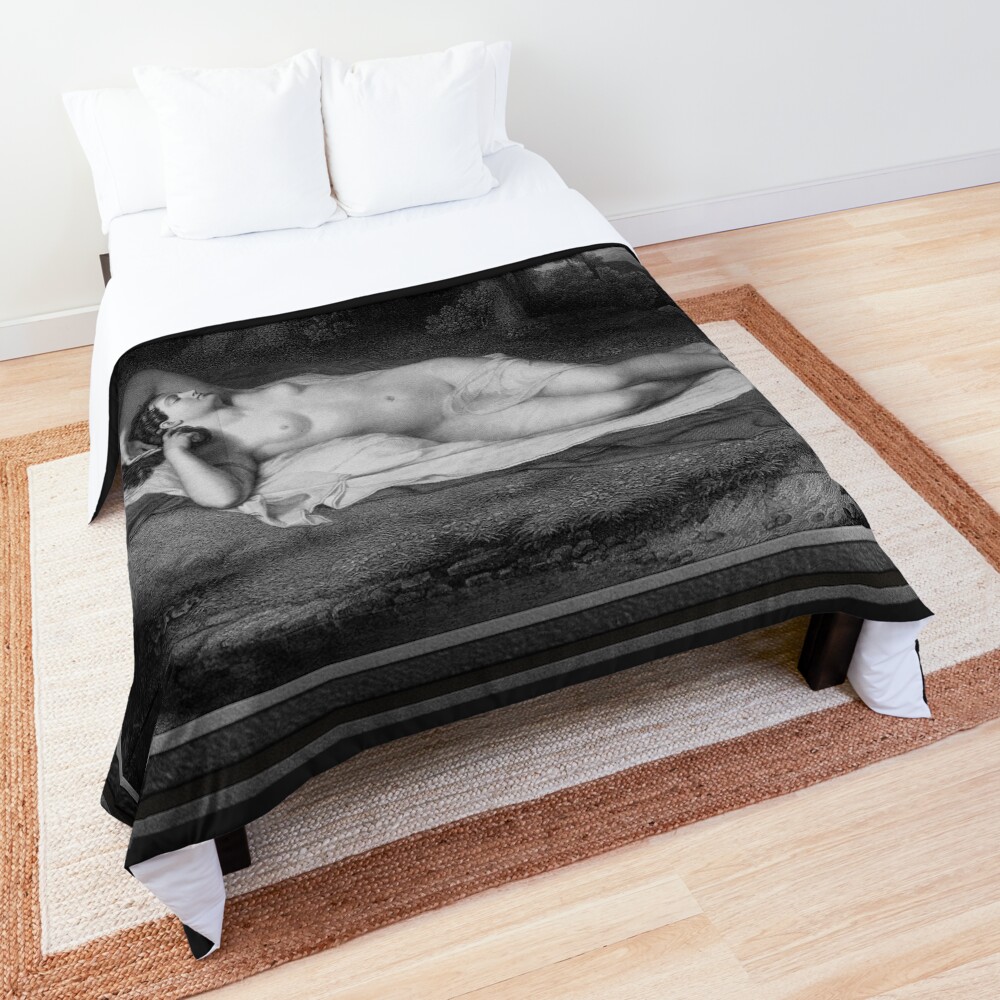
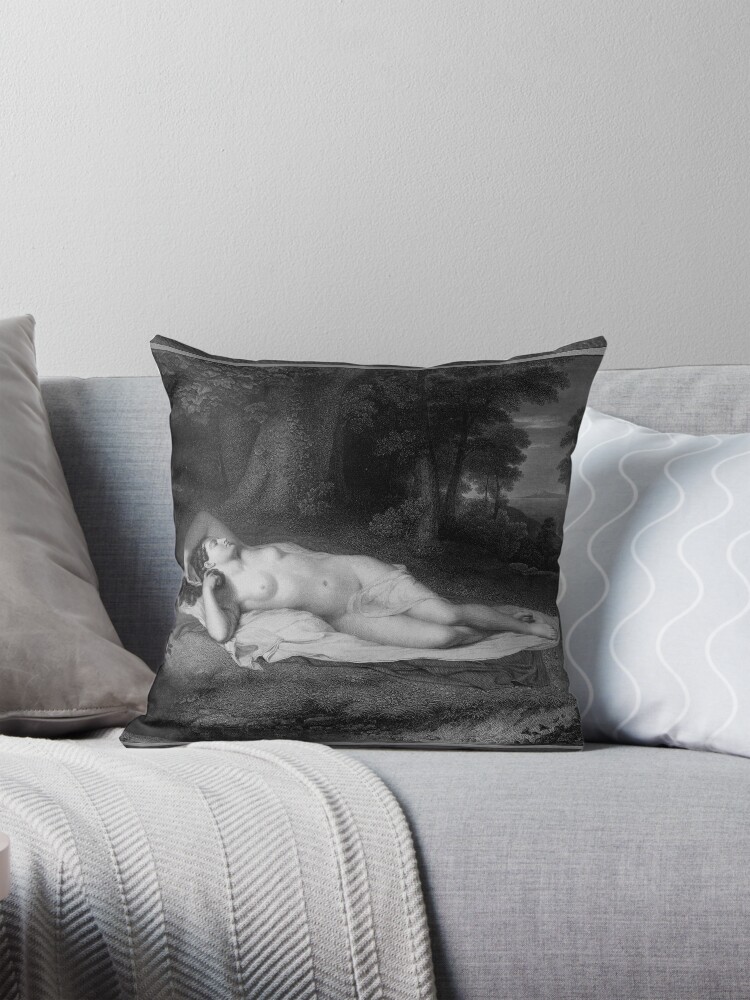
Rytina Ariadny zobrazuje Ariadnu ležící v lese, na balíku oblečení částečně nahá u potůčku s levou paží umístěnou nad hlavou a pravou rukou ji svírající vlasy, které spočívají na zadní části krku.
V pozadí rytiny Ariadne kolem stromů a kopce, na kterém odpočívá, můžeme vidět loď na břehu jezera, a v dálce vidíme něco, co vypadá jako velký ostrov.
Tato rytina Ariadne je retušovanou digitální uměleckou reprodukcí starých mistrů veřejného obrazu.
Info níže z Wikipedia.org
Durand se narodil a nakonec zemřel v Maplewoodu, New Jersey (pak volal Jefferson Village). Byl osmým z jedenácti dětí. Durandův otec byl hodinář a stříbrník.
Durand byl vyučen rytcem od 1812 na 1817 a později vstoupil do partnerství s majitelem společnosti, Charles Cushing Wright (1796–1854), který ho požádal, aby řídil kancelář společnosti v New Yorku.
Během roku vyryl pro Johna Trumbulla Deklaraci nezávislosti 1823, což potvrdilo Durandovu pověst jednoho z nejlepších rytců v zemi.
Durand pomohl zorganizovat New York Drawing Association během 1825, která by se stala Národní akademií designu; od té doby bude organizaci sloužit jako prezident 1845 na 1861.
Asherovy rytiny na bankovkách byly použity jako portréty pro první americké poštovní známky, the 1847 série. Spolu se svým bratrem Cyrusem také vyryl část úspěšných 1851 problémy.
Jeho hlavní zájem se změnil z rytiny na olejomalbu 1830 s povzbuzením svého patrona, Luman Reed. Po dobu 1837, doprovázel svého přítele Thomase Colea na výpravě skicování k jezeru Schroon v pohoří Adirondacks a brzy poté se začal soustředit na krajinomalbu.
Léta strávil skicováním v Catskills, Adirondacks, a Bílé hory v New Hampshire, dělat stovky kreseb a olejových skic, které byly později začleněny do hotových akademických děl, což pomohlo definovat Hudson River School.
Durand je připomínán zejména pro jeho detailní zobrazení stromů, skály, a listí. Byl zastáncem čerpání přímo z přírody s co největším realismem. Napsal Durand, “Nechat [umělec] úzkostlivě přijímat cokoli [Příroda] představuje ho, dokud to neudělá, v míře, stali se intimními s její nekonečností ... nikdy ho nenechej znesvětit její posvátnost úmyslným odklonem od pravdy.”
Stejně jako ostatní umělci Hudson River School, Durand také věřil, že příroda je nevýslovným projevem Boha. Tento cit a své obecné názory na umění vyjádřil ve své eseji “Dopisy o krajinomalbě” v The Crayon, newyorské umělecké periodikum z poloviny 19. století. Napsal Durand, “[T]pravá provincie krajinářského umění je reprezentací Božího díla ve viditelném stvoření ...”
Durand je známý pro jeho 1849 obraz Spřízněné duše, který ukazuje kolegu umělce Hudson River School Thomase Colea a básníka Williama Cullena Bryanta v krajině Catskills Mountains. Toto bylo namalováno jako pocta Coleovi po Coleově smrti během 1848, a jako dárek Bryantovi.