

Cressida
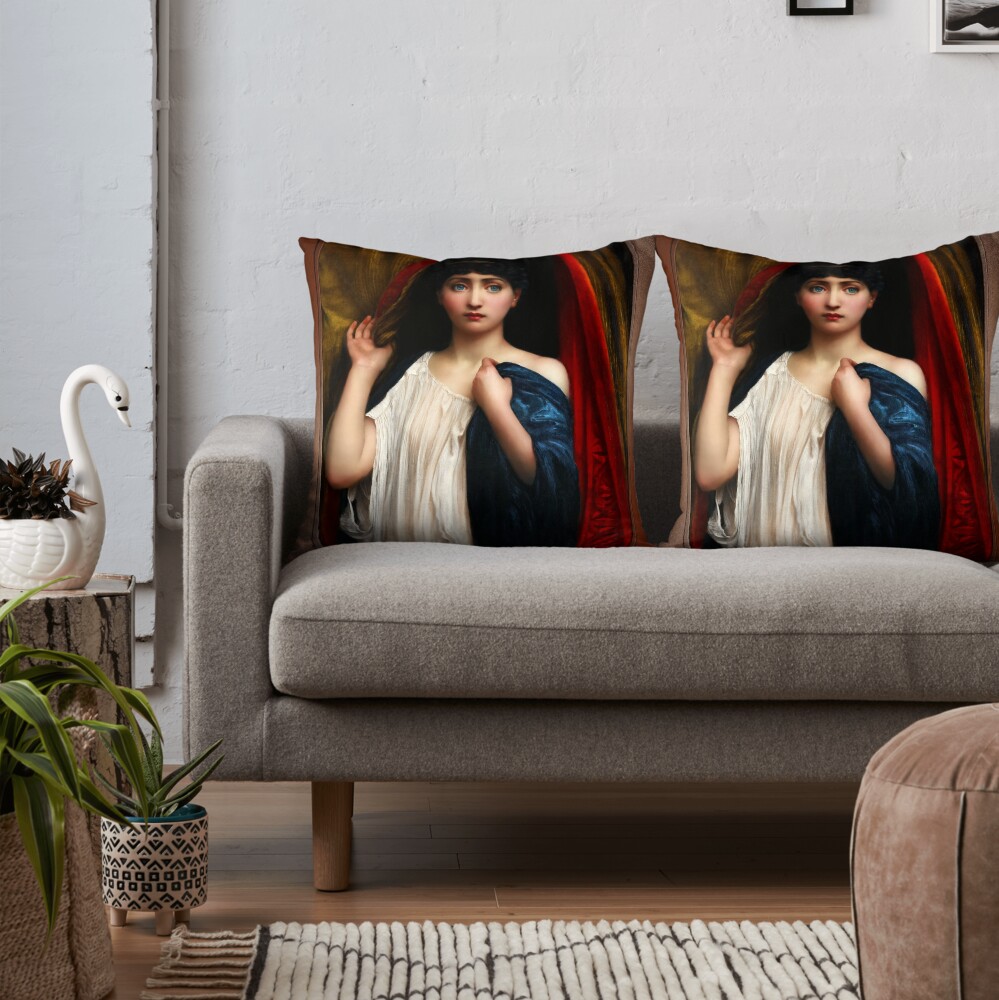
Aféierung an Iwwersiicht Den Portrait Konschtwierker “Cressida” vum britesche Moler Edward John Poynter (1836 – 1919), am 19. Joerhonnert gemoolt, weist d'Expertise vum Kënschtler fir Figuren aus der klassescher Mythologie an dem Shakespeareschen Drama mat de raffinéierten Techniken vun der akademescher Traditioun ze weisen. Dëst Stéck weist d'tragesch Figur vu Cressida aus dem Shakespeare Troilus a Cressida, e Charakter deem seng Schéinheet an emotional Komplexitéit vill Kënschtler faszinéiert hunn. Poynter senger Rendering vun hirem, a mëll Liicht a delikaten Téin gebascht, invitéiert den Zuschauer an e Moment vu roueger Reflexioun ze trëppelen, hir Schwachstelle an emotional Déift erfaasst. D'Molerei, mat Präzisioun an engem bal fotografeschen Detailniveau ausgefouert, zielt op klassesch Themen, Realismus mat Allegorie vermëschen.
Inhaltsverzeechnes
D'Haaptthema: Cressida
Am Kär vun der Kompositioun steet d'Cressida selwer, eng jonk Fra mat déifblo Aen, déi schéngen direkt an d'Séil vum Zuschauer ze kucken, e Gefill vu Melancholie opruffen. Hiren Ausdrock ass nodenklech, bal wuel, Hiweis op hir bannenzeg Onrou an déi konfliktend Emotiounen, déi si am Spill aushält. Cressida steet an engem ausgeglach, graziéis Positioun, hir Figur an engem delikat draped, wäiss Kleedungsstéck, dat un hir Form hänken, suggeréiert souwuel hir Schwachstelle wéi och hir Schéinheet. De Stoff ass suergfälteg gemoolt, all Fal an Textur mat bemierkenswäerte Realismus erfaasst. Iwwer hir Schëller, a räich, déif blo Mantel kaskaden erof, e markant Kontrast zu de blass Téin vun hirem Kleed bäidréit.
Hir riets Hand beréiert sanft de Stoff vun der Mantel bei hirer Schëller, während hir lénks Hand liicht géint e Rido vun déif rout a gëllen Faarftéin läit. Dës Plazéierung vun hiren Hänn schaaft e Gefill vu Komfort, wéi wann si souwuel bequem an awer emotional an engem Moment vu privater Iwwerleeung gefaangen ass. Déi luxuriéis Materialien, Seid a Samt, eng bedeitend Roll spillen fir de visuelle Räichtum vum Bild ze verbesseren, bäidréit Déift an e Gefill vun Opulenz op d'Szen. Dem Kënschtler seng Opmierksamkeet op Stoff an d'Art a Weis wéi et mat der mënschlecher Form interagéiert weist seng Meeschterschaft iwwer Textur a Material op..
Den Hannergrond an Astellung
Den Hannergrond vum Bild besteet aus donkel, drapert Gardinen an déif rout a Gold, déi d'Thema kadreieren. Dës räich, waarm Faarwen verbesseren net nëmmen d'Figur vu Cressida, mee vermëttelen och e Gefill vun Intimitéit an Drama, e Bühneähnlechen Kader ze kreéieren deen d'Themen vum Spill widderhëlt. D'Draperie gëtt op eng Manéier gemaach déi souwuel säi Gewiicht a seng Weichheet betount, bal suggeréiert d'Präsenz vun engem Theaterraum. D'Wiel vun esou liewege Téin hannert der Cressida wierkt als visuell Metapher fir déi passionéiert an dacks tragesch Emotiounen, déi si am ganze Stéck erlieft..
De Kader, obwuel e bëssen ondefinéiert doriwwer eraus der Draperie, dréit zur Gesamtstëmmung vum Bild bäi. Déi schwéier, luxuriéise Stoffer suggeréieren datt Cressida an enger Welt vun Adel a geriichtlecher Intrig existéiert, e Räich vun Opulenz a moralescher Komplexitéit. Dës Kuliss, obwuel einfach, verbessert d'psychologesch Déift vun der Szen, suggeréiert e private Moment vun Introspektioun an enger soss tumultuous Welt.
Tocikuen, Material, an Stil
Dem Poynter seng Approche fir ze molen “Cressida” reflektéiert d'Präzisioun an den Detail typesch vum Akademesche Stil. Seng Technik, dacks duerch héich poléiert Flächen an eng bal fotografesch Opmierksamkeet op Detailer charakteriséiert, ass evident an all Aspekt vum Stéck. Déi virsiichteg Rendering vun Texturen, vum delikate Glanz vum Cressida säi Kleedungsstéck bis zum mëllen, voluminöse Falten vun hirem Mantel, schwätzt dem Kënschtler säin déiwe Verständnis vu Materialien a seng Fäegkeet dës op Leinwand mat bemierkenswäerter Vertrauen ze iwwersetzen.
D'Liicht am Bild ass mëll an diffuséiert, d'Features vum Thema op eng naturalistesch Manéier ënnersträichen. Poynter beschäftegt eng virsiichteg Gläichgewiicht tëscht Liicht a Schied, Erstellt e Gefill vun Dräidimensionalitéit an Déift, déi d'Ae vum Betrachter op d'Gesiicht an d'Haltung vum Thema zitt. D'Benotzung vu Liicht fir dem Cressida seng Gesiichtsmerkmale ze accentuéieren, besonnesch hir Aen, verstäerkt déi emotional Resonanz vum Stéck weider, erlaabt dem Betrachter hir Schwachstelle an d'Gewiicht vun hirem emotionalen Zoustand ze spieren.
A punkto Faarfpalette, Dem Poynter seng Choixe si souwuel sophistikéiert wéi evokativ. Déi cool Téin vum Cressida Kleed an déi contrastéierend waarm Téin vun der Kuliss kreéieren eng visuell Harmonie déi den emotionalen Impakt vum Bild verbessert. D'Benotzung vum Kënschtler vu liewege, saturéiert Faarwen bäidréit en dramateschen Effekt, wärend déi subtile Iwwergäng tëscht Liicht an Däischtert de komplexen Zesummespill vun Emotiounen vermëttelen, déi dem Cressida säi Charakter am Shakespeare sengem Spill definéieren.
Thema a Stëmmung
Dat iwwergräifend Thema vum Bild ass eng vun emotionaler Komplexitéit a Schwachstelle. Poynter's “Cressida” ass net nëmmen e Portrait vun enger Fra an engem opulente Kader; et ass eng Etude vun engem Charakter tëscht Léift gefaangen, Loyalitéit, an Verrot. Cressida seng Aen, breet a gefëllt mat enger bal onschëlleg Trauregkeet, reflektéiert hiren banneschten Konflikt an emotionalen Onrou. Hir Haltung, komponéiert awer delikat, proposéiert eng Fra déi an der Mëtt vun engem private Kampf ass, onsécher vun hirer Plaz an der Welt ronderëm si.
D'Stëmmung vum Bild ass somber a reflektiv, vum waarme ënnersträicht, donkel Téin vum Hannergrond an der mëll, diffusen Liicht datt Cressida envelops. Den emotionalen Gewiicht vun hirem Ausdrock, gekoppelt mat de luxuriéise Materialien vun hirem Kleed, proposéiert eng Spannung tëscht hirer baussenzeger Schéinheet an der bannenzeger Onrou, déi si konfrontéiert. Dës Dualitéit ass am Kär vum Bild, wéi de Poynter net nëmmen déi kierperlech Schéinheet vu sengem Sujet erfaasst, mee och déi emotional Déift déi ënner der Uewerfläch läit.
Conclusioun
“Cressida” vum Edward John Poynter ass eng Meeschterleeschtung vun enger vun Shakespeare senge komplexsten an trageschen weibleche Personnagen. De Kënschtler seng kompetent Notzung vu Faarf, Liicht, an Textur schaaft eng räich visuell Erfahrung déi emotional Déift vum Sujet Spigel. D'Molerei déngt net nëmmen als technesch Leeschtung, mee och als Erfuerschung vum mënschlechen Zoustand, e Moment vun Introspektioun an emotionaler Schwachstelle erfaasst. Duerch dës Aarbecht, Poynter invitéiert den Zuschauer fir sech mat der banneschter Welt vun Cressida ze engagéieren, bitt eng schrecklech Meditatioun iwwer Léift, Verrot, an d'Komplexitéit vum mënschleche Häerz.
Dëst ass eng remastered digital Konscht al Master Reproduktioun vun engem Public Domain Bild dat als verfügbar ass Leinwandprint online.
Kënschtler Bio ofgeleet vun Wikipedia.org
Den Edward gouf zu Paräis gebuer, Frankräich zu briteschen Architekt a Grënner vum Institut vun briteschen Architekten (c1834) Ambrose Poynter (1796 – 1886) an Emma Forster (? – 1848); a kuerz no senger Gebuert sinn seng Elteren zréck a Groussbritannien.
Den Edward ass op de Brighton College an d'Ipswich Schoul gaangen, war awer gezwongen fréi ze verloossen wéinst schlechter Gesondheet; wat him dozou bruecht huet seng Wanteren op Madeira ze verbréngen, Portugal an zu Roum, Italien.
Wéi hien war 17 Joer aal, während hien zu Roum de britesche Moler Frederick Leighton begéint, an déi Versammlung huet e wesentlechen Androck op; sou datt wann hien op London zréckkoum, hien sech op der Leigh's Academy ageschriwwen huet, déi vum James Mathews Leigh gegrënnt gouf (1808 – 1860) a géif schlussendlech der Heatherley School of Fine Art haut ginn; an hie géif och op der Royal Academy Schoulen studéieren.
Vun do aus goung hien op Paräis fir am Atelier vum Schwäizer Klassiker Marc Gabriel Charles Gleyre ze studéieren (1806 – 1874).
Wärend senger Carrière huet den Edward eng Zuel vun offiziellen Posten ofgehalen, déi de Slade Professer um University College London abegraff hunn (1871 – 1875), Direkter vun der National Art Training School (1875 – 1881) an Direkter vun der National Gallery (1894 – 1904); Iwwerwaachung vun der Ouverture vun der Tate Gallery.
Den Edward gouf als Moler vu groussen historesche Biller während senger Carrière bemierkt, mat esou Wierker wéi Israel an Ägypten c1867, gefollegt vum St George fir England c1869, Den Hellege George an den Draach duerstellt a vläicht kulminéiert mam Besuch vun der Kinnigin vu Scheba beim Kinnek Salomo c1884-90.