

Enchantress: A Glimpse into Exotic Beauty by Luis Ricardo Falero
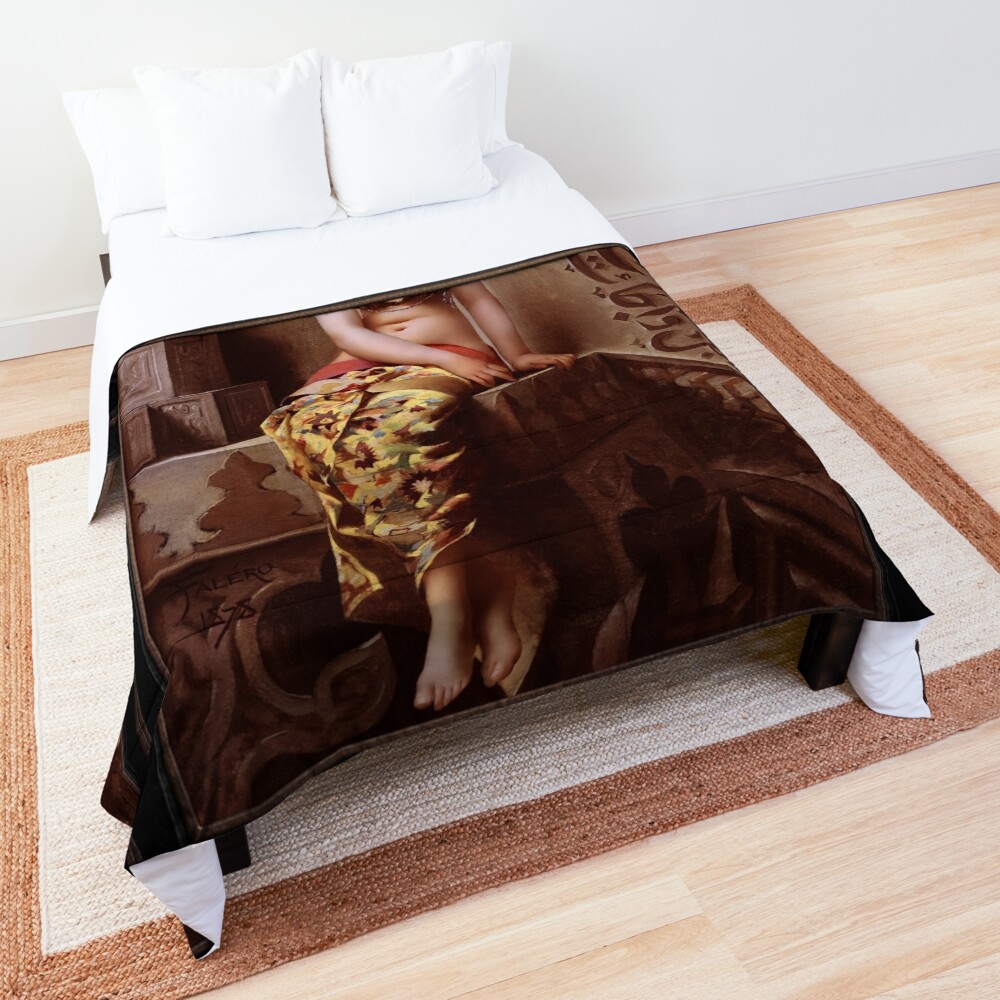
Enchantress by Luis Ricardo Falero (1851-1896) was a Spanish painter known for his depictions of idealized figures within richly detailed, often exotic settings. His work frequently explored themes of beauty, sententzia, and the allure of faraway lands, reflecting the popular Orientalist trends prevalent in 19th-century European art. “Enchantress,” barruan margotuta 1878, exemplifies these characteristics with remarkable clarity and technical skill. The painting presents a captivating scene featuring a young woman seated upon an ornate architectural structure, evoking a sense of mystery and quiet contemplation.
Edukien taula
Konposizio-elementuak & Ezarpena
The composition is carefully structured to draw the viewer’s eye towards the central figure. Falero utilizes a triangular arrangement, with the woman forming the apex and the surrounding architecture providing a stable base. The setting appears to be an interior space, possibly within a palace or temple, suggested by the elaborate carvings and decorative elements that frame the scene on either side. These architectural details are rendered with meticulous precision, showcasing Falero’s mastery of perspective and his ability to create a convincing sense of depth. The background is softly blurred, further emphasizing the figure and isolating her from the surrounding environment. This technique creates an intimate atmosphere, inviting the viewer into the woman’s private world.
Irudia: Pose & Jantzi
The young woman occupies the majority of the canvas space, commanding attention with her graceful pose and captivating gaze. Modu lasaian baina lasaian eserita dago, one leg slightly extended while she rests against the architectural ledge. Her body language suggests a state of quiet introspection or perhaps a wistful longing. The figure’s attire contributes significantly to the painting’s overall aesthetic. She wears a revealing bodice adorned with intricate beading and a flowing shawl draped across her lap and shoulders. The shawl is patterned with vibrant floral motifs in shades of yellow, urrea, and brown, providing a striking contrast against her pale skin tone. The combination of these elements creates an image that is both alluring and refined.
Kolore Paleta & Argiztapena
Falero’s use of color is masterful, employing a warm and muted palette to create a sense of intimacy and tranquility. Earth tones – browns, okreak, and creams – dominate the scene, reflecting the natural materials of the architecture and complementing the woman’s skin tone. The vibrant colors of the shawl provide a focal point, drawing the eye and adding visual interest. Lighting plays a crucial role in shaping the mood of the painting. Bigun bat, diffused light source illuminates the figure from above, casting gentle shadows that accentuate her form and create a sense of depth. This lighting technique also contributes to the overall atmosphere of mystery and enchantment.

Aurpegi Adierazpena & Xehetasunak
The woman’s face is rendered with remarkable detail, capturing a subtle expression of melancholy or perhaps quiet amusement. Her eyes are downcast, introspekzioa proposatuz, while her lips are slightly parted in an enigmatic smile. Falero’s attention to detail extends to the woman’s hair, which is styled in elaborate curls and adorned with delicate jewelry. The rendering of skin tones is particularly noteworthy, demonstrating Falero’s skill in capturing the nuances of human anatomy and conveying a sense of realism.
Eragin artistikoak & Testuingurua
“Enchantress” reflects several artistic trends prevalent during the 19th century. The Orientalist movement, which gained popularity throughout Europe, sought to romanticize cultures from the Middle East and North Africa, often portraying them through an idealized lens. Falero’s painting aligns with this trend by depicting a woman in exotic attire within a richly decorated setting. Horrez gain, the work demonstrates influences from Academic art, characterized by its emphasis on technical skill, realistic representation, eta konposizio klasikoa. The meticulous detail, konposizio orekatua, and refined aesthetic all point to Falero’s training within the traditional academic system.
Signature & Date
The painting is signed “Falero 1878” in elegant script at the bottom left corner, confirming its authorship and date of creation. This signature adds a layer of authenticity and historical significance to the artwork. The presence of the date provides valuable insight into the context within which the painting was created, reflecting the artistic trends and cultural values of the late 19th century.
Artistaren bio eratorria Wikipedia.org
Falero Granadan jaio zen eta jatorriz Espainiako Armadan egin zuen karrera, baina gurasoen etsipenari utzi zion; Parisera bidaiatzea erabaki baitzuen, non artea ikasi zuen, kimika eta ingeniaritza mekanikoa.
Kimika eta ingeniaritza mekanikoko ikasketak egiten ditu; arriskutsuegitzat jo zituen berak egin behar zituen esperimentuak, horrela, arreta pinturan bakarrik zentratzera eraman zuen.
Ondorioz, Gabriel-Joseph-Marie-Augustin Ferrier frantses erretratu-margolari eta orientalistaren ikasle bihurtu zen. (1847 – 1914). Parisen ondoren, Londresera joan zen bizitzera, bertan jarraitu zituen ikasketak, eta azkenean finkatu.
Falerok astronomiarekiko interes berezia zuen eta zeruko konstelazioa sartu zuen bere lan askotan, esaterako “Kometa baten ezkontza” eta “Izar bikiak”. Astronomiarekiko interesak eta ezagutzak Camille Flammarionen lanak ilustratzera ere eraman zuten.
In 1896, bere heriotzaren urtea, Maud Harveyk aitatasunagatik auzitara eraman zuen Falero. Trajeak Falerok Harvey liluratu zuela esaten zuen hura zegoenean 17, lehenik bere etxeko neskame gisa, eta gero bere eredua. Haurdun zegoela jakin zuenean, baztertu egin zuen.
Kasua irabazi zuen eta astean bost txelin ematen zizkioten haien seme-alaben alde. Falero University College ospitalean hil zen, Londres, urterekin 45
Domeinu publikoko irudi baten erreprodukzioa da arte digitaleko maisu zaharren erreprodukzioa ijetzitako inprimaketa linean.