

פרחי אביב – פרחי האביב
מבוא ליצירות האמנות
פרחי אביב (“פרחי האביב”) הוא יצירה מעולה שצוירה ב 1878 מאת האמן הצרפתי הנודע ויליאם-אדולף בוגרו (1825 – 1905). ידוע בשל שליטתו בעיבוד דמויות אנושיות בריאליזם מדהים, של בוגרו “פרחי אביב” מבטא את יכולתו בתיאור פרטים עדינים ומרקמים רכים, לוכדת את טוהר הנעורים ואת התוסס של תקופת האביב. ציור זה הוא דוגמה מושלמת לסגנון החתימה של בוגרו, מציג את יכולתו למזג דיוקנאות עם עולם הטבע, מציע הצצה אינטימית לתמימות הילדות ולעושר הטבע.
תוכן העניינים
הנושא
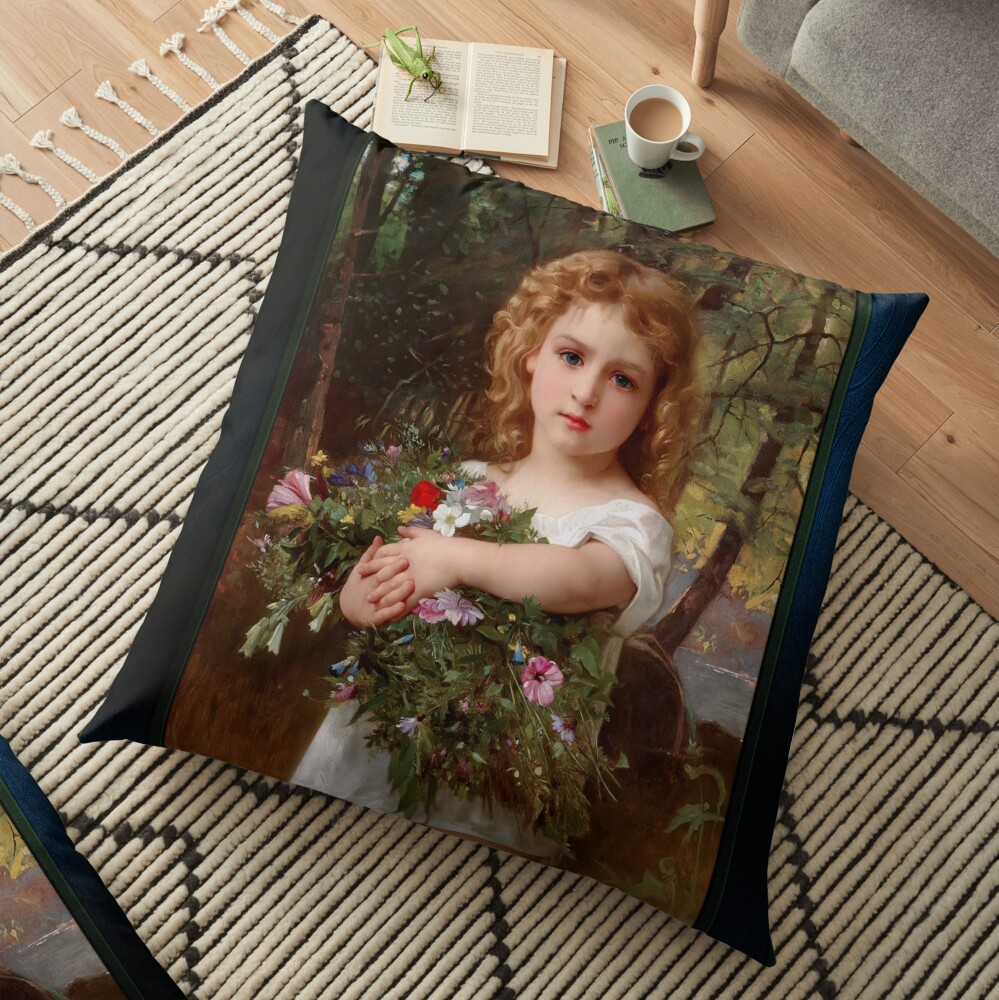
בלב החיבור עומד א בחורה צעירה, מצולם בעדינות כאילו היא התגלמות של האביב עצמו. היא לבושה בשמלה לבנה פשוטה, רגליה היחפות עומדות על הרכות, אדמה ארצית כשהיא מערסלת זר שופע של פרחי בר על חזה. סידור הפרחים שהיא מחזיקה הוא תערובת של צבעים מרהיבים - סגולים עמוקים, ורודים, לְבָנִים, ואדומים, מזכיר את הפריחה הטרייה של העונה. תלתלי הזהב שלה נופלים מטה סביב כתפיה, בניגוד ללובן הטהור של הבגד שלה. הנערה מביטה ברכות בצופה בעדינות, הבעה כמעט ביישנית, תווי פניה מסומנים בתמימות נעורים וטוהר המעוררים תחושה של נוסטלגיה ושלווה.
הצגתה של הילדה משדרת את הנושא הנצחי של תמימות ילדות, אך זהו גם קריצה לסמליות הפרחונית של האביב - זמן של התחדשות, צְמִיחָה, ופוריות. הפרחים הם חלק ממנה כמו שהיא חלק מהם, המצביע על חיבור הרמוני בין האדם לטבע.
ההגדרה
הרקע של “פרחי אביב” משמעותי באותה מידה, כפי שהוא מכין את הבמה לנרטיב של הילדה הצעירה. האמן בחר מיוער, נוף מואר שמש, עם עצים מוסתרים חלקית על ידי ערפל רך של טל בוקר. הרקע האווירי הזה מרמז על סביבה כפרית שלווה, אולי ליד יער או אחו, ומשקף את השלווה השלווה של הטבע. גווני האדמה של העצים שמסביב, עָלִים, והקרקע יוצרים ניגוד לטוהר והבהירות של דמות הילדה. האור מסנן דרך העלווה, הטלת צללים מנומרים על כדור הארץ, מה שמגביר את תחושת היחסים השלווים וההרמוניים בין הדמות לסביבה.
תשומת הלב של בוגרו לפרטים בנוף - כל עלה, כל פרח, וכל עלה דשא - בולט, מעלה עוד יותר את הריאליזם של העבודה. נראה שהסביבה הטבעית ממסגרת את הילדה, מדגישה אותה בעדינות כנקודת המוקד ובמקביל מרמזת על שייכותה לעולם הסובב אותה.
הסגנון והטכניקה
ויליאם-אדולף בוגרו היה אמן בסגנון האקדמי, שהיה נטוע במסורות של ריאליזם ופרטים עדינים. הטכניקה שלו ב “פרחי אביב” מציג את הרך, איכות כמעט אתרית של אור ומרקם שהגדירו את עבודתו. השימוש של בוגרו באור הוא יוצא דופן, עם משחק הגומלין של אור שמש רך על פניה של הילדה והפרחים המדגישים את קווי המתאר של תווי פניה העדינים. עבודת המכחול העדינה יוצרת משטח חלק, כמעט קטיפתי במראה, גורם לעורה של הילדה להיראות זוהר ודומה למציאות.
המודל המדויק של הפנים והידיים מאפיין את גישתו המוקפדת של בוגרו לאנטומיה האנושית. The tender folds of the gown, the gentle curve of the child’s arms, and the weightlessness of her pose all reflect a sophisticated understanding of human form. This technique not only gives a sense of realism but also imbues the figure with a sense of inner life, as though the viewer is encountering a moment of real beauty rather than a mere representation.
The flowers themselves are rendered with an almost botanical accuracy. Bouguereau was particularly adept at painting flora and fauna, and the bouquet in this painting is a testament to his skill in capturing the intricate textures and colors of nature. The flowers appear fresh and vibrant, as if plucked from the ground just moments before.
מצב הרוח והנושא
מצב הרוח של “פרחי אביב” is serene and contemplative, evoking a sense of nostalgia for a simpler, more innocent time. מבטה של הילדה הצעירה, אם כי רך, נושאת עומק של רגש המזמין את הצופה להרהר בנושאים של טוהר, נוֹעַר, וטבעו החולף של הזמן. הרכות של הדמות, הקימור העדין של גופה, וההבעה על פניה מרמזת כולם על תחושת פגיעות, אך גם חוזק מובנה. החיבור לעולם הטבע מעצים עוד יותר את הרגשות הללו, מסמל את היופי החולף של החיים, בדומה לפריחה של פרחים באביב שנועדו לקמול, רק כדי להיות מוחלף בצמיחה חדשה.
הפרחים עצמם ממלאים תפקיד סמלי בציור זה. באופן מסורתי, פרחים מייצגים את מחזור החיים, צְמִיחָה, ומוות, והנה, הם מסמלים את התמימות והחיוניות של הנוער. באביב, פריחת הפרחים משקפת את אנרגיית הנעורים של הילדה עצמה ואת היופי הבלתי מקולקל. הצירוף הזהיר של בוגרו את טוהר הנערה עם פרחי האביב התוססים מרמז על חלוף זמן בלתי נמנע, נושא המהדהד עמוקות באמנות המאה ה-19.
מַסְקָנָה
“פרחי אביב” הוא דוגמה מובהקת לשליטה של ויליאם-אדולף בוגרו בשילוב ריאליזם עם עומק רגשי. יצירות האמנות עוטמות את היופי של עולם הטבע ואת השבריריות של הנעורים, נושאים שהיו משמעותיים מאוד לאמן ולבני דורו. תשומת הלב של בוגרו לפרטים הקטנים, העיבוד העדין שלו לצורת האדם, וההבנה שלו באור וצל יוצרים יחד ציור שהוא לא רק מהמם מבחינה ויזואלית אלא גם עשיר בתהודה רגשית. עבודה זו ממשיכה להוות עדות למורשתו של בוגרו כאחד הציירים הטובים ביותר של המאה ה-19.
על יצירות האמנות
Fleurs De Printemps היא גרסה נוספת של היצירה Little Girl With Flowers של ויליאם בוגרו c1878; עם רקע שלם.
בעוד שהגרסה השנייה של היצירה הזו נחתכה ממש מתחת לברכיים והייתה לה רקע שחור; לגרסה זו יש הגדרות יער.
נאלצתי לשנות את היצירה כיוון שהרקע של הגרסה הזו היה מבולגן כשרוב רקע היער נמחק והחלקים שנראו היו שחורים כמעט לחלוטין.
כדי לתקן זאת, תן ליצירות האמנות מראה חדש ורענן, החלטתי להחליף את הרקע ביצירת הנוף Kahnpartie im Spreewald c1910 מאת הצייר הגרמני אדוארד תיאודור קומפטון (1849 – 1921).
שינוי זה מייצר רקע של עצים וצמחים שמשתלב יפה עם הילדה הצעירה והעשב הגבוה שמאחוריה; ומוסיף מקור אור נוסף ונהר בקצה הימני.
לאחר מכן הלכתי לתקן את החתכים, סדקים, נשירה ולכלוך מהציור; כמו גם מיזוג האדמה שאיבדה צבע ופשוט נראתה רע, כדי שזה ישתלב עם שאר הסצנה.
התוצאה הסופית היא של ילדה יחפה ומקסימה, עם שיער זהוב חום בהיר לבוש בחלוק לבן, עם מבט מלאכי אליה; שעומדת על שביל יער נושאת בזרועותיה וקרובה לגופה, מבחר גדול מאוד של פרחי בר וצמחי בר שאספה במהלך הטיול שלה ביער.
Fleurs De Printemps הוא רפרודוקציה של אמנות דיגיטלית מחודשת של תדמית ברשות הרבים הזמינה בתור קנבס מגולגל, אַקרִילִי, הדפסות מתכת ועץ באינטרנט.
על האמן
מידע למטה נגזר Wikipedia.org
וויליאם-אדולף בוגרו נולד בלה רושל, צָרְפַת, עַל 30 נוֹבֶמבֶּר 1825, למשפחת סוחרי יין ושמן זית. בנם של ההורים הקתוליים תאודור בוגרו ב 1800 ומרי בונין ב -1804, המכונה אדליין.
היה לו אח גדול, אלפרד, ואחות צעירה יותר, מארי (המכונה חנה), שמת בגיל שבע. המשפחה עברה להתגורר בסן-מרטין-דה-רה 1832. אח אחר נולד ב 1834, חתלתול.
בגיל 12, בוגרו הלך למורטיין כדי להתארח אצל דודו יוג'ין, כומר ופיתחה אהבה לטבע, דת וספרות. ב 1839, הוא נשלח ללמוד לכהונה במכללה קתולית בפונס.
במכללה הקתולית לימדו אותו ציור וציור על ידי לואי סייג ', שלמד אצל אנגרס. בוגרו עזב את לימודיו בחוסר רצון כדי לחזור למשפחתו, מתגורר כעת בבורדו. בעוד בבורדו בנובמבר 1841 הוא פגש אמן מקומי, צ'ארלס מריאנו, והמשיך את לימודיו האמנותיים בבית הספר העירוני לציור וציור.
בוגרו עבד גם כעוזר בחנות, צביעת ליטוגרפיות ביד ויצירת ציורים קטנים שהועתקו באמצעות כרומוליטוגרפיה. עד מהרה היה התלמיד הטוב ביותר בכיתה שלו, והחליט להפוך לאמן בפריז. כדי לממן את המהלך, הוא מכר 33 דיוקנאות שמן לא חתומים תוך שלושה חודשים; ועם הכסף שהרוויח, הגיע לפריז בגיל 20 במרץ 1846.
לאחר שהגיע לפריז בוגרו הפך לסטודנט באקול דה בו-ארטס; ולהשלים את הכשרתו הרשמית בציור, הוא השתתף בניתוחים אנטומיים ולמד תלבושות היסטוריות וארכיאולוגיה. ב 1848 הוא יצר שוויון לפני המוות (שוויון לפני המוות), הציור הראשון שלו במג'ור.
מאוחר יותר הוא קיבל תפקיד בסטודיו של פרנסואה-אדוארד פיקו, שם למד ציור בסגנון אקדמי; הפקת דנטה ווירג'יל בגיהנום c1850, המהווה דוגמה מוקדמת ליצירותיו הניאו-קלאסיות.
במהלך חייו נהנה בוגרו מפופולריות רבה בצרפת ובארצות הברית, וזכה להוקרה רשמית רבות, תוך שהוא נהנה מהשכר הגבוה ביותר עבור יצירות האמנות שלו. כצייר הסלון המובהק בדורו, הוא נגח על ידי האוונגרד האימפרסיוניסטי.
לאורך כל חייו, בוגרו הוצא להורג 822 ציורים מוגמרים ידועים, למרות שמקום הימצאותם של רבים עדיין לא ידוע.