

החולם
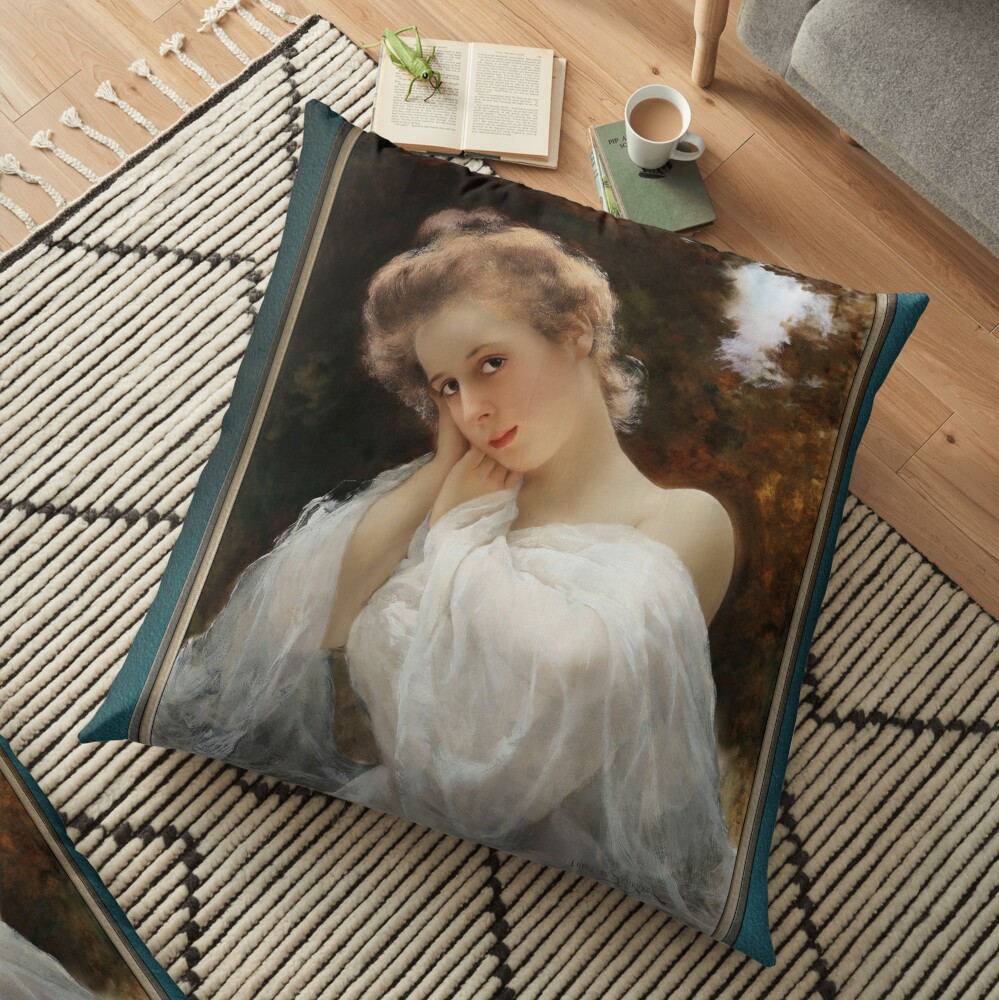
“החולם” הוא ציור שנוצר על ידי האמן הצרפתי לואי מארי דה שריבר, צייר בעל שם מסוף המאה ה-19 ותחילת המאה ה-20. הושלם בסוף שנות ה-1800 או תחילת המאה ה-19, יצירת המופת הזו מדגימה את השליטה המעולה של דה שריבר בלכידת הצורה הנשית, כמו גם העדינות שלו בהעברת רגשות באמצעות פלטות צבעים עדינות ועבודת מכחול. האמן, נוֹלָד בְּ 1862 ועובר פנימה 1942, מתמחה בהצגת נשים יפות עם רכות, תכונות אתריות, לעתים קרובות עטוף במסגרות יוקרתיות. בעבודה הספציפית הזו, דה שריבר משרה מצב רוח רגוע אך אינטימי דרך הצגתה של אישה צעירה, שמביט בעדינות החוצה, עטוף במצב כמעט חלומי.
תוכן העניינים
הנושא: החולם
בלב הקומפוזיציה עומד הנושא של “החולם,” חינני אישה צעירה משדרת תחושה שקטה של הריון. הבעת פניה רכה ומהורהרת, כאילו אבוד ברגע של התבוננות עצמית או חלום. התנוחה שהיא לובשת אלגנטית, עם יד אחת מונחת מהורהרת ליד הלחי שלה, מה שמדגיש את תווי פניה העדינים. המבט, בעודו מכוון מעט הצידה, נראה מרוחק, כמעט כאילו הדמות שקועה במחשבותיה שלה. מבולבלת שלה, שיער רך, עם הגלים העדינים שלו, הוא קל ואוורירי, תורם להילה העדינה של תמימות ונשיות שהאמן בונה בקפידה.
הנבדקת לבושה בבגד לבן נשפך שמתמזג עם הגוונים הרכים המקיפים אותה, כמעט כאילו היא חלק מהנוף הארצי. הבד השקוף נראה כמעט שקוף, לתפוס את האור בדרכים החושפות את מיומנותו של האמן בהצגת טקסטורות ועומק עדינים. בחירות הצבע משפרות את האיכות החלומית של היצירה, שכן הבד הלבן מנוגד לגוונים הכהים יותר של הרקע, שנשאר רך, אבל רחוקים. פשטות הלבוש וההבעה השלווה שלה מפנים את תשומת הלב של הצופה אליה בלבד, יצירת חיבור עוצמתי בין הנושא לקהל.
רקע ושטח
הרקע של הציור עדין אך חלק בלתי נפרד ממצב הרוח הכללי. גוונים כהים של חום ואוכר שוטפים את הפינות העליונות, מסגור את הדמות. ההדרגה של הצבעים יוצרת תחושת עומק, מוביל את עיני הצופה לעבר החולם. נגיעות קטנות של מצית, almost ethereal highlights suggest a vague landscape, perhaps an indistinct garden or natural setting, but the focus remains on the figure rather than the environment. These details evoke an ambiance that feels suspended in time—unfamiliar yet comforting.
The background’s smooth blending of colors reflects the softness and timelessness that de Schryver often infused into his works. There is a sense of quietude in the scene, where natural elements seem to fade into an otherworldly atmosphere. By avoiding distinct terrain or objects, the artist isolates the figure, allowing the dreamer to remain the central focus of the composition, unaffected by any external environment.
חומרים וסגנון
Louis Marie de Schryver’s approach to materials is evident in the texture and fluidity of his work. Known for his mastery in oil painting, de Schryver uses layers of pigment to create a soft and rich appearance, showcasing his meticulous attention to detail. The brushstrokes in “החולם” are smooth and refined, characteristic of the artist’s style that aimed to mimic the elegance and delicate nature of the human form. הרך, almost velvety application of paint adds to the illusion of lightness and airiness that pervades the piece.
The style itself draws upon the academic realism of the late 19th century, but it is imbued with a sense of romanticism. De Schryver does not merely depict a woman but rather presents her as an idealized vision of feminine beauty. This approach is in line with the ideals of the French Salon painting tradition, איפה יופי, חן, and refinement were paramount. עדיין, there is also a subtle abstraction in the work that allows the viewer to project their own interpretations, making the artwork transcend any one specific period or style.
The choice of using predominantly soft tones—beiges, לְבָנִים, and muted golds—against the darkened backdrop creates a gentle contrast that emphasizes the lightness of the figure while maintaining the softness of the scene. De Schryver’s ability to create fluidity between the subject and its surroundings is evident, as the figure and background merge seamlessly, suggesting the dreamlike quality of the painting.
הנושא ומצב הרוח של היצירה
הנושא של “החולם” is one of introspection, נָשִׁיוּת, and delicate beauty. The painting seems to invite the viewer into a moment of calm reverie, where the boundaries between reality and dream blur. הנושא, wrapped in soft, light fabrics, could represent an idealized vision of womanhood or simply the quiet introspection that the artist wished to convey. The air of delicacy and fragility in the composition speaks to the vulnerability of the subject, drawing on themes of youth and purity.
The overall mood of the painting is one of quiet serenity. There is no overt emotion in the subject’s expression, but the subtlety of her demeanor suggests a peaceful contemplation, a calmness that pervades the entire composition. הרך, muted tones—paired with the grace of the figure—imbue the piece with a timeless elegance. The stillness of the woman’s pose contrasts with the flowing movement of the fabric, creating a harmonious tension between the static and the dynamic elements.
The dreamlike quality in this piece suggests the artist’s romantic view of femininity, presenting the woman as both a figure of beauty and an enigmatic presence. This ethereal representation aligns with the ideals of the time, where the ideal woman was often depicted as elusive and unattainable, existing in a world of soft light and undisturbed solitude.
מַסְקָנָה
ב “החולם,” Louis Marie de Schryver has created a poignant and elegant depiction of feminine beauty and tranquility. Through his delicate brushwork and mastery of color, he presents a vision of a young woman enveloped in a moment of quiet reverie. The muted tones, flowing fabric, and gentle composition invite the viewer to reflect on the peaceful and idealized nature of the figure, בעוד שהיעדר כל רקע מובהק מאפשר פרשנות נצחית. הציור הזה, בעודו מושרש במסורות האקדמיות של סוף המאה ה-19, חוצה את תקופתו כדי להפוך לביטוי אוניברסלי של יופי, חן, והתבוננות פנימית.
זהו רפרודוקציה של אמנות דיגיטלית מחודשת של אמן ישן של תמונה ברשות הרבים הזמינה בתור א הדפסת קנבס באינטרנט.
אמן ביו שמקורו Rehs.com
לואי נולד בפריז, צרפת באוקטובר 12, 1862 לעיתונאי מבוסס היטב, ומגיל צעיר מאוד התעניין באמנות והחל ללמד את עצמו איך לצייר.
הוא היה כל כך מוכשר עד שעד גיל 13 הוא הציג יצירות טבע דומם מרגריט וחרצית וסגליות ופרחי אביב ב 1876 סלון פריז.
בשנה שלאחר מכן החל ללמוד אצל צייר טבע דומם וז'אנר הצרפתי פיליפ רוסו (1816 – 1887), וגם הציג ב- 1877 סלון פריז.
ב 1880 בגיל 17 זכה במדליית ארד ביריד העולמי של סידני על הציור שכותרתו לילאס.
במשך שש השנים הבאות הוא המשיך להגיש ציורי טבע דומם כמו גם סצנות ז'אנר ודיוקנאות לסלונים השנתיים; ועל ידי 1886 מיקד את תשומת ליבו לחיי היומיום הפריזאיים, והחל להרוויח עמלות לציור פורטרטים של אנשי החברה הגבוהה של אותה תקופה.
ב 1891 הוא הציג את הציור "סופו של חלום" בסלון פריז, מה שזיכה אותו במדליית ארד; ואז פנימה 1900 הוא הציג את התערוכה Universelle, לזכות במדליית זהב.
בתקופה זו העביר לואי את תשומת לבו מתקופת לה בל אפוק (1871 – 1880 ו 1914 פרוץ מלחמת העולם הראשונה), לזה של ציור פורטרטים וציור תלבושות שהציגו גברים ונשים אלגנטיים מתקופת עברו לבושים בלבוש משי וסאטן.