

春の花 – 春の花
作品紹介
春の花 (“春の花”) で描かれた素晴らしい作品です 1878 有名なフランスの芸術家ウィリアム・アドルフ・ブーグローによる (1825 – 1905). 驚くべき写実性で人物を描写する名手として知られる, ブーグローさん “春の花” 繊細なディテールと柔らかな質感を描写する彼の卓越性を体現しています。, 若さの純粋さと春の活気を捉えます. この絵はブーグローの特徴的なスタイルの完璧な例です。, 肖像画と自然界を融合させる彼の能力を示す, 幼少期の無邪気さと自然の豊かさを親密に垣間見ることができます。.
目次
主題
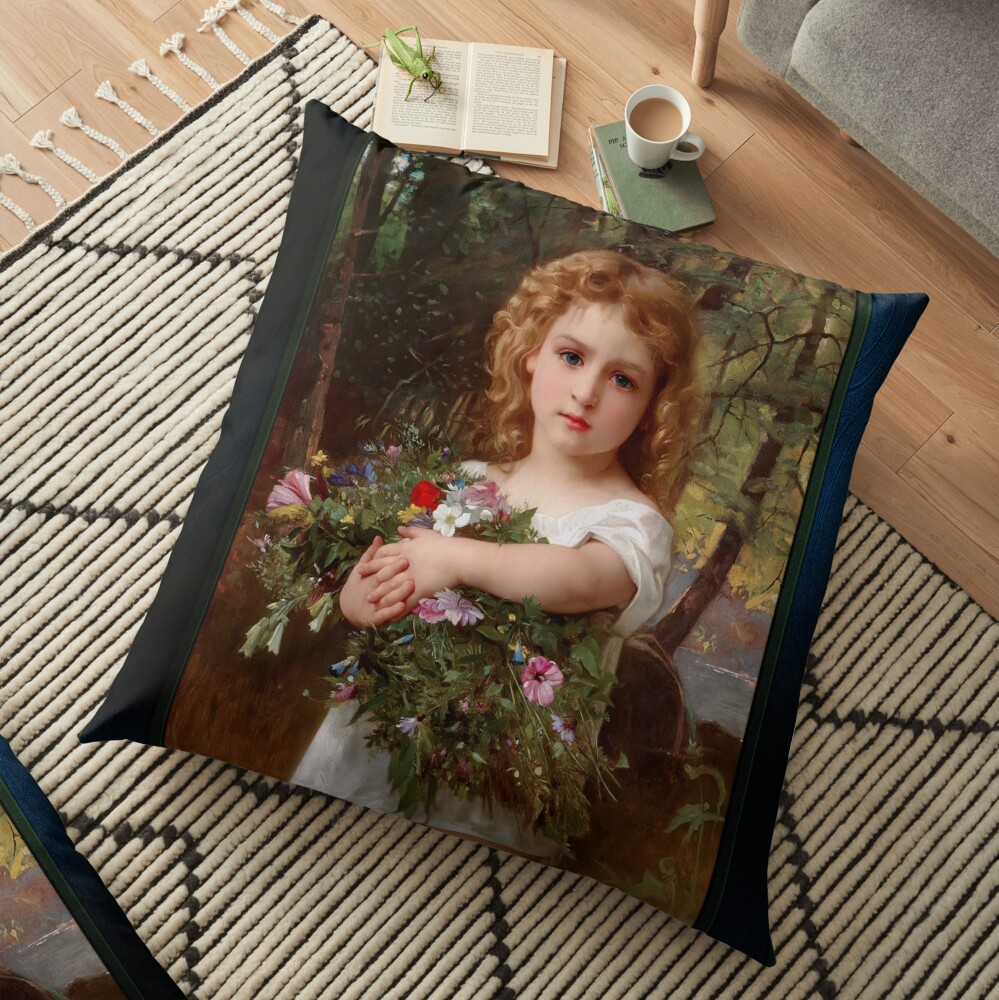
作品の中心となるのは、 若い女の子, まるで春そのものを体現したかのような繊細なポーズ. 彼女はシンプルな白いガウンを着ています, 彼女の裸足は柔らかいものの上に立っています, 土の地面で、彼女は豊富な野の花の花束を胸に抱いている. 彼女が持つフラワーアレンジメントは、鮮やかな色、つまり深い紫を組み合わせたものです。, ピンク, 白人, そして赤, 季節の新鮮な花々を呼び起こす. 彼女の金色のカールが肩のあたりで垂れ下がっている, 彼女の衣服の純白とは対照的だ. 少女は繊細な表情で見る者をそっと見つめる, ほとんど恥ずかしそうな表情, 彼女の顔立ちは、若々しい無邪気さと純粋さが特徴で、懐かしさと静けさを感じさせます。.
少女の描写には、子供時代の無邪気さという時代を超越したテーマがにじみ出ています, しかし、それはまた、再生の時期である春の花の象徴へのうなずきでもあります。, 成長, そして肥沃度. 彼女が花の一部であるのと同じくらい、花も彼女の一部なのです, 人間と自然の調和のとれた関係を示唆する.
設定
の背景 “春の花” 同様に重要です, 少女の物語の舞台となる. アーティストは森を選んだ, 太陽に照らされた風景, 朝露の柔らかな霧で木々が部分的に隠れている. この幻想的な背景は、静かな田舎の環境を示唆しています, おそらく森か草原の近く, 自然の平和な静けさを反映しています. 周囲の木々の素朴な色合い, 紅葉, 少女の姿の純粋さと明るさとのコントラストを生み出す地面と. 木々の木々の間から光が差し込みます, まだらの影を地球に落とす, それは、人物と環境の間の穏やかで調和のとれた関係の感覚を高めます。.
ブグローの風景の細部へのこだわり - 葉の一枚一枚, それぞれの花, そして草の一枚一枚が印象的です, 作品のリアリティをさらに高める. 自然環境が少女を縁取るように見える, 彼女が焦点であることを微妙に強調しながら、彼女が周囲の世界に属していることも示唆しています。.
スタイルとテクニック
ウィリアム・アドルフ・ブーグローはアカデミックなスタイルの達人でした, リアリズムと細部のディテールの伝統に根ざしたもの. 彼のテクニックは、 “春の花” ソフトを紹介します, 彼の作品を定義づけた、ほとんど神聖な光と質感の質. ブーグローの光の使い方は格別です, 少女の顔に差し込む柔らかな日差しと、花々が少女の繊細な顔立ちの輪郭を強調しています。. 繊細な筆使いで滑らかな表面を実現, ほぼビロードのような外観, 女の子の肌を生き生きと輝かせます.
顔と手の正確なモデリングは、人体構造に対するブグローの細心の注意を特徴としています。. ガウンの柔らかなひだ, 子供の腕の緩やかな曲線, 彼女のポーズの無重力状態はすべて、人間の形態に対する洗練された理解を反映しています。. この技法は、現実感を与えるだけでなく、人物に内面の生命感を吹き込みます。, あたかも見る人が単なる表現ではなく、本当の美しさの瞬間に遭遇しているかのように.
花自体はほぼ植物のような正確さでレンダリングされています. ブーグローは特に動植物を描くことに長けていました。, この絵の花束は、自然の複雑な質感と色を捉える彼のスキルの証です。. 花が新鮮で生き生きとしているように見えます, まるで直前に地面から引き抜かれたかのように.
ムードとテーマ
の気分 “春の花” 穏やかで瞑想的である, シンプルなものにノスタルジーを感じさせる, もっと無邪気な時間を. 少女の視線, 柔らかいけれども, 鑑賞者に純粋さのテーマについて深く考えるよう促す、深い感情をもたらします。, 若者, そして時間の儚さ. フィギュアの柔らかさ, 彼女の体の緩やかな曲線, そして彼女の顔の表情はすべて脆弱性の感覚を示唆しています, それでいて本来の強さでもある. 自然界とのつながりがこれらの感情をさらに増幅させます, 人生の儚い美しさを象徴する, 春に咲いて枯れる運命の花のように, 新しい成長に取って代わられるだけ.
花自体がこの絵の中で象徴的な役割を果たしています. 伝統的に, 花は生命のサイクルを表します, 成長, そして死, そしてここに, 彼らは若者の無邪気さと活力を象徴しています. 春に, 花は少女自身の若々しいエネルギーと手つかずの美しさを映し出します。. ブグローは、少女の純粋さと活気に満ちた春の花を注意深く並置することで、避けられない時間の経過を示唆しています。, 19世紀の芸術に深く響くテーマ.
結論
“春の花” リアリズムと感情の深さを融合させるウィリアム・アドルフ・ブーグローの熟練の典型的な例です。. 自然界の美しさと若者の儚さを表現した作品, 芸術家と同時代の人々にとって非常に重要なテーマ. ブグローの細部へのこだわり, 彼の優しい人間の姿の描写, 彼の光と影の理解が組み合わさって、視覚的に素晴らしいだけでなく、感情的な共鳴に富んだ絵画を生み出しました。. この作品は、19 世紀の最も優れた画家の一人としてのブーグローの遺産の証であり続けます。.
作品について
フルール・ド・プランタンは、ウィリアム・ブーグローの作品「花を持つ少女」(1878 年頃)の別バージョンです。; 完全な背景付き.
この作品の他のバージョンは膝のすぐ下がトリミングされ、背景が黒でした; このバージョンにはフォレスト設定があります.
このバージョンでは背景がボロボロで森の背景がほとんど消えてしまい、見えている部分がほぼ真っ黒になってしまったので修正を余儀なくされました。.
これを解決するには、アートワークに新鮮な新しい外観を与える必要があります, 背景をドイツの画家エドワード・セオドア・コンプトンによる風景作品「Kahnpartie im Spreewald (1910年)」に置き換えることにしました。 (1849 – 1921).
この変更により、若い女の子とその後ろの背の高い草とうまく調和する木々や植物の背景が生成されます。; そして追加の光源と川を右端に追加します.
その後、切り傷の修復に取り掛かりました, ひび割れ, 塗装の剥がれや汚れ; ペイントが失われ見た目が悪くなった地面をブレンドするだけでなく, シーンの他の部分と溶け合うように.
最終的な結果は、愛らしい裸足の愛らしい女の子です。, 明るい茶色の金色の髪に白いローブを着た, 彼女に天使のような表情を浮かべて; それは森の小道に立っており、腕に抱えて体を近づけています, 彼女が森への外出中に集めた、非常に多くの野生の花や植物の品揃え.
Fleurs De Printemps は、パブリック ドメインの画像をリマスターしたデジタル アートの古いマスターの複製であり、 ロールキャンバス, アクリル, 金属と木のプリントをオンラインで.
アーティストについて
以下の情報から派生 Wikipedia.org
ウィリアム・アドルフ・ブーグローはラ・ロシェルで生まれました, フランス, オン 30 11月 1825, ワインとオリーブオイルの商人の家族に. カトリックの両親であるテオドールブーグローb1800とマリーボニンb1804の息子, Adelineとして知られています.
彼には兄がいました, アルフレッド, と妹, マリー (ハンナとして知られています), 7歳で亡くなりました. 家族はサンマルタンドレに引っ越しました 1832. 別の兄弟が生まれました 1834, キティ.
歳の時に 12, ブーグローは叔父のユージーンと一緒に滞在するためにモルターニュに行きました, 僧侶と自然への愛情を育んだ, 宗教と文学. に 1839, 彼はポンスのカトリック大学で神権のために勉強するために送られた.
カトリック大学で彼はルイ・セージから絵を描くことを教えられました, アングルの下で勉強した人. ブーグローはしぶしぶ勉強を辞めて家族に戻った, 現在ボルドーに住んでいます. 11月にボルドーにいる間 1841 彼は地元の芸術家に会いました, チャールズ・マリオノー, 市立絵画絵画学校で芸術研究を続けました.
ブーグローは店員も務めた, クロモリトグラフを使用して再現されたリトグラフの手彩色と小さな絵の作成. 彼はすぐに彼のクラスで最高の生徒になりました, そしてパリでアーティストになることを決心しました. 移動に資金を提供するには, 彼が販売しました 33 3ヶ月で署名されていない油の肖像画の肖像画; そして稼いだお金で, の年齢でパリに到着しました 20 3月 1846.
パリに到着した後、ブーグローはエコールデボザールの学生になりました; 絵を描く彼の正式な訓練を補うために, 彼は解剖学的解剖に参加し、歴史的な衣装と考古学を研究しました. に 1848 彼は死の前に平等を作成しました (死ぬ前の平等), 彼の最初のBmajor絵画.
その後、彼はフランソワ・エドゥアール・ピコのスタジオでの地位を獲得しました, 彼はアカデミックスタイルで絵画を学びました; 地獄c1850でダンテとウェルギリウスを生産, これは彼の新古典主義のアートワークの初期の例です.
彼の生涯の間、ブーグローはフランスとアメリカでかなりの人気を博しました。, そして多くの公式の栄誉を与えられました, 彼のアートワークに最高額が支払われるのを楽しみながら. 彼の世代の典型的なサロン画家として, 彼は印象派の前衛派に罵倒されました.
彼の人生の過程を通して, ブーグローが処刑された 822 既知の完成した絵画, 多くの人の所在はまだ不明ですが.