

Flùraichean Beanntan
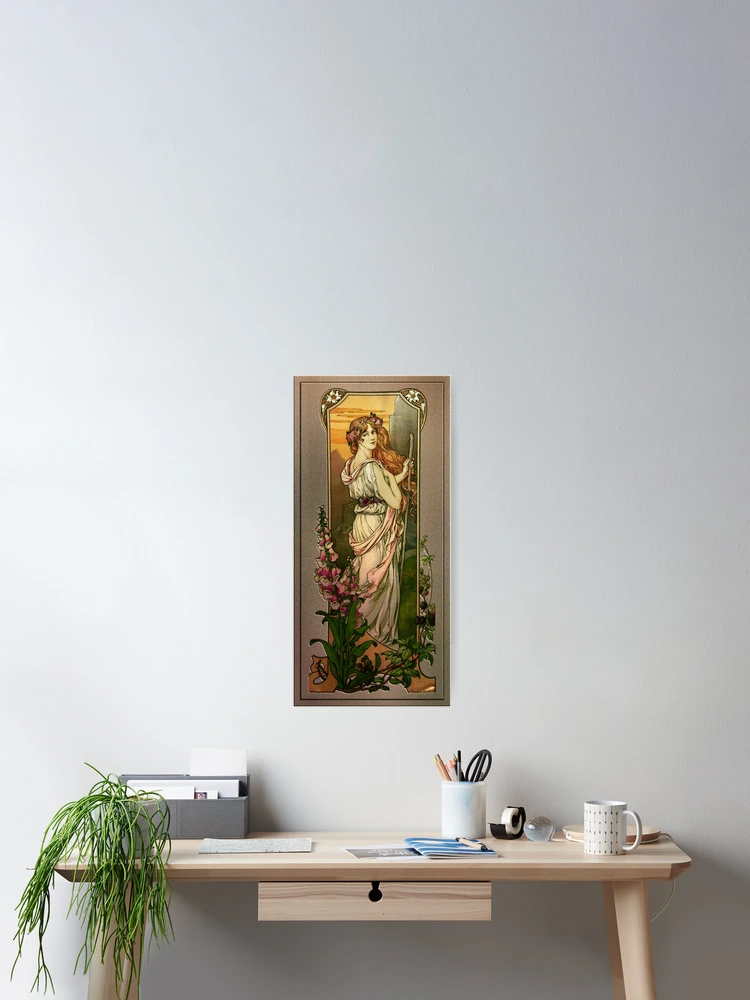
Flùraichean Beanntan c1900 le Peantair Frangach Ealasaid Sonrel (1874 – 1953); agus dealbhaiche de stoidhle Art Nouveau; bha an obair aige a ’toirt a-steach cuspairean allegorical, ana-cainnt agus samhlachas, dealbhan agus cruthan-tìre.
An obair ealain eireachdail seo, Tha Sonrel a’ tarraing air tarraing an dà chuid miotas-eòlas agus nàdar, a 'toirt còmhla an dà eileamaid le cothromachadh fìnealta de bhòidhchead, gràs, agus aonaranachd introspective.
Clàr-innse
Prìomh chuspair
Is e am figear sa mheadhan san dealbh seo figear boireann de bhòidhchead ethereal, a tha na sheasamh àrd agus na sheasamh an aghaidh cùl-raon de bheanntan àrda agus bog, speur blàth. Tha am figear na boireannach òg, air a sgeadachadh ann an gùn geal a’ sruthadh a-mach gu socair anns a’ ghaoith, an t-aodach air a thoirt seachad le filleadh bog a chuireas inneach agus doimhneachd ris. An gùn, air a sgeadachadh aig a’ mheadhan le crios sìmplidh ach eireachdail, a’ cur ri fileantachd a cruth, a’ cur cuideam air a’ cho-sheirm eadar am figear agus nàdar.
A falt, cascade de ghlasan auburn beairteach, a' tuiteam gu fuasgailte thar a gualainn, a’ toirt air adhart càileachd gun ùine a bòidhchead. Tha blàth-fhleasg de fhlùraichean na laighe air a ceann, a’ cruthachadh coronet fìnealta a bheir faireachdainn de fhiadh-bheatha gu a boireannachd. Tha na flùraichean anns a 'bhlàth-fhleasg beag agus beòthail, a’ moladh ceangal ris an t-saoghal nàdarrach, mar gum biodh am boireannach na ìomhaigh den fhlùraichean timcheall oirre. Tha an crùn blàthan seo ag àrdachadh a ethereal, làthaireachd cha mhòr dhiadhaidh.
Na làimh dheis, tha i a cumail fada, luchd-obrach caol, a dh’ fhaodadh a bhith air a mhìneachadh mar shamhla air gliocas no stiùireadh. Tha an luchd-obrach sìmplidh ach le urram, ag obair mar chuimhneachan seòlta air ùghdarras a’ bhoireannaich agus an ceangal ris an talamh mun cuairt. Tha an greim socair agus an suidheachadh socair a’ nochdadh gu bheil am figear aig fois san àrainneachd aice, a’ togail misneachd chiùin na dreuchd.
Rudan agus mion-fhiosrachadh
Ri taobh a’ bhoireannaich air gach taobh tha dà eileamaid fhlùraichean follaiseach, tè de fhlùraichean mias-ruadh (Didseatach) air an taobh chlì agus taghadh beairteach de fhìon-dhearcan dubha agus duilleagan air an làimh dheis. Bidh na lusan sin a 'frithealadh am figear sa mheadhan, a’ tarraing sùil an neach-coimhead a dh’ionnsaigh fhad ‘s a tha e ag àrdachadh na h-aithris mu ghlacadh nàdur. Na sionnaich, leis na stìoballan àrda aca de fhlùraichean cumadh clag, tha iad beothail agus a’ ruighinn a dh’ionnsaigh na speuran, a 'cruthachadh eadar-dhealachadh lèirsinneach ri bunait boireannaich, suidheachadh fon talamh. Na fìon-dhearcan dubha, làn de dhuilleagan uaine lus agus dorcha, ag abachadh dearcan, a 'tairgse mothachadh air fiadhaich agus torachas, a’ daingneachadh cuspair ceangal nàdarra a’ bhoireannaich ris an tìr.
Na beanntan air a chùlaibh, ged nach eil iad làmh an uachdair anns an dealbh aca, toirt seachad mothachadh air sgèile agus doimhneachd. Bidh iad ag èirigh gu maiseach fad air falbh, na stùcan aca gu ìre air am falach le ceò, a’ toirt dhaibh càileachd dìomhair agus gun ùine. Tha an speur gu h-àrd air a dhùsgadh le blàth, tònaichean òir, le molaidhean de phinc bog agus orains, a' moladh aon chuid feasgar no feasgar, amannan gluasaid agus introspection. Tha an taghadh seo de dhhathan a’ toirt a-steach an obair le faireachdainn de shàmhchair agus cnuasachadh sàmhach.
Cruth-tìre agus Stuthan
Tha an talamh garbh agus neo-thorrach, ach tha e a 'cur ri bogachd ìomhaigh na boireannaich. Is e àite a th’ ann far am bi beatha a’ soirbheachadh a dh’aindeoin cho cruaidh ‘s a tha e, mar a chithear anns na lusan mun cuairt. Tha na dathan a thathar a’ cleachdadh airson na talmhainn agus na flùraichean domhainn agus nàdarra, a’ moladh gun robh Sonrel air a bhrosnachadh le cruthan-tìre garbh dùthaich na Frainge no is dòcha cruthan-tìre miotasach na seann Ghrèig. Tha aire chùramach an neach-ealain gu mion-fhiosrachadh anns na lusan agus na beanntan a’ sealltainn a tuigse dhomhainn air nàdar agus cruth an duine, gan measgachadh gu tur sa phìos seo.
Stoidhle agus cuspair
Tha stoidhle an obair-ealain seo freumhaichte gu domhainn ann an gluasad Art Nouveau, a bha soirbheachail aig deireadh an 19mh agus toiseach an 20mh linn. Air a chomharrachadh le cuideam air cruthan organach, loidhnichean sruthadh, agus amalachadh co-chòrdail de nàdar agus figearan daonna, tha stoidhle Art Nouveau air a nochdadh an seo tro cho grinn sa tha suidheachadh a’ bhoireannaich agus am mion-fhiosrachadh flùrach mun cuairt oirre. Cleachdadh bog aig Sonrel, bidh dathan measgachadh agus loidhnichean sruthadh a’ toirt buaidh air a’ phìos le càileachd bruadar, a’ toirt cuireadh don neach-coimhead gu saoghal far a bheil nàdar agus daonnachd a’ fuireach ann an cothromachadh foirfe.
Gu cuspaireil, Blàthan nam Beann a’ sgrùdadh a’ cheangail eadar figear an duine agus an saoghal nàdarra. Tha am boireannach anns an dealbh chan e a-mhàin figear de bhòidhchead ach cuideachd samhla de nàdar fhèin. A làthaireachd am measg nam flùraichean, a blàth-fhleasg, agus tha an ceangal ris na beanntan uile a’ nochdadh ceangal nas doimhne eadar daonnachd agus an talamh, 's dòcha a' tarraing bho sheann bheul-aithris far an robh boireannaich tric a' riochdachadh na talmhainn, torachas, no spionnadh nàdair. Cleachdadh flùraichean, gu h-àraidh an fheadhainn a tha co-cheangailte ri slànachadh agus fàs mar mias an t-sionnaich, a’ moladh nach e a-mhàin gu bheil am figear fulangach san àrainneachd aice ach gu bheil i na com-pàirtiche gnìomhach ann am feachd beatha nàdair.
Mood agus faireachdainn
Tha faireachdainn an deilbh mar aon de mhothachadh socair. Chan eil cabhag sam bith ann an suidheachadh an fhigear, gun èiginn 'na sùil, a tha air a stiùireadh chun an taobh, mar gu'm biodh i air a call ann an smuain, no ann an co-chomunn sàmhach ris an t-saoghal nàdurra mu'n cuairt. Am paileas dath, le a pincan bog, purpalan, agus uaine, a’ cur tuilleadh ris an àile shàmhach. Na beanntan, fhad 's a tha e an làthair, tha iad fad air falbh agus neo-fhaicsinneach, a' cur tuilleadh ris a' mhothachadh air aonaranachd agus sìth. Tha am pìos gu lèir a’ toirt cuireadh don neach-coimhead stad agus meòrachadh, a’ tabhann mionaid de shàmhchair ann am meadhan saoghal trang.
Co-dhùnadh
Ann an Blàthan nam Beann, Tha Elisabeth Sonrel air chan e a-mhàin dealbh de bhoireannach a chruthachadh ach comharrachadh air bòidhchead nàdair agus an ceangal shìorraidh a th’ aige ri spiorad an duine. Measgachadh an fhigear leis na flùraichean, an t-uasal, loidhnichean sruthadh na cruth, agus tha an sealladh-tìre ciùin uile a’ toirt seachad teachdaireachd co-sheirm, suaimhneas, agus urram don t-saoghal nàdarra. Leis an cleachdadh fìnealta aice de dhath, Solas, agus co-sgrìobhadh, Tha Sonrel air obair a dhèanamh a tha a’ seasamh mar fhaileas gun ùine air bòidhchead nàdair agus an ceangal a th’ aig anam an duine ris..
Tha Flowers Of Mountains na ath-riochdachadh seann mhaighstirean ealain dhidseatach de ìomhaigh raon poblach.
Fiosrachadh gu h-ìosal le cead Wikipedia.org
Ealasaid Sonrel (1874 Tursan - 1953 Ròin) na pheantair agus dealbhadair Frangach ann an stoidhle Art Nouveau. Am measg na rinn i bha cuspairean allegorical, ana-cainnt agus samhlachas, dealbhan agus cruthan-tìre.
Bha i na nighean aig Nicolas Stéphane Sonrel, peantair bho Tours, agus fhuair i an trèanadh tràth bhuaithe. Airson tuilleadh ionnsachaidh chaidh i air adhart gu Paris mar oileanach aig Jules Lefebvre aig an Ecole des Beaux-Arts.
Ann an 1892 pheant i an obair dioplòma aice, ‘Pax et Làbarach’, obair ri fhaicinn aig na Musée des Beaux-Arts de Tours. Bhon uairsin bha i a ’taisbeanadh aig an Salon des Artistes Français eadar 1893 agus 1941, na pìosan ainm-sgrìobhte aice le dathan uisge mòr ann an dòigh Ro-Raphaelite, a ghabh i ris às deidh turas gu Florence agus an Ròimh, faighinn a-mach peantairean an Ath-bheothachadh – cuid den obair aice le overtones soilleir de Botticelli. Bha na dealbhan aice gu tric air am brosnachadh le romansa Artair, Comadaidh Diadhaidh Dante Alighieri’ agus 'Am Beatha Ùr', cuspairean a ’Bhìobaill, agus uirsgeulan meadhan-aoiseil. Am measg nan obraichean dìomhair aice tha ‘Ames errantes’ (Salon de 1894) agus ‘spioradan an Abyss’ (Salon de 1899) agus "Boireannach òg leis a’ ghrèis-bhrat ".
Aig an Exposition Universelle de 1900, b ’e Art Nouveau am prìomh chuspair, rithe 1895 a ’peantadh‘ Cadal na Maighdinn’ (Cadal na Maighdinn), fhuair e bonn umha, agus duais Henri Lehmann de 3000 francs le Acadamaidh nan Ealan Fine.[3] Bho 1900 air adhart chuir i an dealbh aice ri dealbhan, seallaidhean-tìre breagha sa Bhreatainn Bhig, agus corra sgrùdadh fhlùraichean.
Bhiodh i a ’dèanamh tursan peantaidh cunbhalach don Bhreatainn Bhig, air a bhrosnachadh le coille Brocéliande, agus bho 1910 gu diofar àiteachan air an oirthir leithid Concarneau, Plougastel, Pont-l'Abbé agus Loctudy, glè thric a ’fuireach aig taighean-seinnse agus còmhla ri oileanach no dhà. Pheant i grunn obraichean ann an Le Faouët mus do thog i baile ann an La Baule anns na 1930an. Ag obair mar as trice ann an dathan uisge agus gouache, fhuair i a-mach solar deiseil de mhodalan am measg nigheanan òga san sgìre, agus fhuair iad Bretons càirdeil san fharsaingeachd, onarach agus fèin-mhisneachail.
Bha an taisbeanadh mu dheireadh aice aig an Salon a-staigh 1941 aig aois 67. Tha clàr ann cuideachd gun do rinn i taisbeanadh ann an Liverpool. Nuair a bha i òg, rinn Sonrel postairean, cairtean-puist agus dealbhan, ann an stoidhle Art Nouveau.