

カースト・スザンナ
カースト・スザンナ: 古典美と古代の研究
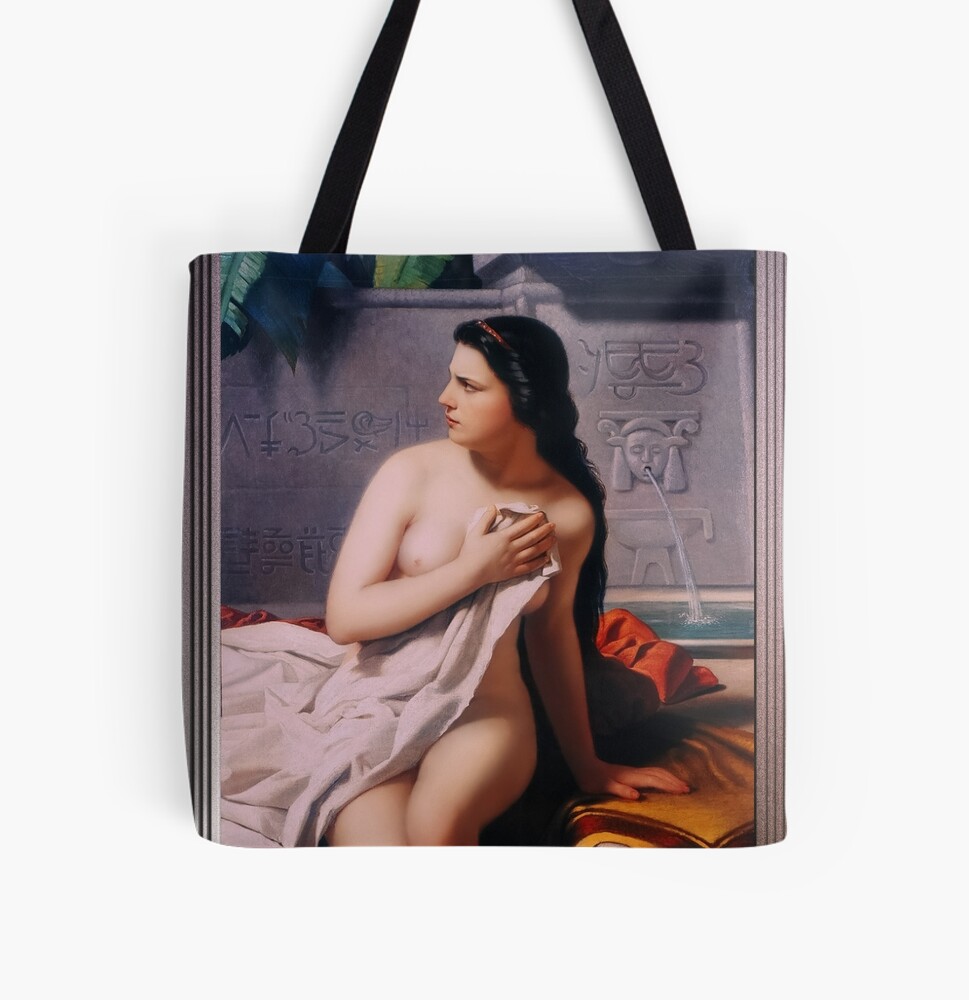
フアン・マヌエル・ブラネス カースト・スザンナ (スザンナ・カースト), 周りに描かれています 1862, 古典的なテーマに対するアーティストの魅力と、刺激的な環境の中で人間の姿を描くスキルを体現する魅惑的な作品です。. ペインティング, 19世紀半ばに流行した学術スタイルの特徴, 古代の雰囲気が漂う風景を表現します, 神話の要素と理想化された美をブレンドして、魅力的な視覚的な物語を作成します。. ブラネス, ウルグアイ生まれ 1830 そして亡くなります 1901, 歴史的な絵画や肖像画で知られていた, ロマンチックな感性が注入されることが多い. カースト・スザンナ 彼の最も有名な作品の一つである, 技術的な熟達と当時の美的理想への理解の両方を証明する.
目次
構成要素 & 物語の文脈
The composition is carefully structured to draw the viewer’s eye towards the central figure of Susanna (Which depicts a scene from the book of Daniel in which Susanna is falsely accused of promiscuity (死刑に値する犯罪), 二人で 欲情 彼女が入浴しているのを見ていた長老たちは、彼女を脅迫して彼らとセックスしようとした。). She occupies the foreground, positioned slightly off-center within a shallow space that suggests a classical bath or grotto. The background features architectural elements – a stone wall adorned with hieroglyphs and a fountain – which contribute significantly to the painting’s overall atmosphere of ancient grandeur.
These details are not merely decorative; they actively establish a sense of place, transporting the viewer to a realm reminiscent of Roman or Egyptian antiquity. The arrangement is balanced by the drapery cascading from her hand and the vibrant orange cloth draped over a nearby ledge, creating visual counterpoints that prevent the composition from feeling static.
The Figure of Susanna: 美しさ & Poise
Susanna herself is rendered with remarkable anatomical accuracy and an idealized beauty characteristic of academic painting. Her pose is graceful yet natural; she appears to have just emerged from the water, her skin glistening slightly in the light. A large white cloth partially conceals her form, draped artfully across her chest and lower body, leaving much to the imagination while maintaining a sense of modesty within the context of the era’s artistic conventions.
Her dark hair cascades down her shoulders, contrasting with the pale tones of her skin. Her gaze is directed slightly away from the viewer, suggesting introspection or perhaps a moment of quiet contemplation. The subtle curve of her lips hints at a gentle smile, adding to the overall impression of serenity and grace.
ライト & カラーパレット: Evoking Atmosphere

Blanes masterfully employs light and color to create a palpable atmosphere within the painting. ソフト, diffused light illuminates Susanna from an unseen source, highlighting the contours of her body and creating subtle gradations in tone. The palette is dominated by muted earth tones – creams, 茶色, and grays – which evoke the feeling of stone and water. The splashes of color, the vibrant orange cloth and the verdant green foliage visible behind the wall, provide visual interest and prevent the scene from becoming monotonous. The interplay of light and shadow enhances the three-dimensionality of the figure and the architectural elements, contributing to a sense of realism despite the painting’s idealized subject matter.
Architectural Details & Symbolic Significance
The background architecture is integral to the painting’s meaning. The stone wall covered in hieroglyphs immediately evokes ancient Egypt, suggesting a connection between Susanna and the mysteries of antiquity. 噴水, with its gentle cascade of water, symbolizes purity and renewal, themes often associated with bathing rituals in classical cultures. These architectural details are not merely decorative; they serve to contextualize Susanna within a broader narrative of history and mythology. The inclusion of these elements elevates the painting beyond a simple portrait, transforming it into a meditation on beauty, 時間, and the enduring allure of the past.
芸術的な影響 & 遺産
カースト・スザンナ reflects the influence of Neoclassicism and Romanticism, two dominant artistic movements of the 19th century. The emphasis on classical forms and idealized beauty aligns with Neoclassical principles, while the evocative atmosphere and emotional depth resonate with Romantic sensibilities. Blanes’ work demonstrates a clear understanding of academic painting techniques, including meticulous anatomical study, skillful rendering of light and shadow, and careful attention to compositional balance. The painting remains an important example of Uruguayan art history, 19 世紀半ばのヨーロッパの芸術動向とこの国の関わりを紹介. その技術的な輝きと、時代を超越した環境の中での古典的な美しさの刺激的な描写で賞賛され続けています。.
Artist Bio Juan Manyel Blanes
フアン・マヌエル・ブラネスは、19世紀のウルグアイにおける芸術の発展における著名な人物でした。. 彼はヨーロッパに留学した, そこで彼は当時の偉大なヨーロッパの画家のスタイルと技術に触れました。. 彼は歴史上の出来事や人物を詳細かつリアルに描写することで知られています。, 多くの場合、軍事的および政治的テーマに重点が置かれています.
彼は肖像画も描いた, 風景や日常生活の風景. 彼は歴史的テーマを描いた最初の偉大なウルグアイの画家とみなされています, 彼の絵画はこの国の歴史の視覚的な年代記とみなされています. 彼の最も有名な作品には次のものがあります。 “セロ・コラの戦い,” “マヌエル・オリベの降伏,” そして “1830 年憲法の宣誓。”
これは、パブリック ドメインの画像を修正したデジタル アートの古いマスターの複製であり、画像としてオンラインで販売されています。 ロールドキャンバスプリント.