

Baintighearna Orr-Leòdhas, née Maude Helen Mary Booth c1917
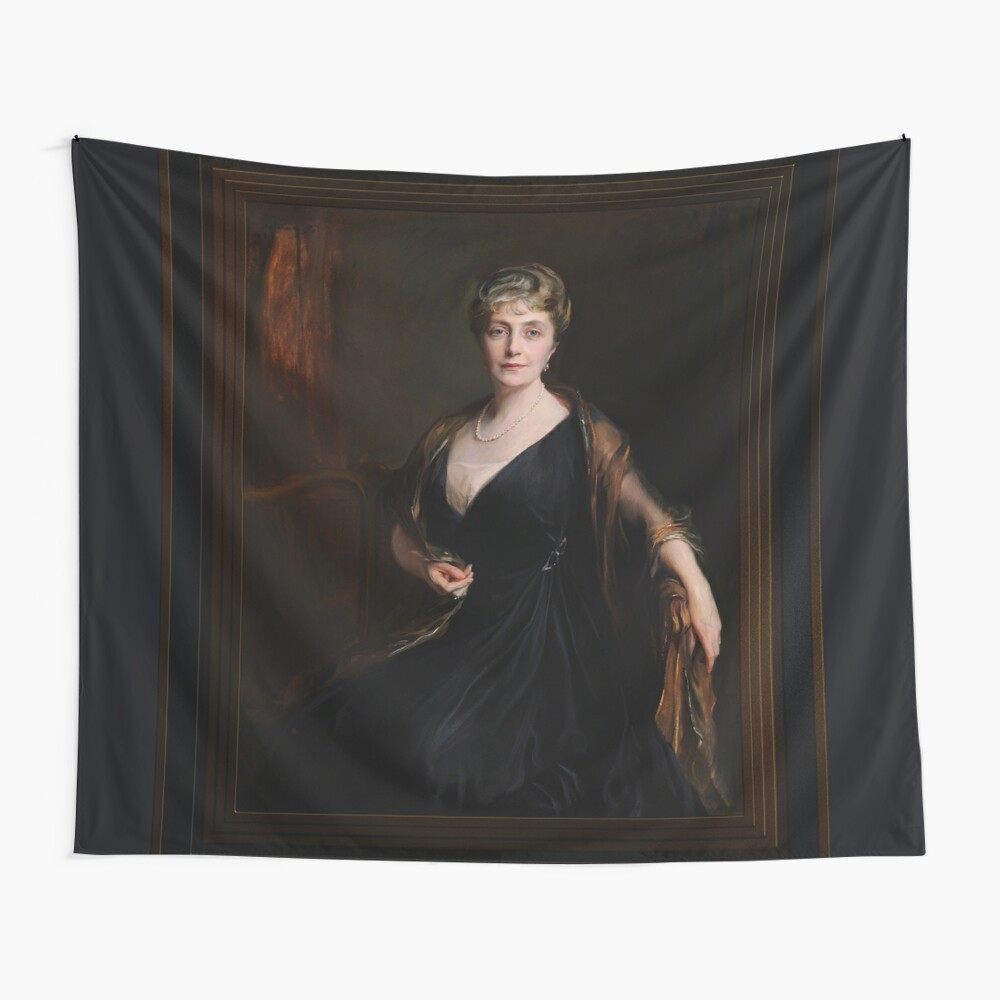
An dealbh leis an tiotal “Baintighearna Orr-Leòdhas, née Maude Helen Mary Booth (1869 – 1937) c1917,” le peantair Ungaireach Philip Alexius de Lázló (1869 – 1937), a’ glacadh eireachdas urramach uaislean à Canada bho thràth san 20mh linn. An dealbh seo, air a chruthachadh timcheall 1917, a’ nochdadh àile de ùrachadh agus de neart, a’ taisbeanadh suidheachadh an neach-suidhe agus dòigh-obrach sàr-mhath an neach-ealain.
Cuspair an deilbh, Maude Helen Mary Booth, air a nochdadh ann am mionaid de mhothachadh sàmhach, tha an abairt aice an dà chuid socair agus diongmhalta. Tha aire mhionaideach an neach-ealain gu mion-fhiosrachadh a’ nochdadh chan e a-mhàin gràs uaislean an neach-suidhe ach cuideachd faireachdainn gnàthach àrd chomann-shòisealta san ùine sin..
Seo dealbh eireachdail de Bhaintighearna Orr-Leòdhais Aig aois 48; bean fear-gnothaich Canèidianach Sir Frederick Orr-Leòdhas, 1st Baronet (1860 – 1921); a bha gu mòr an sàs ann a bhith a’ cruthachadh Canadian Vickers Limited, companaidh itealain agus togail shoithichean a bha ag obair ann an Canada.
Clàr-innse
An Cuspair agus a Aithris
'S e a' Bhean Uasal Orr-Leòdhas prìomh ìomhaigh na h-ealain, née Maude Helen Mary Booth, a bha na shàr shòisealach agus na neach-gràdh-daonna rè a beatha. Tha an dealbh a' toirt dhi socair, giùlan dèanta. Shuidh i gu gràsmhor, thionndaidh a corp beagan chun an taobh, ach a ceann air aghaidh, a’ togail faireachdainn de mhisneachd agus ùghdarras uaislean.
Tha an seòltachd san dòigh-aodainn aice a’ nochdadh an dà chuid stuic den chlas àrd agus doimhneachd caractar a-staigh. A sùilean, fhad 'sa tha e bog, tha e coltach gu bheil dian eòlas aca, a 'moladh boireannach inntinn agus buaidh.
Tha gùn dorcha oirre, agus tha coltas gu bheil an t-aodach a 'glacadh an t-solais ann an dòigh a tha cha mhòr follaiseach. Tha dath domhainn an dreasa aice gu math eadar-dhealaichte bho thòn craiceann a h-aodann is amhach, a’ soilleireachadh na feartan ath-leasaichte aice. Tha cleachdadh an t-solais air a h-aodann eireachdail, a’ cur cuideam air a ghruaidhean àrda agus a geòla fìnealta. A h-mhuineal neamhnaid, samhla gun ùine air eireachdas agus beairteas, a' gabhail fois gu socrach mu'n amhaich, a’ cur cuideam air a seasamh sòisealta àrd.
Aodach agus Accessories
Maude Booth’s attire is a key feature of the painting, reflecting the high fashion of the period. An gùn aice, made from what seems to be a luxurious fabric, is dòcha satain no sìoda, drapes elegantly over her figure. The garment is designed with a deep, plunging neckline and a bodice that is structured, accentuating the contours of her body. The flowing sleeves of her dress are adorned with subtle detailing, such as fine embroidery or fabric embellishments, which are highlighted by the soft light falling upon them.
In addition to her pearl necklace, she wears a golden bracelet on her left wrist, which glints under the light, suggesting wealth and a taste for refined accessories. The bracelet’s warmth contrasts with the cooler tones of her dress and the background, adding depth and visual interest to the composition.
A shawl or delicate outer layer, which drapes around her shoulders, further enhances the richness of her ensemble. It seems to be made from a material that catches the light in a way that suggests it is a fabric of fine quality, perhaps velvet or silk.

An Cùl-fhiosrachadh agus an Mood
The background of the portrait is characterized by a muted, darker color palette. The soft gradient of warm tones, deep browns, burgundies, and soft golds, creates a subtle yet powerful contrast to the figure of Lady Orr-Lewis. The dark background suggests a sense of timelessness, ensuring that the viewer’s attention remains firmly on the subject. There are no overt distractions; the artist uses these neutral tones to highlight the lady’s attire and her serene expression.
The mood of the portrait is one of quiet dignity. There is no overt display of emotion or dramatic gesture in Lady Orr-Lewis’ pose or expression. An àite sin, the painting conveys a sense of reserved sophistication, a woman who embodies the ideals of her class: air a dhèanamh, eireachdail eireachdail, and poised. The subdued lighting further enhances the calm, almost contemplative mood of the painting, lending a quiet sense of intimacy to the viewer. The warm tones of the background seem to echo the soft light cascading from the upper left of the canvas, bathing her figure in a gentle glow.
Teicneòlas agus stoidhle ealain
Philip Alexius de László was renowned for his portraits of high society, capturing not just the physical likeness of his subjects but their psychological depth as well. His style is rooted in realism, and he was a master of rendering textures and light with incredible precision. Anns an dealbh seo, his brushwork is smooth and refined, almost ethereal in some areas, particularly in the rendering of Lady Orr-Lewis’ face and skin. The subtle transitions of light and shadow on her face are skillfully done, giving the painting a sense of depth and vitality.
The overall color palette used in the piece is refined and muted, with warm earthy tones of browns, òir, and reds dominating the background and contrasting with the cool, dark tones of Lady Orr-Lewis’ gown. The soft transitions between light and shadow on her face create a lifelike quality, as if she could speak at any moment. An cùl-raon, although rich and detailed, does not compete for attention with the subject; An àite sin, it acts as a harmonious complement to the subject’s presence, enhancing the aura of grace that surrounds her.
Co-dhùnadh
“Baintighearna Orr-Leòdhas, née Maude Helen Mary Booth (1869 – 1937) c1917” by Philip Alexius de László is a portrait that transcends mere representation. It captures the essence of a woman of high social standing during the early 20th century, yet it also conveys a deeper, more personal insight into her character.
Through László’s masterful use of light, dath, agus co-sgrìobhadh, the portrait not only reflects the physical likeness of the subject but also suggests a story of sophistication, gràs, agus neart sàmhach. The elegance of Lady Orr-Lewis is immortalized in this painting, creating a timeless image of aristocratic beauty and dignity.
Is e seo ath-riochdachadh seann mhaighstirean ealain didseatach ath-leasaichte de ìomhaigh raon poblach a tha ri fhaighinn mar a clò-bhualadh canabhas air-loidhne.
Neach-ealain Bio
Fiosrachadh gu h-ìosal a thàinig bho Wikipedia.org
Rugadh László ann an suidheachaidhean iriosal ann am Budapest mar Fülöp Laub, am mac as sine aig Adolf agus Johanna Laub, tàillear agus seamstress de thùs Iùdhach. Dh ’atharraich Fülöp agus a bhràthair ab’ òige Marczi an sloinneadh gu László a-steach 1891.
Aig aois òg, Bha Philip na phreantas ri dealbhadair fhad ‘s a bha e a’ sgrùdadh ealain, agus mu dheireadh choisinn e greis gnìomhachais aig Acadamaidh Nàiseanta nan Ealan, far an do rinn e sgrùdadh fo Bertalan Székely agus Károly Lotz; agus leanadh e air adhart le a chuid ionnsachaidh ann am Munich agus Paris.
Ann an 1900 Thadhail László air a ’Bhatican agus choinnich e ris a’ Phàp Leo XIII a bha a ’fàs nas sine agus rè na bliadhna sin pheant e dealbh den Phàp Leo XIII a chaidh a thaisbeanadh aig Taisbeanadh Eadar-nàiseanta Paris, a ’cosnadh Bonn Òr dha.
Ann an 1903, Ghluais László bho Budapest gu Vienna; an uairsin a-steach 1907, ghluais e a Shasainn agus dh'fhuirich e ann an Lunnainn airson a 'chòrr de a bheatha; ged a bha iad a ’siubhal fad is farsaing air feadh an t-saoghail gus coimiseanan a choileanadh.
Ann an 1909, Chaidh László a thasgadh ann am MVO le Eideard VII, agus a-steach 1912, chaidh a bhrosnachadh leis an Rìgh Franz Joseph às an Ungair; thàinig a shloinneadh an uairsin “László de Lombos”, ach cha b ’fhada gus an robh e a’ cleachdadh an ainm “de László”.