

An Dùisg: Sealladh air dùsgadh dlùth le Pierre Charles Lévèsque
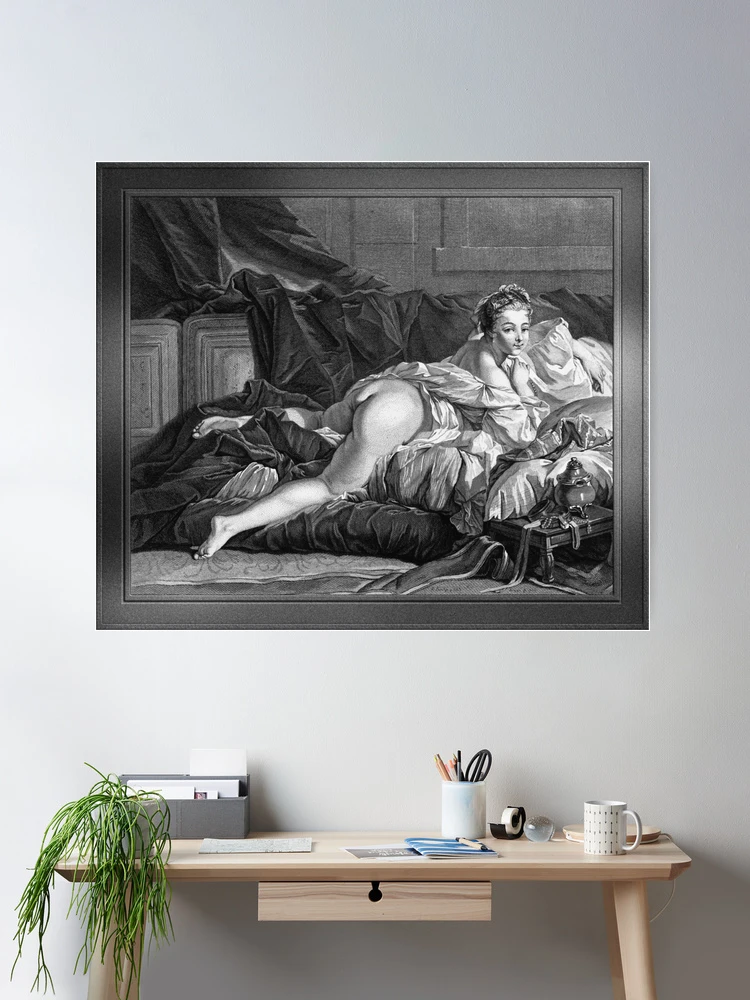
“The Awakening,” air a chruthachadh timcheall 1765, na ghràbhaladh tarraingeach a bheir sealladh farsaing air àm prìobhaideach. An obair seo, feart den ùidh a bh’ aig àm Rococo ann an seallaidhean dlùth agus faireachdainn spòrsail, a’ taisbeanadh sgil Lévèsque mar ghràbhalaiche ann a bhith a’ glacadh gach cuid cruth agus faireachdainn tro obair loidhne mhionaideach. Chan e dealbh a th’ anns an ìomhaigh ach clò a chaidh a chruthachadh bho dhealbh no de shnìomh, a’ taisbeanadh na h-ealain a tha an lùib a bhith ag eadar-theangachadh dealbhadh gu meadhan ath-ghinte.
Clàr-innse
Eileamaidean gu lèirsinneach & Teicneòlas
Tha an riochdachadh gu mòr an urra ri figear boireannach òg a’ tighinn a-mach à cadal taobh a-staigh seòmar-leapa air a dheagh shuidheachadh. Bidh Lévèsque gu sàr-mhath a’ cleachdadh solas agus faileas gus a cruth a mhìneachadh agus doimhneachd a chruthachadh san t-sealladh. Tha an dòigh gràbhalaidh fhèin ri fhaicinn anns an lìonra dùmhail de loidhnichean a tha a’ togail suas caochlaidhean tonal, a’ dèanamh atharrais air buaidhean dubhar is soilleireachadh. Tha làmh an neach-ealain ri fhaicinn anns a’ chrois-ghlacadh fìnealta agus an stippling a thathas a’ cleachdadh gus inneach a thoirt seachad - bho fhilleadh bog nan aodach leapa gu craiceann rèidh an fhigear.. Tha a’ bhuaidh iomlan mar aon de fhìor-eòlas iongantach a dh’ aindeoin nàdar monochromatic a’ chlò.
An cuspair: Mionaid de dhùsgadh
Fòcas meadhan na “An Dùisg” 's i am boireannach gun teagamh, air a nochdadh ann an staid de dh ’aodach pàirteach agus i a’ gluasad bhon t-suain. Tha an suidheachadh aice socair agus nàdarra; tha aon ghàirdean na laighe air a ceann agus an làmh eile a 'tarraing air ais gu socair an aodach leapa a' nochdadh a cas. Tha an sealladh aice air a stiùireadh beagan air falbh bhon neach-coimhead, a’ moladh mionaid de chnuasachadh prìobhaideach no ’s dòcha mothachadh nas àirde air a bhith air fhaicinn. Chan eil an abairt air a h-aodann gu tur tòcail ach tha e a’ nochdadh faireachdainn de shàmhchair agus feòrachas socair. Tha an dealbh neo-chudromach seo a’ cur ri faireachdainn iomlan na h-obrach de dhlùthsachd agus de roghainn.
Suidheachadh & Mion-fhiosrachadh taobh a-staigh
Tha an suidheachadh na sheòmar-cadail opulent, mar chomharra air dòigh-beatha chofhurtail. Bidh aodach beairteach a 'tarraing às an leabaidh, a’ cruthachadh cùl-raon sòghail airson an t-seallaidh. Tha bòrd beag na shuidhe ri taobh na leapa, air a bheil carafe agus 's dòcha rudan pearsanta eile. Tha mion-fhiosrachadh taobh a-staigh an t-seòmair air a thoirt seachad le mionaideachd, a’ cur ris a’ mhothachadh air reul-eòlas agus a’ toirt seachad co-theacs airson suidheachadh a’ bhoireannaich. Tha na h-eileamaidean ailtireachd - frèam na h-uinneige ri fhaicinn air a’ chùl agus am panail air a’ bhalla - a’ moladh taobh a-staigh air a dhealbhadh airson comhfhurtachd agus eireachdas.
Rococo Aesthetics & Buadhan
“An Dùisg” Buinidh e gu daingeann taobh a-staigh gnàthasan bòidhchead na h-ùine Rococo (gu garbh 1730-1770). Chuir an stoidhle seo cuideam air gràs, aotromachd, agus dòigh-obrach spòrsail a thaobh cuspair. Tha fòcas an t-seallaidh air àm dachaigheil dlùth a’ co-thaobhadh ris an roghainn aig Rococo a bhith a’ sealltainn seallaidhean de chur-seachad agus de bheatha phrìobhaideach seach aithrisean mòra eachdraidheil no miotasach.. Tha e coltach gu bheil an gràbhaladh a’ tarraing brosnachadh bho dhealbhan co-aimsireil le luchd-ealain leithid François Boucher agus Jean-Honoré Fragonard, a rannsaich cuspairean gràidh mar an ceudna, bòidhchead, agus mothachadh taobh a-staigh frèam ath-leasaichte agus eireachdail.
Pierre Teàrlach Lévèsque: Engraver & Neach-ciùird
Pierre Teàrlach Lévèsque (1736 - 1812) na ghràbhalaiche Frangach a bha ainmeil airson a sgil ann a bhith ag ath-riochdachadh obraichean le prìomh luchd-ealain an ama. Ged nach e neach-ealain tùsail a bh’ ann fhèin sa mhòr-chuid, bha pàirt deatamach aig na gràbhalaidhean aige ann a bhith a’ sgaoileadh ìomhaighean agus stoidhlichean ealain gu luchd-èisteachd nas fharsainge. Tha obair Lévèsque a’ nochdadh maighstireachd air coileanadh teignigeach agus sùil gheur airson mion-fhiosrachadh, a 'leigeil leis a bhith a' glacadh gu dìleas na rudan tùsail a rinn e ath-riochdachadh. “An Dùisg” a’ seasamh mar theisteanas air a chomasan agus a’ toirt sealladh luachmhor air blasan ealain agus luachan cultarail na Frainge san 18mh linn.
Cudromach & Dìleab
Tha “Le Réveil” nas motha na dìreach gràbhaladh; tha e na uinneag a-steach do chleachdaidhean sòisealta, roghainnean esthetigeach, agus cleachdaidhean ealanta bho linn Rococo. Tha e na eisimpleir de ùidh na h-ùine le amannan dlùth agus a bhith a’ comharrachadh bòidhchead agus toileachas. Mar eisimpleir air a dheagh choileanadh de obair Lévèsque, “An Dùisg” a’ cur ri ar tuigse air àite gràbhaladh ann an ealan agus cultar na 18mh linn, a’ sealltainn mar a bha clò-bhualaidhean an dà chuid mar obair ealain leotha fhèin agus mar charbadan cudromach airson ìomhaighean a sgaoileadh air feadh na Roinn Eòrpa. Tha tarraingeachd maireannach a’ chlò-bhualaidh na laighe na chomas faireachdainn de dhlùthsachd shàmhach agus de bhòidhchead gun ùine a dhùsgadh.
Mun obair ealain
Is e gràbhaladh a th’ ann an Le Reveil a rinn Pierre Charles Levesque a tha dualtach a bhith stèidhichte air aon de thrì dealbhan a chruthaich am peantair Frangach François Boucher ann an stoidhle Rococo., a bha na pheantair mòr-chòrdte bhon 18mh linn a bha ainmeil airson a dhealbhan eireachdail agus voluptuous air cuspairean clasaigeach, allegories sgeadachaidh, agus sealladh aoghaireil; is iad sin Na Bràighdean Odalisque c1745, Odalisg c1749, or Dealbh de Marie-Louis O'Murphy (Nude air sòfa) c1752.
Is e dealbh nude a th’ ann de bhoireannach òg a’ cur a broilleach sìos air leabaidh lusach le mòran chluasagan is anart, le bòrd beag ri taobh na leapa air a bheil grunn rudan air an cur, a’ toirt a-steach vase, bogsa seudaireachd fosgailte le riobanan agus neamhnaidean sreang a tha a-staigh agus timcheall air a’ bhogsa seudaireachd.
Is e seo ath-riochdachadh seann mhaighstirean ealain didseatach ath-riochdachadh de ìomhaigh raon poblach.