

Marie Antoinette Queen Of France In Hunting Attire
Artwork Title, Creation Date, Artist, and Historical Context
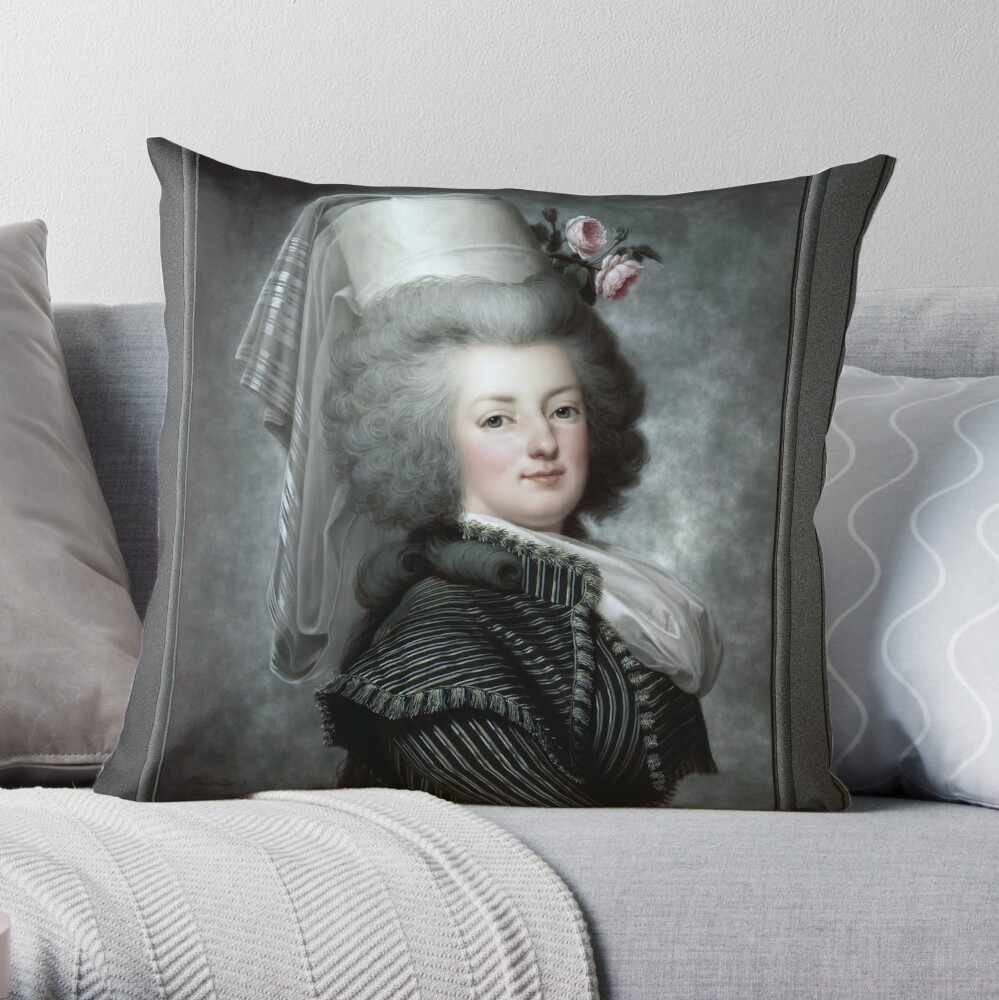
“Marie Antoinette Queen of France in Hunting Attire (1755-1793) ok. 1788 r. autorstwa szwedzkiego malarza Adolfa Ulrika Wertmüllera (1751-1811)” depicts an iconic moment of France’s queen in the late 18th century, a period marked by political upheaval and the rising tension of the French Revolution. This artwork was completed by Adolf Ulrik Wertmüller, a Swedish painter known for his portraits, and it captures a moment in time during Marie Antoinette’s reign. Obraz, stworzony w 1788, illustrates the queen in a moment of serenity, as she is adorned in hunting attire, presenting an image of both elegance and power.
Urodzony w 1751, Wertmüller became famous for his portraits of European royalty, and this piece is one of his most celebrated works. Obraz jest doskonałym przykładem skupienia się okresu rokoka na ozdobnym pięknie i delikatnym rysunku pędzla, łącząc jednocześnie elementy stylu neoklasycystycznego. Odzwierciedla późną epokę rokoka, czas, kiedy arystokracja w Europie była mocno skupiona na bogactwie i luksusie, i kiedy wyraźne kontrasty związane ze zbliżającą się rewolucją francuską stawały się oczywiste.
Spis treści
Główny temat i nastrój dzieła
Głównym bohaterem portretu jest Maria Antonina, królowa Francji, który jest przedstawiany z królewskim spokojem i wyrafinowaniem. Królowa ubrana jest w wyszukany strój myśliwski, który wzmacnia jej status członka elity królewskiej, jednocześnie łącząc ją z tradycyjnie męskim światem łowiectwa. To zestawienie kobiecego wdzięku i męskiej aktywności dodaje jej portretowi warstwę złożoności, ponieważ sugeruje zarówno siłę, jak i wrażliwość.
Jej wyraz twarzy jest spokojny, ale stanowczy, emanuje atmosferą spokojnej pewności. Pomimo wyszukanego charakteru jej ubioru, który obejmuje warstwy skomplikowanych tkanin i wystawne dodatki, jej postawa pozostaje opanowana i dostojna. Ten spokojny wyraz twarzy ostro kontrastuje z burzliwymi wydarzeniami towarzyszącymi jej panowaniu, takich jak zbliżający się kryzys finansowy, niepokoje społeczne, i rewolucja, która wkrótce miała nastąpić.
The overall mood of the painting is one of serene nobility, with an emphasis on Marie Antoinette’s elevated position within French society. The soft lighting and delicate rendering of the queen’s features create an atmosphere of timeless beauty, although there is an undercurrent of fragility as one considers the context of the period in which the portrait was made.
Strój i symbolika królowej
Marie Antoinette’s hunting attire is a significant aspect of this painting, as it serves as a symbol of both the queen’s personal interests and her role within the French court. During this period, hunting was often considered an aristocratic pastime, linked to both leisure and the exertion of power. The hunting garb is made of luxurious materials, such as richly woven fabrics and delicate lace, odzwierciedlający elitarny status i bogactwo królowej. Symboliczne królewskie pióra i motywy kwiatowe w jej stroju również podkreślają jej pozycję na dworze i francuskiej monarchii.
Włączenie akcentów kwiatowych, szczególnie róże, przywołuje element natury i piękna, kontrastujące z formalnością jej królewskiego stanowiska. Te kwiatowe elementy można interpretować jako subtelny ukłon w stronę kobiecości i osobistego połączenia królowej z bardziej naturalnym światem, co było tematem często poruszanym w portretach rokokowych. jednak, istnieje również kontrast pomiędzy tymi delikatnymi elementami a odwagą, uporządkowany charakter jej ubioru, podkreślając napięcie między osobistą tożsamością Marii Antoniny a osobą publiczną, jakiej oczekuje się od niej jako królowej.
Tło i kompozycja
Tło obrazu, choć niezbyt szczegółowe, serves to accentuate the royal subject. Miękkie, muted hues of the backdrop, grays and subtle greens, draw attention to the queen herself, allowing her figure to stand in sharp contrast to the environment. The lack of any significant architectural or scenic detail places the emphasis entirely on the queen and her attire, suggesting that she is above the everyday concerns of the world outside her court.
Skład jest starannie zbilansowany, with Marie Antoinette positioned slightly off-center, allowing the viewer to take in both her elegant figure and the intricate details of her dress. The positioning of her figure also emphasizes her profile, with her face gently angled toward the viewer. This composition adds a sense of nobility and gravitas to the portrait, while her regal attire and facial expression evoke both grace and authority.
Styl i techniki artystyczne
Wertmüller’s style is evident in the careful rendering of textures and the soft handling of light. His ability to depict the delicate details of fabric, Sznurówka, and feathers is a testament to his technical skill as a portraitist. The use of light is also significant in this work, as it subtly illuminates the queen’s face and attire, highlighting the intricate details and the smooth textures of her garments. The smooth gradation of light across her face contributes to the soft, almost ethereal quality of the portrait.
Miękkie, yet intricate brushstrokes employed by Wertmüller create a sense of depth and texture in the portrayal of Marie Antoinette, while the background remains more simplified, allowing the queen’s features to stand out. The painting’s use of shadows is minimal but effective, further enhancing the sense of dimensionality and realism.
Wertmüller’s mastery in conveying the texture of the fabrics and the softness of Marie Antoinette’s features demonstrates his adherence to the neoclassical and Rococo stylistic conventions of the time. The meticulous attention to detail and the soft color palette serve to elevate the subject, aligning with the ideals of beauty and nobility that were celebrated by the court.
Wniosek
“Marie Antoinette Queen of France in Hunting Attire (1755-1793) c1788” by Adolf Ulrik Wertmüller is a striking example of portraiture from the late 18th century, capturing the queen at a moment of serene nobility. Through his detailed rendering of Marie Antoinette’s attire and serene expression, Wertmüller not only immortalizes the queen’s elegance but also subtly alludes to the tensions of the period. The portrait serves as a reflection of both the grandeur of the French monarchy and the fragility of the queen’s position in the face of impending revolution.
This painting stands as a testament to Wertmüller’s skill as a portrait artist, as well as to the complex layers of symbolism that can be embedded within a royal portrait. The queen’s delicate attire, serene yet assertive demeanor, i delikatne oświetlenie składają się na obraz kobiety uwięzionej pomiędzy pięknem dworu królewskiego a presją społeczeństwa stojącego na krawędzi monumentalnych zmian.
Jest to zremasterowana cyfrowa reprodukcja starych mistrzów obrazu z domeny publicznej, która jest dostępna jako zrolowany obraz na płótnie online.