

Meditation on the History of Italy
Meditation on the History of Italy: Azterketa zehatza
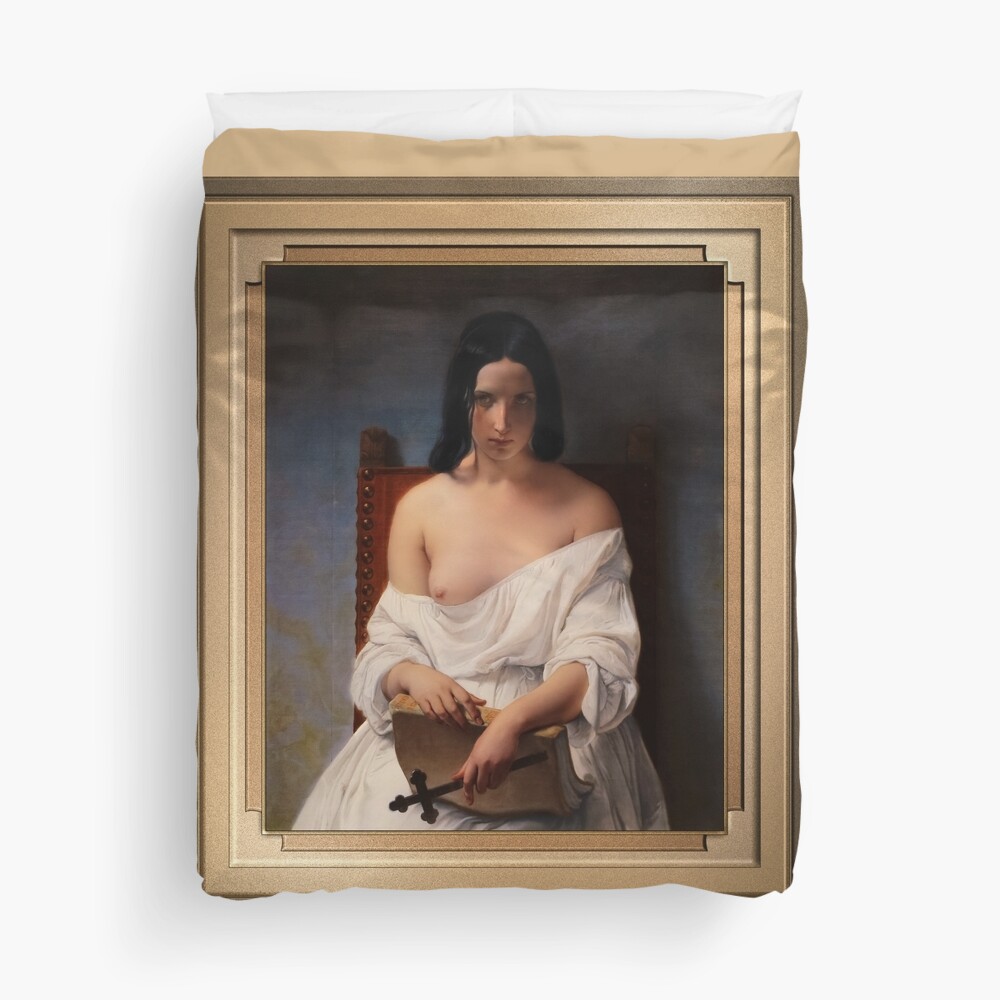
Francesco Hayez’s “Meditation on the History of Italy,” inguruan margotua 1851, is a compelling work within the Romantic tradition, deeply rooted in Italian nationalism and historical allegory. Pintura, currently housed at the Pinacoteca di Brera in Milan, transcends a simple portrait to become a complex visual narrative reflecting the yearning for a unified and independent Italy during a period of political fragmentation and foreign domination. Hayez was a leading figure in the Risorgimento, the 19th-century movement that led to Italian unification, and his art frequently served as a vehicle for expressing patriotic sentiments.
Edukien taula
Konposizio Egitura & Ezarpena
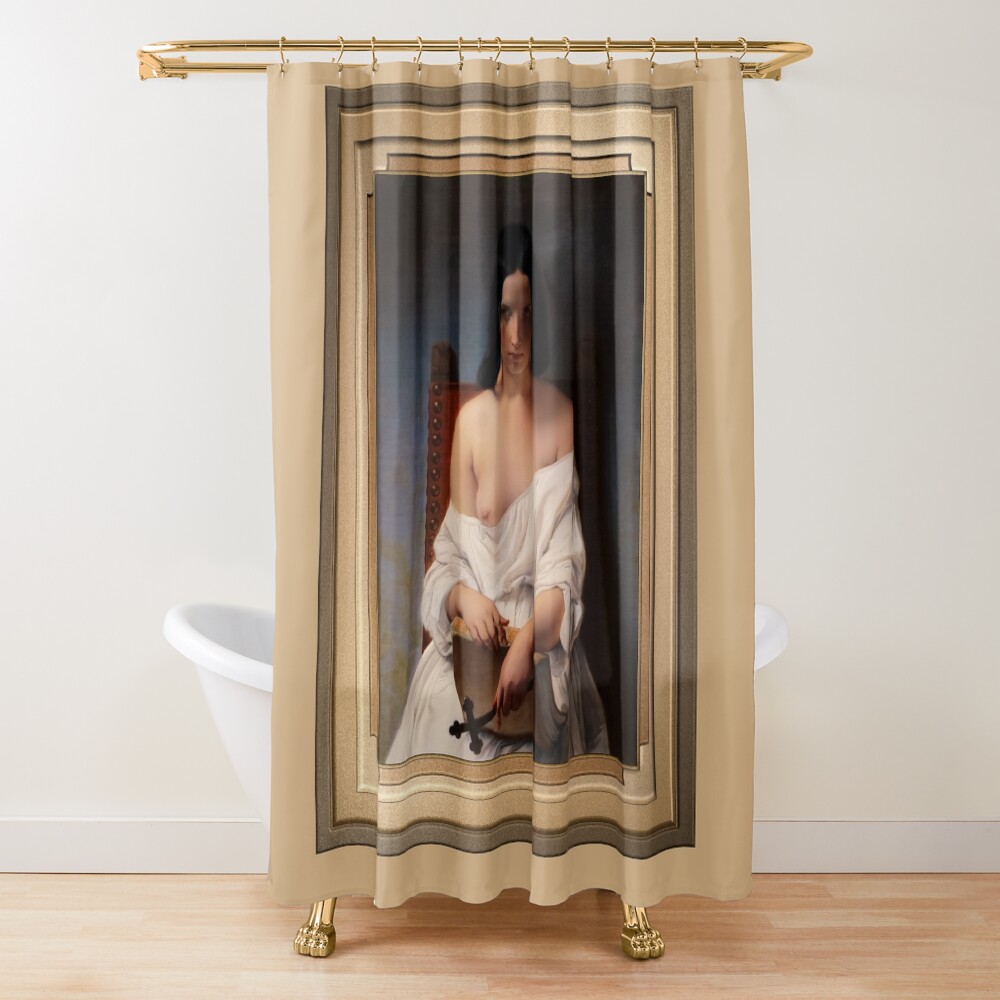
The composition is dominated by a single female figure seated upon an ornate chair against a backdrop of muted blues and grays. The chair itself appears aged and slightly dilapidated, hinting at the decline of past glories. The background fades into obscurity, suggesting a timeless setting rather than a specific historical location. This ambiguity allows for broader interpretation, encompassing Italy’s long and turbulent history. Irudia erdialdean kokatuta dago, drawing immediate attention to her contemplative state. The overall effect is one of quiet introspection within a space that feels both intimate and monumental.
Irudia: Identity & Jantzi
The woman depicted possesses striking features – dark hair cascading down her shoulders, azal zurbila, and intense, melancholic eyes. Her gaze is directed downwards, suggesting deep thought or sorrow. She is draped in a simple white gown, partially slipped from one shoulder, revealing the upper portion of her chest. The fabric appears soft and flowing, adding to the sense of vulnerability and grace. The lack of elaborate ornamentation on her attire contrasts with the ornate chair, further emphasizing her individual presence and internal focus. Her bare feet rest upon the floor, grounding her in a tangible reality despite the allegorical nature of the scene.
The Book & Cross: Elementu sinbolikoak
Held within her hands is an open book, its pages filled with text that remains largely illegible to the viewer. This book clearly represents Italian history and literature – the accumulated knowledge and cultural heritage of the nation. Lying across the book’s cover is a large, dark cross. The presence of the cross introduces a layer of religious significance, referencing Italy’s strong Catholic tradition and potentially alluding to the role of faith in shaping national identity. Alabaina, its placement atop the historical record suggests a complex relationship between religion and Italian history – perhaps a commentary on how faith has both supported and sometimes hindered the nation’s progress.
Argiztapena & Kolore Paleta
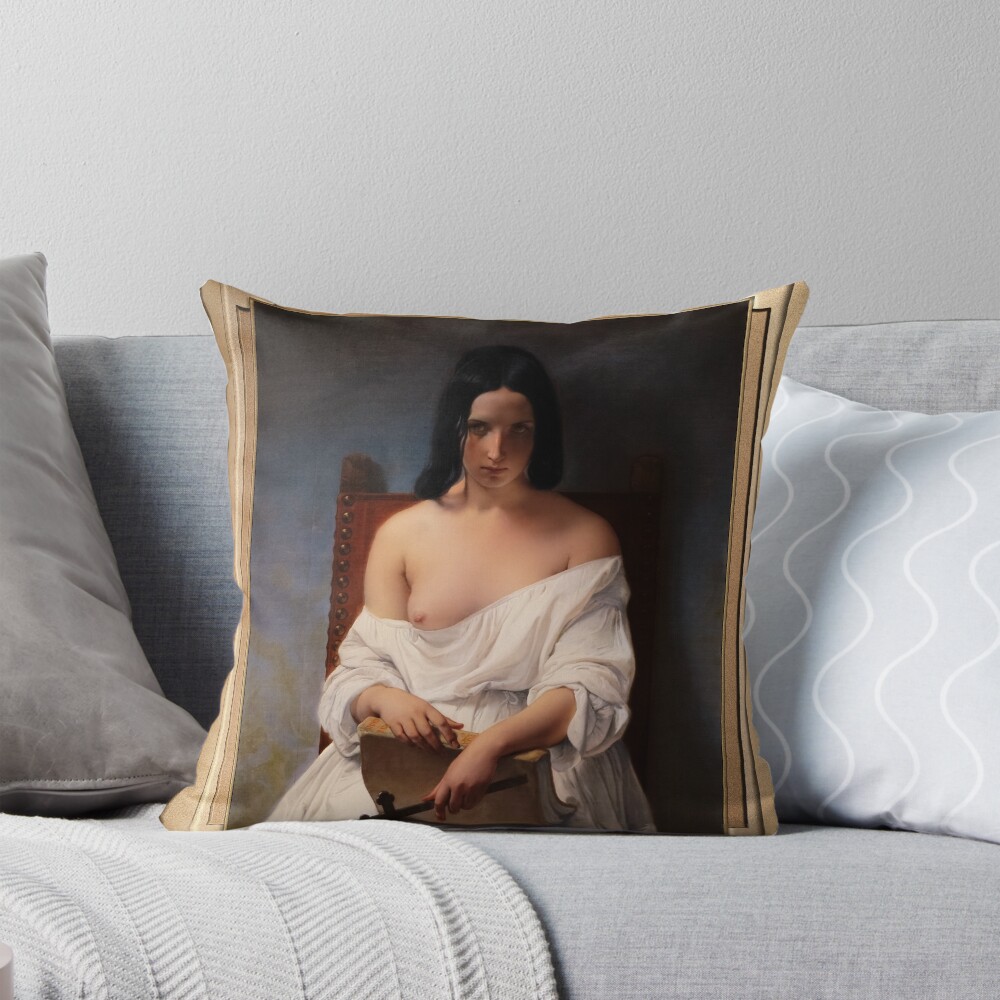
Argiztapena sartu “Meditation on the History of Italy” is carefully orchestrated to enhance the painting’s emotional impact. Bigun bat, diffused light illuminates the woman from above, highlighting her face and upper body while leaving much of the background shrouded in shadow. This creates a sense of mystery and emphasizes the figure’s isolation within her thoughts. The color palette is restrained, dominated by muted tones of white, grisa, urdina, and brown. These colors contribute to the painting’s somber mood and reinforce the themes of reflection and melancholy. The limited use of vibrant hues draws attention to specific details, such as the dark cross and the woman’s eyes.
Estilo Artistikoa & Eraginak
Hayez’s style is characteristic of Italian Romanticism, emphasizing emotion, indoskokularitza, and a fascination with history and mythology. The painting exhibits meticulous detail in rendering the figure’s features and clothing, demonstrating Hayez’s technical skill as an artist. There are echoes of Neoclassical influences in the composition’s balance and clarity, but the overall tone is decidedly Romantic, prioritizing emotional expression over strict adherence to classical ideals. The work shares affinities with other allegorical paintings of the period, particularly those exploring themes of national identity and historical memory.
Testuinguru historikoa & Interpretazioa
Painted during a time when Italy was divided into numerous states under foreign rule or dominated by regional powers, “Meditation on the History of Italy” served as a powerful symbol of hope for unification. The woman’s contemplative pose and sorrowful expression can be interpreted as representing the Italian people reflecting upon their past struggles and yearning for a brighter future. The book symbolizes the nation’s rich cultural heritage, while the cross suggests the enduring influence of religion in Italian life. Hayez deliberately avoided explicitly depicting specific historical events or figures, allowing viewers to project their own interpretations onto the painting and connect with its broader themes of national identity and aspiration.
Bio artista honetatik eratorria Wikipedia.org
Francesco Hayez Veneziako familia nahiko pobre batekoa zen. Bere aita, Giovanni, frantses jatorrikoa zen bere ama berriz, Clare Torcella, Muranokoa zen. Francesco bost semeetatik gazteena zen.
Amaren arrebak hazi zuen, Giovanni Binascorekin ezkondu zena, armadore eta arte bildumagile aberatsa. Hayezek txikitatik erakutsi zuen marrazteko joera. Bere osaba, bere talentu goiztiarra nabaritu zuelarik, Veneziako arte zaharberritzaile batean ikasi zuen. Geroago Hayez Francesco Maggiotto margolariaren ikasle izanen zen eta harekin hiru urtez jarraitu zituen bere ikasketak..
urtean Veneziako Arte Ederren Akademia Berriko pintura-ikastaroan onartu zuten 1806, bertan ikasi zuen Teodoro Matteiniren eskutik. In 1809 Veneziako Akademiaren lehiaketa bat irabazi zuen Erromako Accademia di San Luca-n urtebeteko egonaldia egiteko.
Erroman egon zen arte 1814, ondoren, Napolira joan zen eta bertan Joakim Muratek enkargatu zion Ulises irudikatzen zuen lan handi bat margotzeko Alzinooren gortean.. 1830eko hamarkadaren erdialdean Milango Maffei Salonean parte hartu zuen, Clara Maffeiren eskutik. Maffeiren senarrak bere emaztearen erretratua eskatuko zion gero Hayezi. In 1850 Hayez Brera Akademiako zuzendari izendatu zuten.
Ibilbide luze batean zehar, Hayez bereziki emankorra izan zen. Bere produkzioan, bere mezenasen sentsibilitate abertzalera erakartzeko diseinatutako margolan historikoak eta estilo neoklasikoa gai handietara eramateko nahia islatzen zuten lanak., literatura biblikotik edo klasikotik.
Antzerki-aurkezpenetako eszenak ere margotu zituen. Nabarmen gabea bere obran, hala ere, erretaulak dira – beharbada Italiako iparraldeko eliza eta komentu asko deskonsakratu zituzten napoleonen inbasioengatik. Corrado Ricci arte historialariak Hayez klasizista gisa deskribatu zuen, eta, ondoren, nahasketa emozionalaren estilo batean garatu zen. Francesco Hayez, Musua (1859)
Bere erretratuek Ingresen eta Nazareno mugimenduaren intentsitatea dute. Askotan eserita, Hayezen gaiak soilez jantzi ohi dira, arropa zuri-beltza, ekipamendu gutxirekin. Hayezek nobleziarentzat erretratuak egiten zituen bitartean, beste gai batzuk ere aztertu zituen, besteak beste, artistak eta musikariak. Bere ibilbidean berandu, ezaguna da argazkiak erabiliz lan egin zuela.
Hayezen gai gogokoenetako bat ekialdeko gaiak iradokitzen zituen erdi jantzitako odaliska zen, margolari erromantikoen gai gogokoena.[3] Haremen eta haien emakumeen irudikapenei esker, artistek gizartean onargarriak ez ziren eszenak margotzeko gaitasuna izan zuten.. Hayez-en Maria Magdalenak ere sutsu erlijiosoa baino sentsualtasun handiagoa du.
Hayez-en The Kiss koadroa bere lanik onenetakotzat hartu zuten bere garaikideek, eta ziurrenik bere ahaleginik ezagunena da. Anonimoa, Bikotearen eraginik gabeko keinuak ez du mitoaren edo literaturaren ezagutzarik behar interpretatzeko, eta begirada modernora jotzen du.
Hayezen ibilbidearen balorazio zientifikoa zaildu egin da bere lanak ez sinatzeko edo datatzeko joeragatik.. Askotan bere margolanetako datek adierazten dute obra noiz erosi edo saldu zen, ez bere sorrerako garaia. Gainera, askotan konposizio berdinak margotu zituen hainbat aldiz aldakuntza minimoekin.
Brerako Akademiako ikasleen artean Carlo Belgioioso zegoen, Amanzio Cattaneo, Alessandro Focosi, Giovanni Battista Lamperti, Livo Ardia, Angelo Pietrasanta, Antonio Shiloh, Carlo Antonio Tavella, Ismaele Teglio Milla eta Francesco Valaperta.
Hayez Milanen hil zen, adina 91. Brera Akademian duen estudioa plaka batekin markatuta dago.
Hau domeinu publikoko irudi baten erreprodukzioa da arte digitaleko maisu zaharren erreprodukzioa, sarean erosteko moduan dagoena ijetzitako mihise inprimatua.