

Memories of Olive
Memories of Olive: A Glimpse into 1920s Glamour by Alberto Vargas
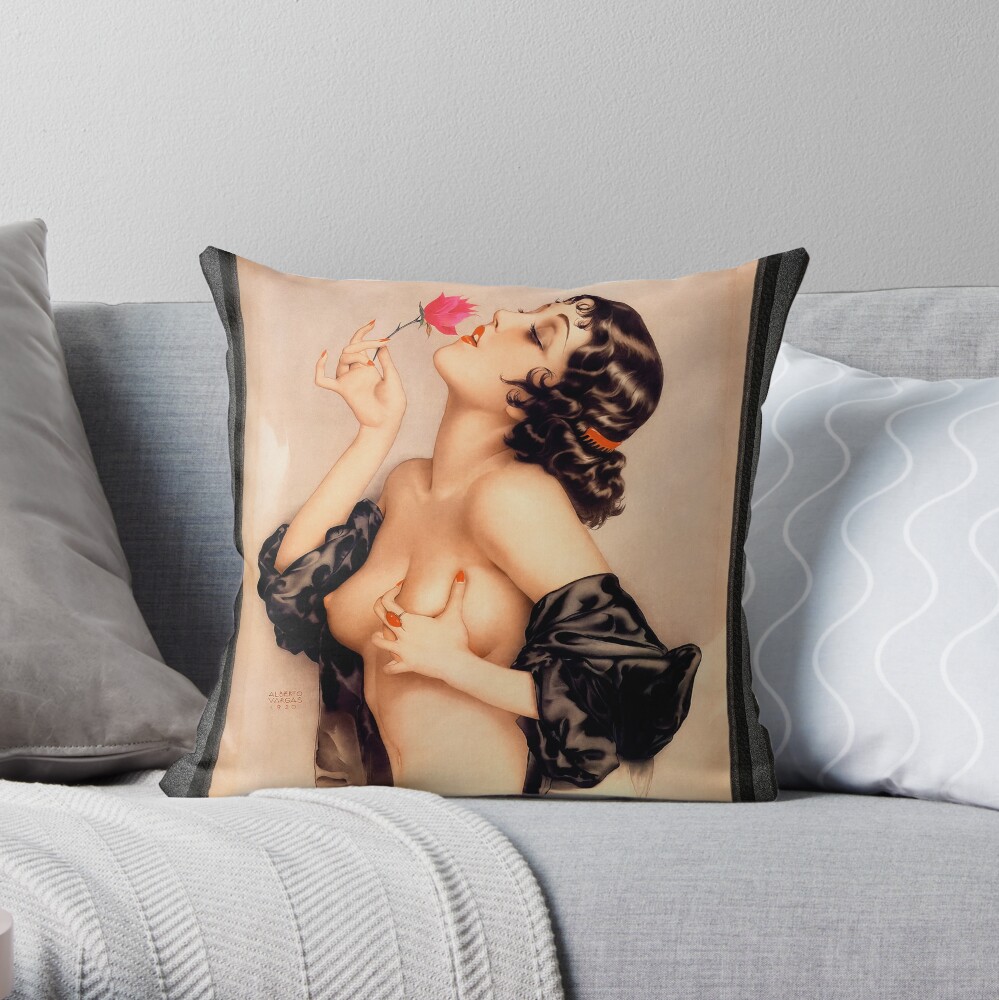
Immagine segnaposto Alberto Vargas’ “Memories of Olive,” created around 1920, is a captivating example of the artist’s signature style – a blend of classical beauty ideals with the burgeoning pin-up aesthetic that defined much of the early twentieth century. The painting offers a window into an era of evolving social norms and artistic expression, showcasing a woman in a moment of quiet contemplation and sensual allure. Vargas, born in Peru but largely based in the United States, was renowned for his elegant depictions of women, often working for publications like Scudiero e Vogue, where he helped shape the visual language of glamour during the interwar period.
Sommario
Il soggetto: Olive’s Poised Presence
La figura centrale, identified as “Olive,” is presented in a reclining pose that evokes classical sculpture while simultaneously embracing a more modern sensibility. Her body is gracefully curved, emphasizing the contours of her form with a delicate balance between realism and idealization. She isn’t posed aggressively or provocatively; Piuttosto, she exudes an air of quiet confidence and introspection.
Olive’s face is framed by dark, wavy hair meticulously styled in the fashionable bob cut of the 1920s, secured with a decorative band. Her eyes are downcast, focused intently on a single pink rose held delicately between her fingers. This gesture suggests a moment of private reflection, perhaps recalling cherished memories or simply appreciating the beauty of the flower itself.
Composizione e tavolozza dei colori: A Study in Warmth and Light
Vargas masterfully utilizes light and shadow to create depth and dimension within the ritratto composizione. The painting is bathed in soft, warm lighting that highlights Olive’s skin tones and creates a gentle glow around her form. This diffused illumination contributes to the overall sense of intimacy and tranquility. The color palette is similarly restrained, dominated by muted earth tones – creams, tans, and browns – which provide a subtle backdrop for the figure. The vibrant pink of the rose serves as a striking focal point, drawing the viewer’s eye and adding a touch of vibrancy to the otherwise understated scene. The dark fabric draped across her shoulders provides a visual counterpoint, grounding the composition and enhancing the sense of volume.
Influenze artistiche: Classical Roots and Modern Sensibilities
Vargas’ artistic background is evident in “Memories of Olive.” The reclining pose directly references classical depictions of goddesses like Venus, demonstrating an appreciation for traditional beauty standards. tuttavia, Vargas departs from strict academic conventions by incorporating elements of Art Deco design and the emerging pin-up style. This fusion results in a unique aesthetic that is both timeless and distinctly modern. The emphasis on naturalism in Olive’s features and the relaxed posture contribute to a sense of accessibility and relatability, moving away from the more distant and idealized portrayals often found in earlier classical art.
Abilità tecnica: Precision and Detail
The painting showcases Vargas’ exceptional technical skill as an artist. The rendering of Olive’s skin is particularly noteworthy, with subtle gradations of tone that capture the softness and luminosity of flesh. Each strand of hair appears meticulously rendered, contributing to the overall sense of realism. The details in the fabric – the folds, shadows, and textures – are equally impressive. Vargas’ ability to create such a convincing illusion of three-dimensionality through paint alone is a testament to his mastery of technique.
Significato contestuale: A Reflection of an Era
“Memories of Olive” emerged during a period of significant social and cultural change in the United States. The 1920s, often referred to as the “Roaring Twenties,” were characterized by economic prosperity, technological advancements, and shifting attitudes towards gender roles. Vargas’ paintings reflected this evolving landscape, portraying women with a newfound sense of independence and self-assurance. While still adhering to traditional notions of beauty, his depictions moved away from Victorian ideals of demureness and restraint, embracing a more modern and sensual aesthetic that resonated with the spirit of the age. “Memories of Olive” stands as a poignant reminder of this transformative era in American art and culture.
Bio dell'artista da Wikipedia.org
Nato ad Arequipa, Perù, era il figlio del noto fotografo peruviano Max T. Vargas.[1] Alberto Vargas si è trasferito negli Stati Uniti nel 1916 dopo aver studiato arte in Europa, Zurigo, e Ginevra prima della prima guerra mondiale. Mentre era in Europa si imbatté nella rivista francese La Vie Parisienne, con una copertina di Raphael Kirchner, che ha detto è stata una grande influenza sul suo lavoro.
La sua prima carriera a New York includeva il lavoro come artista per le Ziegfeld Follies e per molti studi di Hollywood. Ziegfeld ha appeso il suo quadro di Olive Thomas a teatro, ed era considerata una delle prime Vargas Girls. Vargas’ pezzo più famoso del lavoro cinematografico è stato per il poster del 1933 film Il peccato di Nora Moran, che mostra una Zita Johann quasi nuda in posa disperata. Il poster è spesso nominato uno dei più grandi poster cinematografici mai realizzati.
Divenne ampiamente noto negli anni '40 come il creatore delle iconiche pin-up dell'era della seconda guerra mondiale per la rivista Esquire nota come “Ragazze Vargas.” Tra 1940 e 1946 Vargas prodotto 180 quadri per la rivista.[1] L'arte del naso di molti aerei americani e alleati della seconda guerra mondiale è stata ispirata e adattata da queste pin-up di Esquire, così come quelli di George Petty, e altri artisti.
This remastered vintage art pin up girl reproduction, come tutte le opere d'arte che si possono trovare sul sito Web di Xzendor7 è disponibile per l'acquisto online in una varietà di formati di materiali, comprese le stampe su tela, stampe acriliche, stampe in metallo, stampe su legno, stampe incorniciate, manifesti, e come stampe su tela arrotolata in una varietà di dimensioni da 12 pollici a 72 pollici a seconda delle dimensioni dell'opera d'arte effettiva e del negozio di stampa su richiesta da cui scegli di acquistare l'arte.
Questa è una riproduzione ritoccata di arte digitale dei vecchi maestri di un'immagine di pubblico dominio.