

Neiti Tammikuu Varga Tyttö 1944
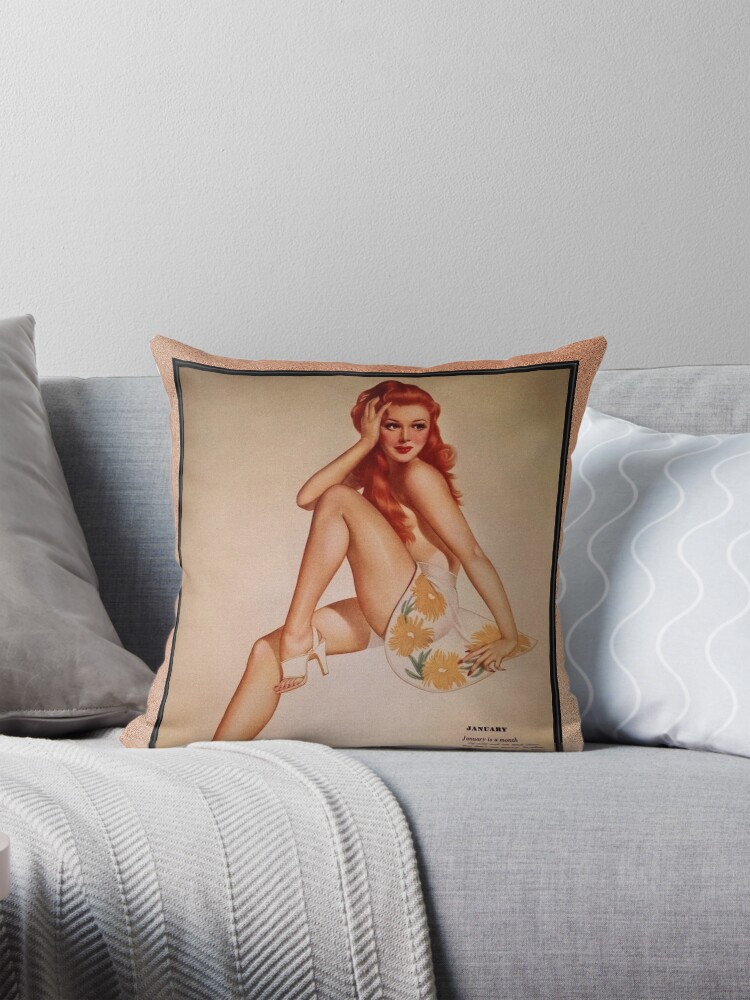
“Neiti Tammikuu Varga Tyttö 1944” on kuuluisan perulaisen taiteilijan luoma kuuluisa taideteos Alberto vargas (1896 – 1982), joka tuli tunnetuksi houkuttelevista ja hikoilevista naisten kuvauksistaan, varsinkin hänen pin-up-tyttönsä, jolla oli merkittävä rooli 1900-luvun puolivälin amerikkalaisen kulttuurin visuaalisen kielen muovaamisessa. Tämä tietty kappale, valmistui vuonna 1944, on osa Vargasin pin-up-kuvitussarjaa kalentereissa, lehden kannet, ja mainoksia, jotka vaikuttavat edelleen taiteen maailmaan, muoti, ja suosittu media nykyään. Taideteos vangitsee idealisoidun naisellisen muodon Vargasin huolellisella tekniikalla, tarjoaa viettelevän mutta tyylikkään kuvan nuorekkaasta kauneudesta ja viehätysvoimasta.
Sisällysluettelo
Pääaihe: Vargan tyttö
The focal point of this artwork is the enchanting “Tyttö Varga,” a figure that epitomizes the idealized American woman of the era. She sits in a playful, inviting pose, exuding both confidence and an effortless sensuality. The subject is a young woman with bright red hair, styled in soft waves that cascade down her shoulders, framing her face. Her features are delicate yet striking, with her full lips curving into a subtle, knowing smile. Pehmeä, glowing skin tones of the figure are rendered with remarkable skill, showcasing the artist’s ability to capture the beauty of the human form through the subtle blending of light and shadow.
Draped across her body is a skirt adorned with yellow flowers, a delicate touch that softens the image, adding an element of warmth and freshness. The flowers’ vibrant yellow color contrasts with the otherwise muted tones of the background, drawing the viewer’s eye to the subject’s lower half.
Her bare legs are elegantly extended, showcasing a combination of grace and allure that typifies the genre of pin-up art. The woman’s posture, with one arm delicately placed behind her head, lends a sense of relaxed self-assurance to the piece, inviting the viewer to appreciate her form while maintaining an air of mystery and allure.
Esineet ja materiaalit: Kalenteri ja jae
A striking element of this artwork is the inclusion of a vintage calendar on the right side of the piece. The calendar is neatly positioned, with the month “tammikuu” prominently displayed at the top. Below it, a small verse adds to the charm of the piece, offering a whimsical and lighthearted introduction to the New Year. The verse reads, “Tammikuu on kylmän, jään ja räntäkuukausi, Mutta älä huoli, veli, Laitamme lämmön päälle!”
This addition emphasizes the playful and carefree tone of the artwork, while simultaneously grounding the image in the specific moment of time: tammikuu 1944. The inclusion of the calendar and verse not only anchors the artwork within its historical context but also adds an extra layer of personality and humor to the piece, further enhancing the approachable and inviting nature of the Varga Girl.
Tyyli: Pin-Up ja kaupallinen taide
The style of this artwork is quintessentially pin-up, a genre of illustration that became wildly popular in the United States during the 1940s and 1950s. Pin-up art typically depicts women in suggestive yet tasteful poses, characterized by an emphasis on femininity, kauneus, ja viehätys. Vargasin ainutlaatuinen lähestymistapa pin-up-taiteeseen yhdistää hienoksi hiotun muotokuvatekniikan Hollywoodin glamouriin, luoda idealisoitu versio naiseudesta, joka resonoi nostalgiasta ja fantasiasta.
Hänen huolellinen huomionsa yksityiskohtiin, ihon sileydestä kankaan herkkään varjostukseen, kertoo hänen taustastaan ammattikuvittajana ja hänen kyvystään vangita ihmismuodon vivahteita.
Tässä teoksessa käytetyllä eloisalla väripaletilla on ratkaiseva rooli taideteoksen yleisessä tunnelmassa. Pehmeät pastellivärit taustalla, yhdessä kukkien kirkkaan keltaisen ja hienovaraisen vaaleanpunaisen kanssa, herättää lämmön ja optimismin tunteita.
The contrast between the subject’s fair skin and the soft colors in the background highlights the figure’s prominence in the composition, making her the undeniable center of attention. Vargas also employs a soft focus around the edges of the painting, directing the viewer’s gaze toward the main subject and enhancing the dreamlike quality of the image.
Teema: Sensuality and Playfulness
The theme of this artwork can be described as a celebration of sensuality and playful femininity. The Varga Girl represents the idealized American woman of the 1940s, embodying both beauty and strength. Her relaxed yet inviting pose suggests a woman who is confident in her allure but not overtly provocative.
The lighthearted verse on the calendar further reinforces this theme, tarjoaa tasapainon viehätyksen ja huumorintajun välillä. Teoksen leikkisyyttä korostavat kohteen kirkas ilme ja kutsuva tunnelma, tuo esiin aikakauden huolettoman hengen säilyttäen samalla hienostuneen ilmapiirin.
Tunnelma: Optimistic and Warm
Yleinen mieliala “Neiti Tammikuu Varga Tyttö 1944” on lämpöä ja optimismia. Huolimatta säkeen viittauksesta tammikuun kylmään, maalaus säteilee mukavuuden ja ilon tunnetta. Kohteen kirkkaiden punaisten hiusten yhdistelmä, pehmeät pastellivärit, ja hahmon aurinkoinen asenne luo kevyen tunnelman, saa katsojan tuntemaan olonsa mukavaksi.
Kohteen ilme, sekä luottavainen että helposti lähestyttävä, kutsuu katsojan viipymään ja arvostamaan hetken kauneutta. Tämä lämmön ja optimismin tunne resonoi ajan kulttuuri-ilmapiirin kanssa, during which pin-up art served as a form of escapism and a source of comfort during a period marked by global conflict and uncertainty.
Johtopäätös: A Timeless Work of Art
Alberto Vargas “Neiti Tammikuu Varga Tyttö 1944” is a masterpiece that continues to captivate viewers with its timeless beauty, charm, ja viehätys. Through his delicate rendering of the feminine form and his playful use of color and composition, Vargas successfully captures the essence of the idealized woman of the 1940s.
The inclusion of the vintage calendar and verse further deepens the historical context of the piece, while the inviting mood and sensuality of the figure make this artwork an enduring symbol of mid-century American culture. Vargas’s work has stood the test of time, and this piece remains a shining example of his exceptional talent and his contribution to the world of art.
Neiti Tammikuu Varga Tyttö 1944 on retusoitu digitaalisen taiteen vanhojen mestarien kopio julkisesta kuvasta.
Taiteilija bio Wikipedia.org
Syntynyt Arequipassa, Peru, hän oli tunnetun perulaisen valokuvaaja Max T: n poika. Vargas. Alberto Vargas muutti Yhdysvaltoihin vuonna 1916 opiskellut taidetta Euroopassa, Zurich, ja Geneve ennen ensimmäistä maailmansotaa.
Euroopassa ollessaan hän löysi ranskalaisen La Vie Parisienne -lehden, Kansissa Raphael Kirchner, joka hänen mukaansa vaikutti suuresti hänen työhönsä.
Hänen varhainen uransa New Yorkissa sisälsi työn taiteilijana Ziegfeld Folliesille ja monille Hollywood -studioille. Ziegfeld ripusti maalauksensa Olive Thomasista teatteriin, ja häntä pidettiin yhtenä ensimmäisistä Vargas -tytöistä.
Vargas’ tunnetuin teos oli elokuvan juliste 1933 elokuva Nora Moranin synti, joka esittää lähes alastoman Zita Johannin epätoivossa. Julistetta kutsutaan usein yhdeksi suurimmista koskaan tehdyistä elokuvajulisteista.
Hänestä tuli laajalti tunnettu 1940-luvulla ikonisen toisen maailmansodan aikakauden pin-up-luojana Esquire-lehdelle. “Tytöt Vargas.” Välillä 1940 ja 1946 Vargas tuotettu 180 lehden maalauksia.
Monien amerikkalaisten ja liittolaisten toisen maailmansodan lentokoneiden nenätaide on saanut inspiraationsa ja mukautuksensa näistä Esquiren pin-up-laitteista, samoin kuin George Petty, ja muut taiteilijat.