

Biluzik Arrosekin
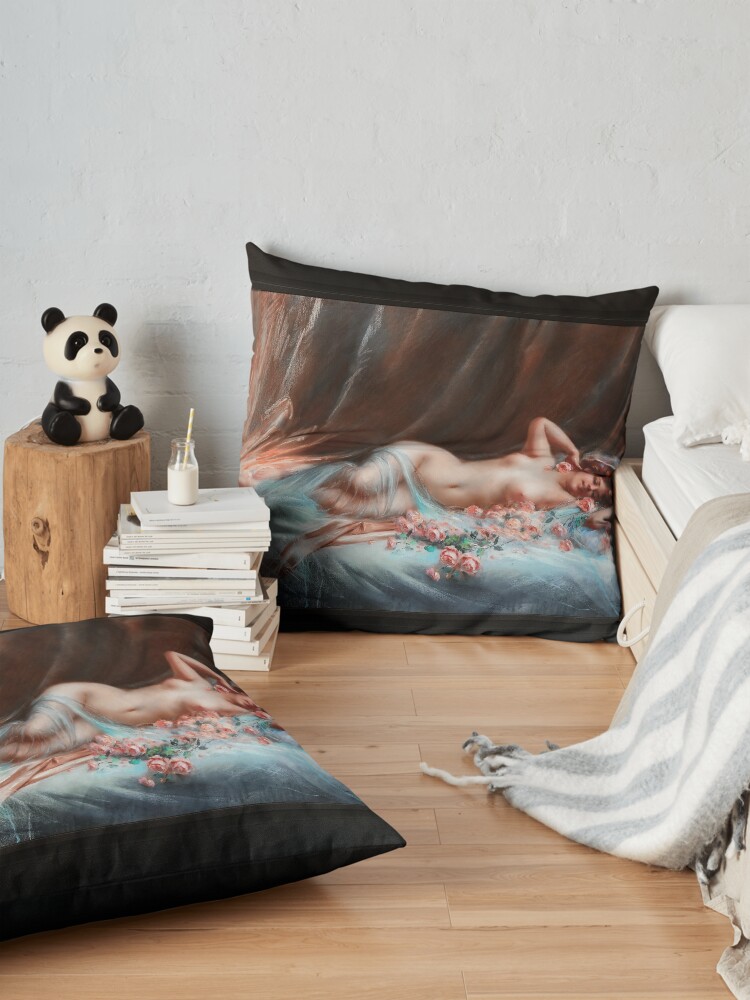
Delphin Enjolras' maisulana Biluzik Arrosekin (Biluzia arrosekin), sortua 1907, mendearen amaieran eta XX.aren hasieran Frantziako pintura akademikoaren irudikapen ederra da.. Enjolras, artista ospetsua, gizakiaren formaren tratamendu delikatuagatik eta argiaren eta ehunduraren manipulazio trebeagatik ezaguna., Emakumeen biluziaren erretratu intimo eta sentsuala aurkezten du.
urtean jaioa 1857 eta sartu 1945, Enjolrasen ibilbideak pinturaren tradizio klasikoa gero eta gehiago zalantzan jarri zuen mugimendu modernistak gora egin zuen garai batean.. Alabaina, bezala funtzionatzen du Biluzik Arrosekin teknika klasikoekiko duen konpromiso irmoa erakutsi, bere garaiko aldartea markatu zuen sentsualitate erromantikoaz betea.
Edukien taula
Gaia eta osaera
-ren gai nagusia Biluzik Arrosekin etzandako emakumezko figura bat da, bigunean errendatua, flowing lines that emphasize the graceful curves of her body. Her nude form lies serenely across a soft, luxurious background, bathed in the gentle light of an indistinct, almost ethereal setting. The model’s posture suggests a languorous, contemplative state, as her eyes are gently closed, her head turned slightly to the side in repose. Bere espresioa lasaia da, almost dreamlike, allowing the viewer to imagine her thoughts as she drifts into a peaceful slumber. The artist has captured her in an unguarded moment, inviting the viewer to reflect on the beauty and vulnerability of the human form.
The figure is delicately surrounded by a scattering of roses, which lie softly on the surface where she reclines. The roses add a layer of texture and color to the painting, arrosa eta zuri leunak bere azalaren tonu zurbilen kontra jarrita, lore-elementuen eta biluziaren arteko oreka harmoniatsua sortuz.
Loreen petalo leunek bere gorputzaren ingera leunak islatzen dituztela dirudi, margolanaren giro erromantiko eta sentsuala areagotuz. Loreak, edertasun femeninoaren elementu sinbolikoa den bitartean, ez gailendu gaia, baizik eta osatu, sakontasuna eta interesa gehituz erdiko figurari kendu gabe.
Ezarpena eta materialak
-ren ezarpena Biluzik Arrosekin minimalista da, irudiari eta inguratzen duten loreei arreta berezia jarrita. Artistak leunaren atzealde soil bat aukeratu du, draperia zirimola, gaia markatzeko balio duena, piezaren leuntasun orokorra mantenduz. Epela, draperien tonu isilduak, which fade seamlessly into the rest of the painting, create an inviting space for the nude figure to exist. There is no stark contrast between the figure and the surroundings; horren ordez, the painting invites the viewer into a harmonious world of subtlety and elegance.
Enjolras uses oil paints with an evident mastery, allowing the textures of both the roses and the skin to emerge in soft, lifelike detail. Leuna, almost velvety texture of the skin contrasts with the delicate texture of the fabric and the petals of the roses, showcasing the artist’s ability to render a range of tactile sensations through his brushwork.
His careful use of light further enhances the sensuality of the scene, casting soft highlights and shadows across the body, creating depth and form. The lighting is gentle, lausengarri, and almost glowing, lending the entire scene an air of dreamlike quality. This use of light and shadow also highlights the artist’s exceptional understanding of human anatomy, giving the figure a realistic, three-dimensional presence while retaining an ethereal quality that elevates the piece beyond simple portraiture.
Estilo artistikoa eta eragina
Enjolras’ style in Biluzik Arrosekin is deeply rooted in the traditions of academic realism, but it also carries subtle influences from the more intimate and romantic movements of the late 19th century. The attention to detail in the rendering of the figure, as well as the soft, harmonious use of color, aligns him with the classical tradition of figure painting.
Alabaina, there is a certain tenderness in his depiction of the nude, mugimendu sinbolistaren eraginaz hitz egiten duen gaiarekiko sentikortasuna, horrek askotan artearen ikuspegi barneratzaile eta emozionalago baten alde egiten zuen. Arrosak, ere bai, sinbolistei keinu gisa ikus daiteke, zeinen obrak maiz esanahiz betetako lore motibo delikatuak agertzen zituen.
Eragin horien nahasketa, errealismo akademikoa erromantizismo eta sinbolismo ukituarekin, betikoa eta bere garaikoa sentitzen den margolan bat sortzen du, mendeen arteko trantsizioa jasoz Frantziako artean.
Aldartea eta Interpretazioa
ren aldartea Biluzik Arrosekin lasaitasunaren eta sentsualtasunaren bat da. Artistak argiztapen leuna eta testura leunak erabiltzeak eszena inguratzen duen lasaitasun sentsazioa areagotzen du. Irudiaren atsedenaldia, begiak itxita, eta esamolde lasaiak bake eta kontenplazio une bat iradokitzen du, ikuslea bizitzako kezka arruntak momentu batean albo batera uzten dituen mundu batean sartzera gonbidatzea.
Arrosen presentzia, askotan maitasunarekin eta edertasunarekin lotua, are gehiago indartzen du koadroaren feminitatearen eta sentsualtasunaren gaia. Nolabaiteko denboragabetasuna dago obrak, figura aise izan zitekeen antzinate klasikoko ikuspegia, hala ere, piezaren sentsualtasun leunak edertasunaren eta graziaren interpretazio modernoagoei buruz hitz egiten du.
Efektu orokorra erakargarritasun intimoarena da, non ikuslea ez den begirale soila, baina momentuko edertasun lasaia partekatzera gonbidatzen da. Lanak giza formaren eta mundu naturalaren begirune lasaia pizten du, Enjolrasen ezaugarri zen modu delikatu eta pentsakor batean errendatua’ artera hurbiltzea. In Biluzik Arrosekin, the artist has captured more than just a nude figure; he has captured a mood, a fleeting moment in time that is both deeply personal and universally resonant.
Arte digital birmasterizatua da, sarean mihise inprimatu gisa eskuragarri dagoen domeinu publikoko irudi baten erreprodukzioa..
Artistaren biografia
Informazioa Behean Deribatua Wikipedia.org
Delphin Coucouronen jaio zen, Frantziako hegoaldean dago Casimir Enjolras eta Delphine Laurens-en 1857.
Akuarela ikasi zuen Gaston Gérard frantziar akuarelistaren eskutik “Parisko Udaleko Marrazki Eskola” edo Parisko Hiria Marrazki Eskola eta Jean-Léon Gérômeren eskutik ere ikasi zuen (1824 – 1904) Arte Ederretan (Arte Ederren Eskola), eta Pascal Dagnan-Bouvereten.
Delphins pintura-karreraren hasieran, paisaiak margotu zituen batez ere; baina geroago emakume gazteen erretratuak margotzera igaroko zen, horretan nabarmendu zen.
Bere erretratua emakume gazte eder eta dotoreetan zentratu zen, normalean lanpara-argiaren bidez eguneroko zereginak egiten, hala nola irakurtzea edo jostea; jantzita edo biluzik; bere geroagoko lan asko izaera sentsuala eta erotikoa izanik.