

Biluzik etzanda
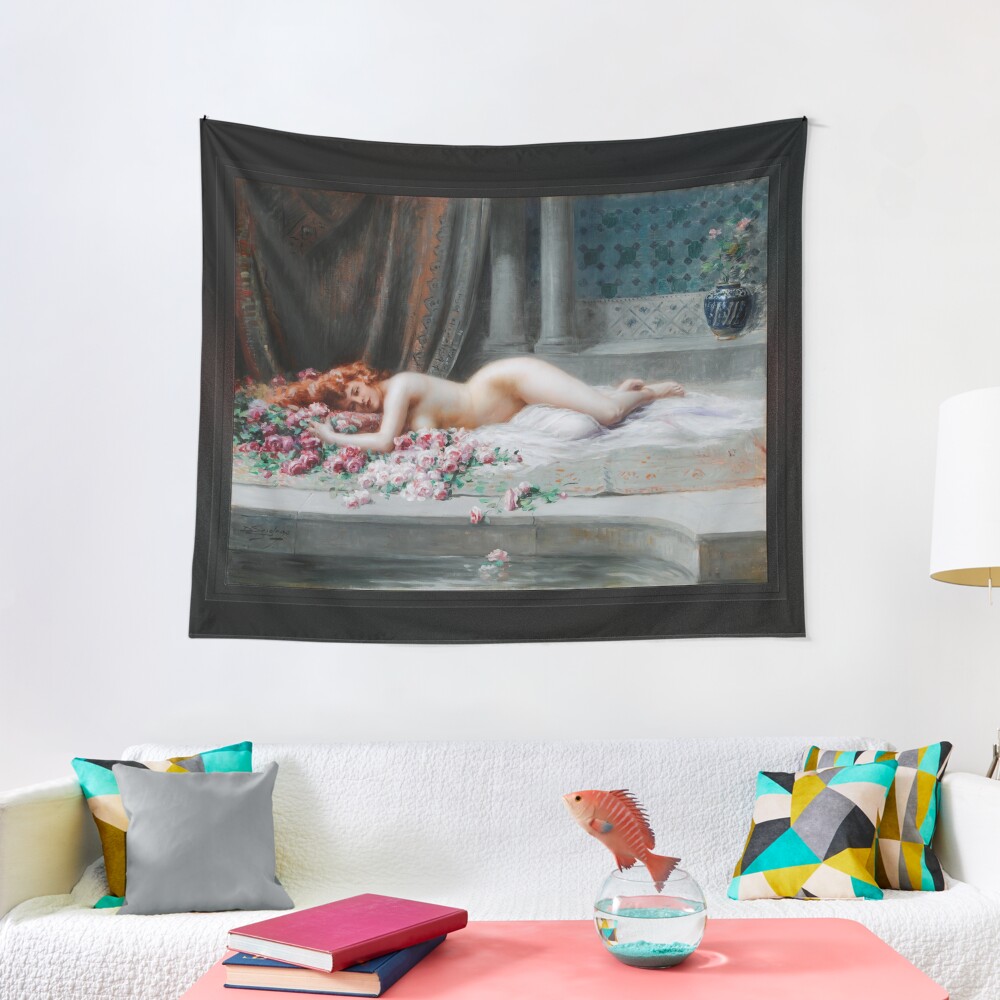
“Biluzik etzanda” (Etzandako Biluzik) artista frantsesak sortutako margolan bikaina da Delphin Enjolras mendearen amaieran, Frantziako arte-eszenak tradizio sinbolistek eta akademikoek eragin handia izan zuten garaian. Delphin Enjolras (1857 – 1945) gizakiaren forma eta argi eta itzalen arteko elkarrekintza harrapatzeko maisutasun finagatik ezaguna zen.
Lan honetan, Enjolrasek etzandako emakumezko biluzik irudikatzen du, arte akademiko klasikoaren oinarri izan zen gaia. Alabaina, bere figuraren tratamendua sentsualtasun eta lasaitasun sotil batez beteta dago, edertasun naturalaren eta giza gorputzaren estimu sakonarekin konbinatuta. Margolanak Enjolrasen teknikaren eta arte klasikoaren ulermen sakonaren erakusgarri da, particularly in his use of soft color palettes and finely tuned details that invite the viewer to contemplate the subject in its purest form.
Edukien taula
Gai nagusia eta osaera
-ren gai nagusia “Biluzik etzanda” etzandako emakumezko figura bat da, positioned gently across a luxurious bed or divan. Emakumea, with her pale, unblemished skin, is the epitome of classical beauty, with her lithe body stretching gracefully across the surface. Ilea, a soft auburn, tumbles around her in loose waves, contributing to the sense of relaxed repose. The woman’s gaze is not directed at the viewer, horren ordez, she appears deep in contemplation or in a moment of private reflection, adding a sense of intimacy to the composition.
The soft curves of her body are highlighted by the careful modeling of light, bere forma naturalak eta azal delikatua azpimarratzen dituen itzal leunak ematen dituena. Artistak irudiaren proportzioei eta bere anatomiaren leuntasunari ematen dion arreta Enjolrasek jaso zuen prestakuntza akademikoa islatzen du., baita grazia eta naturalismoa transmititzeko duen gaitasuna ere.
Bere gorputzaren inguruan lore bizien sorta sakabanatuta dago, obrari sinbolismo geruza bat gehitzen diotenak. Arrosak, bereziki, petaloen artean ikusten dira, edertasunaren ideiak indartuz, hauskortasuna, eta agian maitasuna. Loreek figura biluziaren sentsualitatea leuntzeaz gain, gaia naturarekin lotzeko ere balio dute, giza formaren eta mundu naturalaren arteko harmonia bat iradokiz. Lore elementuek atzealde klasikoarekiko kontraste gisa jokatzen dute, bestela eszena lasai eta intimoa biziarazten duen kolore-eztanda bat eskainiz.
Atzeko planoa eta ezarpena
Margolanaren atzealdean, baldosazko horma batek eta elementu arkitektoniko apainduek aberatsa eskaintzen dute, giro ia exotikoa. Teila urdin eta berde freskoek irudiaren eta loreen berotasunarekin kontrajartzen dute, konposizioan oreka eskainiz. Ezarpenak pribatua iradokitzen du, espazio lasaia, ziurrenik erromatar edo mairu-inspirazioko barrualdea, arkudun atearekin eta arkitektura-lerro sinple baina dotoreekin. Ezarpen hori aukeratzeak lasaitasunaren eta bakardadearen aldarte orokorra hobetzen du, ikuslea atseden lasaiaren unea balioestera animatzea. Fitxak, beren eredu korapilatsuekin, elementu estruktural eta apaingarri gisa balio du, framing the reclining figure while also elevating the sense of luxury and refinement in the scene.
The water feature, possibly a small pool or fountain visible in the lower portion of the painting, contributes to the sense of serenity. The gentle ripples on the water’s surface suggest a stillness in the air, further enhancing the quiet, almost meditative atmosphere that surrounds the figure. This addition of water subtly emphasizes purity and tranquility, enhancing the overall theme of repose and beauty in the natural world.
Estilo Artistikoa, Techniques, eta umorea
Delphin Enjolras’s technique in “Biluzik etzanda” reflects his command of the academic style, where an emphasis on form, anatomia, and the interplay of light is central. Biguna, almost ethereal quality of the light, as it caresses the figure’s skin, is particularly striking in the painting. Enjolrasek leunaren bidez lortzen du hori, geruzadun pintzelkadak arina eta delikatua sentitzen den ehundura lortzen dute. Emakumearen gorputza arretaz erreproduzitzea, koloreen nahasketa leunarekin konbinatuta, aldi berean benetakoa eta ametsezkoa den eszena sortzen du.
Kolorearen erabilera ere esanguratsua da margolanaren giroa ezartzeko. Irudiaren azala bigunez irudikatuta dago, arrosa eta krema tonu argiak, ilunarekin kontrastatuz, loreen tonu aberatsagoak eta hondoko kolore freskoak. Kolore-kontraste hauek garrantzitsuak dira margolanaren elementu ezberdinen arteko oreka harmoniatsua baina dinamikoa mantentzeko. Irudiaren tonu beroek bizitasun eta sentsualtasun sentsazioa gehitzen dute, atzeko planoko tonu freskoagoek eta uraren ezaugarriek lasaitasuna ematen dute, lurreratze efektua.
Aldarte orokorra “Biluzik etzanda” isilaren bat da, edertasun intimoa. Irudiak lasaitasuna eta lasaitasuna ematen du, pentsamenduetan edo atsedenean galduta balego bezala. Emakumearen gorputzaren erretratuan sentsualitate ukaezina dago, baina ez da ageriko probokatzailea; horren ordez, formaren eta mundu naturalarekin duen loturaren ospakizuna da. Argi leuna, loreak, eta giro lasaiak elkarrekin lan egiten dute hausnarketa eta atseden lasaiko une bat transmititzeko.
Bukaera
“Biluzik etzanda” Delphin Enjolras errealismo akademikoaren adibide gisa nabarmentzen da, giza gorputzaren dotorezia atseden lasaiko une batean harrapatuz. Artistak argiaren erreprodukzio trebea, emakume figuraren erretratu delikatua, eta ingurune lasaiak uztartzen dira koadro intimoa eta unibertsalki erakargarria dena sortzeko. It speaks to the timeless tradition of the nude in art, while also offering a unique sense of tranquility and natural beauty.
This is a remastered digital art old masters reproduction of a public domain image that is available as a rolled canvas, akrilikoa, metal and wood prints online.
Artistaren biografia
Informazioa Behean Deribatua Wikipedia.org
Delphin Coucouronen jaio zen, Frantziako hegoaldean dago Casimir Enjolras eta Delphine Laurens-en 1857.
Akuarela ikasi zuen Gaston Gérard frantziar akuarelistaren eskutik “Parisko Udaleko Marrazki Eskola” edo Parisko Hiria Marrazki Eskola eta Jean-Léon Gérômeren eskutik ere ikasi zuen (1824 – 1904) Arte Ederretan (Arte Ederren Eskola), eta Pascal Dagnan-Bouvereten.
Delphins pintura-karreraren hasieran, paisaiak margotu zituen batez ere; baina geroago emakume gazteen erretratuak margotzera igaroko zen, horretan nabarmendu zen.
Bere erretratua emakume gazte eder eta dotoreetan zentratu zen, normalean lanpara-argiaren bidez eguneroko zereginak egiten, hala nola irakurtzea edo jostea; jantzita edo biluzik; bere geroagoko lan asko izaera sentsuala eta erotikoa izanik.