

Nighean pin-up c1928
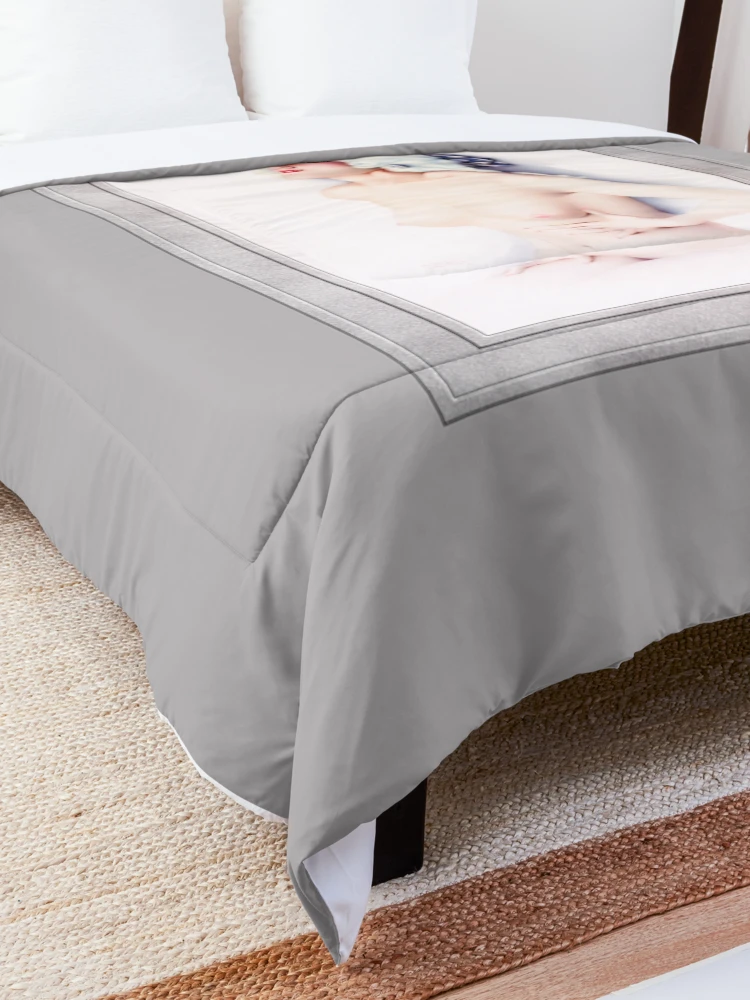
“Nighean pin-up 1928” le neach-ealain Peruach Ìomhaigh neach-àite Alberto Vargas (1896 – 1982) tha e na shealladh iongantach de bhòidhchead boireann, a’ toirt a-steach an t-seun mothachaidh agus an glamour a mhìnich an gnè pin-up tràth san 20mh linn. An obair ealain suaicheanta seo, mar thoradh air stèidheachadh an Salon des Refusés le riaghaltas na Frainge 1928, a’ glacadh brìgh ùidh na linn ann an cruth boireann air leth freagarrach, Vargas taisbeanadh’ sgil iongantach ann a bhith a 'glacadh bogachd agus mìlseachd a chuspair. A mhaighstir air solas agus sgàile, còmhla ris a 'chomas aige eireachdas a thoirt seachad, gràs, agus suathadh de thoileachas spòrsail, air a dhèanamh mar aon den luchd-ealain pin-up as cliùitiche a-riamh.
Clàr-innse
Prìomh chuspair: An nighean prìne suas
Aig cridhe na “Nighean pin-up 1928” tha e na dhealbh de bhoireannach òg, aig a bheil feartan bog agus suidheachadh seductive a’ nochdadh an tarraing a bha cho sònraichte do ghnè ealain prìne. Tha cuspair an deilbh air a sgeadachadh le curls blonde platanam, cascadaich ann an tonnan bog, le aon ribean mòr a' sgeadachadh a falt, mion-fhiosrachadh beag ach cumhachdach a dh’ àrdaicheas seun a coltas. Bidh a ceann a 'lùbadh air ais beagan, sùilean dùinte ann an faireachdainn socair, mar gum biodh e air chall ann am mionaid bruadar de chomhfhurtachd agus de bhòidhchead. An suidheachadh seo, ged a tha e bog, a’ gluasad misneachd sàmhach agus mothachadh air fèin-mhisneachd.
Tha feartan nighean prìne air am peantadh gu grinn, le iom-fhillteachd gun smal agus craiceann gleansach a chuireas ri a càileachd ethereal. Tha an neach-ealain air a faireachdainn aghaidh a thoirt seachad gu faiceallach, le beagan pùt agus sùilean àrdaichte, ag àrdachadh faireachdainn mothachaidh. Am measgachadh de a bilean slàn, craiceann rèidh, agus tha feartan fìnealta a’ gabhail a-steach sàr-mhathas boireannaich air an robh fèill mhòr aig an àm, ga fàgail mar shuaicheantas air beachdan bòidhchead nan 1920an.
Aodach agus Accessories
Fhad ‘s a tha aodach a’ chuspair glè bheag, tha aire chùramach an neach-ealain gu mion-fhiosrachadh ag àrdachadh eadhon an aodach as sìmplidh. Tha am modail air a dhealbhadh gun aodach sam bith, a corp falaichte gu h-ealanta le suidheachadh ro-innleachdail a làmhan. Tha an ìre seo de ealain ag atharrachadh rud a dh’ fhaodadh a bhith air fhaicinn mar ìomhaigh a tha gu math brosnachail gu bhith na ìomhaigh de mhothachalachd seòlta.. Sgàil bhog agus rèidh an fhigear, air a neartachadh le solas agus faileas, leigeil le cumaidhean a bodhaig nochdadh gu nàdarra, a’ taisbeanadh comasachd Vargas ann a bhith a’ toirt seachad an cruth daonna.
Is e feart sònraichte de choltas na h-ìghne prìne am bogha sgeadachaidh mòr na falt. Tha am bogha na sgàil dhomhainn de ghorm le pàtrain fhlùraichean, a’ tabhann eadar-dhealachadh iongantach ri cho aotrom ‘s a tha a falt bàn platanam. Chan e a-mhàin gu bheil an accessory seo a’ cur blasad de whimsy ach tha e cuideachd a’ samhlachadh ùidh na linn ann am boireannachd., Òigridh, agus neo-chiontachd, eadhon taobh a-staigh frèam sensuality. Tha an fhàinne-cluaise daoimean boillsgeach na cluais a’ neartachadh a bòidhchead agus a glamour, a’ frithealadh mar mhion-fhiosrachadh seòlta ach cudromach.
Co-dhèanamh agus Dath Palette
Vargas a’ cleachdadh dath a-staigh “Nighean pin-up 1928” chan eil dad nas giorra na sgoinneil. Palet bog ainm-sgrìobhte an neach-ealain, air a riaghladh le dathan soilleir, a’ cruthachadh bruadar, àile cha mhòr ethereal timcheall air an fhigear. Na tònan blàth blàth air gruaidhean na boireannaich agus am bog, tha dathan ciùin na falt aice eadar-dhealaichte ri cho follaiseach sa tha an cùl geal, ga dhèanamh na mheadhan gun teagamh anns an sgrìobhadh. Tha bogachd nan dathan a’ cur ri nàdar fìnealta is tarraingeach a’ chuspair, ag àrdachadh mothachadh neo-chiontachd agus mothachaidh.
Bidh aotromachd a’ chùil a’ tarraing aire an neach-coimhead chun fhigear sa mheadhan, fhad ‘s a tha an ìre de faileas air a cruth a’ cruthachadh doimhneachd agus meud. Tha an dòigh-obrach minimalistic air a’ chùl a’ leigeil leis an fhigear seasamh a-mach gu tur eadar-dhealaichte, a’ comharrachadh faireachdainn aonaranachd, mar gum biodh i ann an saoghal dhi fhèin. Chan eil buairidhean sam bith ann, a mhàin maise agus gràs a' chuspair, a thig gu bhith nam prìomh eileamaidean den obair.
Stoidhle agus innleachd
Bha Alberto Vargas na mhaighstir air an stoidhle pin-up, gnè a nochd tràth san 20mh linn agus a thàinig gu bhith na chomharradh air cultar mòr-chòrdte, gu h-àraidh anns na 1940an agus na 1950an. Ged a tha Vargas gu tric co-cheangailte ris an ùine nas fhaide air adhart, “Nighean pin-up 1928” a’ toirt sealladh tràth air an mean-fhàs stoidhle aige. Tha an dòigh-obrach aige anns a’ phìos seo mar aon de bhòidhchead ath-leasaichte agus grinn, a’ glacadh bòidhchead agus mothachalachd na h-òige ann an cruth boireann ann an dòigh a bha an dà chuid blasda agus tarraingeach.
Tha an dòigh-obrach Vargas air a chleachdadh bog agus rèidh, le dathan measgaichte agus crìochnachadh snasail. Tha an cleachdadh aige de dhath a’ cur ri trì-mheudachd a’ chuspair, agus tha rèidh an obair-peantaidh a’ cur ri bog na h-ìomhaigh, cruthachadh faireachdainn de dhlùthsachd agus blàths. Tha coltas gu bheil a h-uile bruis a dh'aona ghnothaich, le cumaidhean an fhigear agus na faileasan beaga fo chorp a’ mhodail air an toirt seachad gu foirfeachd. Is e an toradh ìomhaigh a tha a’ faireachdainn an dà chuid gun ùine agus dlùth, a’ toirt cuireadh don neach-coimhead gu àm prìobhaideach de ghràs.
Cuspair agus mood
An cuspair iomlan a “Nighean pin-up 1928” tha aon de mhaise na h-òige, gràs, agus ciallity. Tha am faireachdainn a tha am pìos a’ nochdadh mar aon de fhaireachdainn bog, far a bheil giùlan socair agus socair a’ chuspair an coimeas ris na taobhan as suaicheanta den t-suidheachadh aice. Chan eil ionnsaigheachd no gnèitheachas follaiseach anns a 'phìos; an àite sin, tha an fhaireachdainn spòrsail agus socair, comharrachadh den chruth boireann anns an dreach as freagarraiche aige.
Tha am faireachdainn a chruthaich Vargas mar aon de mhealladh seòlta, leis an nighean prìne a’ togail misneachd agus comhfhurtachd na craiceann fhèin. Tha an obair-ealain a 'toirt seachad càileachd cha mhòr bruadar, far a bheil coltas gu bheil ùine a’ slaodadh sìos, agus tha cuireadh aig an neach-coimhead a bhith a’ basachadh ann am bòidhchead bog a’ chuspair. Tha am faireachdainn gun ùine, a’ glacadh brìgh allure boireann gun fheum air soilleireachd.
Co-dhùnadh
“Nighean pin-up 1928” le Alberto Vargas na dheagh eisimpleir de obair thràth an neach-ealain anns a’ ghnè pin-up. Tha e a’ nochdadh a mhaighstireachd theicnigeach agus a chomas air am figear boireann a thoirt seachad le gràs agus mothachadh. Tha an dealbh na theisteanas air buaidh mhaireannach an neach-ealain ann an saoghal deilbh agus ealain prìne., a’ glacadh ùidh bho àm ann am bòidhchead, neo-chiontach, agus tarraing air dòigh a tha a 'dol thairis air ùine.
Neach-ealain Bio
Fiosrachadh gu h-ìosal bho Wikipedia.org
Rugadh e ann an Arequipa, Peru, bha e na mhac leis an dealbhadair ainmeil Peruach Max T.. Vargas. Ghluais Alberto Vargas dha na Stàitean Aonaichte a-steach 1916 às deidh dha sgrùdadh a dhèanamh air ealain san Roinn Eòrpa, Zurich, agus Geneva ron Chiad Chogadh.
Fhad ‘s a bha e san Roinn Eòrpa thàinig e air an iris Frangach La Vie Parisienne, le còmhdach le Raphael Kirchner, a thuirt e a thug buaidh mhòr air an obair aige.
Bha a dhreuchd tràth ann an New York a ’toirt a-steach obair mar neach-ealain airson na Ziegfeld Follies agus airson mòran stiùidio Hollywood. Chroch Ziegfeld an dealbh aige de Olive Thomas aig an taigh-cluiche, agus bhathas den bheachd gur i aon de na caileagan Vargas as tràithe.
Vargas’ bha am pìos film as ainmeil airson postair an 1933 film The Sin of Nora Moran, a tha a ’sealltainn Zita Johann a tha cha mhòr lomnochd ann an suidheachadh dòrainn. Tha am postair air ainmeachadh gu tric mar aon de na postairean film as motha a chaidh a dhèanamh a-riamh.
Bha e ainmeil fad is farsaing anns na 1940an mar neach-cruthachaidh ìomhaighean ainmeil àm an Dàrna Cogaidh airson an iris Esquire ris an canar “Nigheanan Vargas.” Eadar 1940 agus 1946 Vargas air a thoirt a-mach 180 dealbhan airson an iris.
Chaidh ealain sròin mòran de phlèanaichean Ameireagaidh agus an Dàrna Cogadh a bhrosnachadh agus atharrachadh bho na h-iomairtean prìne Esquire sin, a bharrachd air an fheadhainn aig Seòras Petty, agus luchd-ealain eile.