

Portrait Bust Of A Young Girl
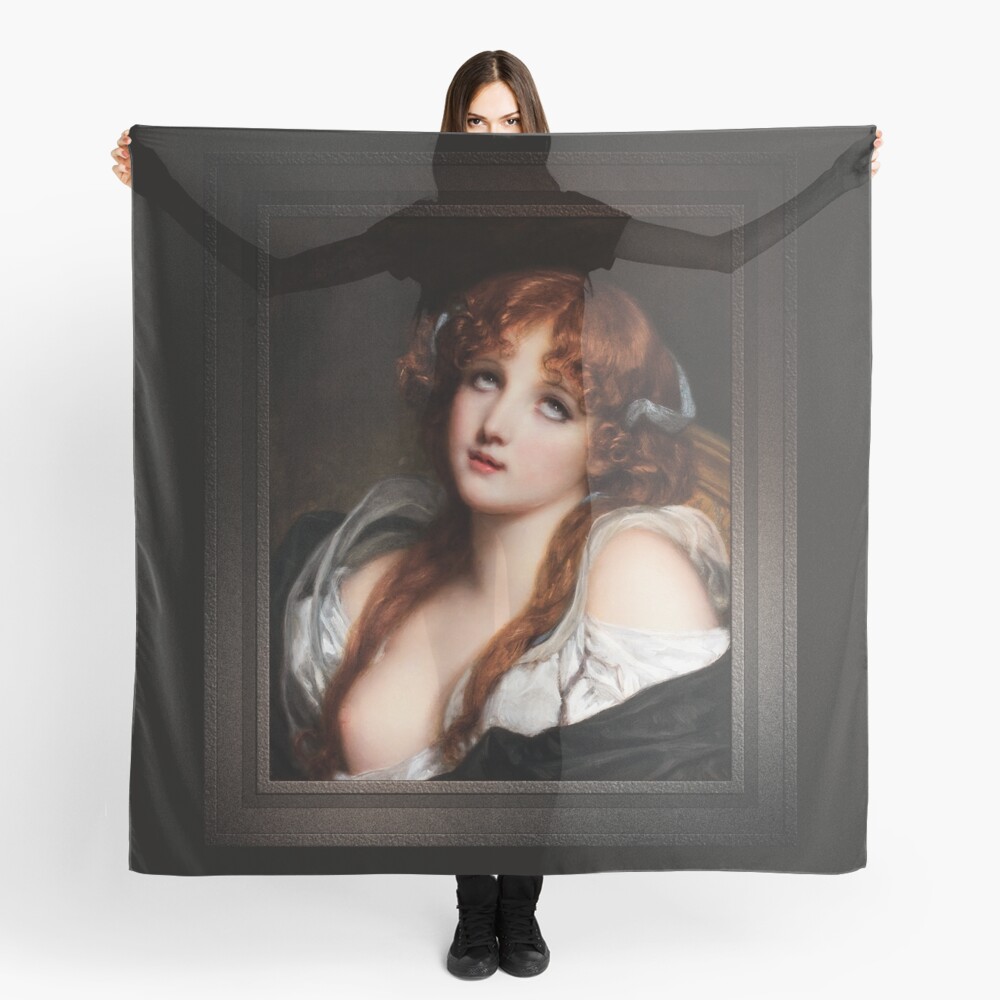
An dealbh “Portrait Bust Of A Young Girl” air a chruthachadh a-steach 1805 le Jean-Baptiste Greuze (1725 – 1805) a’ glacadh mionaid de bhòidhchead fìnealta ach tarraingeach. Greusaidh, ainmeil airson a chomas a bhith a’ sealltainn gach cuid doimhneachd tòcail agus mionaideachd theicnigeach, a’ peantadh na h-ìghne òig seo ann an dòigh a dhùisgeas an dà chuid neoichiontachd agus inbheachd sàmhach, a’ freagairt gu sgiobalta taobh a-staigh stoidhle Rococo deireadh na 18mh linn. An dealbh, ged a tha e na bhriseadh, tha e beairteach ann am mion-fhiosrachadh agus brìoghmhor na dhealbh de neoichiontachd òigridh agus na h-iom-fhillteachd neo-labhairteach air cùl sealladh tairgse.
Clàr-innse
Cuspair agus sgrìobhadh
Anns an obair seo, Tha Greuze gu tur ag amas air bodhaig nighean òg, a corp àrd agus a ceann a 'lìonadh an fhrèam. Tha an nighean air a thaisbeanadh ann am bog, suidheachadh cha mhòr sàmhach, thionndaidh a h-aodann beagan ris an taobh chlì, as if caught in a moment of deep thought or reverie. She gazes upward, her eyes wide yet softened, creating an expression that communicates both youth and vulnerability. Her face is delicately illuminated by soft lighting, which enhances the gentle contours of her cheeks and the curve of her neck, emphasizing her natural beauty.
The subject’s age is hard to determine precisely, though she appears to be in her early teens, a common choice for Greuze in his depictions of young women. This age group, teetering between childhood and adulthood, allows the artist to imbue the portrait with a sense of both innocence and anticipation. The girl’s facial expression remains neutral, though her slightly parted lips and the subtle tilt of her head suggest an underlying introspection or contemplation, as if she is caught between the innocence of childhood and the emerging complexities of adulthood.
The simplicity of her attire adds to the overall elegance of the portrait. The girl is dressed in a loose, flowing white gown, which contrasts subtly against the dark background. The fabric of her dress is rendered with remarkable care, its soft folds accentuating her slender frame and the natural grace with which she holds herself. The artist’s attention to detail in rendering the textures of the fabric against her skin emphasizes the painterly skill that Greuze was known for, as well as his deep understanding of light and shadow.
Cùl-fhiosrachadh agus faireachdainn
The background of the painting is dark and neutral, allowing the viewer’s attention to remain focused on the figure of the girl. Bidh Greuze a’ cleachdadh caisead seòlta de thònan dorcha gus doimhneachd a thoirt don sgrìobhadh fhad ‘s a nì e cinnteach nach bi eileamaid sam bith a’ farpais ris a ’phrìomh chuspair. Tha dìth eileamaidean cùl-fhiosrachaidh mionaideach no tarraingeach a’ daingneachadh faireachdainn introspection sàmhach. Chan eil dragh no suidheachadh follaiseach anns an dealbh, a leigeas le faireachdainn tòcail an cuspair fuireach aig fìor thoiseach.
Tha am faireachdainn a tha an dealbh seo a’ nochdadh mar aon de shàmhchair measgaichte le beachd dìomhaireachd. Tha faireachdainn socair na h-ìghne òg ach beagan melancholic, còmhla ris an t-solas bog agus cùl-raon sìmplidh, a’ nochdadh faireachdainn de chianalas agus de chaoimhneas. Tha càileachd gun ùine aig an obair, mar gum biodh an nighean ann an àite a tha air falbh bho chuideam ùine agus àite, captured in a fleeting moment of quiet reflection. The subdued tones and absence of bold contrasts create a soft atmosphere, with no sense of urgency, only the peaceful stillness of a moment frozen in time.
The emotional depth of the portrait can be attributed to Greuze’s mastery in rendering subtle psychological nuances. Unlike many portraits from the period that might showcase overt displays of wealth or status, this painting is deeply personal, focusing instead on the quiet expression of the sitter. The girl’s eyes, though wide, do not appear startled; An àite sin, they seem to observe the world around her with a sense of quiet thoughtfulness, as if the artist has captured a glimpse into her inner world. This adds a layer of complexity to the painting, inviting viewers to consider what the girl might be thinking or feeling at this moment.
Innleachd agus stuthan
Greuze’s technical prowess is evident in every brushstroke of the portrait. His use of oil paint allows for a depth of color and texture that contributes to the lifelike quality of the girl’s skin and the fluidity of her gown. The artist’s careful manipulation of light and shadow, particularly in the depiction of the girl’s soft features, contributes to the depth and three-dimensionality of the portrait. Greuze skillfully blends warm tones in the face and skin with cooler tones in the background, further emphasizing the subject’s warmth and presence within the composition.
One of the most striking features of the painting is the texture of the girl’s hair. Rendered with delicate curls and waves, her hair adds an element of softness and movement to the otherwise still and composed portrait. Greuze’s attention to the fine details of her hair contrasts with the simplicity of the gown, allowing the viewer’s eye to follow the gentle contours of the young girl’s form and to appreciate the artist’s ability to capture the subtleties of the human figure. The shadows are carefully placed, highlighting the natural flow of her hair and the soft curve of her neck, which further adds to the overall realism and fluidity of the composition.
Stoidhle ealain agus buaidh
As a work from the late 18th century, “Portrait Bust Of A Young Girl” a’ freagairt gu ceart ri traidisean Rococo, characterized by an emphasis on elegance, ath-nuadhachadh, and emotional expressiveness. Ach, Greuze’s work also bears the hallmarks of the transition towards Neoclassicism, particularly in his use of simplicity and focus on realism. Unlike the more ornate Rococo portraits of the time, Greuze’s portrayal is less concerned with grandiose embellishments and more focused on capturing the quiet inner life of his subject.
An stoidhle Rococo, known for its light-hearted and playful themes, is evident in the soft, pastel tones and the focus on youthful beauty. Ach, Greuze’s particular brand of Rococo incorporates more serious undertones, blending the frivolity of the period with a sense of emotional depth and psychological insight. This balance between lightness and gravitas is what sets Greuze apart from other artists of his time and gives his portraits their timeless appeal.
Co-dhùnadh
“Portrait Bust Of A Young Girl” by Jean-Baptiste Greuze is a masterful representation of a young girl caught in a moment of quiet contemplation. Through his skillful use of light, inneach, and subtle emotional expression, Greuze creates a portrait that transcends its immediate context and offers viewers a glimpse into the complexity of youthful innocence. The mood of serenity and introspection, coupled with the technical mastery on display, makes this painting a timeless work of art that continues to resonate with viewers today.
Is e seo ath-riochdachadh seann mhaighstirean ealain didseatach ath-leasaichte de ìomhaigh fearann poblach a tha ri fhaighinn mar chlò-bhualadh canabhas air-loidhne.
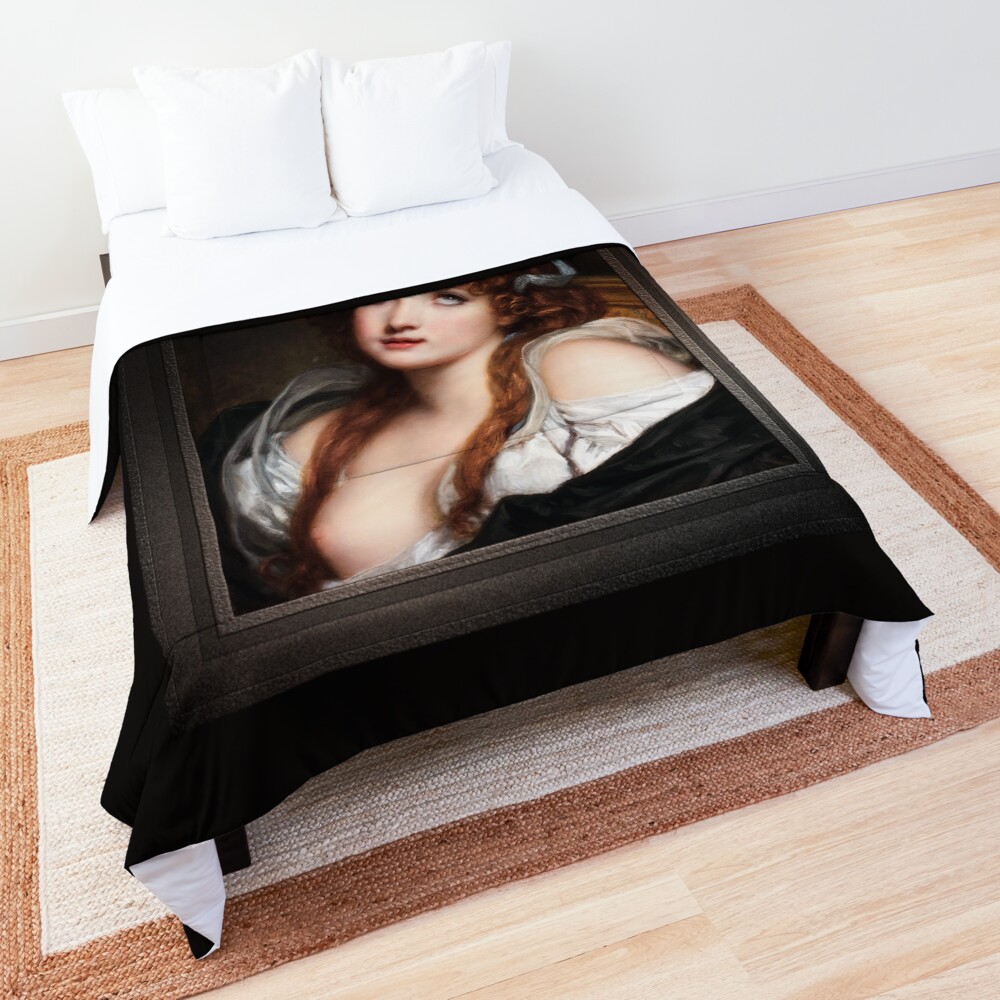
An cruthachadh ealain didseatach seo, mar a tha leis a h-uile obair-ealain a gheibhear air làrach-lìn Xzendor7 ri fhaighinn airson a cheannach air-loidhne ann an grunn chruthan stuth a’ gabhail a-steach clò-bhualaidhean canabhas, dealbhan acrylic, clò-bhualaidhean meatailt, clò-bhualaidhean fiodha, lèileagan frèam, postairean, agus mar chlò-bhualadh canabhas air a roiligeadh ann an grunn mheudan bho 12 òirlich gu 72 òirlich a rèir meud an fhìor obair-ealain agus a’ bhùth clò-bhualaidh air iarrtas a thaghas tu airson an ealain a cheannach.
Tha an obair-ealain cuideachd ri fhaighinn air raon farsaing de dh’ aodach fireannaich is boireannaich, mugaichean, toitean, sgarfaichean, leabhraichean notaichean agus irisean agus mòran stuthan sgeadachaidh dachaigh.
Mu dheidhinn an Neach-ealain
Tha am fiosrachadh gu h-ìosal a’ tighinn bho NGA.gov
Rugadh Sìne ann an Tournus, anns an Fhraing 1725 mar an t-siathamh mac aig maighstir tiler a dh'aithnich a thàlant aig aois glè òg; a chuir gu Lyon e, An Fhraing gus sgrùdadh a dhèanamh leis a’ pheantair dhealbhan Frangach Charles Grandon (1691 – 1762).
Aig mu aois a 30 dh'fhàg e Lyon, agus chaidh e gu Paris, An Fhraing gus sgrùdadh a dhèanamh aig an Académie royale de peinture et de deilbheadh no Acadamaidh Rìoghail Peantadh is Deilbhidh; a bha aig an àm na phrìomh ionad ealain na Frainge anns a’ phàirt mu dheireadh den Ancien Régime (Old Regiem ~ 1500 gu 1789), gus an do chuireadh as dha ann an 1793 aig àm Ar-a-mach na Frainge.
Dealbh ath-dhealbhadh de dhealbhan de nighean òg le Jean-Baptiste Greuze
Ged a bha e air leth tàlantach agus air leth soirbheachail anns na 1760an agus 1770an, le luchd-taic do leithid am Marquise de Pompadour (1721 – 1764), Bana-phrionnsa Catherine II na Ruis (r. 1762 – 1796), agus Ange Laurent bho La Live de Jully (1725 – 1779); bhiodh a nàdar ceannairceach agus a chòmhstri ri oifigearan na h-Acadamaidh agus an Salon na mhì-fhortan dha; gu sònraichte às deidh a phòsadh ri Anne Marie Babuty ann an 1759; a bhiodh 'na thubaist dha, oir bha fios aice gu robh diofar chùisean aice leis na h-oileanaich agus na suidheadairean aige, a thug air teachd a-steach a chall agus irioslachd poblach.
Nuair a thàinig am pòsadh gu crìch 34 bliadhnaichean an dèidh sin fhuair a bhean tuineachadh susbainteach, a dh'fhàg e ann an droch ionmhas agus aig àm a bhàis ann 1805 aig aois 80 cha mhòr nach robh e briste.