

Portrait Of Anna Sten c1934
“Portrait Of Anna Sten c1934” is a remarkable piece by the celebrated Peruvian artist Alberto Vargas, known for his iconic pin-up art and portraiture. Urodzony w 1896 i przejście 1982, Vargas became synonymous with capturing the beauty and allure of women in his distinctive style. W tej grafice, he masterfully illustrates his signature approach to portraiture, blending elegance with sensuality in an era defined by glamour and refinement. Ten kawałek, stworzony w 1934, portrays the actress Anna Sten, an important figure in the early 20th century cinematic landscape.
Spis treści
Main Subject and Style
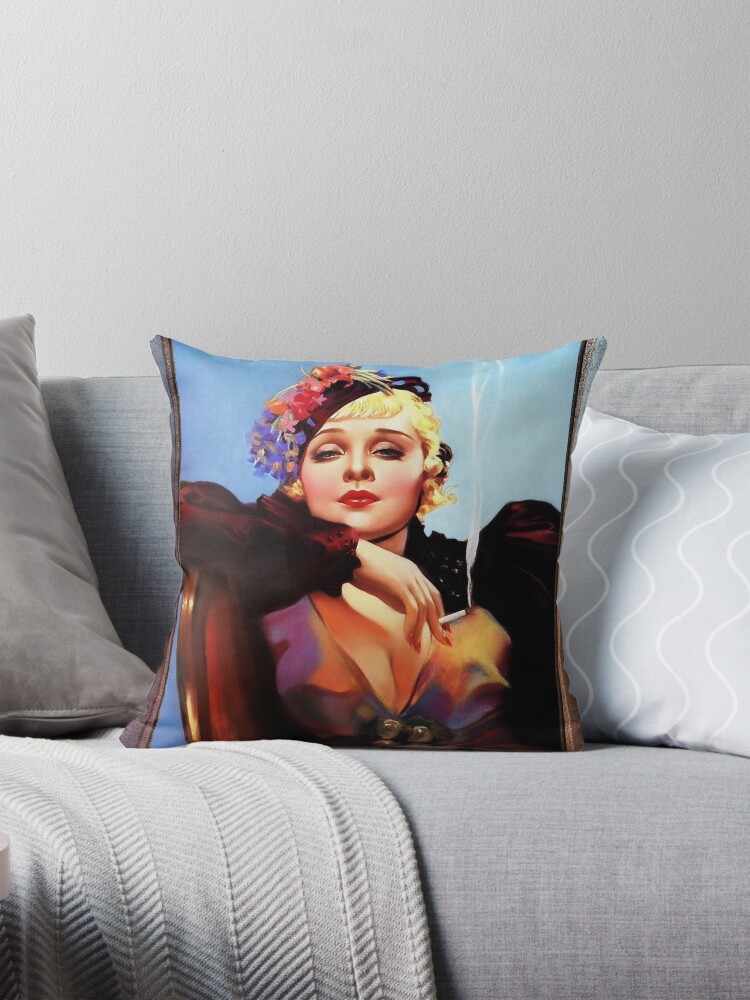
The subject of the portrait is Anna Sten, a Soviet-born actress who achieved some degree of fame in Hollywood during the 1930s. Sten’s portrayal in this artwork reflects the luxurious yet sensual style that Vargas is known for. She gazes at the viewer with a serene, almost enigmatic expression that suggests both confidence and quiet allure. Jej postawa jest opanowana, yet there is an undeniable softness to her presence, emphasized by the gentle curve of her neck and the placement of her arm.
The style of the painting reflects Vargas’s reputation for depicting the human form with soft curves and radiant, glowing skin. There is a particular emphasis on the subject’s facial features – from her perfectly sculpted cheekbones to her delicate lips and piercing eyes. Vargas’ use of light and shadow is exceptional, creating depth and emphasizing the texture of her skin and hair. The softness of the colors contrasts with the sharper definition of her features, highlighting the artist’s keen eye for balance and detail.
The background of the painting is a soft, blended gradient of blues, a color choice that not only adds to the overall calmness of the image but also makes the figure of Sten stand out as the focal point. Vargas does not clutter the background with unnecessary details, allowing the viewer to fully focus on the subject’s beauty and elegance.
Przedmioty i materiały
Anna Sten is dressed in a sophisticated, deep burgundy gown that wraps around her shoulders in flowing fabric, which complements the color of her lips. The gown is subtly highlighted with a series of floral patterns, particularly at the collar area, which enhance the romantic and classic nature of the portrait. The sheer delicacy of the fabric is captured by Vargas with extraordinary finesse, with the light reflecting off it in a way that showcases the texture and softness of the material.
W jej dłoni, Sten holds a cigarette, the smoke trailing upwards in a faint wisp, further enhancing the mood of sophistication and elegance. The inclusion of the cigarette adds to the narrative of allure, subtly referencing the glamor of the 1930s film industry and the social norms of the time. Her other hand rests gently on the armrest of the chair, drawing attention to her nails, which are painted in a deep, vibrant red. This small yet significant detail conveys both attention to detail and an understanding of the subject’s social status — the polished nails hint at the high society to which Anna Sten belonged.
The smoke curling from the cigarette adds an ethereal, almost surreal element to the portrait, guiding the viewer’s eye upward, creating a dynamic contrast to the otherwise static, composed figure of the actress. This element adds to the overall fluidity of the composition, allowing the piece to breathe and remain lively despite its formal nature.
Terrain and Surroundings
The terrain in “Portrait of Anna Sten” is minimal, with Vargas choosing to focus entirely on the subject herself rather than the environment. The portrait does not present a traditional setting, such as a lavish interior or outdoor landscape. Zamiast , the scene is stripped of superfluous elements, with Sten placed in a neutral space where her presence alone is the defining characteristic.
The chair upon which she rests appears to be of rich wood, though it is not overly detailed. Its presence is understated, serving primarily to provide the necessary support for the subject without distracting from the portrait’s main theme. The rest of the space around Sten is left to the viewer’s imagination, the abstract use of color in the background and soft lighting giving the impression of an intimate, niemalże marzycielska atmosfera.
Temat i nastrój
The theme of the painting is one of refined beauty and captivating grace, capturing a moment of calm yet compelling confidence. The mood is one of quiet contemplation and poise, evoking a sense of nostalgia for a time when Hollywood icons like Anna Sten were at the height of their fame. Vargas’s rendering of the subject is both intimate and grandiose, suggesting the duality of being a public figure — admired by many, yet always somewhat removed in their personal space.
The color palette of the portrait further reinforces this mood. The cool tones in the background are balanced by the warm hues of Sten’s skin and the vibrant reds of her lips and nails, creating a harmony between the figure and the environment. The smoothness of her skin is paired with the soft, almost dreamlike texture of the background, highlighting Vargas’s ability to capture not just the outward beauty of his subjects, but also their inner radiance.
There is an underlying sense of sophistication in the composition, with the actress portrayed not as an object of desire, but as a woman of power and elegance. The inclusion of the cigarette and the regal nature of the attire communicate an air of confidence, while the softness of her expression adds depth and complexity to her character.
Wniosek
Alberto Vargas’s “Portrait of Anna Sten c1934” is a stunning example of portrait art that transcends simple representation, offering a glimpse into the refined elegance of a bygone era. The painting exudes a timeless quality, capturing the spirit of the 1930s with its glamorous yet understated style. Through his expert use of color, światło, i skład, Vargas has crafted an artwork that speaks not only to the subject’s outer beauty but also to the era’s cultural fascination with grace, sofistyka, and feminine power.
Portrait Of Anna Sten c1934 by Peruvian Artist Symbol zastępczy dla Alberto Vargas (1896 – 1982); za jego ponętną i wykwintną sztukę pin-up girl i uważany za najsłynniejszy z gatunku artystów pin-up.
To portret pięknej blondynki urodzonej na Ukrainie, amerykańskiej aktorki Anny Sten (Anna Pietrowna Fesak 1908 – 1993); w pozie z filmu z epoki pre-code Nana, wyprodukowany przez Samuela Goldwyn.
Anna siedząca na krześle z wysokim oparciem, opierając prawą rękę na oparciu krzesła, trzymając między palcem wskazującym i środkowym prawej dłoni zapalonego papierosa.
Ma na sobie czerwoną marynarkę (ewentualnie bolerko) i suknia wieczorowa z dużą szarfą ze sprzączką, która ma 5 duże metalowe kule.
Na głowie ma kapelusz w kolorze wina czerwonego, ozdobiony błękitem, czerwone i pomarańczowe kwiaty; w pełnym stroju, co czyni ją obrazem elegancji mody lat 30..
Portret Anny Sten to wyretuszowana cyfrowa reprodukcja starych mistrzów obrazu z domeny publicznej.
Biografia artysty
Informacje poniżej od Wikipedia.org
Urodzony w Arequipie, Peru, był synem znanego peruwiańskiego fotografa Maxa T. Vargas. Alberto Vargas przeniósł się do Stanów Zjednoczonych w 1916 po studiach artystycznych w Europie, Zurych, i Genewa przed I wojną światową.
Będąc w Europie natknął się na francuski magazyn La Vie Parisienne, z okładką Raphaela Kirchnera, co, jak powiedział, miało ogromny wpływ na jego pracę.
Jego wczesna kariera w Nowym Jorku obejmowała pracę jako artysta dla Ziegfeld Follies i dla wielu hollywoodzkich studiów. Ziegfeld powiesił swój obraz Olive Thomas w teatrze, i była uważana za jedną z pierwszych Vargas Girls.
Vargas’ najsłynniejszym dziełem filmowym był plakat filmu 1933 film Grzech Nory Moran, który przedstawia prawie nagą Zitę Johann w pozie desperacji. Plakat jest często nazywany jednym z najlepszych plakatów filmowych, jakie kiedykolwiek powstały.
W latach 40. stał się powszechnie znany jako twórca kultowych pin-upów z czasów II wojny światowej dla magazynu Esquire znanego jako “Dziewczyny Vargasa.” Między 1940 i 1946 Wyprodukowano Vargas 180 obrazy dla magazynu.
Rysunki na nosie wielu amerykańskich i alianckich samolotów z okresu II wojny światowej zostały zainspirowane i zaadaptowane z tych pin-upów Esquire, jak również te George'a Petty, i innych artystów.