

דיוקן של הדוכסית הורטנס מנצ'יני ממזרין, בתור אפרודיטה
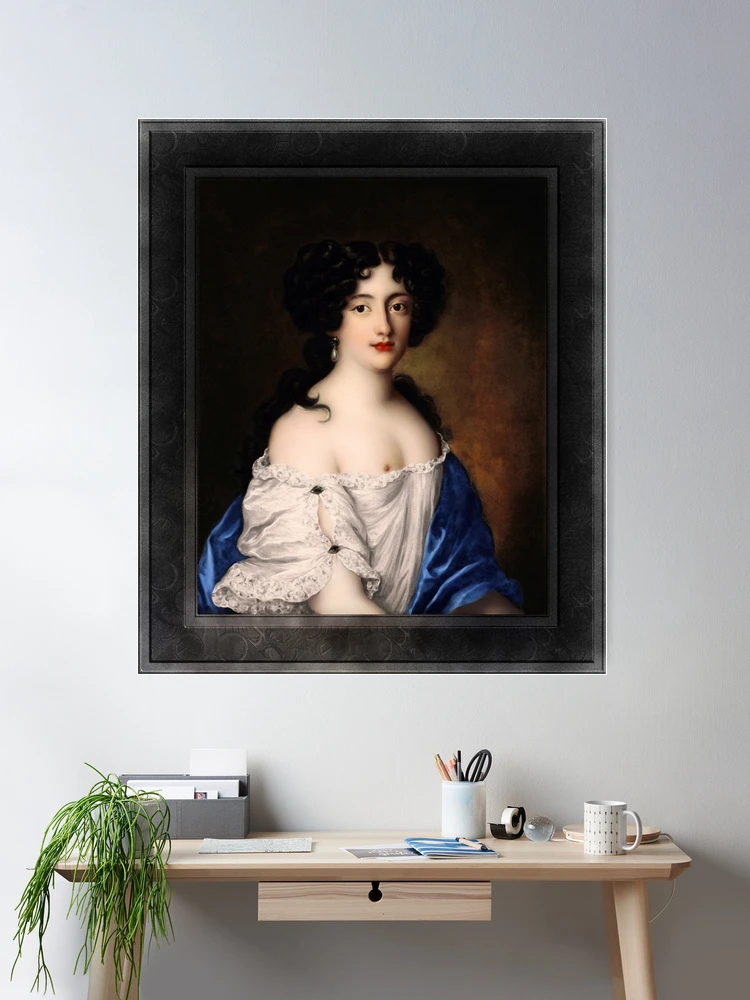
יעקב פרדיננד ווט'ס (1639 – 1689) “דיוקן של הורטנס מנצ'יני (1646 – 1699), הדוכסית ממזרין, בתור אפרודיטה,” נוצר מסביב 1675, מציג תיאור בולט וחינני של הורטנס מנצ'יני, אחת הנשים המפורסמות ביותר בתקופתה. נולד למשפחת מנצ'יני המפוארת, היא הייתה אחייניתו של הקרדינל מזרין, וחייה היו בסימן תככים, עוֹשֶׁר, ויופי. הציור של Voet מדגים את השפע של סוף המאה ה-17, במיוחד הקסם של בית המשפט הצרפתי מהמיתולוגיה הקלאסית, המשלבת גם את מעמדה האריסטוקרטי וגם את הוד המיתולוגי שלה. Hortense Mancini מוצג בתור אפרודיטה, אלת האהבה, יוֹפִי, ורצון, דמות שמהותה מחלחלת לכלל הקומפוזיציה.
תוכן העניינים
נושא והרכב
הדמות המרכזית של הציור, הורטנס מנצ'יני, הוא התגלמות של אלגנטיות מעודנת. היא מתוארת בתנוחה רכה אך אסרטיבית, מבטה פוגש את הצופה בתחושה של ביטחון עדין. Voet לוכדת בזהירות את יופיה, להחדיר לציור תחושת אצילות והדר מיתולוגית. התכונות הקלאסיות של הורטנס, כולל מצח גבוה, שפתיים מלאות, ועיניים חטובות, מעובדים בקפידה, הוספת איכות אתרית לפורטרט.
הלבוש שלה, שילוב בולט של בדים עשירים, מהווה מוקד חזותי מיידי. המשוחרר, שמלה עטופה חלקית, עשוי מחומר לבן מנצנץ, מוחזק יחד על ידי סוגרים עדינים, יצירת אשליה של יוקרה ללא מאמץ. קו הצוואר של השמלה פתוח וזורם, הקפלים שלו מעוררים את התנועה הטבעית של הבד, which draws attention to the softness of the skin and the graceful contours of her body. The deep blue robe, draped over her shoulders and cascading down her back, contrasts beautifully with the white dress. It serves to highlight the goddess-like radiance that Hortense exudes, enhancing her role as Aphrodite.
Aphrodite is often depicted with flowing, שיער נפח, והנה, Voet adheres to this tradition. Hortense’s hair, dark and luxuriant, is styled in soft waves, flowing over her shoulders and further emphasizing her divine femininity. Her curls, meticulously painted, frame her face in a way that enhances the sensuality and softness of her expression.
To further emphasize her connection with the classical goddess, Voet includes subtle elements of the mythological world. A delicate pearl earring is visible in her ear, symbolizing both her wealth and divine status, while her hands rest gently on her gown, one hand slightly raised as though inviting the viewer into her world of beauty. These small yet significant details further elevate Hortense from a mere aristocratic subject to a symbolic embodiment of love and beauty.
הרקע וההגדרה
The background of the portrait remains intentionally subdued, עם עמוק, dark hues that allow the figure of Hortense to emerge almost from the shadows. העשירים, velvety tones of the backdrop are characteristic of many Flemish and Baroque portraits of the time. The lack of a clear, detailed setting allows the viewer to focus entirely on the figure of Hortense and her symbolic role as Aphrodite. The subtle interplay of light and shadow helps create a sense of depth, with light subtly illuminating the folds of her gown and her radiant face, enhancing her almost otherworldly presence.
While the background remains neutral, the overall composition evokes the idealized and mythological, much like the romanticized depictions of classical goddesses. Voet, much like other artists of his time, understood that portraits of aristocratic women were often not just representations of physical beauty but also reflections of their power, status, and symbolic roles in society.
סגנון וטכניקה אומנותית
Voet’s style reflects the Baroque tradition, with a focus on opulence, פרט מורכב, ועוצמה רגשית. His rendering of texture, particularly in the depiction of fabrics, שֵׂעַר, and skin, is masterful. The play of light on the different surfaces—glossy pearls, velvety fabric, ובשר רך - מפגין את מיומנותו יוצאת הדופן בלכידת ריאליזם תוך שמירה על אידיאליזציה, איכות כמעט חלומית בהצגת הנושא.
השימוש ברך, משיכות מכחול משולבות יוצרות מעבר חלק בין אור לצל, תורם לתחושת ההרמוניה הכללית בקומפוזיציה. הטכניקה של Voet מעודנת ומוקפדת, בולט במיוחד באופן שבו הוא לוכד את האיכות הזוהרת של גוון העור של הורטנס, שעומד בניגוד יפה לגוונים הכהים יותר של הרקע. הפרט בשמלתה, במיוחד הקפלים העדינים, מדגיש את תשומת הלב של האמן לאיכות המישוש של הבד, מרכיב חשוב בפורטרטים מתקופת הבארוק, שבו ייצוג העושר היה גורם מפתח בסמל האצולה.
מצב רוח ונושא
מצב הרוח של הדיוקן הוא של כבוד שקט, שילוב עדין של חושניות ועוצמה. התנוחה והביטוי של הורטנס מרמזים על פגיעות ושליטה כאחד, מזמין את הצופה לעולם שבו היופי מתעלה על הרגיל. על ידי ליהוק אותה בתור אפרודיטה, Voet מעלה את דמותה מזו של אישה אריסטוקרטית לדמות בעלת משמעות מיתולוגית. נושאי האהבה, יוֹפִי, וחסד אלוהי שזורים לאורך הציור, כפי ש- Voet משתמשת בהתייחסויות קלאסיות כדי להעלות את הנושא מעבר לתפקידה הארצי.
הדיוקן גם מרמז על האופי המורכב ולעתים קרובות הסותר של חייו של הורטנס. בזמן שהיא נחגגה על יופיה ומעמדה, חייה התאפיינו גם במאבקים אישיים ופוליטיים. בתור אפרודיטה, היא הופכת לסמל אידאלי של אהבה ויופי, but this idealization also creates a distance from the complexities of her reality. The contrast between the idealized image and her actual life serves to deepen the emotional resonance of the painting, as it highlights the tension between appearance and reality that is often present in aristocratic portraiture.
מַסְקָנָה
Jacob Ferdinand Voet’s “Portrait of Hortense Mancini as Aphrodite” is a stunning work that combines meticulous technical skill with deep symbolic meaning. Through the lens of classical mythology, Voet transforms Hortense into a timeless figure of beauty and love, elevating her to a status beyond the earthly realm. The rich textures, the dramatic use of light and shadow, וההבעה השלווה אך העוצמתית על פניה של הורטנסה תורמים כולם לדיוקן שמדבר הן על האלגנטיות האישית שלה והן על המשמעות המיתולוגית שלה.. זה נשאר יצירה למופת של דיוקנאות מהמאה ה-17, המשלב את הקסם הבארוק עם סמליות מיתולוגית עם הוד האישי של נושא אריסטוקרטי.
יצירות אמנות סיפור רקע
זהו דיוקן יפהפה של הורטנס מנצ'יני (צָרְפָתִית) או אורטנסיה מנצ'יני (אִיטַלְקִית), אחייניתו של הקרדינל האיטלקי מזרין (1602 – 1661), דִיפּלוֹמָט, פּוֹלִיטִיקָאִי, וראש שר צרפת למלכי צרפת לואי ה-13 ולואי ה-14 מ 1642 עד מותו ב 1661.
היא הייתה המאהבת של צ'ארלס השני, מלך אנגליה, סקוטלנד, ואירלנד; והייתה הרביעית מבין חמש האחיות המנצ'יני המפורסמות, שיחד עם שתיים מבנות דודן מרטינוצי, היו ידועים בחצרו של מלך צרפת לואי ה-14 בתור המזרינטים.
In this portrait she is suppose to represent the Greek Goddess Aphrodite, the Goddess that is associated with love,הֲנָאָה, תְשׁוּקָה, beauty and procreation.
זהו רפרודוקציה של אמנות דיגיטלית משופרת ותיקים של תמונה של נחלת הכלל.
האמן ביו באדיבות Wikipedia.org
מעט פרטים על חייו המוקדמים של Voet, הכשרה וקריירה נשמרו. Voet נולד באנטוורפן כבן של הצייר אליאס Voet. הוא היה אחד מחמש עשרה הילדים; אחיו הבכור קרלו עבר לאמסטרדם והתחתן 1661 בתם של העשירים ג'ואן קוימאנס וסופיה טריפ. יעקב עזב את מולדתו באנטוורפן ונסע לרומא שבה התגורר 1663 ל 1680.
Voet הפך לחבר בנטווויגלס, איגוד של אמנים הולנדים ופלמיים בעיקר ברומא. Voet צייר תמונה בפחם של כל חברי ה-Bentvueghels על הקיר המסויד לבן של פונדק ברומא שהיה מקום מפגש פופולרי של הקבוצה הזו. התמונה הייתה יקרה מספיק כדי להישמר בכל פעם שהקירות נצבעו מחדש.
ברומא כישוריו של ווט כצייר דיוקנאות היו מבוקשים מאוד בחצר האפיפיור ועל ידי האצולה הרומית, כולל משפחות קולונה ואודסקלצ'י הבולטות. הוא היה פטרוני על ידי כריסטינה, מלכת שוודיה, שהיה אז תושב ברומא. הוא צייר את הדיוקן שלה וגם את זה של חברתה, הקרדינל אזולינו. אנגלים ואירופאים אחרים שביקרו ברומא בסיור הגדול שלהם הזמינו גם פורטרטים מ-Voet.
ב 1671 – 1672 Voet קיבלה הזמנה מהקרדינל צ'יגי לצייר דיוקנאות של צעירה שהיו בולטות בחברה הרומית. הוא יצר סדרה ראשונה של 37 דיוקנאות של הנשים הקסומות ביותר ברומא ('גלריה של פיין') בֵּין 1672 ו 1678 לחדר האוכל של הקרדינל צ'יגי בארמון שלו באריצ'ה (בגבעות אלבן מחוץ לרומא). מאוחר יותר העתיק ואף הגדיל את הסדרה למשפחות אצילות רומיות ואיטלקיות אחרות. הדבר התחיל זעם על דיוקנאות של צעירות ברומא ומחוצה לה.