

Portrait of Maria Alexeevna Matavtina
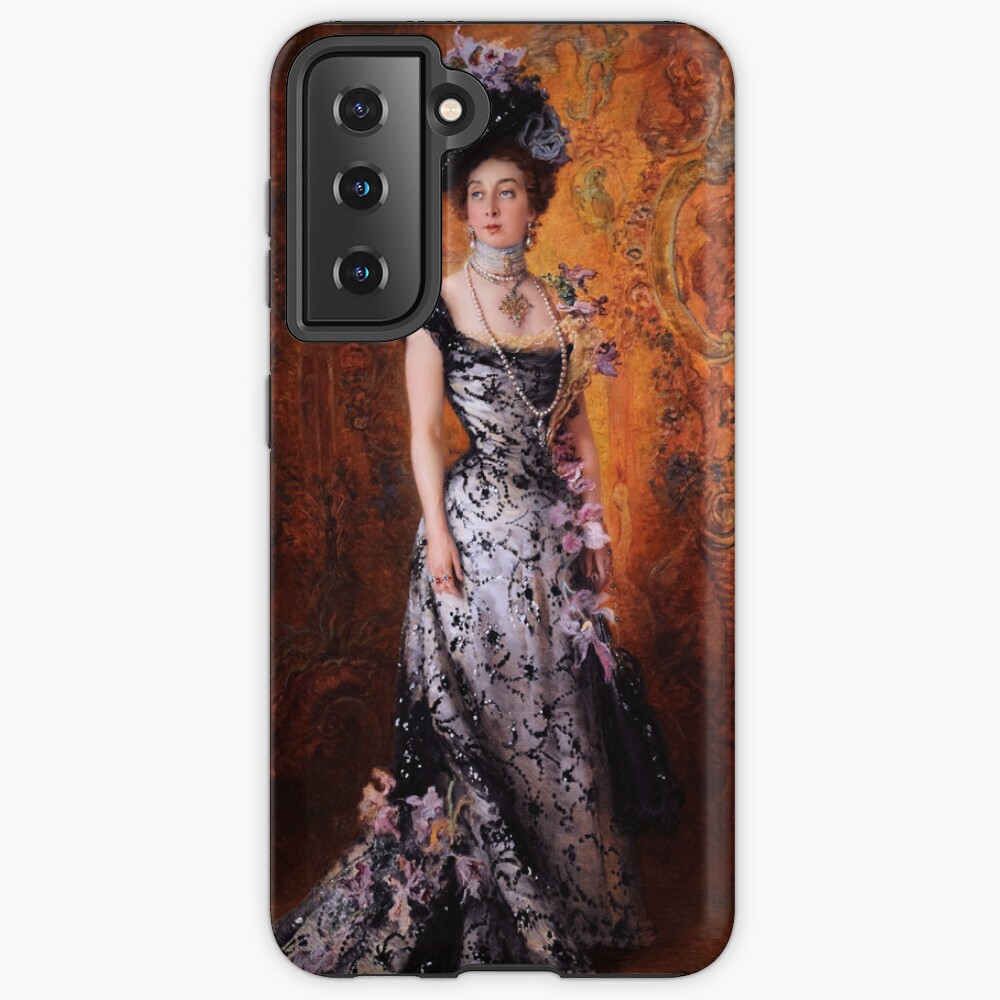
Portrait of Makovsky’s Third Wife Maria Alexeevna Matavtina (1869-1919) c1900 by Konstantin Makovský (1839 – 1915); specializující se na ruské historické obrazy zobrazující idealizovaný pohled na ruský život v minulých staletích.
Zavedení
The “Portrait of Maria Alexeevna Matavtina” by Konstantin Makovsky is an exquisite example of late 19th-century Russian portraiture. Painted around the turn of the 20th century, this artwork portrays Makovsky’s third wife, Maria Alexeevna Matavtina, in a sumptuous gown against a backdrop of warm, opulent colors. The portrait reveals not only the refined beauty of the subject but also Makovsky’s exceptional skill in capturing the grace, elegance, and grandeur of Russian aristocracy during the Imperial era.
Obsah
Předmět: Maria Alexeevna Matavtina
The portrait centers on Maria Alexeevna Matavtina, who was the third wife of renowned Russian artist Konstantin Makovsky. Narozen v 1869, Maria became an influential figure in the Russian artistic and cultural circles of the late 19th and early 20th centuries. Known for her poised and refined demeanor, she is depicted in the portrait as a symbol of aristocratic grace and beauty. Her gentle expression conveys a sense of serenity and dignity, offering the viewer a glimpse into the life of Russian nobility during this period. Maria’s attire and accessories, as well as her posture, exude the confidence and sophistication expected of women of her social standing.
Styl a technika
Makovsky’s work is celebrated for its realistic portrayal of his subjects, blending academic tradition with the Russian fascination for opulence and grandeur. The artist’s technique is a fine example of Russian realism, focusing on intricate details and the creation of a lifelike representation of his subjects. The brushwork in the portrait is meticulous and refined, especially in the rendering of Maria’s luxurious gown, the pearls draped across her neck, and the fine details of her jewelry. The texture of her gown, which appears to be made from satin or silk, is rendered with remarkable precision, highlighting the rich fabrics and the skillful use of light and shadow to suggest depth.
The background of the portrait is painted in a warm palette of oranges, hnědé, a zlata, creating a sense of intimacy and luxury. The colors blend harmoniously, enhancing the subject’s presence in the painting. The warm tones of the backdrop serve to emphasize the elegance and poise of Maria, further highlighting her position within the elite class of Russian society.
The Attire and Accessories
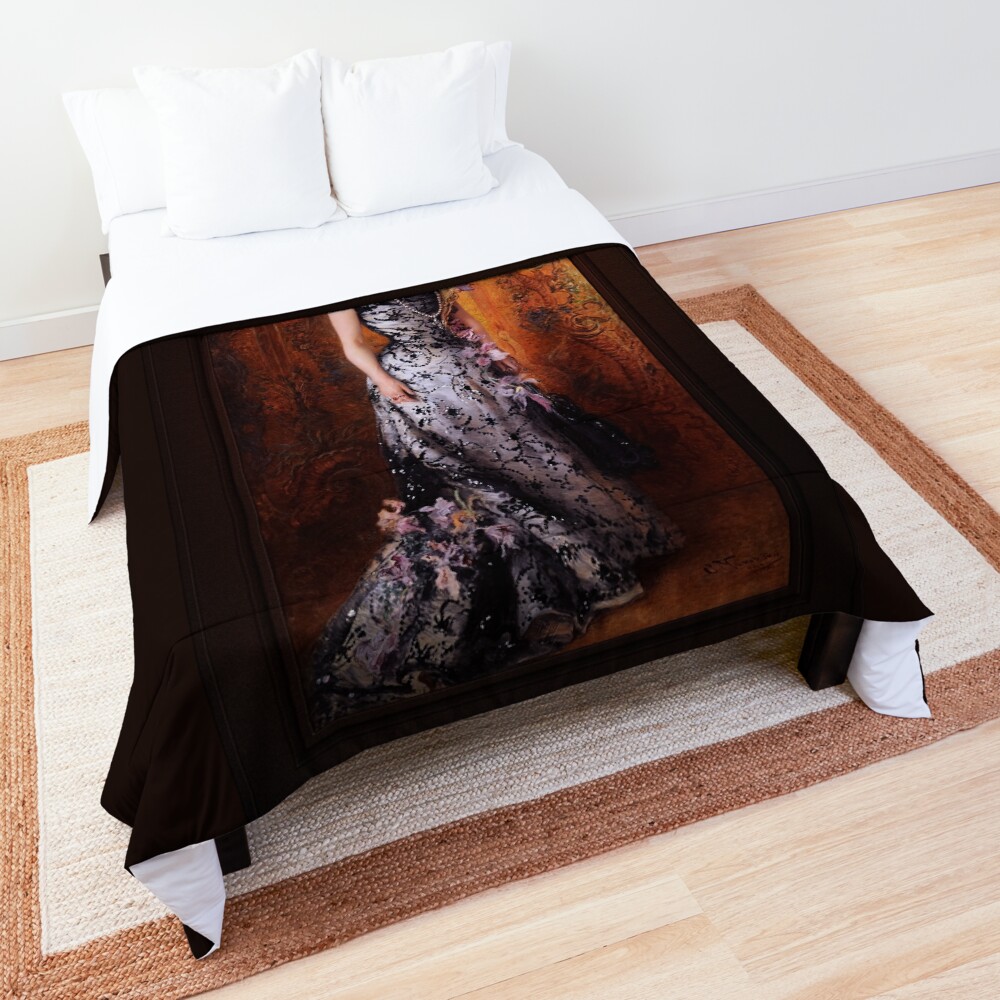
Maria’s gown is one of the most striking features of the portrait. Hluboká, dark colors of the dress, accentuated with subtle light reflections, suggest a luxurious fabric like satin or velvet, offering a rich contrast to the lighter tones of her skin. The gown’s intricate black lace details, especially along the bodice and sleeves, are skillfully depicted, showcasing Makovsky’s attention to texture and his mastery of rendering fabric. The lace patterns evoke an air of formality and class, befitting a member of the Russian aristocracy.
Maria wears a lavish array of pearls and jewelry, including a pearl necklace that cascades elegantly around her neck. A large star-shaped brooch, likely of gold or silver, adorns her chest, drawing attention to her upper body and serving as a focal point in the composition. Její vlasy, styled in an intricate updo, is accessorized with a delicate floral arrangement, featuring shades of violet, adding a touch of softness to the overall look. These details not only speak to the high social status of the subject but also highlight the fashionable trends of the period.
The Setting and Background
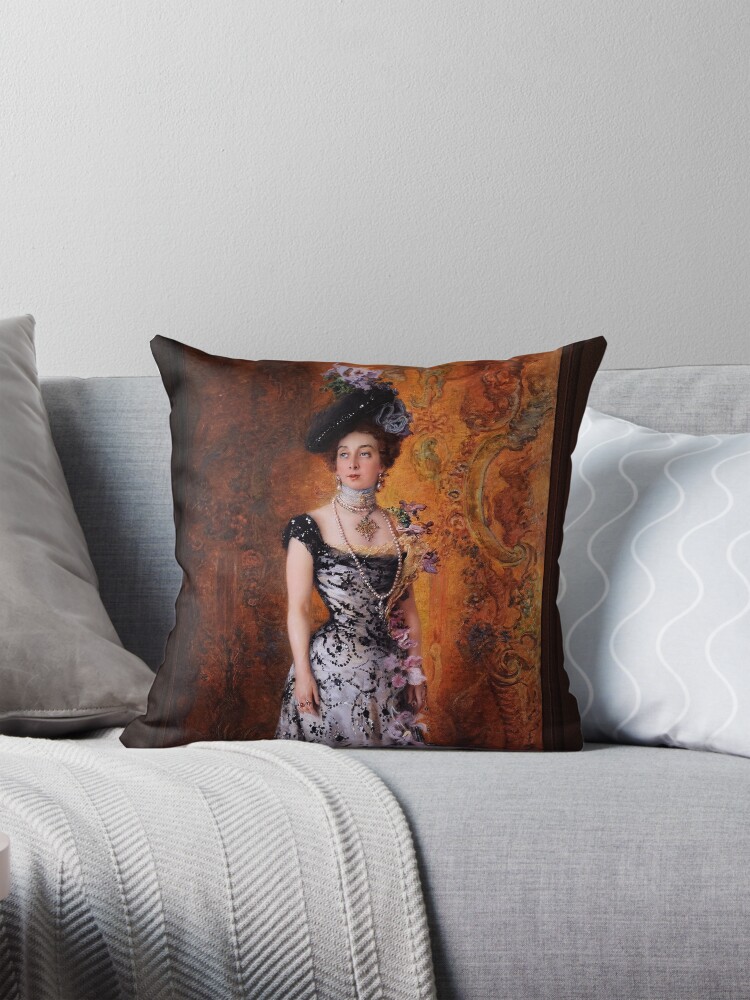
The background of the portrait is a harmonious blend of warm, earthy tones. A subtle floral pattern emerges from the textured surface, creating a sense of richness without distracting from the central figure. The organic motifs in the background are reminiscent of the decorative arts of the time, possibly inspired by the Rococo or Neoclassical influences that were popular in Russian interiors. The golden hues give the painting a sense of warmth, making Maria the undeniable focal point of the composition.
The background’s richness contrasts beautifully with the subject’s refined and poised figure. Nastavení, although not overly detailed, evokes the luxurious world of Russian nobility, providing a fitting context for the subject’s elegant attire and aristocratic presence. The overall mood of the piece is one of intimate grandeur, where the viewer is invited to witness the opulence of Russian society through the lens of a poised and sophisticated aristocrat.
The Mood and Tone
The mood of the portrait is serene and contemplative, with an air of aristocratic dignity. Maria’s expression is calm and composed, her posture exuding grace and confidence. Měkký, almost wistful look in her eyes suggests a deeper introspection, lending the portrait an emotional depth that contrasts with the grandeur of her attire. This emotional resonance adds complexity to the piece, offering more than just a visual portrayal of wealth and status.
The painting evokes a sense of nostalgia for the opulence and refinement of the Russian Imperial era. It serves as a historical artifact that captures not only the fashion and style of the time but also the societal values and norms that governed the lives of the Russian aristocracy. The combination of the subject’s regal bearing, the lush textures of her gown, and the warm, inviting background creates an atmosphere of refinement and sophistication.
Závěr
Makovsky’s “Portrait of Maria Alexeevna Matavtina” is a stunning example of Russian portraiture at the turn of the 20th century. It showcases the artist’s ability to blend realism with a sense of grandeur, capturing the subject’s beauty and the luxurious lifestyle of Russian nobility. The detailed depiction of Maria’s attire, příslušenství, and the background of the painting invites the viewer into a world of opulence and aristocratic grace. Through this portrait, Makovsky immortalizes not only his beloved wife but also the rich cultural and artistic heritage of late Imperial Russia.
Portrait of Maria Alexeevna Matavtina is a remastered digital art old masters reproduction of a public domain image that is available as a tisk na plátno online.
O umělci
Níže uvedené informace jsou odvozeny z Wikipedia.org
Konstantin Makovsky byl vlivný ruský malíř, přidružený k “Peredvizhniki (Poutníci)”. Mnoho z jeho historických obrazů, jako například Pod korunou (1889) také známý jako Oděv ruské nevěsty a Před svatbou, ukázal idealizovaný pohled na ruský život předchozích staletí. Často je považován za představitele akademického umění.
Konstantin Makovsky se narodil v Moskvě. Jeho otec byl ruský umělec a amatérský malíř, Jegor Ivanovič Makovskij. Jeho matka byla skladatelka, a doufala, že její syn jednou půjde v jejích stopách. Jeho mladší bratři Vladimir a Nikolay a jeho sestra Alexandra se také stali malíři.
v 1851 Makovsky vstoupil do Moskevské malířské školy, Sochařství a architektura, kde se stal nejlepším studentem, snadno získat všechna dostupná ocenění. Jeho učiteli byli Karl Bryullov a Vasily Tropinin. Makovského sklony k romantismu a dekorativním efektům lze vysvětlit vlivem Bryullova.
I když umění bylo jeho vášní, také zvažoval, co po něm matka chtěla, aby udělal. Vydal se hledat skladatele, na které by se mohl obrátit, a nejprve odjel do Francie. Před, vždy byl milovníkem klasické hudby, a poslouchal mnoho skladeb. Často si přál, aby mohl změnit melodii, nebo styl některých z nich, aby byly příjemnější. Později v jeho životě se to stalo skutečností.
v 1858 Makovskij vstoupil na Imperiální akademii umění v Petrohradě. Z 1860 podílel se na výstavách Akademie s obrazy jako Curing of the Blind (1860) a Agents of the False Dmitry zabijí syna Borise Godunova (1862). v 1863 Makovský a dalších třináct studentů protestovali proti tomu, aby akademie nastolila témata ze skandinávské mytologie v soutěži o Velkou zlatou medaili akademické obce; všichni opustili akademii bez formálního diplomu.
Makovský se stal členem družstva (artel) umělců pod vedením Ivana Kramského, typicky produkovat Wanderers obrazy o každodenním životě (Vdova 1865, Prodavač sledě 1867, atd.). Z 1870 byl zakládajícím členem Společnosti pro putovní umělecké výstavy a pokračoval v práci na obrazech věnovaných každodennímu životu. Svá díla vystavoval jak na výstavách Academia, tak na putovních výstavách poutníků.
Významná změna v jeho stylu nastala po cestě do Egypta a Srbska v polovině 70. let 19. století. Jeho zájmy se změnily od sociálních a psychologických problémů k uměleckým problémům barev a tvarů.
V 80. letech 19. století se stal módním autorem portrétů a historických obrazů. Na světové výstavě 1889 v Paříži obdržel Velkou zlatou medaili za obrazy Smrt Ivana Hrozného, Soud v Paříži, a Démon a Tamara. Byl jedním z nejvíce ceněných a vysoce placených ruských umělců té doby. Mnoho demokratických kritiků ho považovalo za odpadlíka Wanderers’ ideály, vyrábějící (jako Henryk Siemiradzki) nápadná, ale mělká díla, zatímco jiní v něm vidí předchůdce ruského impresionismu.
Makovský byl zabit v 1915 když jeho koňský povoz srazila v Petrohradu elektrická tramvaj.