

Maria Alexeevna Matavtinaren erretratua
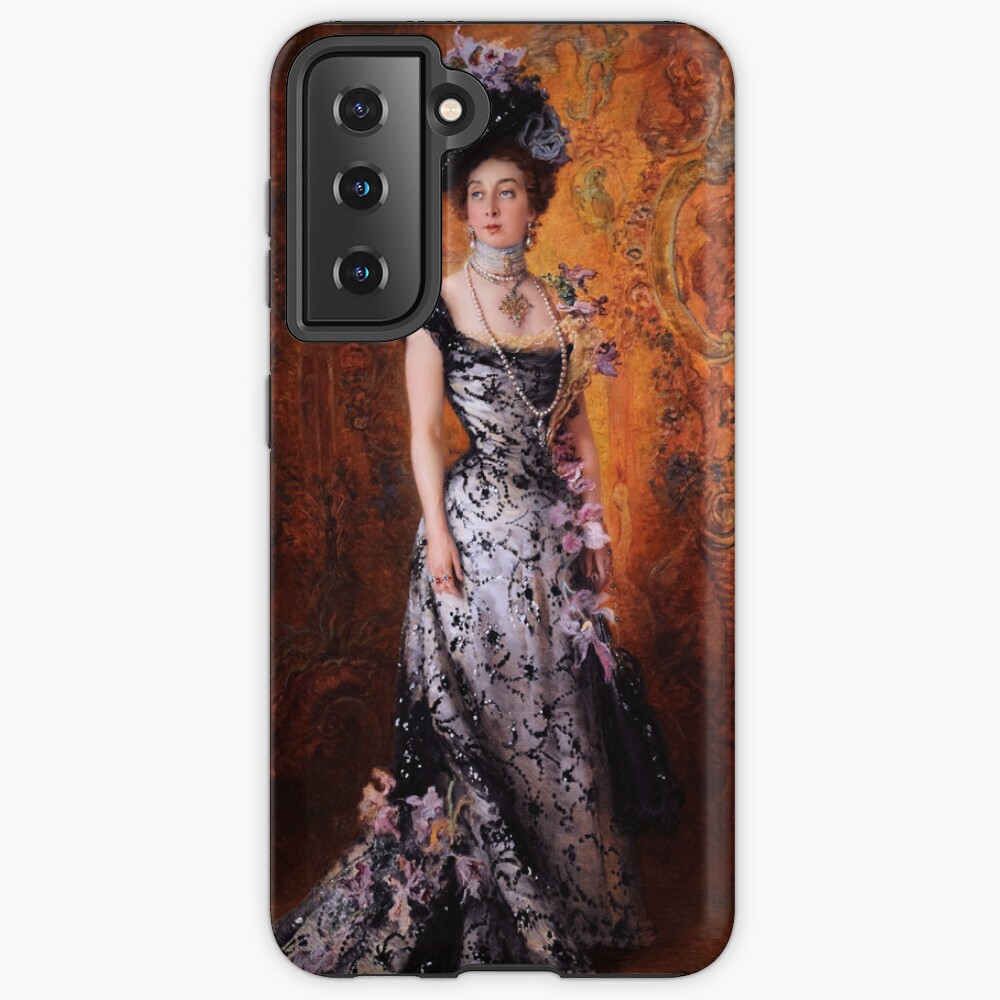
Makovskyren hirugarren emaztearen erretratua Maria Alexeevna Matavtina (1869-1919) c1900 arabera Konstantin Makovski (1839 – 1915); Errusiako pintura historikoetan espezializatua, iragan mendeetako Errusiako bizitzaren ikuspegi idealizatua erakusten dutenak.
Sarrera
The “Maria Alexeevna Matavtinaren erretratua” mende amaierako Errusiako erretratuaren adibide bikaina da Konstantin Makovskyren eskutik. mendearen bueltan margotua, artelan honek Makovskyren hirugarren emaztea irudikatzen du, Maria Alekseevna Matavtina, soineko ospetsu batean, beroaren atzealdean, kolore oparoak. Erretratuak gaiaren edertasun findua ez ezik, Makovsky-k grazia harrapatzeko duen trebetasun aparta erakusten du., dotorezia, eta Errusiako aristokraziaren handitasuna Inperio garaian.
Edukien taula
Gaia: Maria Alekseevna Matavtina
The portrait centers on Maria Alexeevna Matavtina, who was the third wife of renowned Russian artist Konstantin Makovsky. urtean jaioa 1869, Maria became an influential figure in the Russian artistic and cultural circles of the late 19th and early 20th centuries. Known for her poised and refined demeanor, she is depicted in the portrait as a symbol of aristocratic grace and beauty. Her gentle expression conveys a sense of serenity and dignity, offering the viewer a glimpse into the life of Russian nobility during this period. Maria’s attire and accessories, as well as her posture, exude the confidence and sophistication expected of women of her social standing.
Estiloa eta Teknika
Makovsky’s work is celebrated for its realistic portrayal of his subjects, blending academic tradition with the Russian fascination for opulence and grandeur. The artist’s technique is a fine example of Russian realism, focusing on intricate details and the creation of a lifelike representation of his subjects. The brushwork in the portrait is meticulous and refined, especially in the rendering of Maria’s luxurious gown, the pearls draped across her neck, and the fine details of her jewelry. The texture of her gown, which appears to be made from satin or silk, is rendered with remarkable precision, highlighting the rich fabrics and the skillful use of light and shadow to suggest depth.
Erretratuaren hondoa laranjazko paleta epel batean margotuta dago, marroiak, eta urreak, intimitate eta luxuzko sentsazioa sortuz. Koloreak harmoniatsu nahasten dira, margolanean subjektuaren presentzia areagotuz. Atzeko planoaren tonu beroek Mariaren dotorezia eta dotoretasuna azpimarratzeko balio dute, are gehiago, Errusiako gizarteko elite klasean zuen posizioa nabarmenduz.
Jantzi eta osagarriak
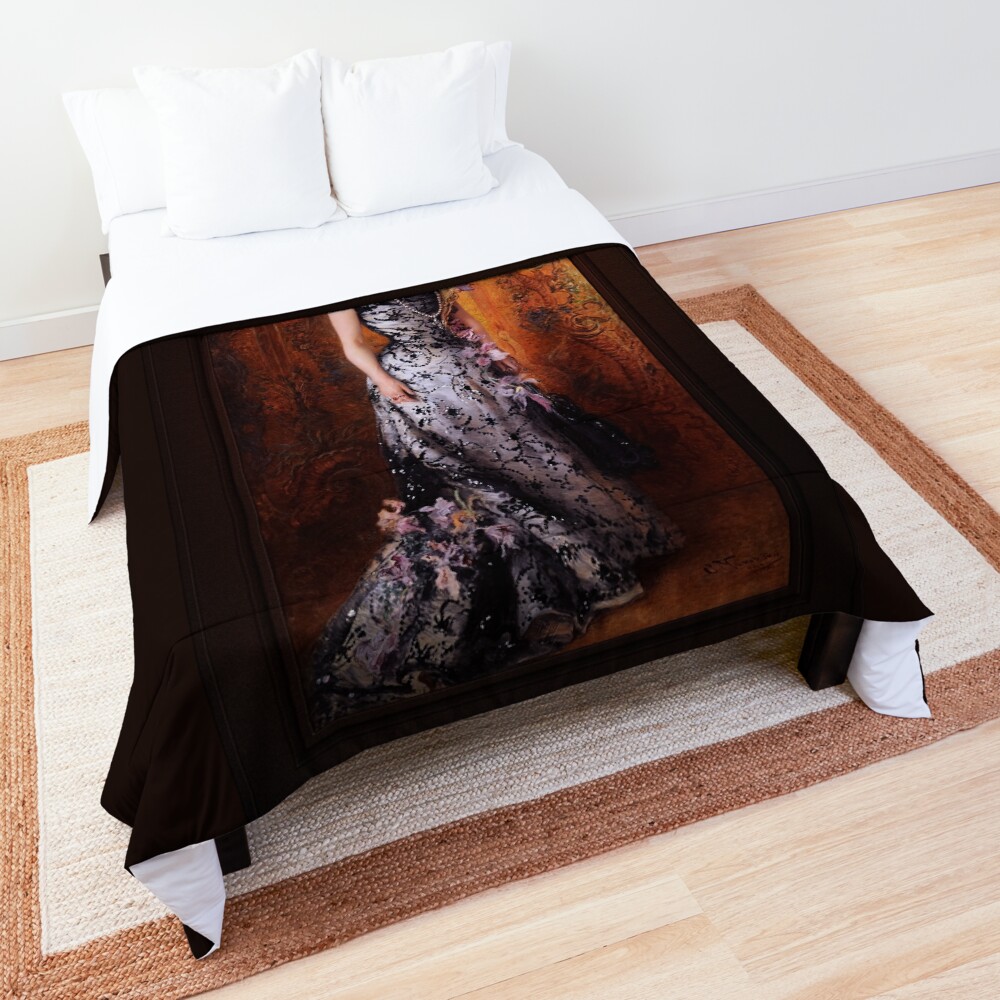
Mariaren bata da erretratuaren ezaugarri deigarrienetako bat. Sakona, soineko kolore ilunak, argiaren isla sotilekin nabarmentzen da, gomendatu satina edo belusa bezalako luxuzko ehun bat, bere azalaren tonu argiagoei kontraste aberatsa eskainiz. Soinekoaren parpail beltzaren xehetasun korapilatsuak, especially along the bodice and sleeves, are skillfully depicted, showcasing Makovsky’s attention to texture and his mastery of rendering fabric. The lace patterns evoke an air of formality and class, befitting a member of the Russian aristocracy.
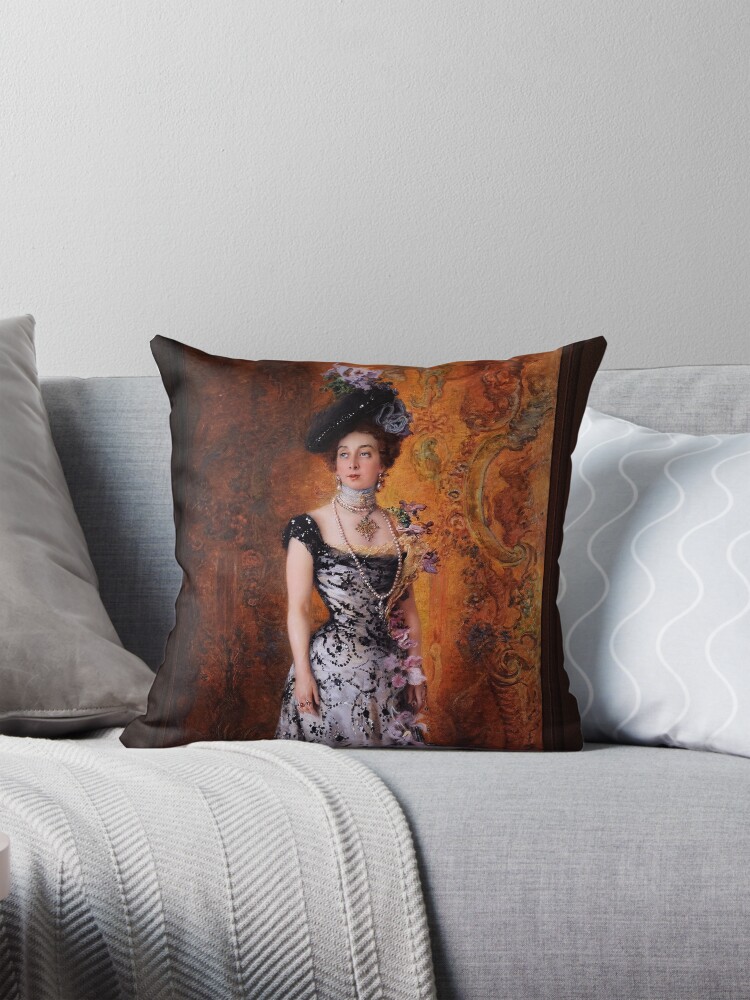
Maria wears a lavish array of pearls and jewelry, including a pearl necklace that cascades elegantly around her neck. A large star-shaped brooch, likely of gold or silver, adorns her chest, drawing attention to her upper body and serving as a focal point in the composition. Ilea, updo korapilatsu batean estiloa, is accessorized with a delicate floral arrangement, featuring shades of violet, adding a touch of softness to the overall look. These details not only speak to the high social status of the subject but also highlight the fashionable trends of the period.
Ezarpena eta atzeko planoa
The background of the portrait is a harmonious blend of warm, earthy tones. A subtle floral pattern emerges from the textured surface, creating a sense of richness without distracting from the central figure. The organic motifs in the background are reminiscent of the decorative arts of the time, possibly inspired by the Rococo or Neoclassical influences that were popular in Russian interiors. The golden hues give the painting a sense of warmth, making Maria the undeniable focal point of the composition.
The background’s richness contrasts beautifully with the subject’s refined and poised figure. Ezarpena, although not overly detailed, evokes the luxurious world of Russian nobility, providing a fitting context for the subject’s elegant attire and aristocratic presence. The overall mood of the piece is one of intimate grandeur, where the viewer is invited to witness the opulence of Russian society through the lens of a poised and sophisticated aristocrat.
The Mood and Tone
The mood of the portrait is serene and contemplative, with an air of aristocratic dignity. Maria’s expression is calm and composed, her posture exuding grace and confidence. Biguna, almost wistful look in her eyes suggests a deeper introspection, lending the portrait an emotional depth that contrasts with the grandeur of her attire. This emotional resonance adds complexity to the piece, offering more than just a visual portrayal of wealth and status.
The painting evokes a sense of nostalgia for the opulence and refinement of the Russian Imperial era. It serves as a historical artifact that captures not only the fashion and style of the time but also the societal values and norms that governed the lives of the Russian aristocracy. The combination of the subject’s regal bearing, the lush textures of her gown, eta beroa, inviting background creates an atmosphere of refinement and sophistication.
Bukaera
Makovsky’s “Maria Alexeevna Matavtinaren erretratua” is a stunning example of Russian portraiture at the turn of the 20th century. It showcases the artist’s ability to blend realism with a sense of grandeur, capturing the subject’s beauty and the luxurious lifestyle of Russian nobility. The detailed depiction of Maria’s attire, osagarriak, and the background of the painting invites the viewer into a world of opulence and aristocratic grace. Erretratu honen bitartez, Makovsky immortalizes not only his beloved wife but also the rich cultural and artistic heritage of late Imperial Russia.
Portrait of Maria Alexeevna Matavtina is a remastered digital art old masters reproduction of a public domain image that is available as a mihise inprimatu sarean.
Artistari buruz
Informazioa Behean Deribatua Wikipedia.org
Konstantin Makovski eragin handiko margolari errusiarra izan zen, afiliatuta “Peredvizhniki (Ibiltariak)”. Bere margolan historiko asko, hala nola, Koroaren azpian (1889) Errusiako emaztegaiaren jantzia eta ezkontza aurretik bezala ere ezaguna, mendeetako errusiar bizitzaren ikuspegi idealizatua erakutsi zuen. Arte akademikoaren ordezkaritzat hartzen da askotan.
Konstantin Makovsky Moskun jaio zen. Bere aita errusiar artearen figura eta margolari afizionatua zen, Jegor Ivanovitx Makovski. Bere ama konpositorea zen, eta espero zuen bere semeak egunen batean bere urratsak jarraitzea. Bere anaia txikiak Vladimir eta Nikolay eta bere arreba Alexandra ere margolari izatera iritsi ziren.
In 1851 Makovsky Moskuko Pintura Eskolan sartu zen, Eskultura eta Arkitektura non ikasle nagusi bihurtu zen, eskuragarri dauden sari guztiak erraz eskuratzea. Bere irakasleak Karl Bryullov eta Vasily Tropinin izan ziren. Makovskyren erromantizismorako eta dekorazio-efektuetarako joerak Bryulloven eraginez azal daitezke..
Artea bere pasioa izan arren, amak nahi zuena ere kontuan hartu zuen. Aipatu zezakeen konpositoreen bila abiatu zen, eta lehenik Frantziara joan zen. Aurretik, musika klasikoaren zalea izan zen beti, eta pieza asko entzun zituen. Askotan nahi zuen doinua aldatzea, edo horietako batzuen estiloa, atseginagoak izan daitezen. Geroago bere bizitzan egia bihurtu zen.
In 1858 Makovski San Petersburgoko Arte Akademia Inperialean sartu zen. Bertatik 1860 Akademiaren erakusketetan parte hartu zuen Itsuen sendatzea bezalako margolanekin (1860) eta Dmitry faltsuaren agenteek Boris Godunov-en semea hiltzen dute (1862). In 1863 Makovskyk eta beste hamahiru ikaslek Akademiak Eskandinaviako mitologiako gaien ezarpenaren aurka protesta egin zuten Akademiaren Urrezko Domina Handiaren lehiaketan.; denak akademiatik diploma ofizialik gabe utzi zuten.
Makovsky kooperatiba bateko kide bihurtu zen (artel) Ivan Kramskoik zuzendutako artistena, normalean Wanderers eguneroko bizitzari buruzko margolanak ekoizten ditu (Alarguna 1865, Sardinzar saltzailea 1867, etab.). Bertatik 1870 Society for Travelling Art Exhibitions-eko kide sortzailea izan zen eta eguneroko bizitzari eskainitako koadroetan lanean jarraitu zuen.. Akademiako erakusketetan zein Wanderersen Arte Erakusketa Ibiltarietan erakutsi zituen bere lanak.
Bere estiloan aldaketa nabarmena gertatu zen 1870eko hamarkadaren erdialdean Egiptora eta Serbiara bidaiatu ondoren. Bere interesak arazo sozial eta psikologikoetatik koloreen eta formaren arazo artistikoetara aldatu ziren.
1880ko hamarkadan modako erretratuen eta margo historikoen egile bihurtu zen. Munduko Azokan 1889 Parisen Urrezko Domina Handia jaso zuen Ivan Izugarriaren heriotza koadroengatik, Parisko epaia, eta Demon eta Tamara. Garai hartako errusiar artistarik estimatuenetariko eta ordainsaririk handienetako bat izan zen. Kritika demokratiko askok Wanderersen errenegatutzat hartu zuten’ idealak, ekoizten (Henryk Siemiradzki bezala) obra deigarriak baina sakonak, beste batzuek, berriz, errusiar inpresionismoaren aitzindari gisa ikusten dute.
Makovsky bertan hil zuten 1915 bere zaldizko karroa tranbia elektriko batek San Petersburgon harrapatu zuenean.