

Portrait of Maria Alexeevna Matavtina
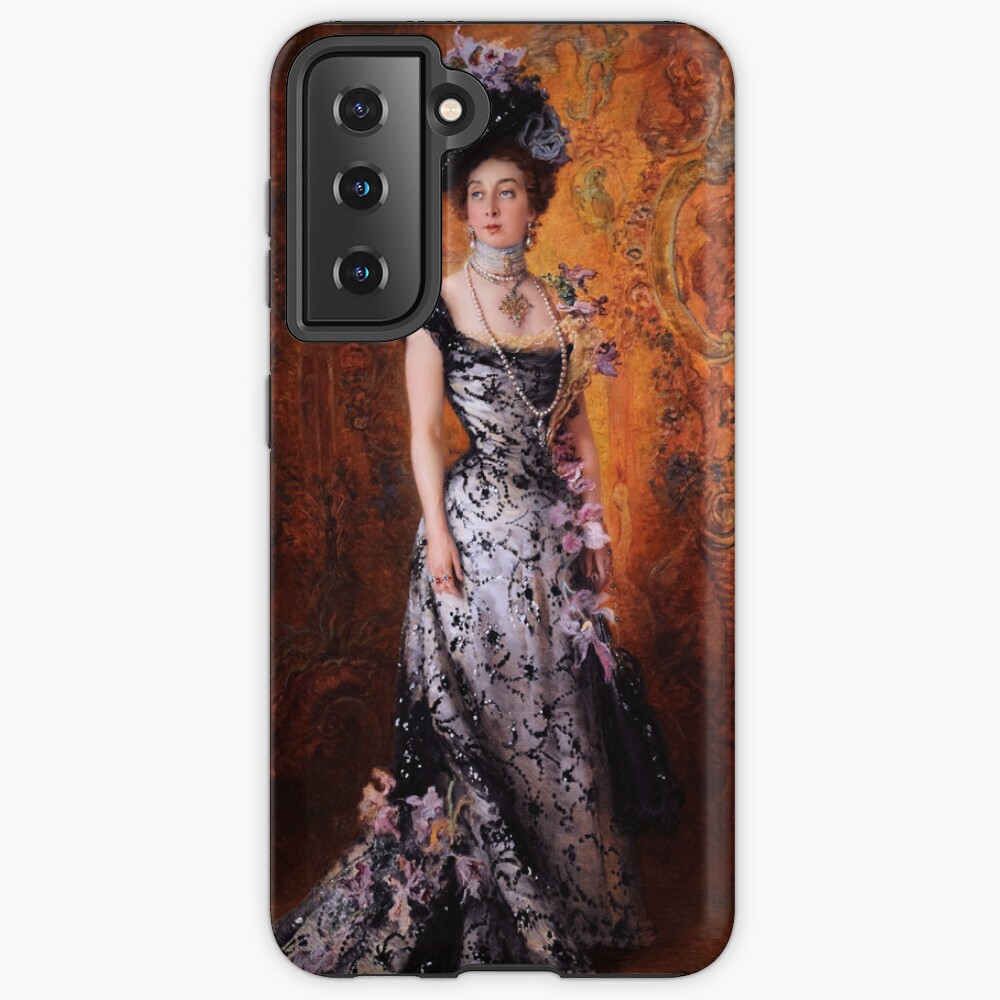
Portrait of Makovsky’s Third Wife Maria Alexeevna Matavtina (1869-1919) c1900 by Konstantin Makovsky (1839 – 1915); a’ speisealachadh ann an dealbhan eachdraidheil Ruiseanach a’ sealltainn sealladh air leth freagarrach de bheatha na Ruis sna linntean a dh’ fhalbh.
Ro-ràdh
Tha an “Portrait of Maria Alexeevna Matavtina” by Konstantin Makovsky is an exquisite example of late 19th-century Russian portraiture. Painted around the turn of the 20th century, this artwork portrays Makovsky’s third wife, Maria Alexeevna Matavtina, in a sumptuous gown against a backdrop of warm, opulent colors. The portrait reveals not only the refined beauty of the subject but also Makovsky’s exceptional skill in capturing the grace, eireachdas, and grandeur of Russian aristocracy during the Imperial era.
Clàr-innse
An cuspair: Maria Alexeevna Matavtina
The portrait centers on Maria Alexeevna Matavtina, who was the third wife of renowned Russian artist Konstantin Makovsky. Rugadh e a-steach 1869, Maria became an influential figure in the Russian artistic and cultural circles of the late 19th and early 20th centuries. Known for her poised and refined demeanor, she is depicted in the portrait as a symbol of aristocratic grace and beauty. Her gentle expression conveys a sense of serenity and dignity, offering the viewer a glimpse into the life of Russian nobility during this period. Maria’s attire and accessories, as well as her posture, exude the confidence and sophistication expected of women of her social standing.
An stoidhle agus an teicneòlas
Makovsky’s work is celebrated for its realistic portrayal of his subjects, blending academic tradition with the Russian fascination for opulence and grandeur. The artist’s technique is a fine example of Russian realism, focusing on intricate details and the creation of a lifelike representation of his subjects. The brushwork in the portrait is meticulous and refined, especially in the rendering of Maria’s luxurious gown, the pearls draped across her neck, and the fine details of her jewelry. The texture of her gown, which appears to be made from satin or silk, is rendered with remarkable precision, highlighting the rich fabrics and the skillful use of light and shadow to suggest depth.
The background of the portrait is painted in a warm palette of oranges, donn, agus òr, creating a sense of intimacy and luxury. Tha na dathan a 'measgachadh gu h-obann, enhancing the subject’s presence in the painting. The warm tones of the backdrop serve to emphasize the elegance and poise of Maria, further highlighting her position within the elite class of Russian society.
An Attire agus Accessories
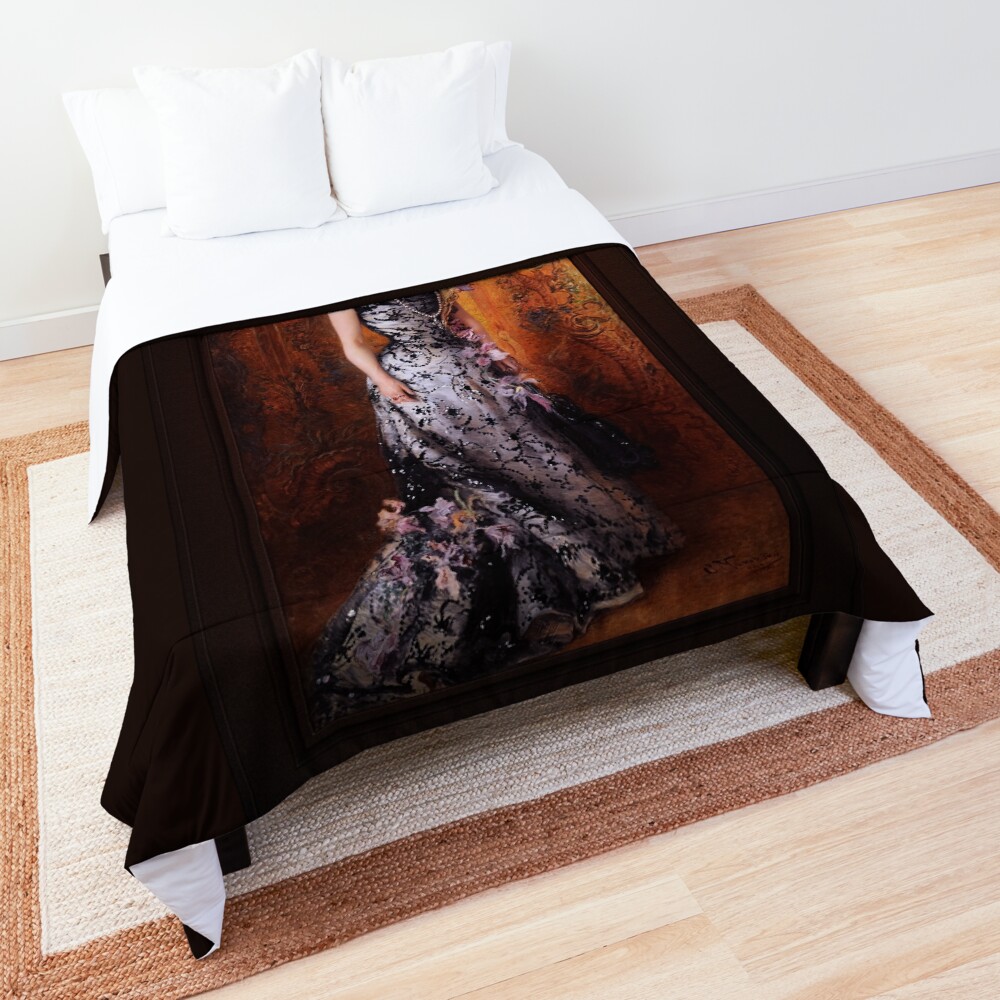
Maria’s gown is one of the most striking features of the portrait. An domhainn, dark colors of the dress, accentuated with subtle light reflections, suggest a luxurious fabric like satin or velvet, offering a rich contrast to the lighter tones of her skin. The gown’s intricate black lace details, especially along the bodice and sleeves, are skillfully depicted, showcasing Makovsky’s attention to texture and his mastery of rendering fabric. The lace patterns evoke an air of formality and class, befitting a member of the Russian aristocracy.
Maria wears a lavish array of pearls and jewelry, including a pearl necklace that cascades elegantly around her neck. A large star-shaped brooch, likely of gold or silver, adorns her chest, drawing attention to her upper body and serving as a focal point in the composition. A falt, styled in an intricate updo, is accessorized with a delicate floral arrangement, featuring shades of violet, adding a touch of softness to the overall look. These details not only speak to the high social status of the subject but also highlight the fashionable trends of the period.
An suidheachadh agus an cùl-fhiosrachadh
The background of the portrait is a harmonious blend of warm, tònaichean talmhaidh. A subtle floral pattern emerges from the textured surface, creating a sense of richness without distracting from the central figure. The organic motifs in the background are reminiscent of the decorative arts of the time, possibly inspired by the Rococo or Neoclassical influences that were popular in Russian interiors. The golden hues give the painting a sense of warmth, making Maria the undeniable focal point of the composition.
The background’s richness contrasts beautifully with the subject’s refined and poised figure. An suidheachadh, although not overly detailed, evokes the luxurious world of Russian nobility, providing a fitting context for the subject’s elegant attire and aristocratic presence. The overall mood of the piece is one of intimate grandeur, where the viewer is invited to witness the opulence of Russian society through the lens of a poised and sophisticated aristocrat.
The Mood and Tone
The mood of the portrait is serene and contemplative, with an air of aristocratic dignity. Maria’s expression is calm and composed, her posture exuding grace and confidence. Am bog, almost wistful look in her eyes suggests a deeper introspection, lending the portrait an emotional depth that contrasts with the grandeur of her attire. This emotional resonance adds complexity to the piece, offering more than just a visual portrayal of wealth and status.
The painting evokes a sense of nostalgia for the opulence and refinement of the Russian Imperial era. It serves as a historical artifact that captures not only the fashion and style of the time but also the societal values and norms that governed the lives of the Russian aristocracy. The combination of the subject’s regal bearing, the lush textures of her gown, agus an teas, inviting background creates an atmosphere of refinement and sophistication.
Co-dhùnadh
Makovsky’s “Portrait of Maria Alexeevna Matavtina” is a stunning example of Russian portraiture at the turn of the 20th century. It showcases the artist’s ability to blend realism with a sense of grandeur, capturing the subject’s beauty and the luxurious lifestyle of Russian nobility. The detailed depiction of Maria’s attire, accessories, and the background of the painting invites the viewer into a world of opulence and aristocratic grace. Tron dealbh seo, Makovsky immortalizes not only his beloved wife but also the rich cultural and artistic heritage of late Imperial Russia.
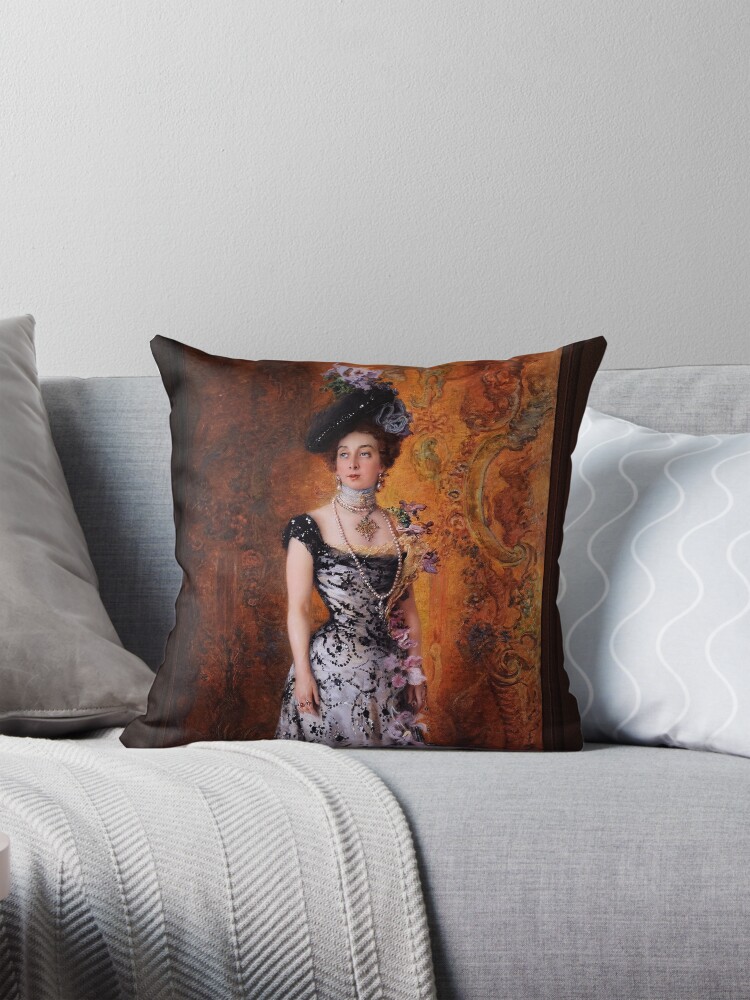
Portrait of Maria Alexeevna Matavtina is a remastered digital art old masters reproduction of a public domain image that is available as a clò-bhualadh canabhas air-loidhne.
Mu dheidhinn an Neach-ealain
Fiosrachadh gu h-ìosal a thàinig bho Wikipedia.org
Bha Konstantin Makovsky na pheantair Ruiseanach buadhach, ceangailte ris an “Peredvizhniki (Luchd-cuairteachaidh)”. Mòran de na dealbhan eachdraidheil aige, leithid Fo 'n Chrùn (1889) ris an canar cuideachd The Russian Bride's Attire and Before the Wedding, sheall e sealladh air leth freagarrach de bheatha na Ruis anns na linntean roimhe. Tha e gu tric air a mheas mar riochdaire ealain acadaimigeach.
Konstantin Makovsky rugadh ann am Moscow. Bha athair na neach-ealain Ruiseanach agus na pheantair neo-dhreuchdail, Yegor Ivanovich Makovsky saor an asgaidh. Bha a mhàthair na sgrìobhadair, agus bha i an dòchas gun leanadh a mac aon latha na ceuman. Chaidh a bhràithrean as òige Vladimir agus Nikolay agus a phiuthar Alexandra air adhart gu bhith nan peantairean cuideachd.
Ann an 1851 Chaidh Makovsky a-steach do Sgoil Peantadh Moscow, Deilbheadh agus Ailtireachd far an robh e na phrìomh oileanach, faighinn gu furasta na duaisean uile a tha rim faighinn. B 'e na tidsearan aige Karl Bryullov agus Vasily Tropinin. Faodar claonadh Makovsky a thaobh Romanticism agus buaidhean sgeadachaidh a mhìneachadh le buaidh Bryullov.
Ged a b’ e ealain an dìoghras aige, bheachdaich e cuideachd air na bha a mhàthair ag iarraidh air a dhèanamh. Dh’fhalbh e a choimhead airson sgrìobhadairean air am b’ urrainn dha iomradh a thoirt, agus chaidh e an toiseach do'n Fhraing. Roimhe, bha e riamh na leannan ceòl clasaigeach, agus dh'èisd e ri mòran phìosan. Bu tric a mhiannaich e am port atharrachadh, no stoidhle cuid dhiubh airson an dèanamh nas tlachdmhoire. Nas fhaide air adhart na bheatha thàinig e gu buil.
Ann an 1858 Chaidh Makovsky a-steach don Acadamaidh Ealain Ìmpireil ann an St Petersburg. Bho 1860 ghabh e pàirt ann an taisbeanaidhean an Acadamaidh le dealbhan mar Curing of the Blind (1860) agus Agents of the False Dmitry mharbhadh mac Boris Godunov (1862). Ann an 1863 Chùm Makovsky agus trì-deug oileanach eile gearan an-aghaidh suidheachadh an Acadamaidh de chuspairean bho mhiotas-eòlas Lochlannach anns a’ cho-fharpais airson Bonn Òr Mòr an Acadaimigeach; dh'fhàg iad uile an acadamaidh gun dioplòma foirmeil.
Thàinig Makovsky gu bhith na bhall de cho-chomann (arail) de luchd-ealain air an stiùireadh le Ivan Kramskoi, mar as trice a’ dèanamh dhealbhan Wanderers air beatha làitheil (Bantraich 1865, Neach-reic an sgadain 1867, etc.). Bho 1870 bha e na bhall stèidheachaidh den Chomann airson Taisbeanaidhean Ealain Siubhail agus lean e air ag obair air dealbhan co-cheangailte ri beatha làitheil. Thaisbean e an obair aige aig gach cuid taisbeanaidhean Academia agus Taisbeanaidhean Ealain Siubhail nan Wanderers.
Thàinig atharrachadh mòr air an stoidhle aige às deidh dha siubhal dhan Èiphit agus Serbia ann am meadhan nan 1870n. Dh'atharraich na h-ùidhean aige bho dhuilgheadasan sòisealta agus saidhgeòlas gu duilgheadasan ealain dathan agus cumadh.
Anns na 1880n thàinig e gu bhith na ùghdar fasanta air dealbhan agus dealbhan eachdraidheil. Aig Fèill na Cruinne de 1889 ann am Paris fhuair e am Bonn Òr Mòr airson na dealbhan aige Death of Ivan the Terrible, Breith Paris, agus Demon, agus Tamara. Bha e air aon den luchd-ealain Ruiseanach as luachmhoire agus le tuarastal àrd aig an àm. Bha mòran de luchd-breithneachaidh deamocratach ga mheas mar ath-dhìolaidh de na Wanderers’ ideals, cinneasachadh (mar Henryk Siemiradzki) obraichean iongantach ach eu-domhainn, agus cuid eile ga fhaicinn mar ro-ruithear air Impressionism na Ruis.
Chaidh Makovsky a mharbhadh ann an 1915 nuair a bhuail tram dealain ann an St Petersburg an carbad aige le each.