

Alexandra printzesaren erretratua
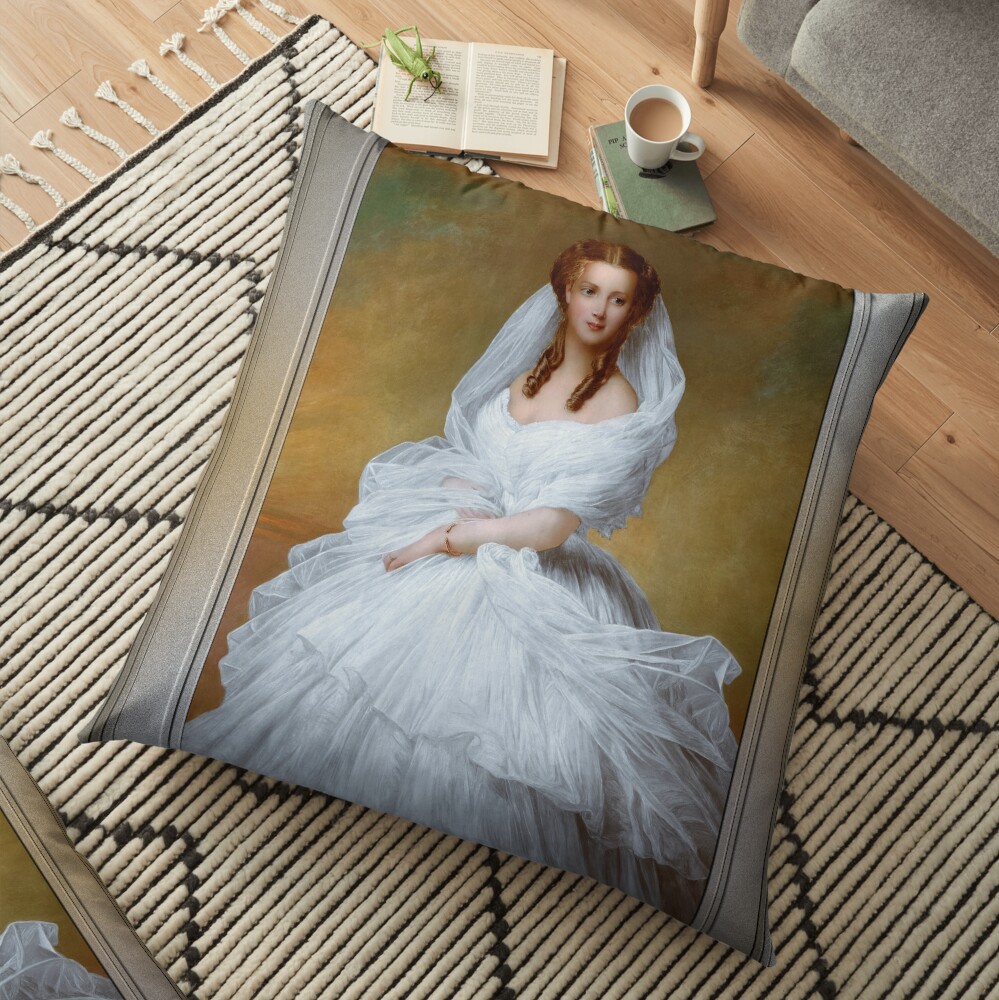
The “Erretratua Alexandra printzesarena (1844 – 1925)” c1863 Richard Lauchert margolari alemaniarrak (1823 – 1869) mendearen erdialdeko erregetasunaren irudikapen deigarria da, printzesaren grazia eta edertasuna bere gaztaroaren gorenean harrapatzen. Lauchert, bere erretratu zehatz eta errealistengatik ezaguna, bitartekoa erabiltzen du Alexandra printzesa betikotzeko, dotorezia aristokratikoaren irudikapen bikain batean. Lana arretaz aztertuz, ikuslea opulentzia une batera garraiatzen da, formalitatea, eta graziak bat egiten dute. Printzesaren irudia ehundura leun baina liluragarriz eta pintzelkada delikatuz inguratuta dago, artistak subjektuaren itxura fisikoa ez ezik garaiko esentzia kultural eta emozionala ere erreproduzitzeko duen gaitasuna erakutsiz..
Edukien taula
Gaia eta Osaera
Erretratuaren ardatza Alexandra printzesa bera da, grazia eta dotorezia irudi bat. mendearen erdialdeko modaren adierazgarri den soineko zuri landu batekin jantzita dago., arintasun etereoa eta ehun jarioa ditu ezaugarri. Baten geruza bolumen handikoak xehetasunetarako arreta korapilatsuarekin margotuta daude, tolestura eta uhin bakoitza arretaz nabarmenduta mugimendu sentsazioa sortzeko. Biguna, material jarioak soinekoaren elementu egituratuagoekin kontrastatzen du, hala nola, kortsea edo estuagoa den gorpua, suggesting the artist’s skill in balancing the rigid and the free. The princess’s white gown also symbolizes purity and nobility, a fitting choice for the young princess.
Her hair is styled in loose, natural curls, with strands subtly falling across her face and shoulders, contributing to the portrait’s soft and naturalistic atmosphere. The color palette of her attire, consisting predominantly of whites and soft cream tones, reflects the aristocratic fashion of the time, while her gentle expression adds a layer of complexity to the portrait. She is neither overtly joyful nor solemn but instead radiates a serene calmness, embodying both royal dignity and quiet introspection.
Princess Alexandra’s posture is poised, eskuineko eskua gerrian fintasunez pausatzen duela ezkerreko besoa aurrean tolestuta dagoen bitartean ia babes keinu batean. Eskuak arretaz jartzeak grazia transmititzen du, bere posizioaz jabetzen den errege-mailako emakume bat iradokiz, baina bere erretratuan intimoa ere bai. Bere figuraren gainean erortzen den argiak itzalaren eta argiaren arteko kontraste sotilak sortzen ditu, are gehiago areagotuz bere soinekoaren bolumena eta azalaren eta aurpegiaren ehundura leunak.
Atzeko planoa eta ezarpena
Printzesaren atzean, atzealdea nahiko sinplea eta oharkabekoa izaten jarraitzen du, inguruko inguruneari baino gaiari arreta erakartzeko balio duena. Leun nahastutako urre-marroi kolorea nagusitzen da atzealdean, beroa emanez, bere soineko zuri distiratsuekin eta tonu zurbilekin kontraste neutroa. Atzeko planoaren sinpletasunari esker, printzesa nabarmentzen da, bere figura ia etereoa lausoaren aurka, tonu leunak. Aukera artistiko honek XIX, non subjektuaren presentzia atzealde abstraktuago edo apalago baten aurrean nabarmentzen den, haien garrantzia eta banakotasuna azpimarratuz.
Paisaia gutxienekoa da, Subjektuari protagonismoari kentzen ez dion kolore kutsu bat besterik ez eskainiz. Horri esker, ikuslearen begirada printzesarengan arreta mantentzen da, artelanaren barruan figura zentral gisa goratzea.
Estilo, Gai, eta umorea
Erretratu honetan Richard Laucherten estiloa errealismoaren tradizioetan oinarritzen da, mendearen erdialdeko Europako erretratuetan ohikoa. Artistaren xehetasunen arreta zorrotza, especially in the rendering of the fabric and textures, showcases his skill in creating lifelike imagery. Lauchert’s use of lighting, itzalak, and soft color gradients enhances the realism, making the portrait not just a representation of the princess but also a study of how light interacts with the human form and clothing.
The theme of the portrait is one of aristocratic refinement and regal dignity. Princess Alexandra is depicted in a moment of serene contemplation, which adds a layer of quiet majesty to the work. Unlike some royal portraits that may evoke power or grandeur through strong poses or dramatic settings, Lauchert’s work captures an intimate, almost tender moment. The princess is portrayed as a young woman at the threshold of maturity, poised yet youthful, feminitatearen idealak gorpuzten, noblezia, eta garaian ospatzen ziren edertasuna.
Margolanaren aldartea lasaia eta duina da. Alexandra printzesaren adierazpenak nolabaiteko leuntasuna du, errege-bizitzaren izaera zeremonial eta publikoagoarekin kontrastatzen duen lasaitasun eta barruko lasaitasuna. Erretratu honek erregearen handitasunaz ez ezik koroaren atzean dagoen pertsonari ere hitz egiten dio: itxaropen publikoaren eta emozio pribatuaren oreka delikatuan harrapatutako pertsona bat.. Lerroen leuntasuna, esamolde leuna, eta soineko argiaren kalitatea konbinatzen da aldarte lasaia eta sofistikatua sortzeko.
Materialak eta Teknika
Lauchertek olio margoen erabilera nabaria da erretratua definitzen duen ehundura leunean eta kolore-sakontasunean. The layers of oil paint applied to the canvas provide richness and dimension, particularly in the princess’s gown, where the light and shadows reveal the volume and movement of the fabric. The artist has employed a delicate balance between sharp, defined areas—such as the outline of the face and the intricate details of the dress—and softer, more diffused areas, like the flowing veil and the background.
The brushwork is fine and controlled, with the artist’s mastery in capturing the intricate folds of fabric and the delicate skin tone of the princess. The subtle gradients of light across the princess’s face and gown create a gentle interplay between realism and idealization, which was typical of royal portraits during this period. Lauchert’s technique contributes to a sense of intimacy, making the viewer feel as though they are in the presence of the princess herself, rather than simply observing a historical figure from the past.
Bukaera
The “Portrait of Princess Alexandra” (c1863) by Richard Lauchert is a remarkable example of 19th-century royal portraiture, errealismoa nahastuz, idealism, eta dotorezia. Lan honen bitartez, Lauchert captures not just the external appearance of the princess but also the serene and dignified spirit that she embodied as a member of the royal family. Konposizioa, estiloa, and mood of the portrait together create an image that transcends time, offering insight into the life of a royal woman during the 19th century. It remains a stunning representation of both the subject and the era in which it was created.
Artelanari buruz
This portrait of Princess Alexandra was commissioned by her mother-in-law Queen Victoria in 1863.
She was married to the Queen’s eldest son the Prince of Wales Albert Edward who would later become Edward VII.
Originally Queen Victoria wanted her favorite artist Franz Xaver Winterhalter (1805 – 1873) to do the portrait, but he was of ill health and she instead gave the commission to Richard Lauchert.
It was said by Albert’s elder sister Victoria, the Crown Princess of Prussia; that Princess Alexandra was one of the most lady like and aristocratic looking people she had ever seen and “outrageously beautiful”; while Queen Victoria thought her to be a “maitea, lovely being”.
This is a remastered digital art reproduction of a public domain image that is available for purchase as an akrilikoa, mihisea, metala, wood print online.