

Ritratto di giovane bellezza con perle
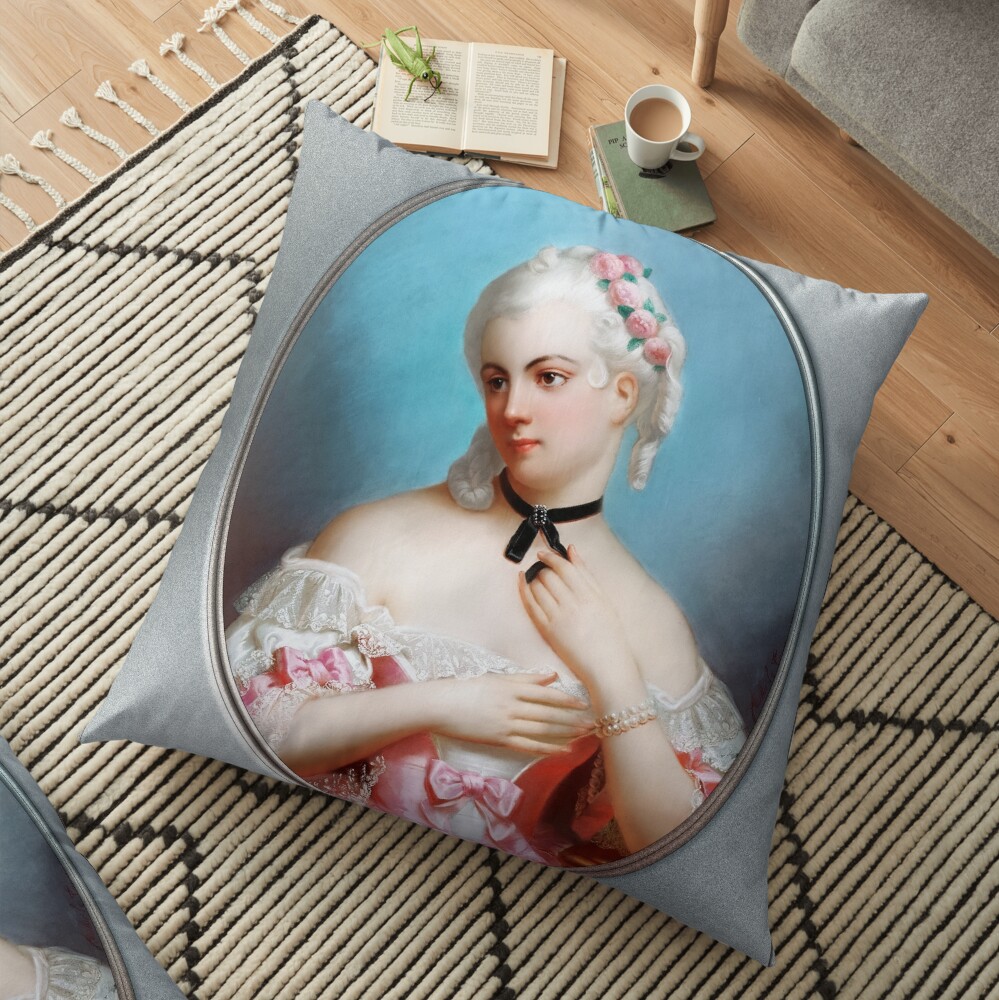
L'opera intitolata Ritratto di giovane bellezza con perle was created by the French painter Théodore Fantin-Latour (1805 – 1872), an artist renowned for his ability to capture the essence of elegance and delicate beauty in his portraits. The painting showcases a young woman, poised and serene, adorned with pearls and soft pink hues, which reflect the opulence of the period. It speaks to the neoclassical ideals of beauty, capturing the grace of femininity during the early 19th century. Fantin-Latour’s mastery in the depiction of textiles, facial expression, and light contrasts establishes this piece as one that transcends time, offering a glimpse into the luxurious and refined lifestyle of the era.
Sommario
Argomento principale: Una giovane bellezza
La figura centrale del dipinto è una giovane donna, depicted in a soft, yet composed pose. She gazes to the side with a contemplative look, her expression gentle yet captivating. Her facial features are delicately rendered, con la pelle liscia, zigomi alti, and lips that suggest both innocence and a quiet strength. Her youthful complexion is illuminated by a soft light that falls upon her face, esaltandone la delicata bellezza.
Her hair is styled in an elegant updo, with curls and twists that frame her face, accented by pink roses scattered in her locks. This subtle floral touch enhances her femininity and grace. The soft curls of her hair, along with the gentle illumination of her face, contribute to the overall delicate and ethereal quality of the portrait. The color palette chosen by Fantin-Latour—primarily soft pinks, bianchi, and pale blues—helps to evoke a sense of purity and refinement.
Clothing and Accessories
The young woman is dressed in a lavish gown of pale pink, with lace accents around the neckline and sleeves. The gown’s fabric appears light and soft, almost as if it is billowing gently in the breeze, creating a sense of movement within the otherwise still portrait. The use of lace detailing around her shoulders and neckline not only adds depth to the texture of the gown but also contributes to the overall luxurious tone of the painting. A black ribbon tied around her neck, possibly indicating a choker, adds contrast to the soft hues of the gown, grounding the figure with a more subtle, almost somber touch.
Her accessories include a string of pearls that rests gracefully around her neck. The pearls shine with a soft iridescence, their lustrous sheen playing against the muted background and the soft pink tones of her gown. The pearls symbolize wealth, raffinatezza, and social status, reflecting the high-class society of the era in which this portrait was created. The inclusion of the pearls adds to the overall feeling of elegance, reinforcing the notion that the woman in the portrait is not only beautiful but also a person of stature within her society.
Background and Composition
The background of the portrait is painted in a soft gradient of pale blue, providing a serene and almost dreamlike atmosphere that emphasizes the central subject. The faintness of the background directs the viewer’s attention solely to the figure, allowing her delicate features and attire to take center stage. The subtle play of light and shadow adds depth to the portrait, giving it a sense of dimensionality while maintaining the focus on the young beauty.
The oval-shaped frame surrounding the painting is a typical choice for portraiture of this period. The frame is ornate but not overly elaborate, complementing the simplicity and grace of the subject. L'uso del morbido, muted colors in the background allows the woman’s dress and accessories to stand out, making her the undivided focal point of the composition.
Stile e tecnica
Fantin-Latour’s style is rooted in the neoclassical tradition, which sought to emulate the virtues of ancient Greek and Roman art. The painting reflects this in its idealization of the female form and the emphasis on harmony and proportion. His technique is characterized by meticulous attention to detail, particularly in the rendering of textures such as the lace of the gown, the pearls, e la morbidezza della pelle. The artist’s ability to capture the texture of fabric and the softness of the woman’s skin creates a tangible, almost lifelike quality to the portrait.
The smoothness of the brushwork and the subtle blending of colors indicate a high level of technical skill. The painter uses light and shadow effectively, giving the figure a sense of volume and creating a contrast that highlights the soft contours of the woman’s face and body. Fantin-Latour’s ability to balance the detailed rendering of the subject with a more subtle, atmospheric background results in a portrait that is both refined and intimate.
Umore e tema
The overall mood of the painting is one of elegance and serenity. The subject’s composed expression and delicate features create a sense of calm, while the soft color palette and refined details of her attire evoke a feeling of opulence and grace. The use of pearls as a key accessory ties into the theme of wealth and social status, reinforcing the notion that the woman depicted is not just a beauty but a person of importance in her society.
The theme of beauty, both external and internal, is explored through the careful portrayal of the woman’s features. Her contemplative expression suggests that there is more to her than just physical allure; she carries herself with dignity, embodying the virtues of the period. The overall elegance of the composition suggests that she is a woman of high social standing, living within the refined world of French aristocracy.
Some Artwork Info
Si presume che questo ritratto sia quello della principessa Luisa Elisabetta di Francia (1727 – 1759) la figlia maggiore del re Luigi XV di Francia e Maria Leszczyńska e la gemella maggiore di Anne Henriette de France; ma rispetto a tutti gli altri dipinti realizzati di queste sorelle, Non vedo come ciò sia possibile.
Ritratto di giovane bellezza con perle è una riproduzione rimasterizzata di arte digitale di vecchi maestri di un'immagine di pubblico dominio disponibile come ha dipinto le pinup per la commedia di Errol Flynn Never Say Goodbye.
Biografia dell'artista
Theodore era un pittore di ritratti a pastello e studiò nella bottega del ritrattista francese Benjamin Rolland (1777 – 1855), che era uno studente del celebre pittore neoclassico francese Jacques-Louis David (1748 – 1825) e considerato il pittore più importante della sua epoca.
Sotto l'influenza di Rolland, Theodore ha padroneggiato le abilità della pittura, disegno e rendering di forme; ed esponeva regolarmente le sue opere al Salon di 1842 per 1866.
Suo figlio Henri Fantin-Latour nasce a 1836 fu anche un noto e stimato pittore di nature morte e ritratti; e suo padre gli diede le prime lezioni d'arte all'età di dieci anni, dopo aver riconosciuto il suo talento per l'arte.