

Psyche c1786
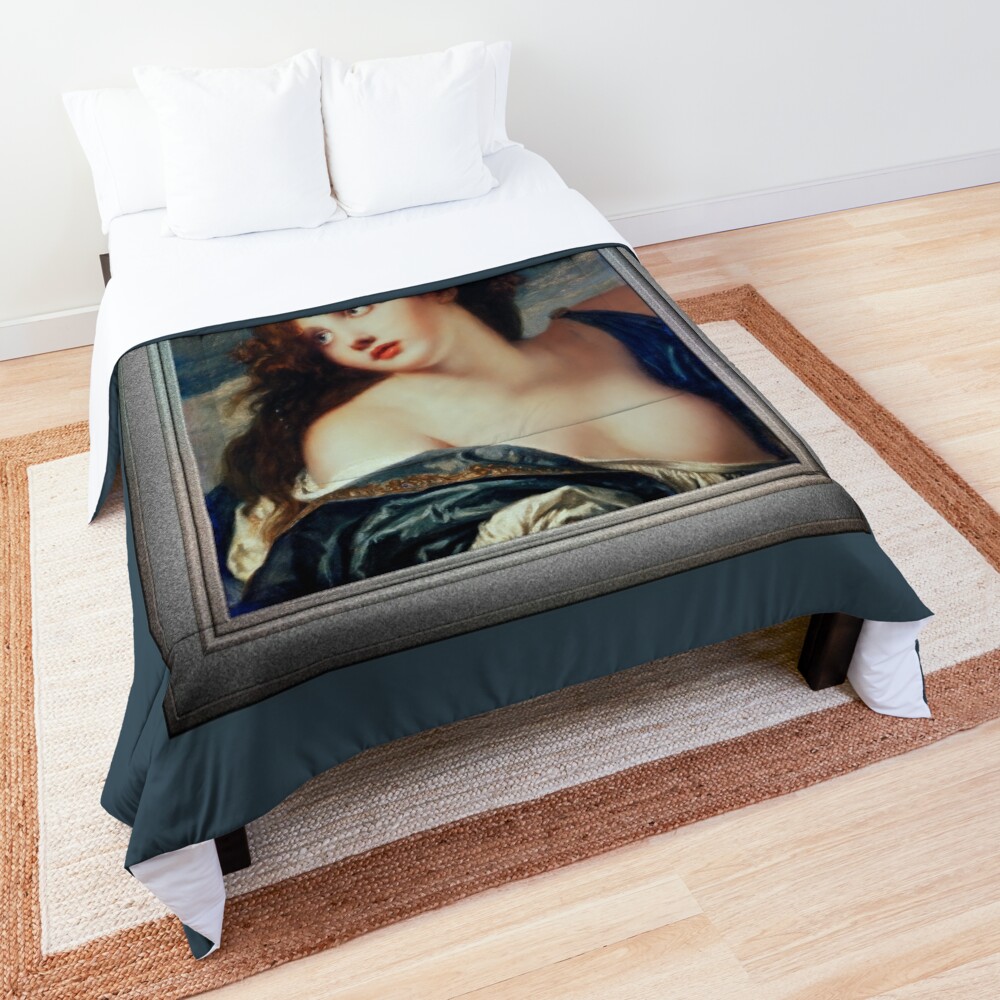
D'Artwierk mam Titel Psyche iwwuerten 1786, vum franséische Moler geschaf Jean-Baptiste Greuze (1725 – 1805), stellt en emotionalen an intimen Moment an der mythologescher Geschicht erzielt. Dëst Bild erfaasst déi mythesch Figur Psyche an enger delikater a gréisserer Porträtéierung, weist dem Greuze seng Meeschterschaft vum Liicht, Texture, an emotional Déift. An dësem Stéck, Greuze benotzt mëll Téin an detailléiert Ausdréck fir den zäitlosen Mythos vun der Psyche ëmzebréngen, eng stierflech Fra, där hir Schéinheet sou aussergewéinlech war, datt et hir an eng Serie vu Prozesser gefouert huet, déi schlussendlech dozou gefouert hunn, datt si onstierwlech gouf.
Inhaltsverzeechnes
D'Haaptthema: Dem Psyche seng emotional Ausdrock
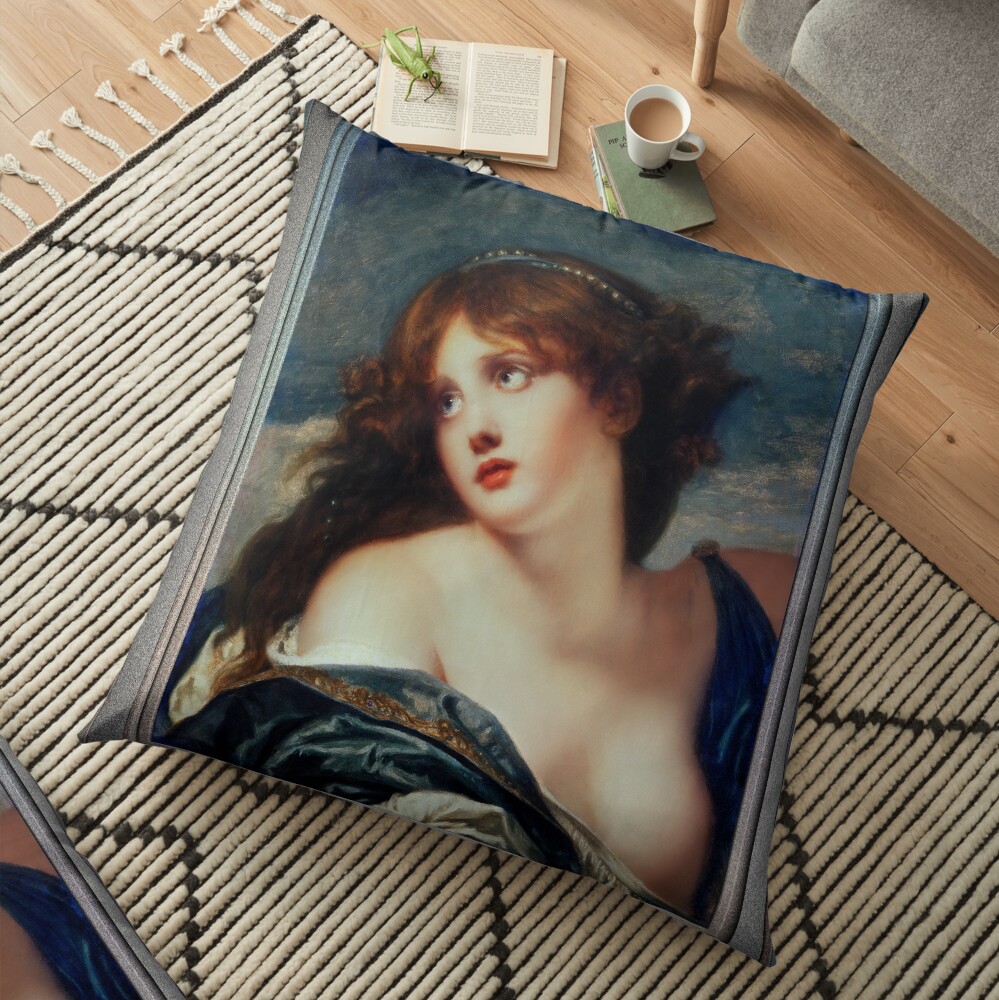
Psyche ass d'Zentralfigur vun der Zesummesetzung, mat Gnod a Sensualitéit gemaach. Si gëtt an engem Moment vu roueger Iwwerleeung portraitéiert, hir Ae kucken no uewen mat engem Ausdrock dee souwuel Schwachstelle wéi och Verlaangen reflektéiert. Hir delikat Charakteristiken - gerundete Wangen, mëll Lippen, a grouss, expressiv Aen - si mat sou feinen Detailer gemoolt datt se e Gefill vu Realismus opruffen, bal lieweg an hirer Intensitéit. Dëst ass charakteristesch vum Greuze Stil, wou hien ausgezeechent huet fir mënschlech Emotiounen mat engem bemierkenswäerte Sënn vun Zärtheet a psychologescher Déift ze erfaassen.
Psyche ass laang, fléissend Hoer ass a lockere Krullen styléiert déi iwwer hir Schëlleren kaskaden, bäidréit zu hirem äthereschen an delikaten Erscheinungsbild. E Pärelkopfband schmiert hir Hoer, symboliséiert souwuel hir Schéinheet an hir Verbindung zum göttleche. D'Manéier wéi hir Hoer gemoolt sinn suggeréiert Bewegung, wéi wann se an enger mëller Loft gefaangen. D'Opmierksamkeet vum Kënschtler op sou fein Detailer verbessert net nëmmen hir Schéinheet, mee verstäerkt och déi dreemlech Qualitéit vun der Szen.
D'Kleeder a Materialien
Psyche ass an engem luxuriéise Kleedungsstéck vu blo a Gold gekleet. De Stoff fléisst elegant ëm hir Schëlleren an den Hals, mat Greuze senger charakteristescher Fäegkeet fir Texturen ofzestellen. Déi déif blo vum Mantel kontrastéiert schéin mam mëllen Wäiss vun hirer ausgesater Haut, eng markant visuell Gläichgewiicht ze kreéieren. D'Kleed ass mat gëllenen Trimmen dekoréiert, déi seng luxuriéis Erscheinung verbesseren, symboliséiert déi himmlesch a gëttlech Natur vu Psyche selwer. Besonnesch bemierkenswäert ass dem Greuze seng Behandlung vum Stoff, mat Liicht a Schied spillt iwwer d'Material esou datt et bal konkret schéngt, wéi wann de Betrachter kéint erausgoen an d'Glattheet vun der Seid beréieren.
Déi fein Textur vum Stoff déngt als Metapher fir d'Schwachheet an d'Zerbriechlechkeet vum Psyche Charakter, hir emotional Onrou verstäerkt. D'Kleedung, mat senge mëllen Falten an dem glänzendem Glanz vum Material, füügt eng Schicht vu Komplexitéit un den emotionalen Toun vum Bild. Dem Kleed seng räich Faarwen a luxuriéise Stoff reflektéieren dem Psyche seng duebel Natur - souwuel stierflech wéi göttlech, Mënsch an anerworldly.
Den Hannergrond an Astellung
Den Hannergrond vun der Molerei ass e mëllen, atmosphäresch Mëschung aus cool Blues a Wäiss. Et feelt all offen Detail, awer et funktionnéiert d'Figur vum Psyche ze ënnersträichen. Déi einfach, bal abstrakte Hannergrond kontrastéiert mam héich detailléierte Virdergrond, d'Opmierksamkeet vum Betrachter ganz op d'Thema konzentréiert. Dës Technik reflektéiert dem Greuze seng Fäegkeet fir Intimitéit a senge Kompositioune ze kreéieren, de Betrachter an den emotionalen Zoustand vum Thema ouni Oflenkung ze zéien.
Den Himmel-ähnlechen Kuliss erënnert och d'Iddi vu Wäisheet an Onendlechkeet, suggeréiert de mythologesche Kader aus deem d'Psyche staamt. Déi sanft Faarfgradienten kreéieren e Gefill vu Raum a Loft, bäidroe fir déi dreemlech Atmosphär vum Bild. Dem Psyche seng Figur schéngt bal am Raum suspendéiert, wéi wann se an engem Moment tëscht Äerd an Himmel gefaangen ass.
Stil an Technik
De Jean-Baptiste Greuze war bekannt fir seng Fäegkeet fir mënschlech Emotiounen duerch seng Meeschterschaft vu Liicht a Schied z'erfaassen, wéi och säi Gebrauch vun mëll, harmonesch Faarwen. An Psyche, der Kënschtlerin Gebrauch vun mëll, glühend Liicht op d'Gesiicht vun der Figur schaaft e Gefill vun Naturalismus, Opmierksamkeet op den emotionalen Ausdrock vum Thema ze zéien. D'Liicht fällt sanft op d'Haut vum Psyche, hir delikat Fonctiounen ënnersträichen iwwerdeems e Kontrast mat den däischter Téin vun hiren Hoer a Kleeder schafen. Dës Notzung vu Liicht a Schied ass net nëmmen eng stilistesch Wiel, mee déngt fir d'psychologesch Déift vum Bild ze ënnersträichen, d'Psyche mat engem Sënn vu banneschten Konflikt a Verlaangen duerchzeféieren.
Dem Greuze seng Technik beim Ëmgank mat der mënschlecher Form ass en anert markant Element vun dësem Wierk. De Kënschtler erfaasst déi natierlech Kéiren vum Psyche säi Kierper mat flëssege Linnen, gëtt hir eng Loft vu graziéiser Beweegung och wann se an der Stille sëtzt. D'Falten vun hirem Kleed, d'Bewegung vun hiren Hoer, an den nuancéierten Ausdrock op hirem Gesiicht all kombinéiert fir e Portrait ze kreéieren deen souwuel emotional iwwerzeegend a visuell verhaft ass.
D'Stëmmung an d'Thema
D'Stëmmung vum Psyche ass ee vu widdert Verlaangen a roueger Iwwerleeung. Den Ausdrock op dem Psyche säi Gesiicht suggeréiert eng déif emotional Onrou, méiglecherweis Zesummenhang mat de Prozesser an Tribulations si Gesiichter am Mythos. Et gëtt e Gefill vun Trauregkeet an Demissioun an hirem Bléck, wéi wann se tëscht Hoffnung a Verzweiflung gefaange wier. De Kënschtler erfaasst dës emotional Komplexitéit duerch seng virsiichteg Rendering vun hirem Gesiichtsausdrock a Haltung, e Gefill vu Schwachstelle vermëttelt dat déif mam Zuschauer resonéiert.
D'Thema vum Bild - dem Psyche seng Rees vu stierflecher op göttlech - füügt Schichten vu Bedeitung un d'Konschtwierk bäi. D'mythologesch Geschicht vu Psyche an hir eventuell Unioun mam Cupid, de Gott vun der Léift, ass eng vun Transformatioun, Léift, an Opfer. Dem Greuze seng Porträtatioun vum Psyche säin emotionalen Zoustand weist op den internen Konflikt, deen hatt konfrontéiert ass, wéi se dës Erausfuerderunge navigéiert. An dëser Aarbecht, De Greuze konzentréiert sech net op déi grandios oder heroesch Elementer vum Mythos, mee éischter op de Mënsch, emotionalen Aspekt vum Charakter, mécht d'Figur vu Psyche relatabel an déif mënschlech.
Conclusioun
Psyche c1786 vum Jean-Baptiste Greuze ass e Meeschterstéck dat souwuel d'Schéinheet an déi emotional Déift vu sengem mythologesche Sujet erfaasst. Duerch seng delikat Rendering vun der Form vu Psyche, expressivt Gesiicht, an elegant Kleedung, De Greuze huet eng zäitlos Porträt vun enger Fra erstallt, déi tëscht der stierflecher a gëttlecher Welt gefaang ass. Déi emotional Resonanz vum Bild, kombinéiert mat senger technescher Meeschterschaft, placéiert dëst Wierk zu de schéinste Beispiller vum Greuze senger Carrière a bitt eng mächteg Erfuerschung vu mënschlechen Emotiounen am Kontext vun der klassescher Mythologie.
Dëst ass eng remastered digital Konscht al Master Reproduktioun vun engem Public Domain Bild dat als verfügbar ass Leinwandprint online.
Dës digital Konscht Kreatioun, wéi mat all de Konschtwierker, déi op der Xzendor7 Websäit fonnt kënne ginn, ass online a verschiddene Materialformater ze kafen, dorënner Canvas Prints, acryl Prints, Metallofdréck, Holzdrécker, cadréiert Printen, Plakater, a wéi gewalzt Canvas Printen a ville Gréissten vun 12 Zoll zu 72 Zoll ofhängeg vun der Gréisst vum aktuellen Konschtwierk an dem Print-on-Demande Buttek vun deem Dir gewielt hutt d'Konscht ze kafen.
D'Konschtwierk ass och op eng breet Palette vu Männer- a Fraekleedung verfügbar, Becher, totes, Schal, Notizbicher an Zäitschrëften a vill Heemdekoratiounsprodukter.
Iwwer de Kënschtler
Déi ënnescht Informatioun ass ofgeleet vu NGA.gov
De Jean gouf zu Tournus gebuer, Frankräich an 1725 als sechste Jong vun engem Meeschter-Tier, deen säin Talent ganz fréi erkannt huet; hien op Lyon geschéckt, Frankräich fir mam franséische Porträtmoler Charles Grandon ze studéieren (1691 – 1762).
Am Alter vun ongeféier 30 hien huet Lyon verlooss, an op Paräis gereest, Frankräich fir an der Académie royale de peinture et de sculpture oder der Royal Academy of Painture and Sculpture ze studéieren; déi zu där Zäit déi éischt Konschtinstitutioun vu Frankräich am leschten Deel vum Ancien Régime war (Alt Regiem ~1500 bis 1789), bis et ofgeschaaft gouf an 1793 während der franséischer Revolutioun.
Och wann héich talentéiert a ganz erfollegräich an de 1760er an 1770er Joren, mat Patréiner vun der Marquise de Pompadour (1721 – 1764), Keeserin Catherine II vu Russland (r. 1762 – 1796), an den Ange Laurent vu La Live de Jully (1725 – 1779); seng rebellesch Natur a Konflikter mat Akademie a Salon Beamten géif beweisen sengem Ongléck gin; besonnesch no sengem Bestietnes mat Anne Marie Babuty an 1759; wat fir hien eng Katastroph wier, wéi si bekannt war fir verschidde Affären mat senge Studenten a Sitter ze hunn, wat him Akommesverloscht an ëffentlech Vernedering verursaacht huet.
Wann d'Bestietnes eriwwer ass 34 Joer méi spéit krut seng Fra eng substantiell Siidlung, déi him an schlëmmen finanzielle Sträich hannerlooss a vun der Zäit vu sengem Doud an 1805 am Alter vun 80 hie war bal gebrach.