
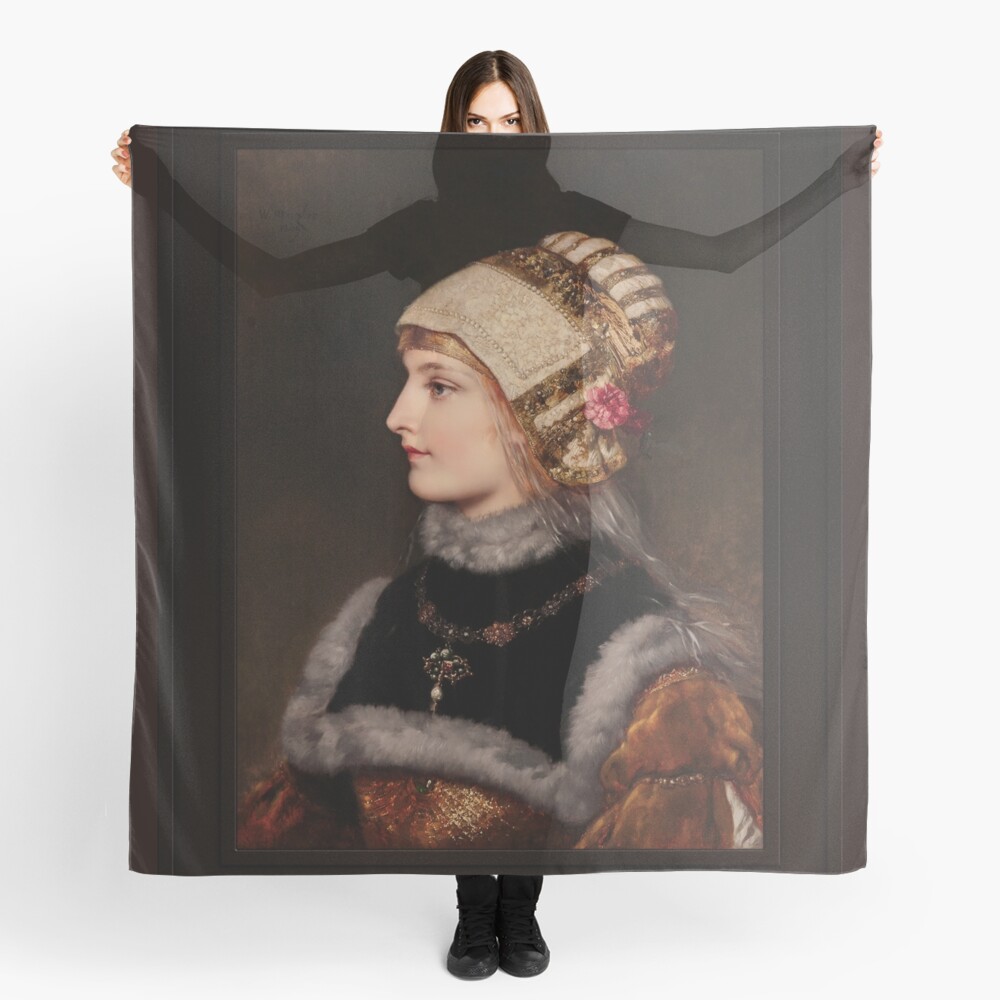
Errenazimentuko mozorrodun emakume gazte baten argazkia
-ren zaharberritzea “Emakume gazte bat Errenazimentuko jantzia, c. 1879”
Pintura klasikoen edertasuna eta korapilatsua sarritan ilundu egiten dira denborarekin zahartzearen ondorioz, ingurumen-faktoreak, eta materialen degradazioa. Hala ere, artelan hauen betiko dotoretasunak eta garrantzi historikoak kontserbatzea eskatzen du. Halako artelan bat da Emakume gazte bat Errenazimentuko jantzia, urtean Wilhelm Menzler margolari alemaniar ospetsuak sortu zuen 1879.
Erretratu berezi honek Errenazimenduko jantzidun emakume baten grazia delikatua jasotzen du, pintorearen aparteko talentua ez ezik garaiko moda historikoa ere erakutsiz. Tresna modernoen erabilera trebearen bidez, artelanari bizitza berri bat eman zaio, zaharberritze eta birmasterizazio digitalaren teknikei esker. Artikulu honetan, pieza bikain hau zaharberritzeko prozesua aztertuko dugu erabiliz Affinity Photo Editor, parte hartzen duten tresnak, eta artelana bere jatorrizko distira hurbiltzeko emandako pauso zorrotzak.
Edukien taula
Wilhelm Menzlerren ondare artistikoari begirada bat
Wilhelm Menzler (1846-1926) Errealismoa erromantizismoarekin nahasteko gaitasunagatik ezaguna den artista alemaniarra izan zen. Bere margolanek pertsonaia historikoak eta eguneroko bizitza irudikatzen zituzten askotan, jantziari arreta berezia jarrita, arkitektura, eta iraganeko tradizioak.
Bere Emakume gazte bat Errenazimentuko jantzia errealismoarekiko konpromiso hori islatzen du, Errenazimenduko janzkeraren xehetasun korapilatsuak jasotzen, arretaz eraikitako buruko soinekotik soineko luxuzko ehunera. Margolanak argiaren eta itzalaren maisutasuna erakusten du, biguna agerian utziz, subjektuaren aurpegiaren ezaugarri naturalistak.
mendean sortutako artelan askotan bezala, erretratua dezente zahartu da. Urteetan zehar, ohiko higadura jasan du, pitzadurak esaterako, koloregabetzea, eta gainazaleko degradazioa, bere zaharberritzea are erabakigarriagoa bihurtuz bere balio historikoa zaintzeko.
Zaharberritze Prozesua: Urratsez urratseko hurbilketa
Hasierako Ebaluazioa eta Konfigurazioa
-ren zaharberritzea Emakume gazte bat Errenazimentuko jantzia margolanaren egoera kontu handiz ebaluatzen hasten da. The primary issues identified in this particular artwork included cracks, discoloration due to the aging lacquer finish, and loss of detail in the image. Using a high-quality digital scan of the painting, the restoration process in Affinity Photo Editor commences, aiming to preserve as much of the original character and charm of the work as possible while eliminating the visible signs of deterioration.
Urratsa 1: Pitzadurak eta hutsegiteei aurre egitea
The first step in the restoration process is addressing the physical damage to the painting, such as cracks and dropouts. These imperfections are often a result of the artwork’s age, with the paint and canvas shrinking or stretching over time. In digital restoration, the cracks are identified and isolated using various selection tools in the software. Once isolated, the cracks and dropouts are carefully repaired using healing and cloning tools.
The healing brush in Affinity Photo Editor is used to blend surrounding textures and colors with the damaged areas, seamlessly erasing visible cracks. A special attention is given to the delicate details around the face, ilea, and fabric of the costume to ensure that no texture is lost in the process.
Urratsa 2: Azalaren tonuak fintzea eta nahasketa
With the cracks removed, the next step is to refine the skin tones and blend the facial features. Over time, the skin tones in the painting may have become uneven or muted due to the oxidation of the paint. Using the color adjustment tools in the editor, the restoration process focuses on creating a more balanced skin tone. Blending tools are employed to merge any harsh transitions between different skin areas, softening the texture while maintaining the naturalistic look that Menzler originally intended.
The soft blending of the skin also helps to reintroduce depth and three-dimensionality to the face, which may have been lost over time. The delicate features of the young woman’s face, such as her eyes, lips, and hairline, are carefully restored to retain the intimate quality of the original painting.
Urratsa 3: Tonu-doikuntzak eta kolore-zuzenketa
As many older artworks suffer from a yellow-green tint due to the lacquer finish applied during their time of creation, this painting is no exception. The aging varnish has caused a color shift, giving the painting a slight yellowish hue, which often masks the true vibrancy of the colors. To correct this, tonal adjustments are made in the restoration software.
Irudiaren kolore oreka eta kontrastea egokituz, kolore hori-berdea kentzen da, margolanaren benetako koloreak agerian utziz. Emakumearen mozorroaren gorri eta marroi aberatsak, baita bere aurpegiko eta ehuneko distira sotilak ere, bizitzara itzultzen dira. Urrats hau ezinbestekoa da ikusleak artelana hasiera batean margotu zenean agertuko zen bezala bizi dezala ziurtatzeko., koloreak ahalik eta bizien eta Menzler-en ikuskerari leialenekin.
Urratsa 4: Azken ukituak - Markoa eta zarata kentzea
Zaharberritze nagusiak amaitu ondoren, azken ukituak artelanaren aurkezpen orokorra hobetzera bideratzen dira. Azken urratsetako bat irudiaren marko digital bat sortzea da. Marko hau azken lana bikoiztuz sortzen da, zarata murrizteko iragazkiak aplikatuz, eta testura gehitzea jatorrizko margolanaren ertzen itxura simulatzeko.
Enkoadraketa digital honek aurkezpen estetikoa hobetzeaz gain, berreskuratutako irudiaren babes-geruza gehigarria eskaintzen du.. Zarata, zaharberritze prozesuan gerta daitekeen artefaktua dena, arreta handiz kontrolatzen da pinturaren argitasuna eta leuntasuna mantentzeko.
Bukaera
-ren zaharberritzea Emakume gazte bat Errenazimentuko jantzia, c. 1879 Wilhelm Menzler-ek teknologia modernoak arte klasikoaren edertasuna eta historia zaintzeko duen ahalmenaren erakusgarri da.. Zaharberritze digitala erabiliz lan zorrotzaren bidez Affinity Photo Editor, margolana gaztetu egin da, iraganari begirada bat eskainiz, etorkizuneko belaunaldiei bere biziraupena bermatuz.
Pitzadurak, koloregabetzea, eta behin irudia hondatzen zuten xehetasunen galera adituz konpondu dira, allowing the artwork to once again shine with the vibrancy and elegance it originally held. This process not only preserves the artist’s legacy but also allows art lovers and historians to appreciate the historical accuracy and beauty of Menzler’s work in its full glory.
Informazio gehiago
Retouching Of A Young Woman In Renaissance Costume is an art print of the above artwork that can be purchased as an acrylic print, Mihisearen inprimaketa eta metalezko inprimaketa nire bisita eginez Xzendor7 Pixels Denda. Izan ere, beste produktu guztientzat bisitatu goiko estekak.
Affinitatearen argazki editorea, artelan klasiko honen argazki zaharberritzean erabili zen.
The above public domain artwork as been remastered to remove the cracks, dropouts and degradation of the image and the photograph, goian adierazitako irudi-editorea erabiliz; as well as the toning and face creation for the image.
The general approach first starts by dealing with the cracks and dropouts of the artwork, then proceeds to the blending of the skin tones and other parts of the image using blending tools and noise.
Once this process is completed, the toning of the image takes place to remove the yellow-green tint that covers the artwork, due to the aging lacquer finish.
After the toning is completed a frame is created using a duplicate of the finish work and noise.