

Satynowa Róża
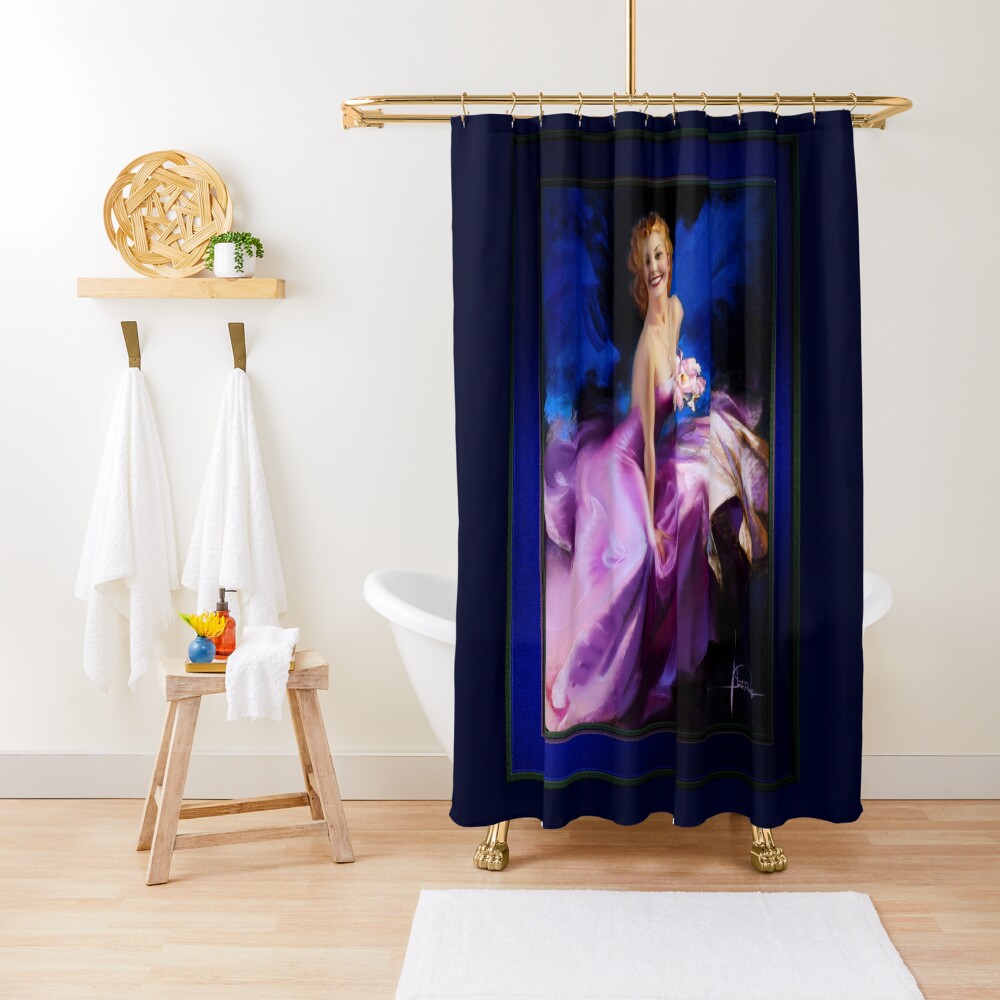
“Satynowa Róża” (1930), namalowany przez znanego amerykańskiego artystę Rolf Armstrong (1889-1960), jest wzorowym przykładem amerykańskiego portretu z początku XX wieku. Znany ze świetlistych przedstawień kobiet w modnych strojach, Twórczość Armstronga oddaje poczucie piękna i elegancji, które rezonują z duchem epoki jazzu i okresu Art Deco. W tym konkretnym kawałku, Armstrong przedstawia obraz kobiecości i wdzięku, ilustrujący misterne szczegóły kobiety w miękkim wydaniu, satynowa suknia.
Spis treści
Główny temat
“Satynowa Róża” to młoda kobieta, ułożona z wdziękiem, jej postać została przedstawiona z delikatną równowagą światła i cienia. Jest ucieleśnieniem młodzieńczej urody, ubrana w suknię, która powiewa i faluje wokół niej miękkimi falami. Suknia, przede wszystkim lawendowa satyna, błyszczy w świetle, jego gładka tkanina jest podkreślona fałdami i zagnieceniami, które nadają jej bogactwa, Prawie jakość dotykowa. Mistrzostwo Armstronga w zakresie tekstury jest widoczne w sposobie traktowania satynowej tkaniny, który mieni się delikatnym połyskiem charakterystycznym dla tego luksusowego materiału.
Styl, Technika, i Średni
Twarz kobiety jest pełna witalności, emanuje radością i ciepłem. Jej uśmiech jest subtelny, ale pewny siebie, a jej wzrok jest skierowany w stronę widza, budowanie poczucia bezpośredniego zaangażowania. Jej miękkie, falowane blond włosy okalają jej twarz bez wysiłku, a zarazem elegancki sposób. Róże, które trzyma w prawej ręce, delikatnie ujęte, dodać kompozycji odrobinę romantyzmu i miękkości, ich jasnoróżowe płatki odzwierciedlają delikatne odcienie sukni. Armstrong wykorzystuje kwiaty nie tylko w celach dekoracyjnych; symbolizują piękno, kobiecość, i łaska, further emphasizing the overall theme of the painting.
The background of the piece is richly colored with abstract brushstrokes that suggest a dreamy, prawie eteryczna jakość. The deep blue tones of the background contrast with the soft, lighter shades of the woman’s gown, helping her figure to stand out as the central focus. This contrast between the warm lavender tones of the figure and the cool blues of the background creates a sense of depth and dimension, which enhances the realism of the portrait. The soft gradations of color contribute to the overall serene atmosphere of the work, where the light seems to caress the surface of the satin fabric, further enhancing the mood of elegance.
Przedmioty i kompozycja
The composition is tightly focused on the figure, capturing her in a moment of serene joy. Armstrong’s decision to leave the background somewhat abstract and blurred directs the viewer’s attention entirely to the subject. This emphasis on the figure over the surroundings is a characteristic feature of many of Armstrong’s works, where the human form is celebrated in its natural beauty.
Armstrong’s style in “Satynowa Róża” exemplifies his signature technique of blending realism with a certain idealized quality. The portraiture is not merely a representation of a woman but rather an exploration of beauty, elegancja, i łaska. The artist’s use of light and shadow is subtle yet effective, highlighting the contours of the woman’s face and the folds of her gown in a way that gives the painting a sense of dimensionality. Armstrong’s skill in capturing fabric, zwłaszcza, is unparalleled, a sposób, w jaki satynowa suknia wydaje się łapać i odbijać światło, nadaje jej płynności, prawie jakość życia.
Temat i nastrój
Temat “Satynowa Róża” jest głęboko zakorzeniona w szacunku dla piękna i mody, jaki panował na początku XX wieku, odzwierciedlające ówczesne zainteresowania kulturowe. Lata trzydzieste XX wieku to epoka blasku, sofistyka, i nowoczesna kobiecość, a twórczość Armstronga jest ucieleśnieniem tych ideałów. Zastosowanie satynowej tkaniny, nacisk na luksusowe tekstury, i delikatne przedstawienie promiennego piękna młodej kobiety świadczą o wysokim szacunku dla elegancji, który przenikał ówczesny krajobraz społeczny i artystyczny.
Nastrój obrazu to ciepło i spokój. Łagodny uśmiech kobiety, miękkie fałdy jej sukni, i spokojne niebieskie tło tworzą atmosferę spokojnej elegancji. There is a sense of intimacy in the work, as if the viewer is being invited into a private moment with the subject, who stands before us in a poised yet approachable manner. The artist does not present her as an unattainable ideal but as a woman of grace and dignity, who radiates an inner beauty as much as the external qualities the painting depicts.
Wniosek
Pod względem materiałów, Armstrong employed traditional oil paints, using the medium to build up layers of color that add depth and texture to the scene. The painting’s surface, rich in color and form, highlights Armstrong’s ability to create smooth, almost luminescent textures, particularly in the depiction of fabric and skin. The piece is framed in a classical style, z bogatą niebieską ramką, która uzupełnia odcienie tła i dodatkowo wzmacnia wizualny efekt pracy.
Satin Rose to zremasterowana cyfrowa reprodukcja starych mistrzów obrazu należącego do domeny publicznej, która jest dostępna jako płótno, akryl i metalowy druk online.
Bio artysty pochodzące z Wikipedia.org
Rolf Armstrong urodził się jako John Scott Armstrong w Bay City, Michigan w kwietniu 21, 1889, do Richarda i Harriet (Scott) Armstrong. Jego ojciec był właścicielem firmy Boy-Line Fire Boat Company, który obejmował linię statków pasażerskich. Niektóre zostały rozmieszczone w Chicago do użytku na tamtejszych Światowych Targach w Chicago 1893.
jednak, firma i rodzina ojca borykały się z problemami, a gospodarstwo rodzinne zostało utracone w wyniku przejęcia. W 1899, rodzina przeniosła się do Detroit, Michigan. Ojciec Rolfa zmarł w r 1903, a rok później on i jego matka przeprowadzili się do Seattle, Waszyngton, podążając śladami starszego brata, Williama, który przeprowadził się tam rok wcześniej. Do tej pory artystyczne zainteresowania Rolfa przekształciły się w coś więcej niż przyjemność w niepełnym wymiarze godzin.
Przeniósł się do Chicago w r 1908, gdzie później studiował w Instytucie Sztuki. Następnie udał się do Nowego Jorku, gdzie studiował u Roberta Henriego. Po wycieczce do Paryża w r 1919 studiować w Académie Julian, wrócił do Nowego Jorku i założył studio. W 1921 udał się do Minneapolis, aby studiować produkcję kalendarzy w Brown & Bigelow.
W latach 20. i 30. XX wieku, jego prace pojawiły się na wielu utworach nutowych, a także na okładkach wielu magazynów, najbardziej znane z magazynów dla fanów filmu, takich jak Photoplay i Screenland. Jego praca składa się głównie z kobiet; Mary Pickford, kochanie Daniels, a Greta Garbo to tylko kilka z wielu, które namalował.
Praca Armstronga dla Pictorial Review była w dużej mierze odpowiedzialna za to, że magazyn ten osiągnął nakład przekraczający dwa miliony dolarów 1926. Rok później, był najlepiej sprzedającym się artystą kalendarza w Brown & Bigelow. W 1930, RCA zatrudniła go do malowania pin-upów, aby reklamować swoje produkty, i w 1933 Thomas D. Firma Murphy Calendar Company podpisała z nim kontrakt na wykonanie serii obrazów dla ich linii.
W marcu 1940, Klejnotowe Kwiaty, dziewczyna z Lumberton, Karolina Północna, wysłała swoje zdjęcie do Armstronga w odpowiedzi na ogłoszenie, które umieścił w New York Times. Armstrong, 50 wtedy, od tego czasu mieszkał w Hotel des Artistes przy West 67th Street na Manhattanie 1939, i szukałem nowych modeli.
Zaprosił Kwiaty na rozmowę. W marcu 25, 1940, Flowers zaczęła pracować jako modelka dla Armstronga. Ich zawodowa współpraca i przyjaźń trwała dwie dekady. Pierwszy obraz, pod tytulem “Jak się mam?”, podobno bo Kwiaty, nieprzyzwyczajony do modelarstwa, wielokrotnie pytał Armstronga “Jak się mam?” podczas sesji modelek, ukazała się po raz pierwszy po wybuchu II wojny światowej.
To był Brown & Najlepiej sprzedający się kalendarz Bigelow dla 1942 w czasie, gdy firma sprzedała miliony kalendarzy w Ameryce, i stał się jednym z najczęściej reprodukowanych obrazów Armstronga. Kwiaty były popularne wśród amerykańskich żołnierzy podczas II wojny światowej, niektórzy z nich wysłali jej listy z propozycją małżeństwa. Kalendarze Armstronga i sylwetki Kwiatów zostały skopiowane na bombowce i inne samoloty jako grafika nosa i namalowane na wieżyczkach czołgów.
Stała się tak znana w czasie wojny, chociaż bardziej jako znana twarz niż z imienia, że list serwisanta zaadresowany po prostu jako “Klejnotowe Kwiaty, Nowy Jork” została dostarczona prawidłowo. Dla wielu amerykańskich żołnierzy za granicą, ona reprezentowała “Dlaczego walczymy” duch. NAS. Prezydent Franklin D. Rząd Roosevelta zwerbował ją do pomocy w promowaniu obligacji wojennych.
Styczeń 1, 1945 wydanie magazynu TIME zawierało Armstronga “Toast Miasta” obraz Kwiatów w artykule o sztuce kalendarza. W artykule zauważono, że kalendarze z “obrazy dziewczyny” był “kupowane w dużych ilościach przez odlewnie, sklepy z maszynami, dilerzy zaopatrzeniowi samochodowi.”
Kwiaty wzięły ślub 1946. Ona i jej mąż mieszkali w kilku miejscach, podczas gdy on próbował wielu przedsięwzięć biznesowych, w tym Laguna Beach, Kalifornia, Greenville, Karolina Południowa, Reno, Nevada, gdzie podobno przez pewien czas pracowała jako sprzedawca kart, i Nowy Jork. Według Michaela Wooldridge'a, współautorka Pin up Dreams: Sztuka glamour Rolfa Armstronga, Armstrong dzwonił do niej kilka razy w okresie, gdy podążała za mężem z miejsca na miejsce, spróbować przekonać ją, by wróciła do Nowego Jorku i była dla niego modelką.
Jej kariera modelki zakończyła się wraz ze śmiercią Armstronga 1960. Pozostawił dużą część swojego osobistego majątku Flowers. Razem, Armstrong stworzył około pięćdziesięciu do sześćdziesięciu prac, używając Kwiatów jako modelu.
Rolf Armstrong zmarł w 1960 na wyspie Oahu, Hawaje jako jedne z najlepszych “szpilka” artyści pierwszej połowy XX wieku.