

Pastýřská idyla
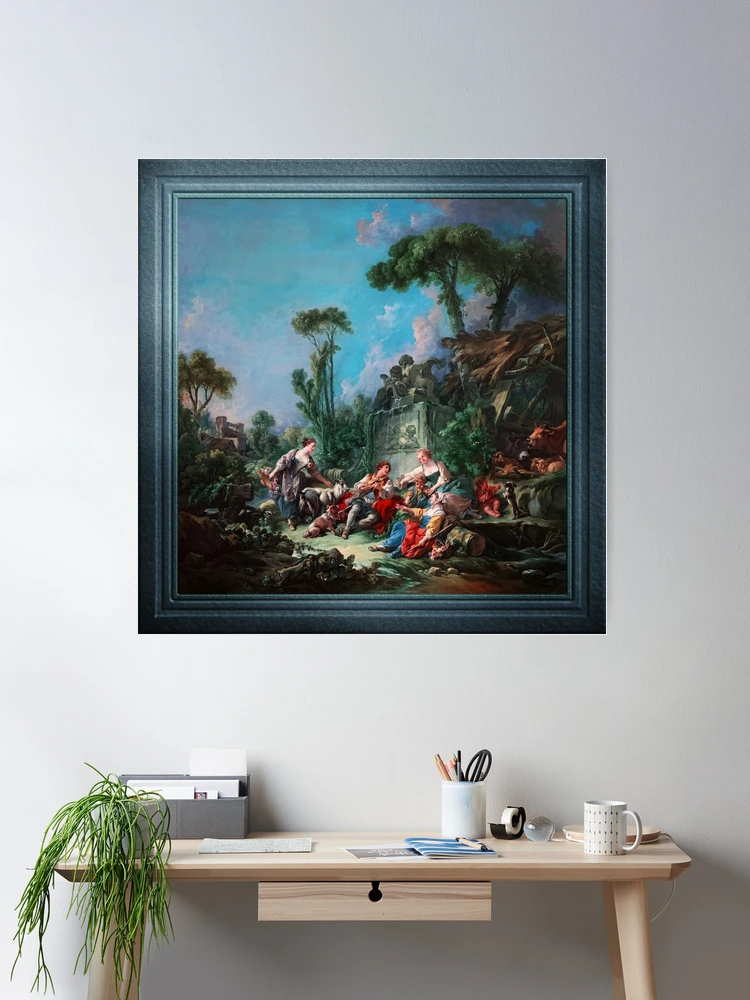
Shepherds Idyll c1768 od francouzského malíře Francois Boucher (1703 – 1770), Jupiter v masce Diany a Callisto od Françoise Bouchera. Jupiter v masce Diany a Callisto od Françoise Bouchera, Jupiter v masce Diany a Callisto od Françoise Bouchera.
Francois Boucher, jeden z nejvlivnějších francouzských rokokových malířů 18. století, vytvořil skvělé dílo “Pastýřská idyla” kolem 1768. Tento obraz zapouzdřuje veselého a pastoračního ducha období rokoka, známý pro svou hravost, smyslný, a idealizované zobrazení přírody a venkovského života. S měkkým, plynulé linie a romantická atmosféra, Boucherův přístup přináší harmonickou směs přirozené krásy, nevinnost, a intimita.
Obsah
Hlavní předmět a kompozice
V srdci “Pastýřská idyla” leží skupina pastýřů a pastýřů zachycená v idylickém stavu, pastorační scéna. Složení je pečlivě strukturováno, showcasing the innocence of rural life in a way that elevates it from mere rusticity to a realm of artful elegance. The scene is set in a lush, rolling landscape with a softly flowing stream. The shepherds, dressed in vibrant, yet soft-colored costumes typical of the period, are seated or reclining in a carefree manner. There is an easy, relaxed posture among the figures, creating a sense of tranquility and ease.
The group is mostly engaged in lighthearted activities — some play music, while others interact with animals. A young woman with a graceful, almost ethereal appearance is in the foreground, playing a flute, while a man, dressed in a richly colored red and gold jacket, is seated nearby, holding a shepherd’s crook. Some of the figures are in close conversation, others appear to be gazing into the distance, while a few are simply lost in their enjoyment of the natural surroundings.
V pozadí, two horses graze near a fountain, while a goat and dog are positioned around the group of figures, further enriching the pastoral scene with the vitality of life. The figures themselves, while youthful, are imbued with an air of sophistication, making the pastoral setting seem almost like a stage for a private social gathering among the country gentry.
Objekty a symboly
A striking feature of the painting is the natural elements, which are treated with delicate reverence. The foliage surrounding the group is lush and abundant, with grand, towering trees that fill the upper part of the canvas. The figures seem almost dwarfed by the massive trunks and sweeping branches that provide a sense of both protection and serenity. Their presence also speaks to the Rococo love of nature as a decorative and idealized space, meant to reflect human grace and beauty.
The fountain in the background, designed with classical motifs, symbolizes the theme of purity and the eternal flow of life. The gentle stream that flows from it winds its way through the scene, adding to the tranquil atmosphere. The animals, especially the goat and the cows on the right side of the painting, lend a touch of realism to the otherwise idealized scene. They are almost anthropomorphized, existing in harmony with the human figures. The goat, zejména, is a common symbol of fertility, while the dog signifies loyalty and companionship, jemné, ale záměrné symboly, které dále posilují vyprávění o jednoduchosti a pastorační blaženosti.
Pastýřův podvodník, nástrojem pastoračního života, je dalším symbolem ve scéně, symbolizující spojení lidstva s přírodou. Pastýřský život není v tomto kontextu pouze estetickým zážitkem, ale je pevně zakořeněný v tradicích a práci venkova..
Podrobnosti o terénu a pozadí
Pozadí obrazu dominuje směs svěží zeleně a hluboké modré. Obloha je namalována měkkou, pastelově modrá, která plynule přechází do zvlněných kopců a stromů v dálce. Světlo je jemně rozptýleno po krajině, dodává celé scéně teplo, harmonická záře. The figures in the foreground bask in this light, which creates a soft halo around them.
The trees and foliage are painted with a sense of romantic idealism, where nature is exaggerated to appear in its most serene and refined form. There are no sharp, harsh angles or barren spaces in the landscape. Místo toho, the rolling hills, expansive sky, and dotted animals create a lush, fertile environment.
In contrast to the vibrancy of the figures and natural elements, the architecture in the background remains modest but significant. The distant ruins of a classical structure — perhaps a Roman-style temple or an overgrown villa — add a touch of antiquity to the work. Budovy, though not the central focus, provide historical context to the otherwise timeless nature of the landscape, což naznačuje, že scéna mohla existovat v jakémkoli zlatém věku lidské civilizace.
Rokokový styl
Boucherova “Pastýřská idyla” je v podstatě rokoko, styl, který vznikl ve Francii na počátku 18. století. Rokoko je známé svou lehkostí, milost, a jemné zdobení, a tyto vlastnosti jsou patrné v celém díle. Měkký, pastelová paleta použitá Boucherem umocňuje snový, téměř pohádková kvalita scény. Postavy jsou vyobrazeny s měkkým, zaoblené tvary, a plynulé tahy štětcem dodávají scéně pocit pohybu a plynulosti.
Smyslnost, která prostupuje rokokový styl, je přítomna i v tomto obrazu, i když je to podhodnocené. Postavy, i když idealizované, vyzařuje měkkost a půvab, který naznačuje snadné potěšení venkovského života — kde láska, hudba, a krása koexistují ve světě bez společenských omezení. In many ways, Boucher’s use of light, barva, and subject matter elevates the pastoral to an art of fantasy, making it an escape from the rigid realities of court life.
Nálada a atmosféra
Nálada “Pastýřská idyla” is one of serenity, joy, and contentment. Postavy’ relaxed postures and the gentle interplay between the humans and animals reflect an idyllic existence where human connection to nature is at its purest. The natural world around them, lush and vibrant, complements their youthful, carefree demeanor. There is no urgency in the painting; spíše, it conveys a sense of eternal, peaceful enjoyment.
Boucher’s use of light, barva, and subject matter invites the viewer into a dreamlike world of pastoral bliss, where time slows, and the concerns of the outside world seem far away. The lush environment and the harmonious interactions of the figures suggest a utopian existence, where the beauty of nature and human companionship create a perfect balance.
Závěr
François Boucher’s “Pastýřská idyla” encapsulates the charm and grace of the Rococo period through its serene portrayal of pastoral life. With its idyllic depiction of rural pleasures, the painting invites the viewer to escape into a world of beauty, simplicity, and serenity. The rich colors, delicate figures, and romanticized landscape create a timeless piece that remains a hallmark of the Rococo style.
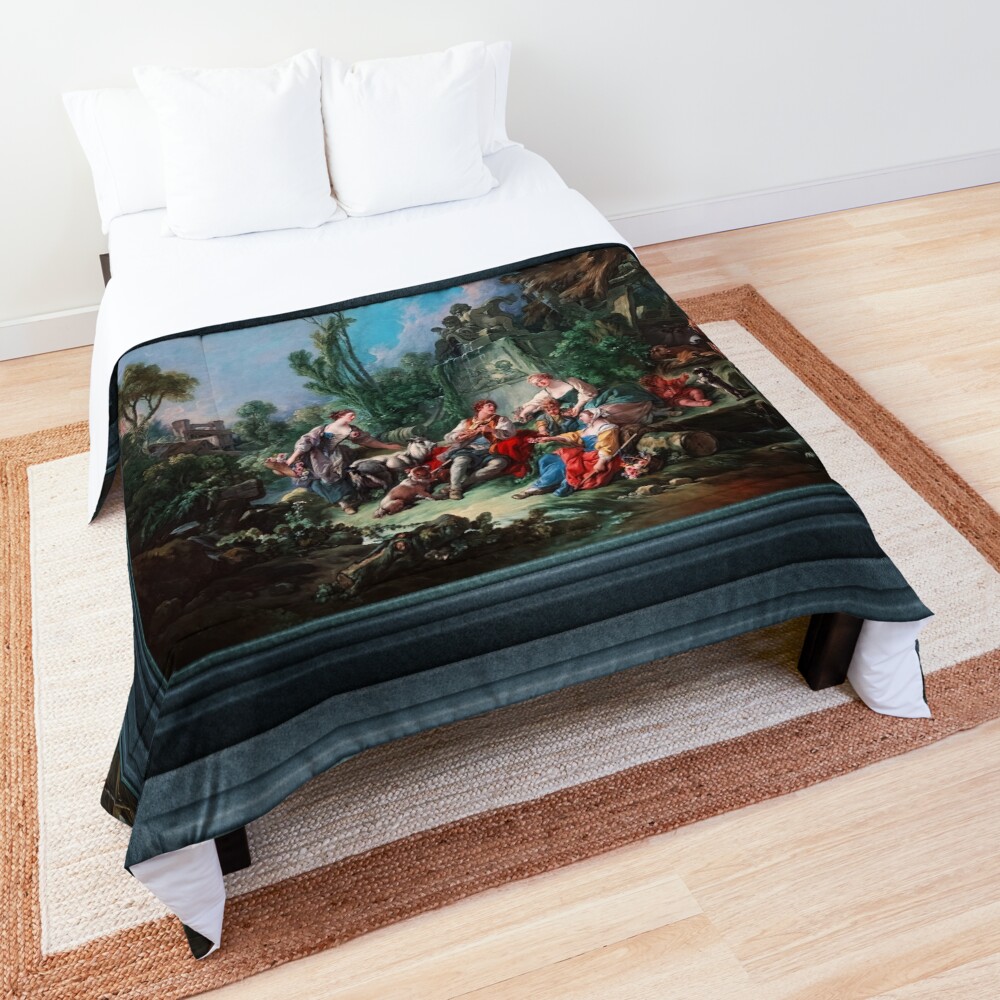
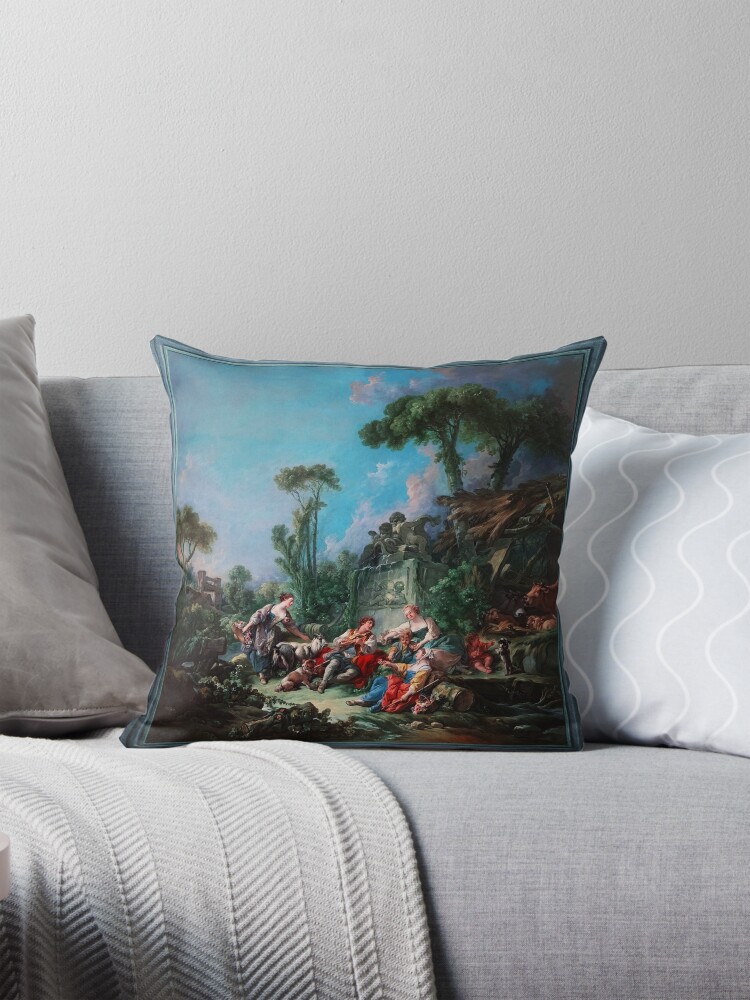
Shepherd’s Idyll je retušovaná digitální umělecká reprodukce obrazu ve veřejném vlastnictví starých mistrů.
O umělci
Níže uvedené informace jsou odvozeny z Wikipedia.org
I když existuje několik protichůdných verzí mýtu, I když existuje několik protichůdných verzí mýtu, I když existuje několik protichůdných verzí mýtu. I když existuje několik protichůdných verzí mýtu, I když existuje několik protichůdných verzí mýtu. I když existuje několik protichůdných verzí mýtu, I když existuje několik protichůdných verzí mýtu, I když existuje několik protichůdných verzí mýtu.
v 1720, vyhrál elitní Grand Prix de Rome za malbu, vyhrál elitní Grand Prix de Rome za malbu, vyhrál elitní Grand Prix de Rome za malbu[1] Po návratu ze studia v Itálii byl přijat na refounded Académie de peinture et de sochařství na 24 listopad 1731. Jeho přijímací kus (přijímací kus) byl jeho Rinaldo a Armida z 1734.
Boucher si vzal Marie-Jeanne Buzeau v 1733. Pár měl spolu tři děti. Boucher se stal členem fakulty v 1734 a jeho kariéra se od tohoto okamžiku zrychlila, když byl povýšen na profesora, poté rektora akademie, stává inspektorem v Royal Gobelins Manufactory a nakonec Premier Peintre du Roi (První malíř krále) v 1765. Portrét Marie-Louise O'Murphyho c. 1752
Boucher zemřel dne 30 Smět 1770 v rodné Paříži. Jeho jméno, spolu s patronkou jeho madame de Pompadour, se stal synonymem pro francouzský rokokový styl, vede bratry Goncourty k psaní: “Boucher je jedním z těch mužů, kteří představují vkus století, kteří vyjadřují, personifikovat a ztělesnit to.”
Boucher je známý tím, že říká, že příroda je “příliš zelené a špatně osvětlené” (příliš zelené a špatně osvětlené).
Boucher byl spojován s rytec drahokamů Jacques Guay, kterého učil kreslit. Mentoroval také moravsko-rakouského malíře Martina Ferdinanda Quadala a neoklasického malíře Jacquese-Louis Davida v r. 1767.[4] Později, Boucher vytvořil sérii kreseb Guayových děl, které madame de Pompadour poté vyryl a distribuoval jako pohledně svázaný svazek oblíbeným dvořanům