

Ships In Distress Off A Rocky Coast
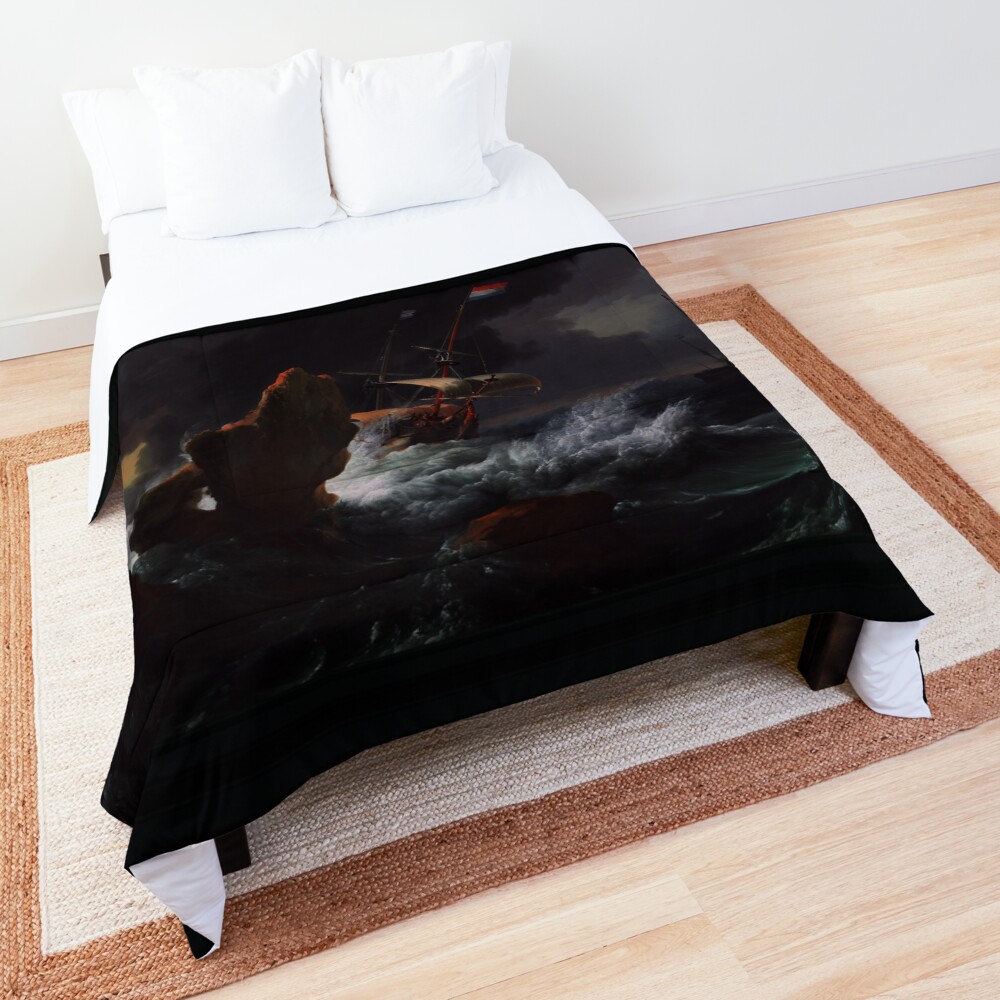
“Ships In Distress Off A Rocky Coast” is a remarkable piece of marine art created in 1667 by the German-born Dutch painter Ludolf Bakhuizen (1630 – 1708). Known for his seascapes, Bakhuizen’s works are a blend of technical mastery and emotive narrative, capturing the power and unpredictability of the sea. Pintura hau, executed in oil on canvas, showcases his signature style, which emphasizes dramatic weather conditions and the complex interplay of light, water, and ships in perilous circumstances. The viewer is transported to a tumultuous moment in maritime history, evoking the treacherous environment that sailors often faced on the open sea.
Edukien taula
Gaia eta Osaera
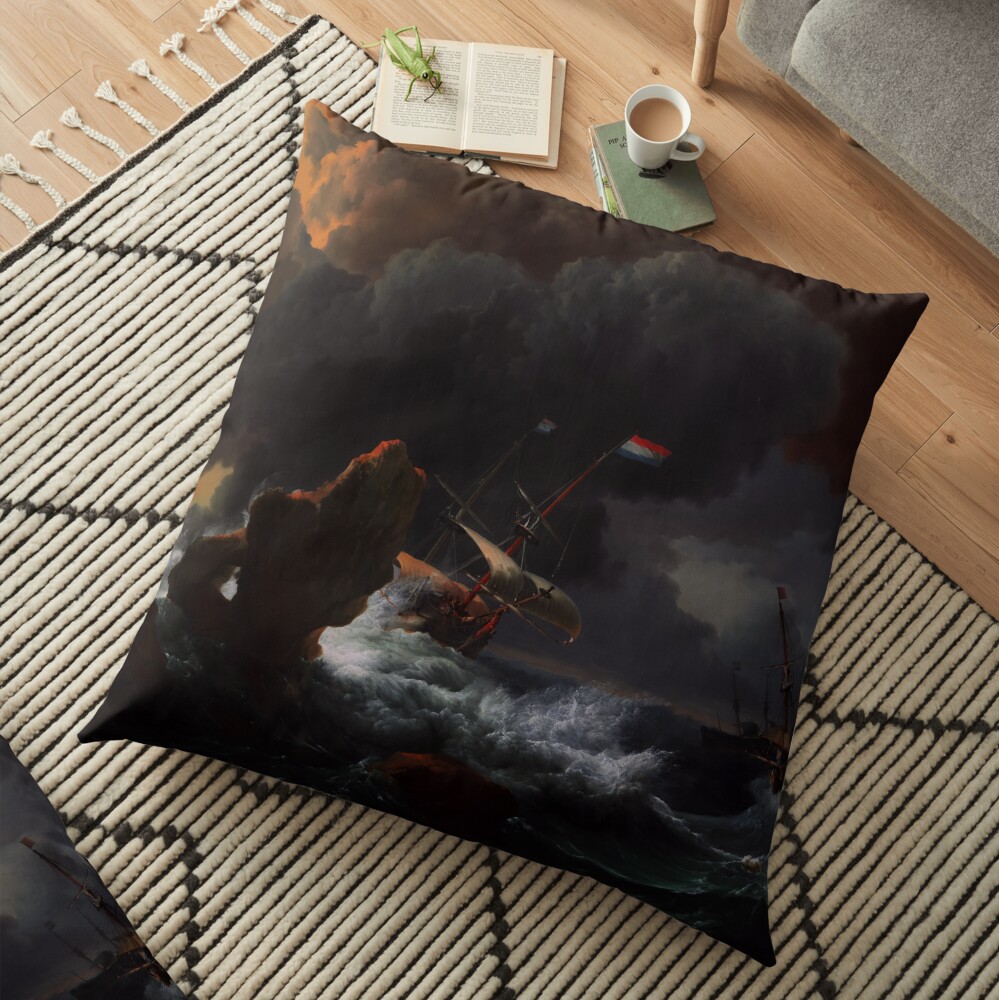
-ren gai nagusia “Ships In Distress Off A Rocky Coast” revolves around two ships caught in a violent storm. The ships, one seemingly in the process of sinking and the other struggling to remain afloat, are surrounded by sharp, jagged rocks that threaten to crush them. The rocky terrain on the coast serves as a stark contrast to the vast expanse of the wild ocean, and the fierce crashing waves create an immediate sense of chaos and danger. The distressed vessels are depicted in mid-crisis, their sails caught in the wind, and their fragile structures seem to be at the mercy of the waves.
Lehen planoan, the artist captures a highly detailed depiction of the waves, with foam surging around the rocks and cascading down from the towering swells. The sea appears both beautiful and dangerous, its dark waters reflecting the turbulent skies above. The ships’ crew is not shown in detail, but their presence is implied through the dramatic actions of the vessels and the desperate atmosphere that permeates the scene.
Bakhuizen’s skillful use of perspective gives the viewer a sense of being an observer of this moment in time. The ships seem to be caught between the forces of nature and their imminent fate. The use of space within the painting makes the viewer feel small and insignificant in the face of the grandeur of the natural world. It is as though the viewer is witnessing a battle between human craftsmanship and the raw, untamable power of nature.
Aldartea eta Giroa
The mood of the painting is one of impending doom and tension, underscored by the stormy atmosphere. Zerua menderatzen duten hodei ilunek ustea sortzen dute, tonu ia apokaliptikoa emanez eszenaren gainean. Ekaitzaren intentsitatea olatuen eta itsasontzien mugimenduaren bidez ez ezik, Bakhuizenek erabiltzen dituen argi eta itzalen kontraste sakonen bidez ere adierazten da.. Haize bortitzak eta itsaso mehatxatzaileak gizakiaren eta naturaren arteko borroka iradokitzen du, esplorazioaren eta itsas boterearen garaian oihartzun berezia izan zuen betiko gaia.
Bakhuizenek erabiltzen duen argiztapen dramatikoak margolanaren eragin emozionala areagotzen du. Zeruak lainotuta jarraitzen duen bitartean, ikusten ez den iturri bateko argi ahul bat nabari da ur nahasiaren gaineko islak. This subtle illumination serves to highlight the vulnerable nature of the ships and their precarious position against the power of the storm. It is as though the viewer is witnessing a moment frozen in time, a dramatic event unfolding before their eyes.
Estiloa eta Teknika
Bakhuizen’s style reflects the Baroque period’s emphasis on realism and dramatic contrasts. His technical skill in rendering the natural elements, such as the turbulent ocean and the billowing sails, demonstrates his ability to capture the dynamic qualities of the scene. The precision in his depiction of the waves and the jagged rocks shows his meticulous attention to detail, which was a hallmark of Dutch Golden Age painters. The texture of the painting, with its thick layers of paint in certain areas, adds to the sense of realism and depth, especially in the portrayal of the foamy waves crashing against the ships.
In addition to his meticulous attention to detail, Bakhuizen’s use of light and shadow is essential to the painting’s emotional depth. The contrast between the stormy sky and the illuminated water below enhances the feeling of drama, while the dark, ominous clouds overhead suggest that the situation is dire. This interplay of light and dark in the composition enhances the tumultuous mood of the painting and highlights the artist’s technical mastery.
The Importance of the Scene
“Ships In Distress Off A Rocky Coast” is more than just a depiction of a storm at sea; it represents the vulnerability and struggle of the ships and their crews, as well as the power of nature that could overwhelm even the most skilled sailors and the most advanced ships of the time. In the 17th century, the Netherlands was a dominant naval power, and the painting reflects both the pride of the Dutch maritime industry and the ever-present dangers faced by those who worked at sea. Aldi honetan, sailors frequently encountered perilous storms and unpredictable seas, and Bakhuizen’s artwork captures this theme with both drama and realism.
Gainera, the painting is a testament to the Baroque interest in dynamic compositions and emotional intensity. By depicting a moment of extreme distress, Bakhuizen emphasizes the power of nature and the fragility of human endeavors. The artwork serves as a reminder of the tumultuous nature of life during the Age of Sail, where danger was a constant companion on the high seas.
Bukaera
Ludolf Bakhuizen’s “Ships In Distress Off A Rocky Coast” is an exemplary piece of 17th-century Dutch marine painting. Argiaren erabilera maisuaren bidez, ehundura, and dramatic composition, Bakhuizen invites the viewer to witness the turmoil of a storm at sea and the fragility of ships caught in its grip. The painting not only captures the beauty and danger of the natural world but also reflects the uncertainties and challenges faced by those who ventured into the ocean during the Golden Age of Dutch naval power.
Ships In Distress Off A Rocky Coast is a retouched digital art old masters reproduction of a public domain image that is available online as a ijetzitako estanpatua.
Arte digitalaren sorkuntza hau, Xzendor7 webgunean aurki daitezkeen artelan guztiak bezala sarean erosteko eskuragarri dago hainbat material formatutan, mihise inprimatuak barne., estanpatu akrilikoak, metal estanpatuak, egur estanpatuak, marko estanpatuak, kartelak, eta ijetzitako mihise estanpatu gisa hainbat tamainatan 12 zentimetroetara 72 hazbeteko artelanaren eta artea erosteko aukeratzen duzun eskaeraren arabera inprimatzeko dendaren tamainaren arabera.
Artelana gizonezkoen eta emakumezkoen arropa sorta zabal batean ere eskuragarri dago, katiluak, totes, zapiak, koadernoak eta aldizkariak eta etxeko dekorazio produktu ugari.
Artistaren biografia
Beheko informazioa Wikipedia.org
Ludolf Bakhuizen was born in Emden, East Frisia, eta gutxi gorabehera Amsterdamera etorri zen 1650, merkatari-bulego eta kaligrafo lanetan.
Pinturarako hain jeinu indartsua aurkitu zuenez, negozioa utzi eta arteari eskaini zion 1650eko hamarkadaren amaieratik., hasieran boligrafoan.
Lehenik Allart van Everdingenekin eta Hendrik Dubbelsekin ikasi zuen, garaiko bi maisu ospetsu, eta laster ospetsu egin zen bere itsas-piezengatik, sarritan itsaso zakarra zuena.
Naturaren ikasle sutsua izan zen, eta sarritan itsasoan bustitzen zen itsasontzi ireki batean, ekaitzen ondorioak aztertzeko.
Bere konposizioak, ugariak direnak, gai baten aldakuntza ia guztiak dira, itsasoa, eta bere estilo berezi batean, errealismo biziak edo naturaren imitazio fidelak markatua.
Bere azken urteetan Bakhuizenek akuafortean erabili zituen bere trebetasunak; beste hainbat pintura generotako adibide batzuk ere margotu zituen, erretratuak esaterako, paisaiak eta genero margolanak.
Bere bizitzan Bakhuizen Cosimo III.a bisitatu zuen’ Medici, Pedro Handia eta hainbat printze alemaniarrentzat ere lan egin zuen. In 1699 galeria bat ireki zuen Amsterdamgo udaletxe ospetsuaren goiko solairuan. Ingalaterrara bisita egin ondoren Amsterdamen hil zen 17 Azaroa 1708.
Bakhuizenek bere lagun zirkulu handien erretratuak egin zituen. Hauek balio artistiko txikiagoa dute, baina gaur egungo jakintsu eta literaturgileekin izan dituen harreman onen berri ematen dute..