

The Art Gallery of Jan Gildemeester Jansz c1794-95
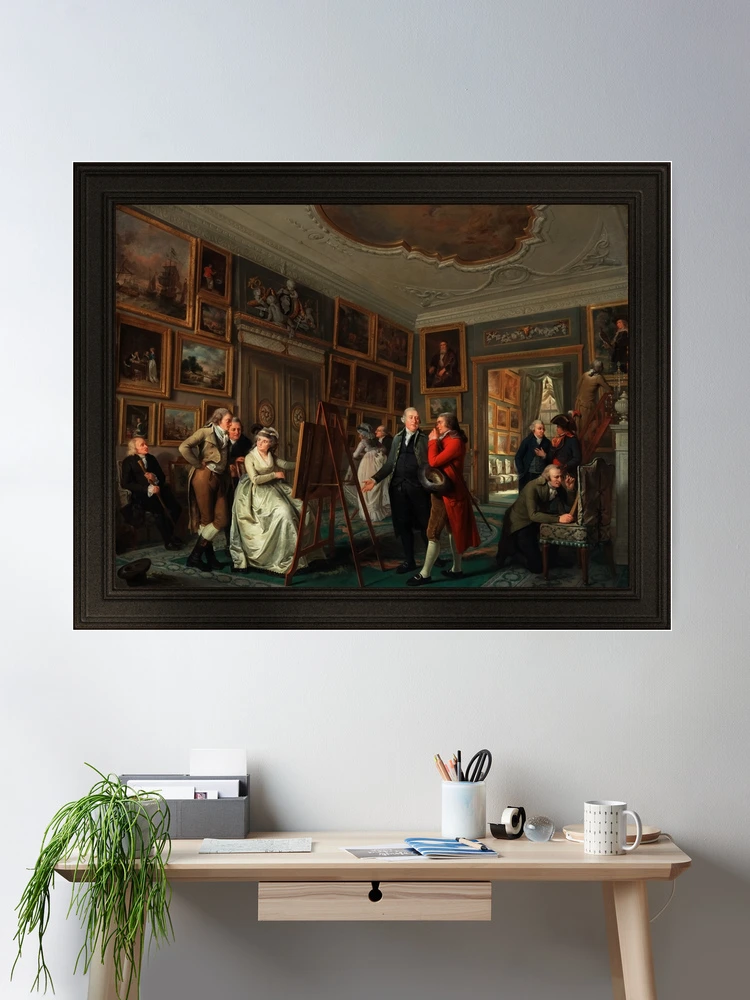
Dutch Painter Adriaan de Lelie’s (1755 – 1820), The Art Gallery of Jan Gildemeester Jansz des de 1794-95 offers a meticulously composed portrayal of a gathering inside an elegant Dutch art gallery. The painting captures a pivotal moment in time, an intellectual and artistic assembly where individuals of varying backgrounds converge to admire art.
De Lelie, an esteemed Dutch portrait and genre painter, is celebrated for his capacity to evoke both grandeur and intimate detail. This masterpiece stands as a perfect example of the neoclassical style, embracing an academic approach to composition while highlighting a sense of personal engagement with the art and its viewers.
El gallery is set in a refined interior, reflecting the opulence of the late 18th century. The walls are lined with a rich collection of classical and contemporary works, offering the viewer a glimpse into the collecting culture of the time.
The scene is framed within a grand space, where high ceilings, elaborate moldings, and gilded edges impart an atmosphere of wealth and refinement. The light streaming from the windows and illuminating the painting’s subjects gives the scene a balanced warmth and richness, creating a gentle contrast to the deeper shadows cast by the elaborate architecture.
Taula de continguts
Tema principal: The Gathering of Admirers
At the heart of the scene are the figures gathered around Jan Gildemeester Jansz, whose prominent presence as a central figure in the gallery suggests his role as an art collector, patron, and possibly an art dealer. The figures surrounding him display an assortment of expressions, some pensive, others animated as they discuss the works on display. These individuals appear to be of varying social ranks, but they are united by their shared appreciation of art. The men are dressed in the typical late 18th-century fashion, with powdered wigs, tailored coats, and vests in rich, dark colors, symbols of the societal elite. The women, en canvi, wear exquisite gowns with lace and flowing fabrics, their poses elegant and dignified.
De Lelie conveys a sense of intellectual exchange among the figures. One man is depicted engaged in a lively conversation with another, their body language suggesting deep contemplation of a work of art. At the center, an artist is seen capturing the likeness of a young woman on a canvas, drawing attention to the act of creation and artistic skill. This highlights the process of art as both a visual and intellectual endeavor, showcasing not only the artwork being viewed but the creation of art itself.
Objectes, Terreny, i Materials
The gallery’s interior is rich with details, reflecting both the physical and symbolic significance of the space. The floor is covered in a luxurious, intricate carpet, which contrasts with the marble steps leading up to a higher level of the gallery. Behind the seated figures, the walls are densely filled with paintings, including classical landscapes, retrats, and maritime scenes, each contributing to the atmosphere of cultured refinement. These works are framed in gold, enhancing the opulence of the environment and serving as a metaphor for the status and wealth associated with art collecting.
Un gran mirall a l'extrem cantonada de l'habitació reflecteix subtilment les figures, afegir una capa de profunditat a l'espai i destacar la interconnexió dels espectadors amb l'art que observen. Aquest mirall també serveix com a senyal visual, suggerint que els límits entre l'espectador i l'obra d'art són fluids, convidant el públic a veure's en el context de l'escena.
En primer pla, un cavallet d'artista destaca, amb un home treballant en el retrat d'una dona. Això no només fa referència al procés de creació de l'art, sinó que també convida a la reflexió sobre el tema de la visió artística i com el creador interpreta el món que l'envolta.. Materials a l'escena, des dels rics tapissos que adornen les parets fins a la roba fina que porten les figures, reforçar el tema de l'art com a objecte de prestigi i marcador de sofisticació cultural.
Estil, Tema, i l'estat d'ànim
La pintura és inconfusiblement d'estil neoclàssic. L'enfocament neoclàssic posa l'accent en la claredat, ordre, i raó, qualitats que van ser profundament admirades durant el segle de les llums. Les línies netes de les figures, la composició equilibrada, i el tractament formal de la llum i l'ombra suggereixen l'adhesió als principis de l'antiguitat clàssica. Les figures estan pintades amb precisió, les seves expressions transmeten un compromís intel·lectual més que una agitació emocional, indicatiu del racionalisme que dominava el període.
El tema de The Art Gallery of Jan Gildemeester Jansz està arrelada a la celebració de l'art i la cultura intel·lectual de finals del segle XVIII. L'estat d'ànim és de sofisticació i contemplació. The figures are not portrayed as passive observers of art but as active participants in a dialogue with the work, representing the confluence of intellectual discourse and artistic appreciation. De Lelie’s careful rendering of the figures and setting suggests a sense of harmony, both in terms of the aesthetic beauty of the paintings and the harmonious interaction of the individuals within the gallery space.
The scene evokes a feeling of shared enthusiasm for art, which transcends time and space, emphasizing the idea of the gallery as a place where art and intellect converge. It invites viewers to ponder not only the art being displayed but also the broader significance of art within society, its role in shaping culture, reflecting personal identity, and fostering intellectual growth. The gallery is a space of reflection, tant literal com metafòric, where the viewer is encouraged to look inward as much as outward.
Conclusió
The Art Gallery of Jan Gildemeester Jansz is a masterful depiction of an intellectual gathering that blends the worlds of art, cultura, and social interaction. Through his use of rich materials, precise figures, and a compelling composition, Adriaan de Lelie creates a timeless portrait of the 18th-century elite engaged in the celebration of the visual arts. The painting is not just a reflection of the physical space but an exploration of the deeper intellectual and cultural currents that define the era. It speaks to the power of art to unite, inspire, and provoke thought, making it a pivotal piece within the context of Dutch neoclassical painting.
Obra d'art Història de fons
Aquesta pintura de gènere mostra la galeria del col·leccionista d'art i comerciant Jan Gildemeester Jansz (1744 – 1799), que va convertir dues grans habitacions de casa seva en una galeria d'imatges; amb Gildemeester dret al mig de la sala davantera amb un abric gris i pantalons i armilla blaus, conversant amb un dels seus convidats que porta un abric vermell.
La sala està decorada amb pintures de Jacob de Wit, Rembrandt, Rubens i altres mestres i el convidat assistent inclouen Pieter Fouquet, C.R.T. krayenhoff, els pintors Adriaan de Lelie (agenollat a la dreta en primer pla), Jurriaan Andriessen, mrs. Marianne Dull-Dohrman i Bernardus de Bosch Jeronimosz.
Es tracta d’una reproducció de vells mestres d’art digital retocada d’una imatge de domini públic.