

Bitva u Terheide
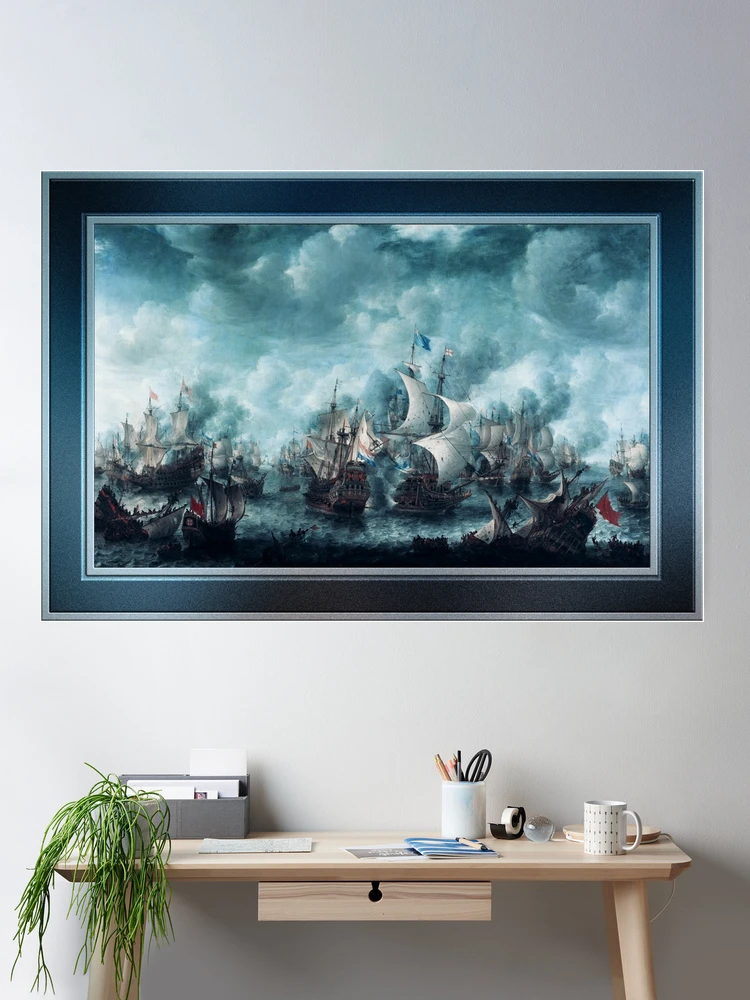
Jana Abrahamsze Beerstraatena (1622 – 1666) malování “Bitva u Terheide”, zachycuje intenzivní a dramatickou scénu z jednoho z námořních konfliktů poloviny 17. století. Malované mezi 1653 a 1666, v období nizozemské námořní moci, Beerstraatenovo dílo zobrazuje silné námořní střetnutí mezi nizozemskou flotilou a jejími protivníky. Toto umělecké dílo nabízí přesvědčivé okno do vojenských konfliktů té doby, zejména se zaměřením na námořní válku mezi Nizozemskou republikou a jejími nepřáteli. Známý pro svou dovednost zobrazovat dramatické námořní bitvy, Skladba Beerstraaten slouží nejen jako historický dokument, ale také jako dynamické zkoumání chaosu a intenzity války na moři..
Obsah
Styl a technika
Beerstraatenův obraz je ztvárněn v barokním stylu, vyznačující se svými dramatickými kontrasty, intenzivní pohyb, a velmi emotivní atmosféru. Barokní umění často zdůrazňuje akci, napětí, a emoce, a tento kus zapouzdřuje všechny tyto prvky. Bouřlivá obloha a rozbouřené moře jsou příkladem barokního zájmu o drama, rozsáhlé vizuály.
Kompozice je přeplněná četnými loděmi bojujícími v popředí, zatímco pozadí je zahaleno tmavými mraky, naznačuje jak fyzický, tak symbolický chaos války. Živé barvy vlajek a plachet kontrastují s temnou oblohou a rozbouřeným mořem, dává malbě pocit naléhavosti a intenzity. Tento kontrast nejen zdůrazňuje hlavní témata – lodě a jejich námořní střetnutí – ale také přispívá k celkovému pocitu napětí a nebezpečí..
Složité detaily lodí, jejich stožáry, a plachty jsou provedeny s přesností, předvádí technické mistrovství Beerstraaten. Umělec použil olejovou barvu, jak bylo v době baroka běžné, což umožnilo bohaté barvy a hladké prolnutí, dává hloubku postavám lodí, námořníci, a moře samotné.
Jeho kresba štětcem vyjadřuje drsnost moře, se zpěněnými vlnami a rozbouřenou vodou stříkající kolem nádob, jako by samotné živly byly v násilné opozici vůči lidskému úsilí v boji. Pohyb ve vlnách a plachtách lodí je zobrazen s plynulostí, která dává pocit neustálého pohybu, dále zvyšuje dramatický efekt díla.
Téma a nálada
“Bitva u Terheide” není jen historické zobrazení; nese hluboký příběh. Bouřlivá obloha, chaotický střet lodí, a hemžení mužů na palubě vyjadřuje násilí, zmatek, a nejistota v boji. Zobrazení námořní války zdůrazňuje jak brutalitu, tak strategii, která je do takových střetnutí zapojena, s námořníky zdánlivě uzavřenými v zoufalém boji o přežití uprostřed zrádného moře.
Napětí mezi nepřátelskými silami, odrážející se v chaotickém víření lodí a kouři z děl, vyvolává pocit beznaděje a odhodlání. Bouřlivá obloha, se svými tmavými mraky a záblesky světla, zesiluje emocionální dopad, jako by se sama příroda účastnila boje mezi flotilami.
Nálada obrazu je napjatá a ponurá, podbarvený pocitem blížícího se nebezpečí. Naznačuje, jakou daň si takové námořní konflikty vybraly na zúčastněných – jak na námořnících na palubách lodí, tak na okolním světě.. Navzdory ohromnému rozsahu bitvy, na scéně nejsou žádní jasní vítězové, což naznačuje destruktivní a cyklickou povahu války. Pivní ulice, nicméně, jemně evokuje pocit národní hrdosti prostřednictvím vyobrazení holandských vlajek vlajících nad některými loděmi, souhlas s námořní nadvládou, kterou se Nizozemská republika snažila udržet během 17. století.
Hlavní předmět a objekty
Ústředním bodem obrazu je, přirozeně, námořní bitva. Kompozici dominuje několik velkých lodí zapojených do boje. Tyto nádoby, tyčící se nad mořem a obklopený kouřem a šplouchající vodou, jsou vykresleny v ostrých detailech, předvádějí své složité vybavení a impozantní plachty.
Lodě, s jejich vysokými stěžněmi a vlajícími plachtami, zdá se, že je zastihla prudká bouře, což umocňuje chaos bitvy. Způsob, jakým jsou lodě namalovány, naznačuje boj o kontrolu, s námořníky viděnými jako malé postavy na palubě, bojují se svým okolím, vítr, a navzájem.
dodatečně, zobrazení moře hraje v malbě nedílnou roli. Zdá se, že vlny sílí, jak narážejí na trupy lodí, dále symbolizující chaotické síly ve hře v bitvě. Barvy vody se pohybují od tmavé, téměř černé odstíny poblíž lodí do světlejších tónů, jak se vlny bouří, vytváří pocit pohybu a neklidu.
Dalším důležitým prvkem v kompozici Beerstraaten je obloha. Je plná vířících mraků a skvrn světla, možná s narážkou na nepředvídatelnou povahu bitvy a přírodní síly, se kterými se námořníci museli potýkat. Mraky, těžké s hrozícím deštěm, přispívají k ponuré a neblahé atmosféře obrazu.
Terén a materiály
Umělec zachycuje bouřlivou povahu moře, což je zásadní pro pochopení terénu této bitvy. Voda není klidná, mírumilovná rozloha, ale násilný, vířící masa, která jako by odrážela agresi a vřavu bitvy, která se nad ní odehrává. Vlny jsou zobrazeny způsobem, díky kterému vypadají téměř jako stvoření samotná, ožívá zuřivostí a záměrem. moře, proto, se stává nejen kulisou, ale aktivním účastníkem boje.
Beerstraaten také dovedně představuje kouř a střelbu vycházející z lodí, přidávání na pocitu akce a nebezpečí ve scéně. Tento kouř rozmazává části kompozice, aby divák pocítil dezorientaci a chaos bitvy, zatímco záblesky střelby a výstřely z děl poskytují vizuální zdůraznění okamžiku konfliktu.
Závěr
Jana Abrahamsze Beerstraatena “Bitva Terheide C1653 – 1666” je pozoruhodným zobrazením námořní války v 17. století. Svým využitím barokního stylu, umělec zdůrazňuje chaos, intenzita, a emoce z bitvy na moři. Dramatické ztvárnění rozbouřeného moře, násilné nebe, a složité lodě činí z tohoto obrazu nejen historický dokument, ale také strhující vyprávění o konfliktu, Příroda, a lidské odhodlání. The work exemplifies Beerstraaten’s technical prowess and his ability to capture the essence of a turbulent period in Dutch history.
Toto je retušovaná reprodukce starého umění digitálního umění obrazu veřejného díla.
Tato digitální umělecká tvorba, stejně jako všechna umělecká díla, která lze nalézt na webu Xzendor7, je k dispozici ke koupi online v různých materiálových formátech včetně tisků na plátno, akrylové tisky, kovové potisky, otisky dřeva, zarámované tisky, plakáty, a jako rolované obrazy na plátně v různých velikostech od 12 palce až 72 palce v závislosti na velikosti skutečného uměleckého díla a obchodu s tiskem na vyžádání, ve kterém se rozhodnete umění koupit.
Umělecká díla jsou k dispozici také na široké škále pánského a dámského oblečení, hrnky, totes, šátky, sešity a deníky a mnoho produktů pro domácí dekoraci.
O umělci
Níže s laskavým svolením Wikipedia.org
There is some confusion about the identity of four landscape painters named Beerstraaten; Johannes, this Jan Abrahamsz, Abraham, and Anthonie. Jan Abrahamsz, malíř, married in Amsterdam on 30 srpen 1642.
From this marriage eleven children were born, and when he married a second time in 1665, a daughter was born. Currently, The RKD records Johannes as the same person, and Abraham Beerstraaten is considered to be his oldest son.
Anthonie Beerstraaten was related to this painter. The RKD has registered two paintings signed Anthonie van Beerstraten: one is a view of a southern seaport from 1664 (currently location Enkhuizen) a druhý pohled na kostel v Aarlanderveen v bývalé radnici Alphen aan den Rijn. Na základě těchto dvou obrazů C.
Hofstede de Groot raný holandský historik umění, utajované obrazy signované A. Beerstraaten jako od Anthonie, kdyby byly horší třídy než ty, které se již připisovaly Abrahamovi.