

洗礼者ヨハネの首を受けるヘロディアの娘サロメ
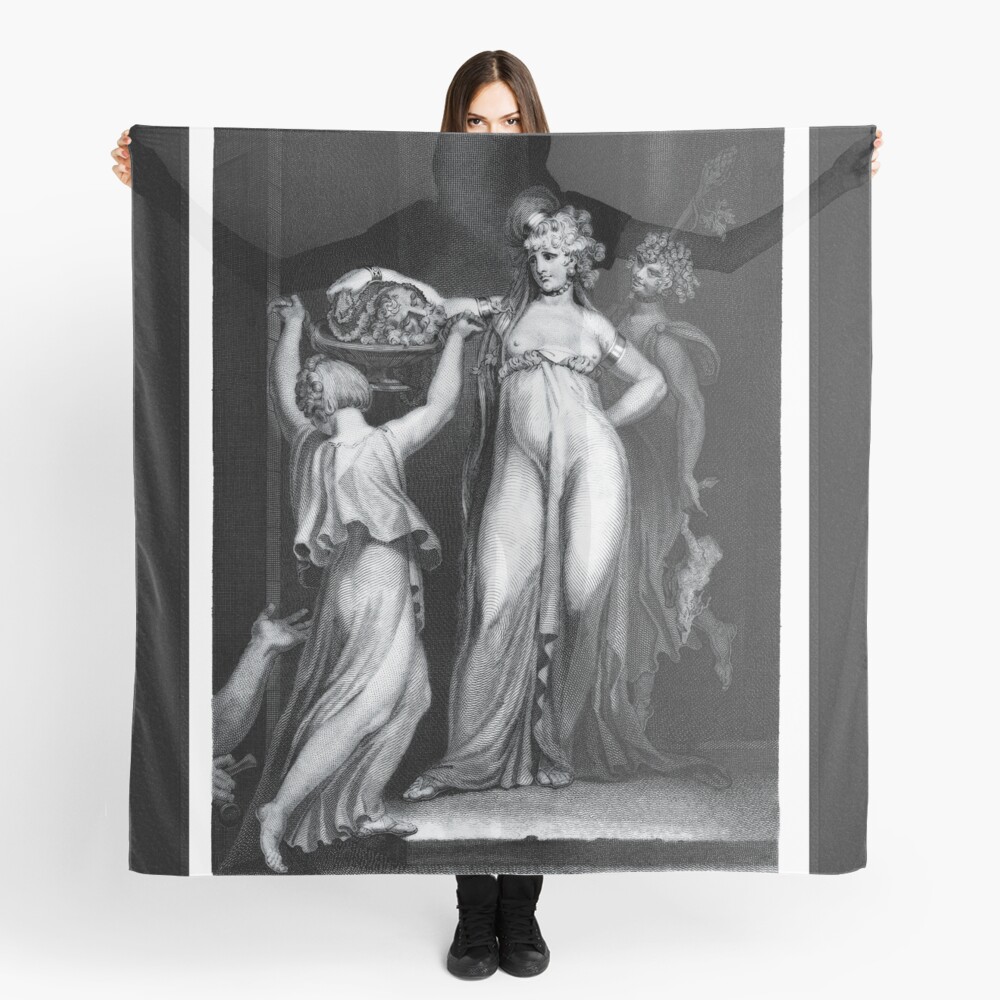
というタイトルの忘れられない彫刻の中に “ヘロディアの娘; 洗礼者ヨハネの首を受け取るサロメ,” イギリスの彫刻家トーマス・ホロウェイによって作られました。 1798, 私たちは聖書から引用された極めて重要な瞬間を目撃します, 特にマシュー 14:10-11. この厳しく劇的なシーンは、洗礼者ヨハネの斬首の悲劇的な結末を捉えています。.
ホロウェイの細心の注意を払った職人技は、その瞬間の感情的な激しさと重みを呼び起こします。, グロテスクと威厳の両方を融合させた. 彫刻にはサロメが描かれています, ヘロディアの娘, 預言者ヨハネの切断された首を抱えている, 母親の復讐心に駆られた行為.
目次
主な主題とテーマ
ホロウェイの彫刻の中心にはサロメの女性像が立っています。, 洗礼者ヨハネの恐ろしい首を受け取ったときの彼女の表情は、満足感と冷たい無関心が奇妙な入り混じったものであった。. サロメは長い髪をなびかせて描かれています, 床に流れるエレガントでありながら控えめなガウンを着ている. 彼女の姿勢はしっかりしている, ほとんど豪奢な, 出来事の悲惨な性質にもかかわらず. ジョンの切断された首が入った皿を繊細かつしっかりと握る彼女の姿は、現場の不穏な静けさを反映している。.
洗礼者ヨハネの頭が不気味なほど画像の中心にある, 銀の大皿に置かれた. 彼の特徴はまだはっきりとわかります, たとえ彼の目は死で閉じられていたとしても, 現場の恐怖をさらに増す. 彼の斬首された頭部は、その周囲にある人物たちのエレガントな外観とは不安を与えるコントラストを成しています。. サロメの後ろには、首の移送の儀式を手伝っているように見える小さな男性の像が立っています。, 一方、別の図, 流れるようなローブを着た, シーンを完成させます. これらの二次的な登場人物は、物語の儀式的な側面とヘロディアの意志への服従を強調しています。.
アートワークのテーマは復讐と裏切りの概念を中心に展開しています, 力の不均衡もそうだが. サロメの行為は母親への従順の一つである, しかし、彼女の態度には計算された超然とした態度があり、それは彼女の行動の複雑な感情的および道徳的影響を物語っています。. ホロウェイは、その瞬間を物理的な暴力を超越した激しさで描写します。, 人間の本質の暗い領域と、チェックされていない権力の影響を視聴者に垣間見ることができます。.
素材と技法
トーマス・ホロウェイの彫刻は凹版プロセスの傑作です, 表面にイメージを刻み込む技術, 次にインクを付けて紙に押し付けて印影を作成します。. この伝統的な手法により、驚くべきディテールと階調表現が可能になります。, ホロウェイの光と影の巧みな使用により、構図に命が吹き込まれています。. 彫刻の質感, サロメのガウンの複雑なひだから生首の繊細な描写まで, 新古典主義時代の特徴である並外れた詳細レベルを示しています. 感情の深さは、明暗の専門家によるコントラストによって強調されます。, 瞬間のドラマを強調する.
画像は白黒でレンダリングされます, シーンの重要性を強調する、厳しくも強力な選択. サロメの肌とガウンの白と背景の深い影とのコントラストが、まるで演劇のような雰囲気を映像に与えています。. この明暗法(明暗のコントラスト)の使用は、中心人物に注意を引くのに特に効果的です。, 彼らの表情やポーズが構図を支配できるようにする.
設定とオブジェクト
The setting of the artwork is minimalistic but purposeful. The figures are placed in a semi-darkened space, hinting at a chamber or a palace, though no specific architectural details are given. This lack of specificity enhances the sense of timelessness, allowing the narrative to be universal rather than tied to a specific location or period. The dim lighting surrounding the figures suggests a scene shrouded in secrecy or ritual, contributing to the overall somber and foreboding mood of the piece.
The dish holding John the Baptist’s severed head is one of the most critical objects in the scene. Its presence is almost ceremonial, a stark juxtaposition of death and reverence. The head, severed from the body, conveys the brutality of the execution, しかし、皿の扱いによって、それはほとんど神聖な物体にまで高められます, まるで頭自体が不気味な供物や賛辞の一部であるかのように. このような出来事に当然伴うであろう血は、意図的に画像から省略されています。, シーンをさらに超現実的で不安にさせる. あたかも生首はその陰惨な現実を正確に表現しているというよりも、単にその行為の象徴であるかのようだ.
気分と感情への影響
彫刻全体の雰囲気は暗いです, サスペンス, そして道徳的な曖昧さ. サロメの冷酷な分遣隊, 洗礼者ヨハネの死の暴力的な象徴性と並置される, 緊張した雰囲気を作り出す. この瞬間にサロメが示した共感の欠如, 彼女の表情には後悔や苦痛の兆候は見られないが、, 権力の追求にはしばしば伴う非人道性に注意を喚起する. ホロウェイは、場面の不気味な静けさを見事に捉えています。, 見る者に不安な予感を残す.
刻まれた数字には静かな静けさが漂います, しかし、それは暴力と陰謀の底流に満ちた静けさです. 行為の恐怖から切り離された感覚は、視聴者に不快感を引き起こす可能性があります, 復讐の代償と道徳的判断の複雑な性質を考慮するよう彼らに求めます。. 母親の復讐の道具としてのサロメの役割は、彼女を無実と罪悪感の交差点に置くことになる, そしてホロウェイの作品は、盲目的な服従がもたらす結果についての熟考を促します。.
結論
トーマス・ホロウェイの “ヘロディアの娘; 洗礼者ヨハネの首を受け取るサロメ” is a striking representation of a dark and tragic biblical moment. Through his expert use of engraving techniques and the careful rendering of light and shadow, Holloway brings an age-old story to life with vivid detail and emotional intensity. The scene is both beautiful and horrifying, offering a compelling reflection on the themes of power, vengeance, そして道徳的な複雑さ.
ヘロディアの娘; Salome Receiving the Head of ジョン・ザ・バプティスト, Matthew 14:10-11 c1798 by British Engraver Thomas Holloway (1748 – 1827), from a painting by Swiss Painter Henry Fuseli (741 – 1825); 超自然を掘り下げたアートワークの作成を専門とすることで知られています; who was also an accomplished Draughtsman, ロイヤルアカデミーの絵画とキーパーの教授の位置の作家と保持者.
This engraving by Thomas Holloway is based on a painting done Henry Fuseli which shows the daughter of King Herodias, Salome accepting the severed head of John The Baptist in the palace court.
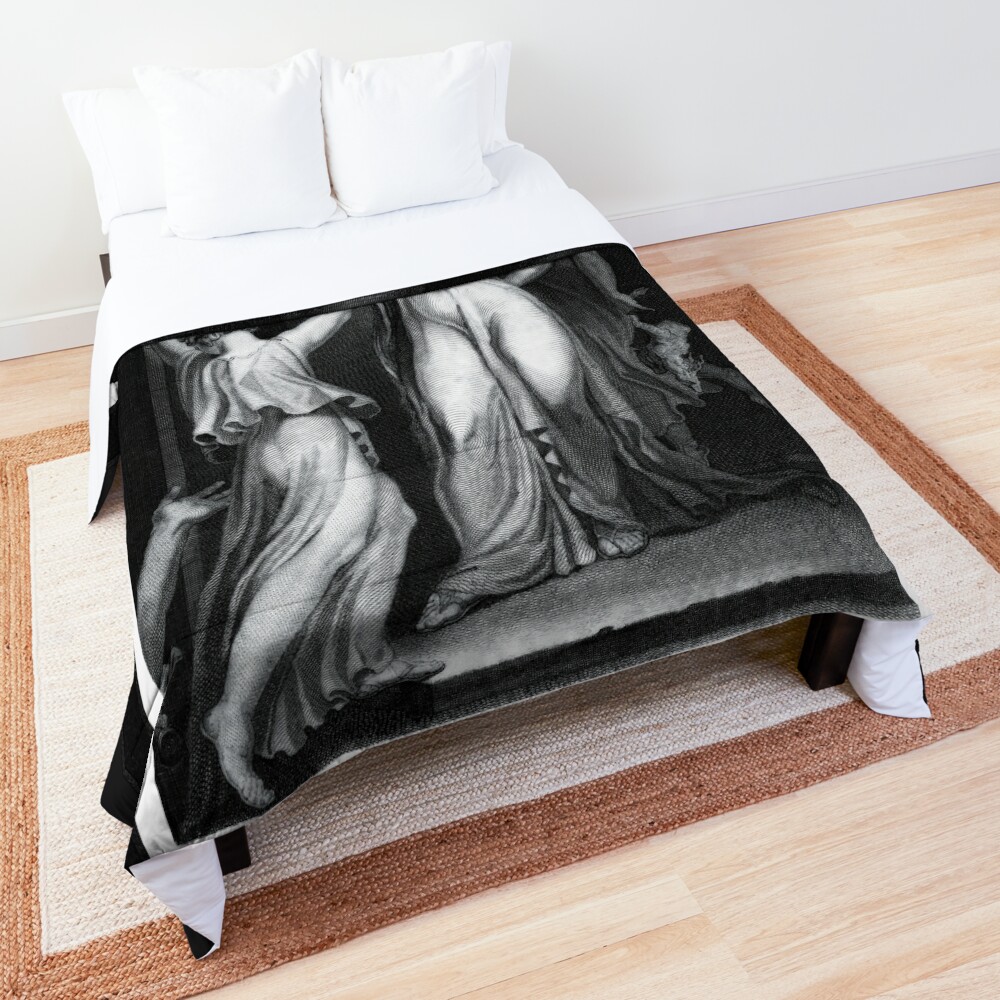
「洗礼者ヨハネの首を受け取るヘロディア・サロメの娘」は、パブリックドメイン画像を修正したデジタルアートの古い巨匠の複製であり、画像としてオンラインで購入できます。 ロールドキャンバスプリント.

アーティストバイオから Wikipedia.org
ホロウェイは幼い頃、ステントという名前の篆刻師に弟子入りした. 彼は、1999 年からロイヤル アカデミーで彫刻を学び続けました。 1773, その間彼はここに住んでいた 11 ビーチズ ロウ, カレル広場の近く, ホクストン, の芸術家協会でパステル画の肖像画を展示しました。 1777.
彼は後にハンプトンのオーム・ハウスに住んだ, エッジフィールド, ノーフォーク, そしてコルティホール, ノーフォーク. 彼は宮廷彫刻家になった 1792.
ブロードストリート生まれ, ロンドン, he was eldest son of a merchant who was an early follower of John Wesley; his mother’s portrait was painted by John Russell.
He was articled to a seal-engraver named Stent, by whom he was mainly employed in carving steel ornaments. He subsequently attended the Royal Academy schools, とで 1773 first appeared at the Royal Academy as an exhibitor of seals and engraved gems. Later and up to 1792 he was a contributor of miniatures and portraits in oils and crayons.
Holloway’s main direction was line engraving. His earliest published plates were small portraits for magazines, chiefly of nonconformist ministers. He later undertook an edition of Johann Kaspar Lavater’s Essays on Physiognomy, translated by Henry Hunter, 5 vols., 1789–98.
The work was illustrated with about 800 plates executed by Holloway himself, Francesco Bartolozzi, William Blake, and other engravers, under the direction of Henry Fuseli.
His portraits included those of Charles Howard, 11th Duke of Norfolk, after Robert Edge Pine, and of Timothy Priestley, 1792, and Richard Price, after Benjamin West, 1793.
He was also employed on the illustrations to John Boydell’s Shakespeare, Robert Bowyer’s History of England, and Bell’s British Theatre.
Holloway is noted for his arduous engravings of cartoons by Raphael at Windsor Castle in 1800, on which he worked for 30 年. This ambitious project was a financial failure. The cartoons had already been engraved by Nicolas Dorigny.
Through the influence of Benjamin West, Holloway obtained permission to engrave on a large scale the seven Raphael cartoons at Windsor, and to this task the remainder of his life was devoted.
He engaged as assistants his former pupils, R. Slann and T. NS. Webb, each of whom married a niece of Holloway, together with Joseph Thomson, an artist who died young. They worked together at Windsor until 1814, when the cartoons were moved to Hampton Court.
On the completion of the first plate, Paul preaching at Athens, に 1806, the king appointed Holloway his historical engraver; the second, Christ’s Charge to Peter, appeared in 1810; the third, The Death of Ananias, に 1816; and the fourth, Elymas, に 1820.
In that year all the preliminary drawings were finished, and Holloway retired with his associates to Edgefield in Norfolk, and later to Coltishall, near Norwich, to pursue their work on the plates, of which the fifth, The Miraculous Draught of Fishes, was issued in 1824. This was the last that Holloway lived to complete.
The sixth plate, Paul and Barnabas at Lystra, でほぼ終了しました 1827, そして7番目, 美しい門にいるピーターとジョン, 始まりました.
前者は翌年に登場, 1828, しかし、後者の完成は次まで延期されました。 1839, 女王に捧げる内容で出版されたとき, そして残りと同じようにホロウェイの名前が付けられました, スラン, とウェッブが彫刻家および出版者として.