

The Golden Rose
“The Golden Rose” is a masterpiece by Peruvian artist Alberto Vargas (1896 – 1982), oanmakke yn 1941. It is a visually stunning example of Vargas’s signature style of pin-up art, which combines elegance, sensualiteit, and a sense of timeless beauty. The piece showcases Vargas’s remarkable skill in capturing the human form with soft, delicate lines, smooth textures, and a subtle play of light and shadow. As one of the most celebrated pin-up artists of the 20th century, Vargas’s work became iconic for its idealized depictions of women, merging classic beauty with modern sensibilities.
Ynhâldsopjefte
Haad ûnderwerp
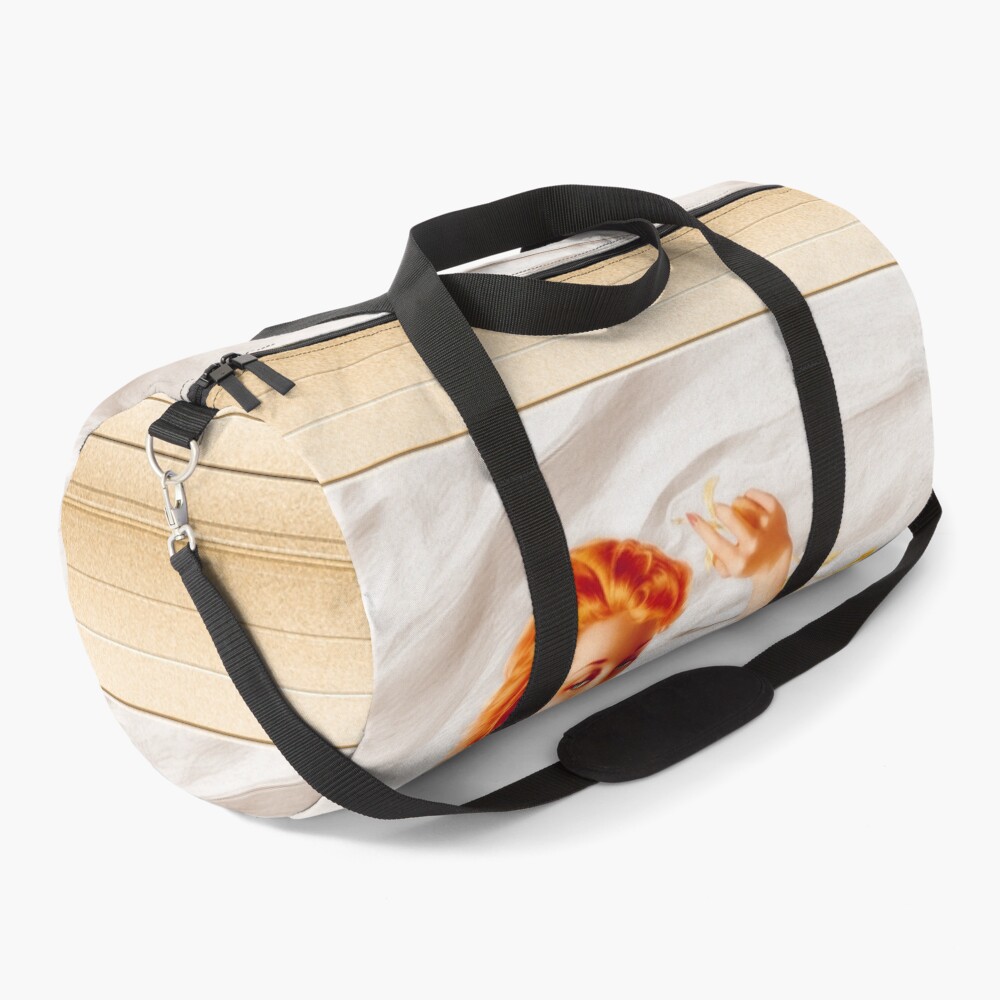
Yn it hert fan “The Golden Rose” is a graceful female figure, elegantly seated in a relaxed pose. The subject exudes a quiet confidence and sophistication, her posture slightly tilted to the side as she gazes over her shoulder with a serene yet suggestive expression. The woman’s hair, stylearre yn sêfte weagen, is a striking shade of coppery red that adds warmth to the composition.
Her skin is rendered in a smooth, hast porslein-like kwaliteit, contributing to the ethereal beauty of the figure. She holds a golden rose delicately in her left hand, its petals carefully shaded to complement the subject’s radiant complexion. This rose, both a symbol of beauty and love, is an important element in the title of the artwork and plays a role in enhancing the theme of femininity and allure.
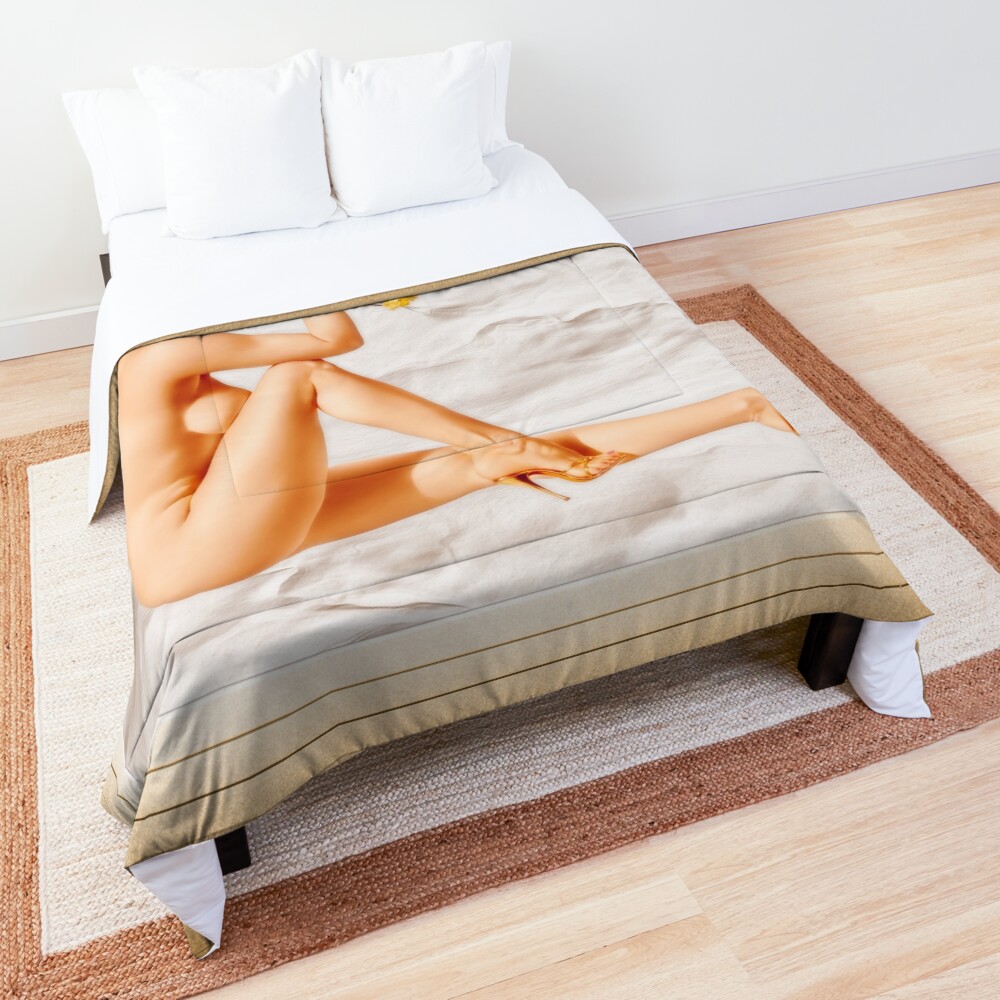
The model is depicted in a natural, yet provocative, pose. While she is seated with one knee bent slightly upwards, her left leg rests gracefully on the ground while her right leg is extended, showcasing the fine detailing of her high-heeled golden sandals. These shoes are particularly important, as they draw the viewer’s attention to the fine craftsmanship and the elegance of the subject’s overall appearance. The sandals, like the rose, serve as symbols of luxury and refinement.
Composition and Setting
The background of the artwork is minimalist, composed of soft, billowing white fabric that drapes and folds with fluidity, enveloping the model in a dreamlike, serene environment. The lightness of the fabric contrasts beautifully with the figure’s warm skin tones, creating a harmonious balance within the piece. The gentle folds of the fabric add a sense of movement and softness to the otherwise static subject, enhancing the impression of sensuality and tranquility.
The palette used by Vargas is warm and inviting, with shades of ivory, peach, and soft gold predominating. The golden hue of the rose and the model’s sandals echo each other, tying the piece together with a cohesive color scheme. This consistent use of warm tones evokes feelings of luxury and comfort, while the soft shadows add depth and dimension to the figure. The light seems to gently caress the subject’s form, highlighting her curves and enhancing the smoothness of her skin.
Materiaal en technyk
Vargas’s work is characterized by his masterful rendering of textures, especially the skin. His attention to detail is particularly evident in the smoothness and softness of the model’s flesh, which contrasts with the more textured appearance of the background fabric. The light that reflects off the skin is soft and glowing, as though illuminated by an unseen, ethereal source. This gives the work a sense of both realism and fantasy, as the subject appears to exist in a world that is both tangible and dreamlike.
The artist’s signature style also includes the use of bold contrasts between light and shadow, which enhances the three-dimensionality of the figure. The shadows fall gently across the model’s body, creating the illusion of depth, while the light plays on the curves of her form, beklamme har natuerlike skientme. Dit ynteraksje fan ljocht en skaad, along with the artist’s impeccable rendering of textures, contributes to the work’s overall sense of sensuality and sophistication.
Styl en Tema
“The Golden Rose” exemplifies the style of pin-up art that became hugely popular in the mid-20th century. Pin-up art is characterized by its depiction of idealized, attractive women in playful or provocative poses, often rendered in a highly stylized, glamourized manner. While pin-up art is often playful, it also exudes a sense of elegance and grace, as seen in Vargas’s work. Yn dit bysûndere stik, the artist captures both the allure and the elegance of the female figure, elevating her beauty to a level of timeless sophistication. The subject is not overtly sexualized, but rather is portrayed with a sense of refinement that makes her seem unattainable, yet deeply captivating.
The theme of the golden rose ties directly into the notion of idealized femininity, skientme, and love. The rose is often associated with romance, suverens, and the unattainable, and its presence in the artwork reinforces the concept of the woman as a symbol of these ideals. Her poised, serene demeanor contrasts with the delicate sensuality of the pose, creating an interplay between strength and vulnerability. The golden hue of the rose and the sandals suggests a certain opulence, elevating the woman to a pedestal of perfection.
Mood and Impact
De stimming fan “The Golden Rose” is one of quiet contemplation and seductive grace. The soft colors and gentle light contribute to a serene atmosphere, while the sensual posture and elegant accessories add an element of allure. The subject’s gaze, directed slightly over her shoulder, invites the viewer to imagine what lies beyond her immediate presence, adding an air of mystery to the work. There is an inherent calmness in the piece, yet it evokes feelings of desire and admiration, making it both captivating and contemplative.
The impact of the artwork is heightened by its ability to combine sensuality with sophistication. Vargas was able to create pin-up art that was not merely about physical attraction but was also about capturing the essence of feminine beauty in a way that transcends the conventional. Yn “The Golden Rose,” the artist has crafted an image of a woman who is both a work of art and a symbol of the ideal, a perfect balance of beauty, graasje, and subtle seduction.
Artwork Backstory
Since the nude portrait had a plain monotone background, I decided to use my abstract digital art piece” GALACTIC STREAM JET” as an embossing layer for the background, which creates a relief wall effect.
The result is a collection of beautiful swirls that look like layered plaster, with a great deal of detail as though tooled were used to carve its form.
Dit is in remastered digitale keunst âlde masters reproduksje fan in byld yn it iepenbier domein dat is beskikber as in opgerold canvas print online.
Artist Bio
Info hjirûnder Fan Wikipedia.org
Berne yn Arequipa, Perû, hy wie de soan fan de ferneamde Peruaanske fotograaf Max T. Wee. Alberto Vargas ferhuze nei de Feriene Steaten yn 1916 nei in stúdzje keunst yn Europa, Zurich, en Genève foar de Earste Wrâldkriich.
Wylst er yn Jeropa wie, kaam er it Frânske tydskrift La Vie Parisienne yn 'e kunde, mei in omslach fan Raphael Kirchner, dy't neffens him in grutte ynfloed wie op syn wurk.
Syn iere karriêre yn New York omfette wurk as artyst foar de Ziegfeld Follies en foar in protte Hollywood-studio's. Ziegfeld hong syn skilderij fan Olive Thomas yn it teater, en se waard tocht as ien fan 'e ierste Vargas Girls.
Wee’ meast ferneamde stik film wurk wie foar de poster fan de 1933 film The Sin of Nora Moran, dy't in hast neakene Zita Johann toant yn in pose fan wanhoop. De poster wurdt faak neamd as ien fan 'e grutste filmposters dy't ea makke binne.
Hy waard rûnom bekend makke yn 'e 1940's as de makker fan byldbepalende pin-ups út 'e Twadde Wrâldoarloch foar it tydskrift Esquire bekend as “Vargas Girls.” Tusken 1940 en 1946 Vargas produsearre 180 skilderijen foar it tydskrift.
De noaskeunst fan in protte Amerikaanske en Alliearde fleantugen fan 'e Twadde Wrâldoarloch waard ynspireare en oanpast fan dizze Esquire pin-ups, lykas dy fan George Petty, en oare keunstners.