

Déi gëllen Rous
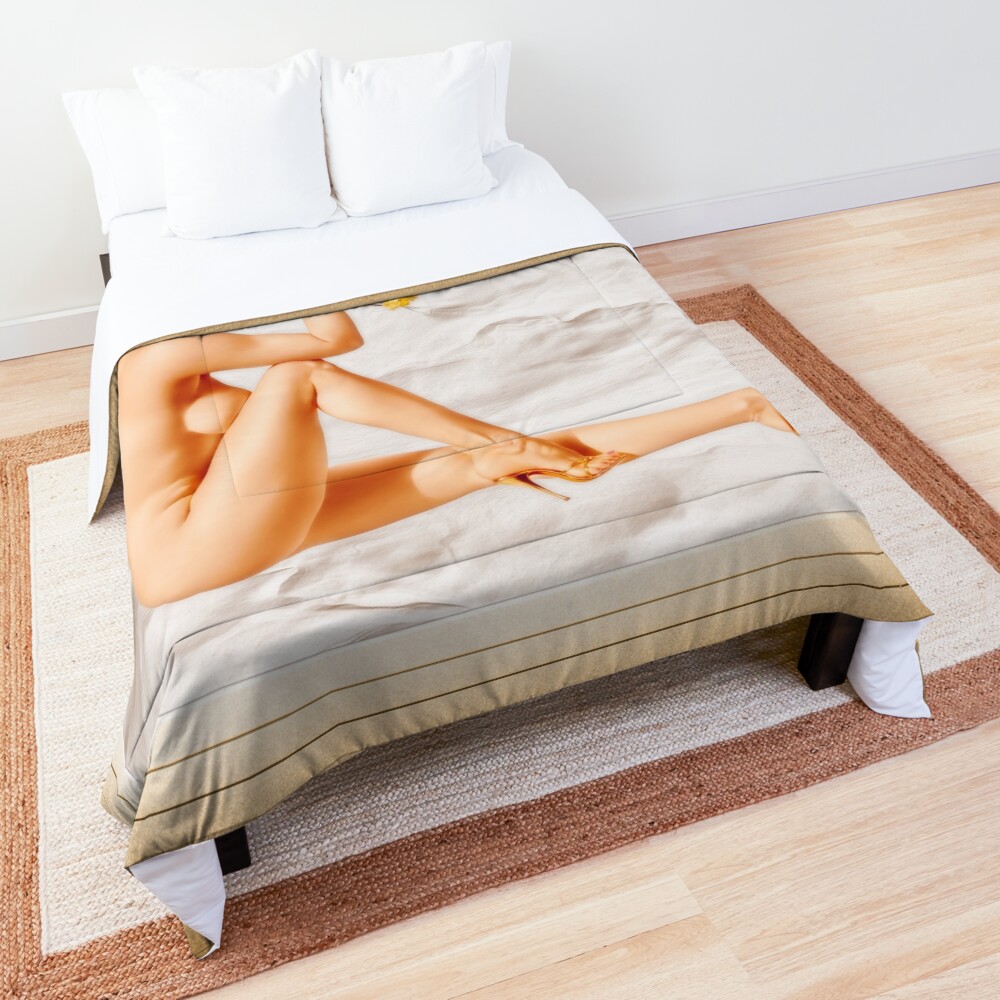
“Déi gëllen Rous” ass e Meeschterstéck vum peruanesche Kënschtler Alberto Vargas placeholder image (1896 – 1982), erstallt an 1941. Et ass e visuell beandrockend Beispill vum Vargas sengem Ënnerschrëftstil vu Pin-up Konscht, déi Eleganz kombinéiert, Sensualitéit, an e Gefill vun zäitloser Schéinheet. D'Stéck weist dem Vargas seng bemierkenswäert Fäegkeet fir d'mënschlech Form mat mëll z'erfaassen, delikat Linnen, glat Texturen, an e subtile Spill vu Liicht a Schied. Als ee vun de meeschte gefeiert Pin-up Kënschtler vum 20. Joerhonnert, Dem Vargas seng Aarbecht gouf ikonesch fir seng idealiséiert Biller vu Fraen, klassesch Schéinheet mat modernen Sensibilitéiten fusionéieren.
Inhaltsverzeechnes
Haaptthemium
Um Häerz vun “Déi gëllen Rous” ass eng graziéis weiblech Figur, elegant sëtzt an enger entspaanter Pose. D'Thema exudéiert e rouegt Vertrauen a Raffinesséierung, hir Haltung liicht op d'Säit gekippt wéi se iwwer hir Schëller kuckt mat engem rouegen awer suggestiven Ausdrock. D'Hoer vun der Fra, stylesch a mëll Wellen, ass e markant Schiet vu kupferrot, deen d'Kompositioun waarm gëtt.
Hir Haut gëtt glat gemaach, bal Porzeläin-wëll Qualitéit, bäidroen zu der ätherescher Schéinheet vun der Figur. Si hält eng gëllen Rous delikat an hirer lénkser Hand, seng Bléieblieder suergfälteg schaarf fir de stralende Teint vum Thema ze ergänzen. Dës rose, souwuel e Symbol vu Schéinheet a Léift, ass e wichtege Bestanddeel am Titel vum Konschtwierk a spillt eng Roll fir d'Thema Weiblechkeet an Allure ze verbesseren.
De Modell ass an engem natierlechen duergestallt, awer provokativ, poséieren. Wärend hatt sëtzt mat engem Knéi liicht no uewen gebogen, hirem lénksen Been läit graziéis um Buedem während hirem rietse Been verlängert ass, déi fein Detailer vun hiren héije gëllene Sandalen ze weisen. Dës Schong sinn besonnesch wichteg, wéi se d'Opmierksamkeet vum Betrachter op dat fein Handwierk an d'Eleganz vum Gesamtoptrëtt vum Thema zéien. D'Sandalen, wéi d'Ros, déngen als Symboler vu Luxus a Verfeinerung.
Kompositioun a Kader
Den Hannergrond vum Konschtwierk ass minimalistesch, besteet aus mëll, bléist wäiss Stoff dee mat Flëssegkeet draperéiert a klappt, enveloppéieren de Modell an engem dreamlike, roueg Ëmfeld. D'Liichtegkeet vum Stoff kontrastéiert schéin mat de waarme Hauttéin vun der Figur, eng harmonesch Gläichgewiicht am Stéck schafen. Déi sanft Falten vum Stoff addéieren e Gefill vu Bewegung a Weichheet fir dat soss statesch Thema, verbessert den Androck vu Sensualitéit a Rou.
D'Palette benotzt vum Vargas ass waarm an invitéierend, mat Schatten vun Elfebeen, Peach, a mëll Gold dominéiert. De gëllenen Téin vun der Rous an d'Sandalen vum Modell widderhuelen sech, d'Stéck mat engem zesummenhängende Faarfschema ze verbannen. Dës konsequent Notzung vu waarme Téin erënnert Gefiller vu Luxus a Komfort, während déi mëll Schatten d'Figur Déift an Dimensioun addéieren. D'Liicht schéngt d'Form vum Thema sanft ze strecken, hir Kéiren ervirhiewen an d'Glattheet vun hirer Haut verbesseren.
Materialien an Technik
Dem Vargas seng Aarbecht ass charakteriséiert duerch seng Meeschterleeschtung vun Texturen, besonnesch d'Haut. Seng Opmierksamkeet op Detailer ass besonnesch evident an der Glättheet an der Weichheet vum Fleesch vum Modell, which contrasts with the more textured appearance of the background fabric. The light that reflects off the skin is soft and glowing, as though illuminated by an unseen, ethereal source. This gives the work a sense of both realism and fantasy, as the subject appears to exist in a world that is both tangible and dreamlike.
The artist’s signature style also includes the use of bold contrasts between light and shadow, which enhances the three-dimensionality of the figure. The shadows fall gently across the model’s body, creating the illusion of depth, while the light plays on the curves of her form, betount hir natierlech Schéinheet. Dëst Zesummespill vu Liicht a Schied, along with the artist’s impeccable rendering of textures, contributes to the work’s overall sense of sensuality and sophistication.
Styl an Thema
“Déi gëllen Rous” illustréiert de Stil vun der Pin-up Konscht, déi an der Mëtt vum 20. Joerhonnert enorm populär gouf. Pin-up Konscht ass duerch seng Duerstellung vun idealiséiert charakteriséiert, attraktiv Fraen a spilleresch oder provokativ Posen, dacks an engem héich stiliséierter, glamouriséiert Manéier. Wärend Pin-up Konscht dacks verspillt ass, et exudes och e Gefill vun Eleganz a Gnod, wéi am Vargas senger Aarbecht gesinn. An dësem bestëmmte Stéck, d'Kënschtlerin erfaasst souwuel d'Allure an d'Eleganz vun der weiblecher Figur, hir Schéinheet op en Niveau vun zäitloser Raffinesséierung erhéijen. D'Thema ass net offensichtlech sexualiséiert, mä éischter mat engem Sënn vun Verfeinerung portraitéiert datt hir onerreechbar schéngt, awer déif faszinéierend.
D'Thema vun der gëllener Rous verbënnt direkt an d'Notioun vun idealiséierter Weiblechkeet, Schéinheet, a Léift. D'Rose ass dacks mat Romantik verbonnen, Rengheet, an déi onerreechbar, a seng Präsenz am Konschtwierk verstäerkt d'Konzept vun der Fra als Symbol vun dësen Idealen. Hir bereet, serene Verhalen kontrastéiert mat der delikater Sensualitéit vun der Pose, en Zesummespill tëscht Kraaft a Schwachstelle schafen. De gëllenen Téin vun der Rous an de Sandalen proposéiert eng gewëssen Opulenz, d'Fra op e Sockel vu Perfektioun erhéijen.
Stëmmung an Impakt
D'Stëmmung vum “Déi gëllen Rous” ass eng vu roueger Iwwerleeung a verführerescher Gnod. Déi mëll Faarwen a sanft Liicht droen zu enger roueger Atmosphär bäi, während déi sensuell Haltung an elegant Accessoiren en Element vun Allure addéieren. De Bléck vum Thema, liicht iwwer hir Schëller geriicht, invitéiert den Zuschauer sech virzestellen, wat iwwer hir direkt Präsenz läit, eng Loft vu Geheimnis un d'Aarbecht dobäizemaachen. Et gëtt eng inherent Rou am Stéck, awer et rifft Gefiller vu Wonsch a Bewonnerung, mécht et souwuel faszinéierend a kontemplativ.
Den Impakt vum Konschtwierk gëtt erhéicht duerch seng Fäegkeet Sensualitéit mat Raffinesséierung ze kombinéieren. De Vargas konnt Pin-up Konscht kreéieren déi net nëmmen iwwer kierperlech Attraktioun handelt, awer och d'Essenz vun der weiblech Schéinheet erfaasst op eng Manéier déi d'konventionell iwwerschreift.. An “Déi gëllen Rous,” d'Kënschtlerin huet e Bild vun enger Fra gemaach, déi souwuel e Konschtwierk wéi och e Symbol vum Ideal ass, e perfekte Balance vu Schéinheet, Graf, an subtile Verféierung.
Artwork Backsory
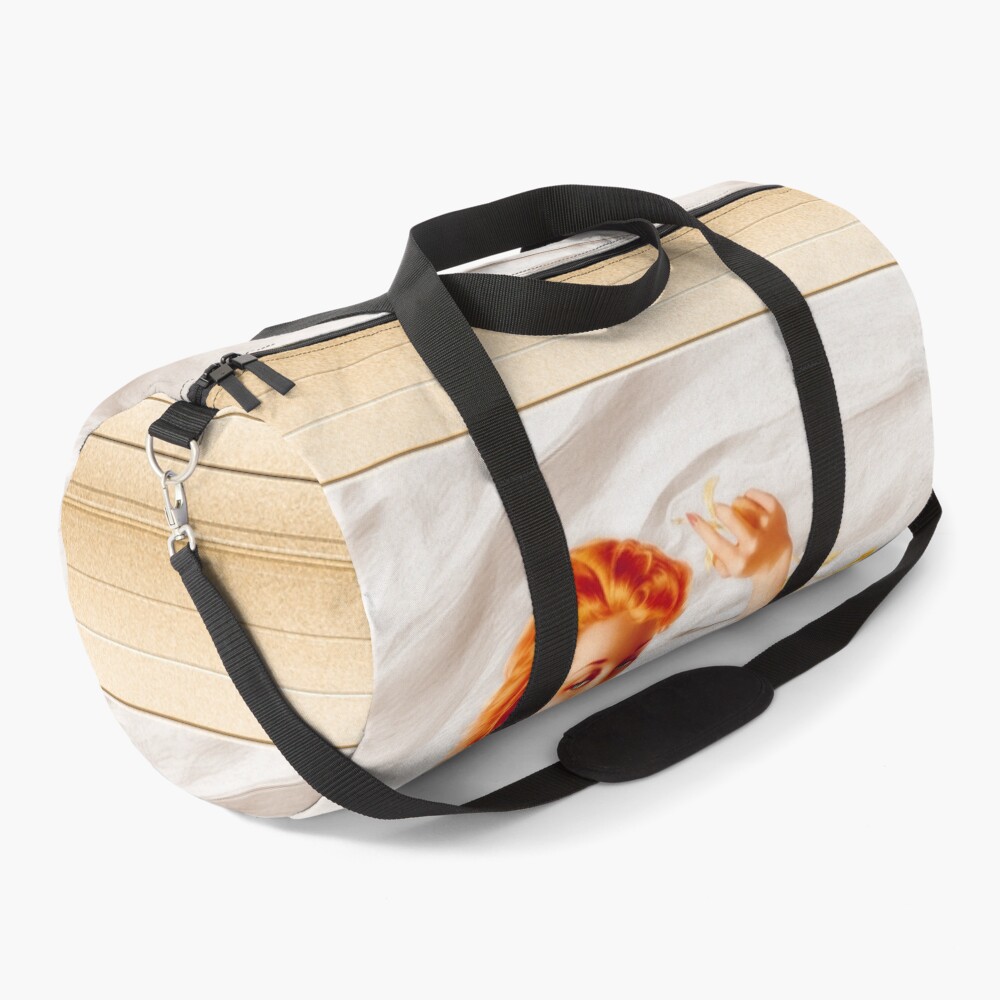
Zënter dem plakeg Portrait hat e kléngen monotonen Hannergrond, Ech hu beschloss meng abstrakt digital Konschtstéck ze benotzen” GALACTIC STREAM JET” als Prägungsschicht fir den Hannergrond, déi e Relief Mauer Effekt schaaft.
D'Resultat ass eng Sammlung vu schéine Wirbelen, déi ausgesinn wéi schichten Putz, mat vill Detail, wéi wann Tools benotzt gi fir seng Form ze schneiden.
Dëst ass eng remastered digital Konscht al Master Reproduktioun vun engem Public Domain Bild dat als verfügbar ass gerollt Leinwanddruck online.
Kënschtler Bio
Info Ënnen Vun Wikipedia.org
Gebuer zu Arequipa, Peru, hie war de Jong vum bemierkenen peruanesche Fotograf Max T. Vargas. Den Alberto Vargas ass an d'USA geplënnert 1916 nom Konscht an Europa studéiert hunn, Zürich, a Genf virum Éischte Weltkrich.
Wärend hien an Europa war koum hien op d'franséisch Magazin La Vie Parisienne, mat engem Cover vum Raphael Kirchner, déi hie gesot huet e groussen Afloss op seng Aarbecht.
Seng fréi Karriär zu New York enthält Aarbecht als Kënschtler fir den Ziegfeld Follies a fir vill Hollywood Studios. Den Ziegfeld hänkt säi Bild vum Olive Thomas am Theater, a si gouf als eng vun den eelste Vargas Girls ugesinn.
Vargas’ dat bekanntst Stéck Filmwierk war fir d'Plakat vum 1933 Film The Sin of Nora Moran, déi weist eng bal plakeg Zita Johann an enger Pose vun der Verzweiflung. D'Plakat gëtt dacks als ee vun de gréisste Filmplakater genannt, déi jeemools gemaach gi sinn.
Hie gouf wäit bemierkt an de 1940er Joren als Ersteller vun ikonesche Weltkrich-II Ära Pin-ups fir den Esquire Magazin bekannt als “Vargas Girls.” Tëscht 1940 an 1946 Vargas produzéiert 180 Biller fir de Magazin.
D'Nueskonscht vu ville amerikaneschen an alliéierten Zweete Weltkrich Fligeren gouf inspiréiert an adaptéiert vun dësen Esquire Pin-ups, wéi och déi vum George Petty, an aner Kënschtler.