

The Golden Rose
“The Golden Rose” is a masterpiece by Peruvian artist Symbol zastępczy dla Alberto Vargas (1896 – 1982), stworzony w 1941. It is a visually stunning example of Vargas’s signature style of pin-up art, which combines elegance, zmysłowość, and a sense of timeless beauty. The piece showcases Vargas’s remarkable skill in capturing the human form with soft, delicate lines, smooth textures, and a subtle play of light and shadow. As one of the most celebrated pin-up artists of the 20th century, Vargas’s work became iconic for its idealized depictions of women, merging classic beauty with modern sensibilities.

Spis treści
Główny temat
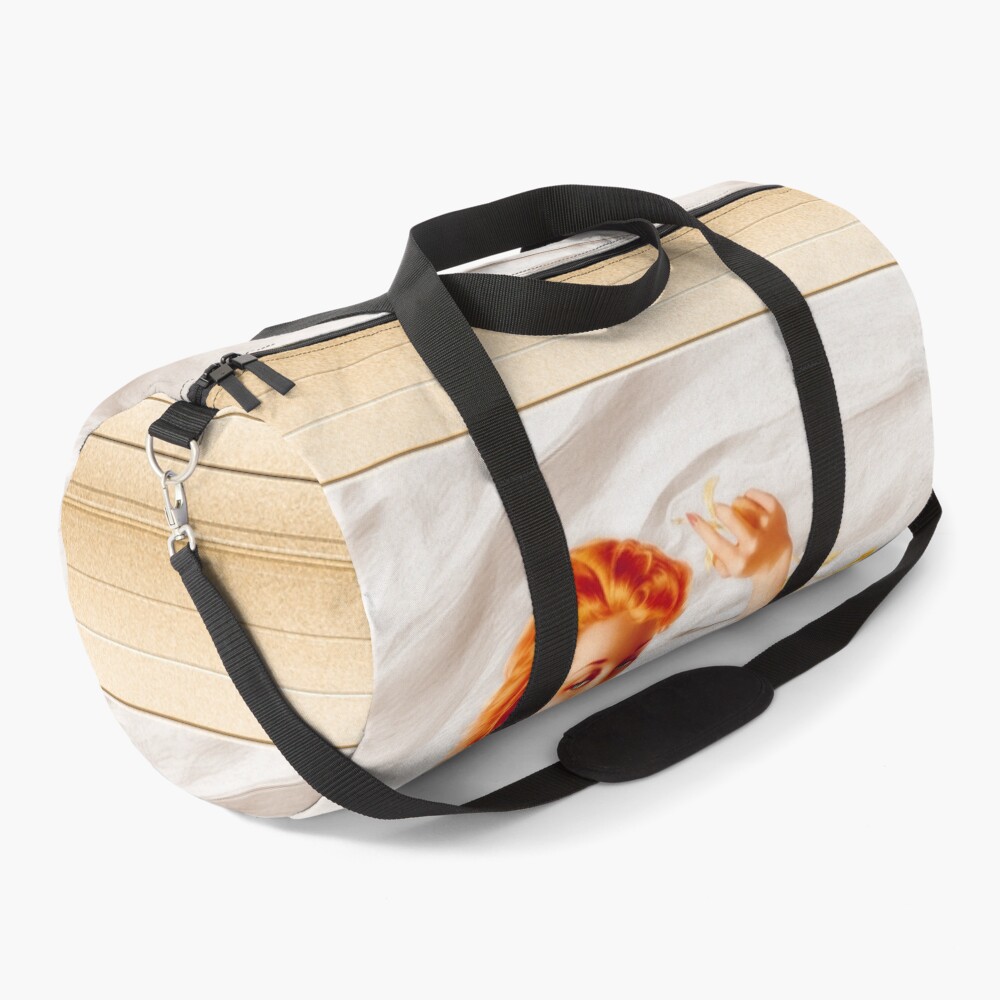
W sercu “The Golden Rose” is a graceful female figure, elegantly seated in a relaxed pose. Temat emanuje cichą pewnością siebie i wyrafinowaniem, Jej postawa jest lekko przechylona na bok, gdy spogląda przez ramię ze spokojnym, ale sugestywnym wyrazem twarzy. Włosy kobiety, stylizowana na miękkie fale, to efektowny odcień miedzianej czerwieni, który dodaje kompozycji ciepła.
Jej skóra jest gładka, Prawie porcelanowa jakość, przyczyniając się do eterycznego piękna sylwetki. W lewej dłoni trzyma delikatnie złotą różę, jego płatki są starannie zacienione, aby uzupełniać promienną cerę fotografowanej osoby. Ta róża, zarówno symbol piękna, jak i miłości, jest ważnym elementem tytułu dzieła sztuki i odgrywa rolę we wzmocnieniu tematu kobiecości i uroku.
Modelka jest przedstawiona w sposób naturalny, ale prowokacyjny, poza. Podczas gdy ona siedzi z jednym kolanem ugiętym lekko w górę, jej lewa noga z wdziękiem spoczywa na ziemi, podczas gdy prawa noga jest wyciągnięta, pokazując piękne detale swoich złotych sandałów na wysokim obcasie. Te buty są szczególnie ważne, ponieważ zwracają uwagę widza na doskonałe wykonanie i elegancję ogólnego wyglądu obiektu. Sandały, jak róża, służą jako symbole luksusu i wyrafinowania.
Composition and Setting
Tło grafiki jest minimalistyczne, złożony z miękkiego, falująca biała tkanina, która układa się i składa płynnie, otaczając model jak ze snu, spokojne otoczenie. Lekkość materiału pięknie kontrastuje z ciepłym odcieniem skóry postaci, tworząc harmonijną równowagę w utworze. Delikatne fałdy materiału dodają nieruchomemu obiektowi wrażenia ruchu i miękkości, wzmacniające wrażenie zmysłowości i spokoju.
The palette used by Vargas is warm and inviting, with shades of ivory, peach, and soft gold predominating. The golden hue of the rose and the model’s sandals echo each other, tying the piece together with a cohesive color scheme. This consistent use of warm tones evokes feelings of luxury and comfort, while the soft shadows add depth and dimension to the figure. The light seems to gently caress the subject’s form, highlighting her curves and enhancing the smoothness of her skin.
Materiały i technika
Vargas’s work is characterized by his masterful rendering of textures, especially the skin. His attention to detail is particularly evident in the smoothness and softness of the model’s flesh, which contrasts with the more textured appearance of the background fabric. The light that reflects off the skin is soft and glowing, as though illuminated by an unseen, ethereal source. This gives the work a sense of both realism and fantasy, as the subject appears to exist in a world that is both tangible and dreamlike.
The artist’s signature style also includes the use of bold contrasts between light and shadow, which enhances the three-dimensionality of the figure. The shadows fall gently across the model’s body, creating the illusion of depth, while the light plays on the curves of her form, podkreślając jej naturalne piękno. This interplay of light and shadow, along with the artist’s impeccable rendering of textures, contributes to the work’s overall sense of sensuality and sophistication.
Styl i motyw
“The Golden Rose” exemplifies the style of pin-up art that became hugely popular in the mid-20th century. Pin-up art is characterized by its depiction of idealized, attractive women in playful or provocative poses, often rendered in a highly stylized, glamourized manner. While pin-up art is often playful, it also exudes a sense of elegance and grace, as seen in Vargas’s work. W tym konkretnym kawałku, the artist captures both the allure and the elegance of the female figure, elevating her beauty to a level of timeless sophistication. The subject is not overtly sexualized, but rather is portrayed with a sense of refinement that makes her seem unattainable, yet deeply captivating.
The theme of the golden rose ties directly into the notion of idealized femininity, piękno, and love. The rose is often associated with romance, czystość, and the unattainable, and its presence in the artwork reinforces the concept of the woman as a symbol of these ideals. Her poised, serene demeanor contrasts with the delicate sensuality of the pose, creating an interplay between strength and vulnerability. The golden hue of the rose and the sandals suggests a certain opulence, elevating the woman to a pedestal of perfection.
Mood and Impact
Nastrój “The Golden Rose” is one of quiet contemplation and seductive grace. The soft colors and gentle light contribute to a serene atmosphere, while the sensual posture and elegant accessories add an element of allure. The subject’s gaze, directed slightly over her shoulder, invites the viewer to imagine what lies beyond her immediate presence, adding an air of mystery to the work. There is an inherent calmness in the piece, yet it evokes feelings of desire and admiration, making it both captivating and contemplative.
The impact of the artwork is heightened by its ability to combine sensuality with sophistication. Vargas was able to create pin-up art that was not merely about physical attraction but was also about capturing the essence of feminine beauty in a way that transcends the conventional. W “The Golden Rose,” the artist has crafted an image of a woman who is both a work of art and a symbol of the ideal, a perfect balance of beauty, łaska, and subtle seduction.
Historia dzieła sztuki
Since the nude portrait had a plain monotone background, I decided to use my abstract digital art piece” STRUMIEŃ GALAKTYCZNY” jako warstwa embossingu dla tła, co tworzy efekt ściany reliefowej.
Rezultatem jest kolekcja pięknych zawijasów, które wyglądają jak warstwowy tynk, z dużą ilością szczegółów, jakby do wyrzeźbienia jego formy użyto narzędzi.
Jest to zremasterowana cyfrowa reprodukcja starych mistrzów obrazu z domeny publicznej, która jest dostępna jako zrolowany druk na płótnie online.
Biografia artysty
Informacje poniżej od Wikipedia.org
Urodzony w Arequipie, Peru, był synem znanego peruwiańskiego fotografa Maxa T. Vargas. Alberto Vargas przeniósł się do Stanów Zjednoczonych w 1916 po studiach artystycznych w Europie, Zurych, i Genewa przed I wojną światową.
Będąc w Europie natknął się na francuski magazyn La Vie Parisienne, z okładką Raphaela Kirchnera, co, jak powiedział, miało ogromny wpływ na jego pracę.
Jego wczesna kariera w Nowym Jorku obejmowała pracę jako artysta dla Ziegfeld Follies i dla wielu hollywoodzkich studiów. Ziegfeld powiesił swój obraz Olive Thomas w teatrze, i była uważana za jedną z pierwszych Vargas Girls.
Vargas’ najsłynniejszym dziełem filmowym był plakat filmu 1933 film Grzech Nory Moran, który przedstawia prawie nagą Zitę Johann w pozie desperacji. Plakat jest często nazywany jednym z najlepszych plakatów filmowych, jakie kiedykolwiek powstały.
W latach 40. stał się powszechnie znany jako twórca kultowych pin-upów z czasów II wojny światowej dla magazynu Esquire znanego jako “Dziewczyny Vargasa.” Między 1940 i 1946 Wyprodukowano Vargas 180 obrazy dla magazynu.
Rysunki na nosie wielu amerykańskich i alianckich samolotów z okresu II wojny światowej zostały zainspirowane i zaadaptowane z tych pin-upów Esquire, jak również te George'a Petty, i innych artystów.