

陶芸家の娘
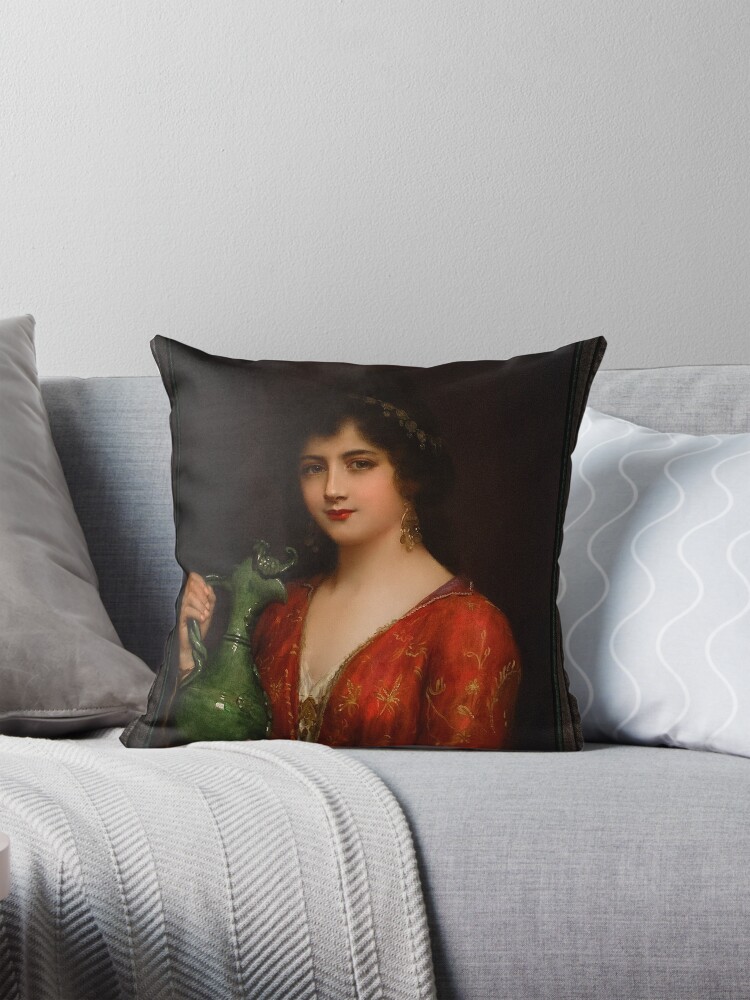
“陶芸家の娘”, イギリスのアーティスト、アビー・エイブラハム・アルトソンによって作成されました。 (1866 – 1949), 19世紀後半から20世紀初頭にかけての魅力的な作品です, 当時の文体の影響を反映している. アルトソン, 洗練された肖像画と光と影の使い方で知られる, 若い女性の人生における時代を超越した瞬間を捉えた, リアリズムとロマン主義のタッチを融合. この作業, キャンバスに油彩で描かれた, 陶器の水差しを持っている女性を描いています, 豊かに包まれた, 暖かい色調. このシーンはビクトリア朝時代の美学と共鳴します, 20世紀の自然主義と感情の探求を微妙に推し進めながら.
目次
主題と気分
絵の中心にあるのは、 美しい肖像画 穏やかで凛とした若い女性の姿, traditionally referred to as “The Potter’s Daughter.” She gazes directly at the viewer with a soft yet assured expression, her posture graceful and poised, as though caught in a reflective moment. The subject’s youth and beauty are evident, but there is also an air of quiet strength about her, as she holds the pottery jug—a symbolic object that connects her to the past, 彼女の遺産, and perhaps to the daily work that would have been common for women in rural or artisanal settings.
The woman’s expression, serene but slightly enigmatic, invites the viewer into a personal narrative, one that is neither overly dramatic nor plainly neutral. The subtle upward curve of her lips suggests an inner confidence, a knowledge of her place in the world. This element of tranquility, almost untouched by time, アルトソンの描写の中心的なテーマです, そしてそれはよりシンプルなものへの郷愁の感覚を呼び起こします。, 産業化以前の時代. 彼女の黒髪はエレガントにスタイリングされている, 彼女の繊細な特徴を表現する, そして彼女の宝石, 大きい, ぶら下がりイヤリング, 控えめなエレガントな雰囲気を加えます.
オブジェクトとその重要性
女性が持つ陶器の水差しは、この作品の中で最も重要なオブジェクトです。, 象徴としても、物語の要素としても. 陶器, 多くの場合、芸術性と実用性の両方に関連しています, 家事と創造的な工芸のバランスを意味します. 器そのものが丁寧に作られた芸術作品, 複雑なディテールでレンダリング, 日用品の質感や形に対するアルトソンの細心の注意を示しています。. 肖像画に水差しを含めるというアーティストの選択は、この女性の人生における職人技の重要性を示唆している可能性があります, possibly alluding to a heritage or legacy passed down through generations of potters.
さらに, the deep red of the woman’s robe stands out against the dark, 落ち着いた背景. The fabric’s rich texture and color imply both warmth and luxury, suggesting that she may not be a mere worker but someone from a family of artisans, perhaps even one whose father’s pottery has achieved some acclaim. This connection between the woman and her father is central to understanding the painting’s underlying narrative: she is not just a daughter, but a representative of a lineage, poised to carry on the traditions of her forebears.
風景と背景
The backdrop of the painting is dark, almost enveloping the subject, creating a striking contrast that focuses the viewer’s attention entirely on the woman and her object. 目立った風景や賑やかな環境がない; その代わり, 焦点は内側に留まります, その件に関しては彼女自身が. 中立者, 背景の深い色合いが被写体の鮮やかさを引き立てます, 彼女に時代を超越したものを与える, ほとんど別世界のような存在. この手法はアルトソンのポートレートスタイルの特徴です。, 気を散らす要素がないことで、個人と視聴者との関係が向上します。.
この女性と彼女の環境との明確なコントラストは、彼女の周囲の世界から意図的に切り離されていることを示唆しています。. 背景のシンプルさは、田舎の生活や職人的な生活の静けさを象徴していると解釈できます。, 被験者の内的世界が最も重要になる場所. 重要な風景や設定が存在しないということは、被写体のアイデンティティが周囲の環境によって定義されていないことを暗示している可能性もあります, しかし、彼女の内なる世界と、彼女が持つ静かな威厳によって.
スタイルとテクニック
アルトソンの芸術的スタイル “陶芸家の娘” リアリズムの要素と少しロマンチックな描写を融合させた. アーティストのソフトの使用, まるで幻想的な照明が、被写体を囲む洗練さと優雅さの感覚を高めます。.
スフマートのテクニック, 色とトーンをブレンドして柔らかさを生み出す, 色の間のスモーキーな移行, 女性の顔に本物のような質感を与える, 一方、彼女のローブと陶器の水差しの豊かな質感は、見る人にアーティストの詳細な筆致の鑑賞を促します。. 暖かい色調と暗い色調のブレンド, contrasted with the intricate details of the subject’s attire and the pottery, is characteristic of Altson’s ability to balance form and texture, bringing out the tactile qualities of both the human figure and the objects she interacts with.
結論
“陶芸家の娘” by Abbey Abraham Altson is an exemplary piece of late 19th-century portraiture that captures both the elegance and quiet strength of its subject. 細部への注意を払って, テクスチャ, と光, Altson transforms a simple moment, holding a pottery jug, into a reflection on heritage, 身元, and the role of women in a pre-industrial society.
The muted background, the symbolism of the pottery, and the serene expression of the young woman all work in harmony to create an artwork that speaks not only of personal grace but also of an era that valued craftsmanship and familial legacies. この親密な関係をアルトソンが見事に表現, 時代を超越したシーンは、人間の精神とそれが住む世界の両方の本質を捉える彼の能力の証拠として残っています。.
これは、パブリックドメインの画像のレタッチされたデジタルアートオールドマスターの複製であり、オンラインで購入できます。 ロールドキャンバスプリント.
アーティスト略歴
以下の情報から派生 Wikipedia.org
Abbey Abraham Altson は、ミドルズボロオンティーズで生まれました。, ヨークシャーの年 1864. の9月に 1883 彼と彼の兄弟のバーネット・ヘイマン・アルトソンはオーストラリアに行きました ; で始まります 1885 アブラハムは、ナショナルギャラリーデザインスクールで週に2晩、ドローイングの勉強を始めました。, メルボルンにあります.
NS 1886 その後、彼は絵画学校にフルタイムの学生として入学しました; 他の有名なアーティストと一緒に勉強する, フレッドマッカビンなど, ジョン・ロングスタッフ, エマニュエルフィリップスフォックス, デビッドデイビス, チューダーストリート. ジョージタッカーとフレッドウィリアムズ.
アブラハムは学校に通っていた毎年賞を受賞しました, 批評家は彼を将来の最も有望な生徒として予告します.