

Telefono Gorria
Telefono Gorria: Glamour eta jostagarritasunaren ospakizuna
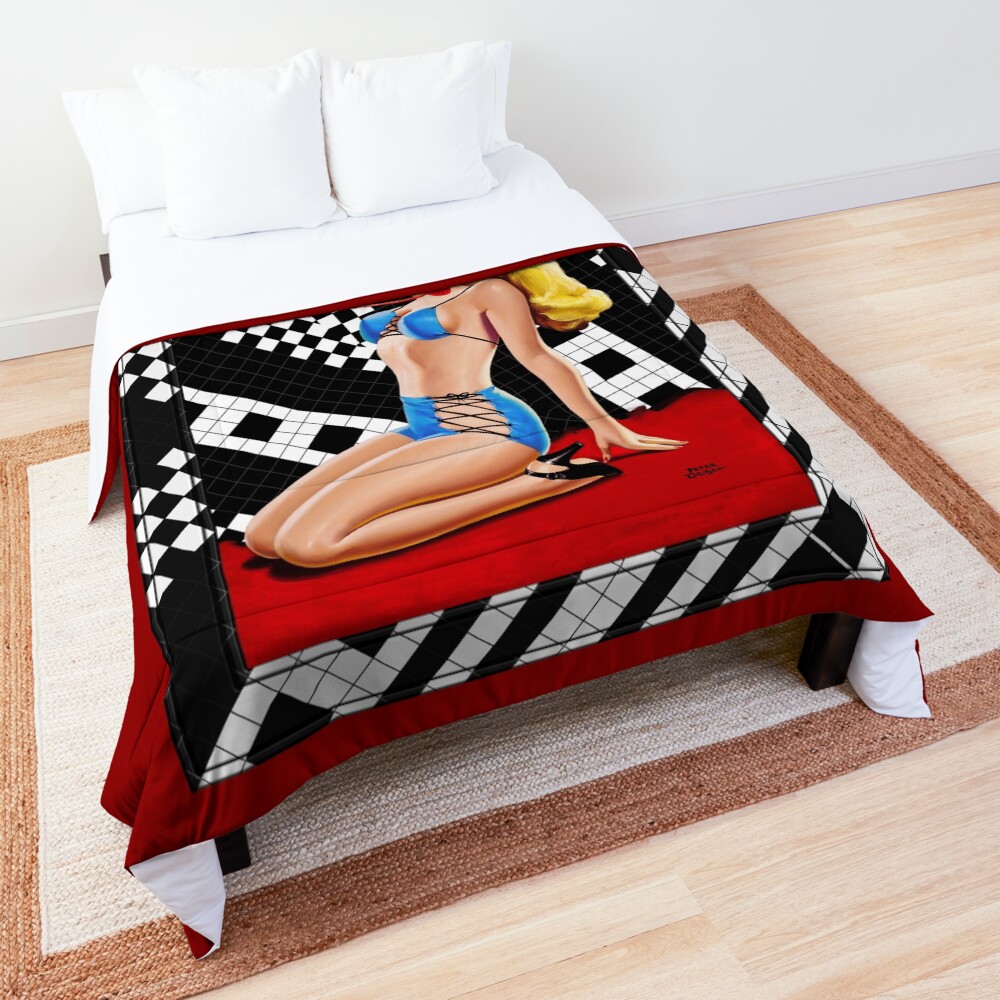
The Red Hotline Peter Driben-en eskutik (1903 – 1968), mendearen erdialdeko pin-up artista estatubatuar estimatua, bere obrei bizitasuna eta xarma emateko gaitasunagatik ospatu zen; eta pieza hau bere artearen adibide bikaina da, pin-up kulturaren esentzia flirtatious baina osasungarria irudikatuz. Dribenpaleta bizia da, forma menderatzea, eta arte bisualaren bidez istorioak kontatzeko trebetasuna erabat erakusten dira pieza honetan.
Edukien taula
Gai nagusia: The Radiant Blonde in Blue
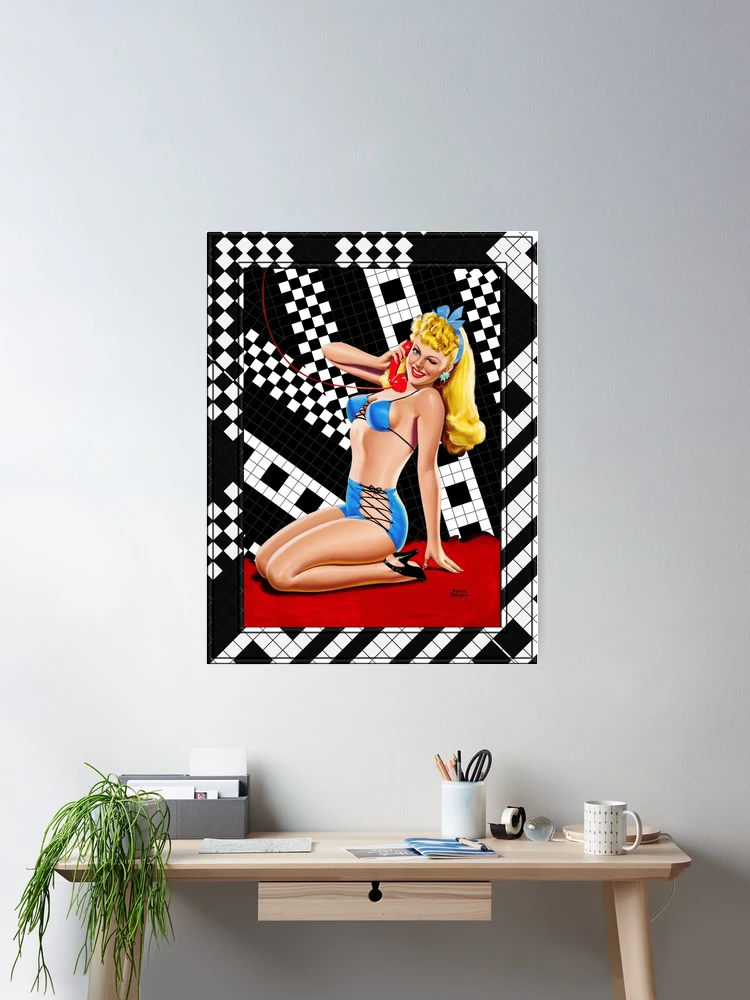
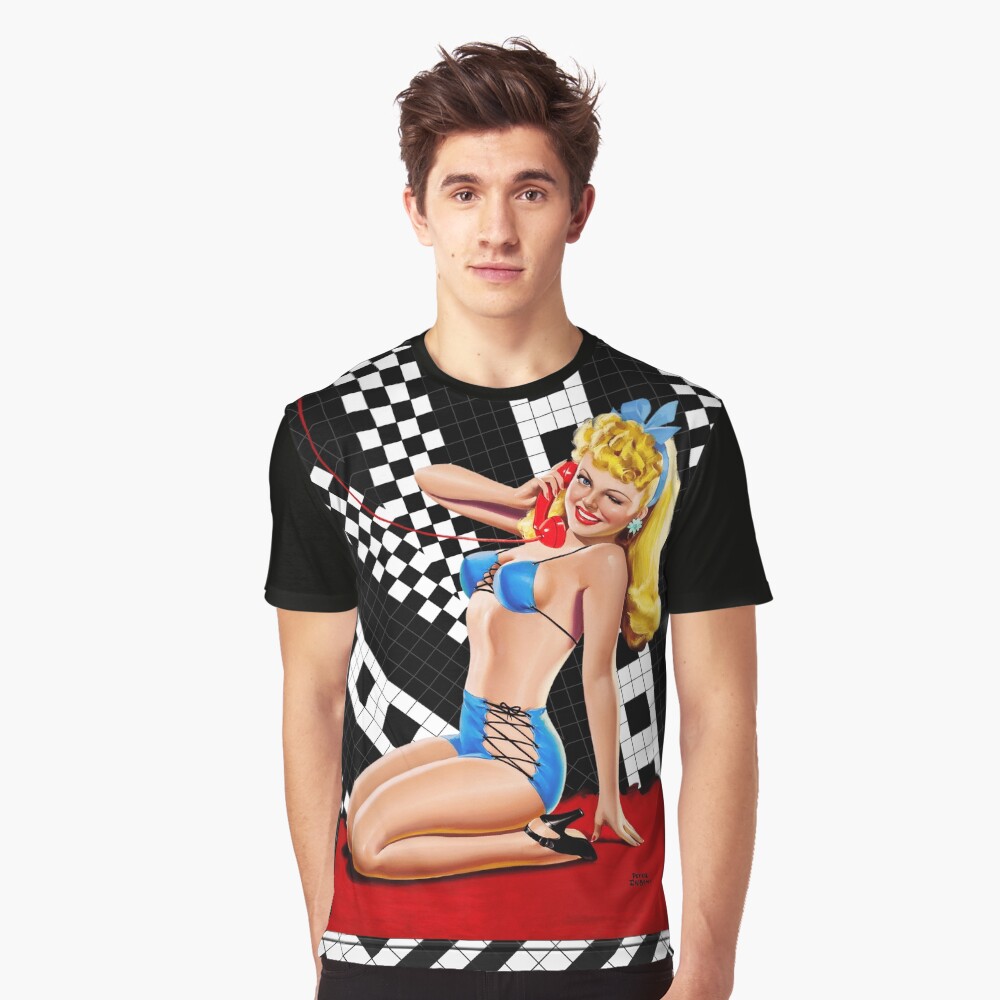
-ren bihotzean “Telefono Gorria” Emakume ilehoria gazte baten irudikapen jostagarri eta kokotea datza. Bere urrezko ilea uhin estilizatuetan jauzi egiten du, handi batekin apaindua, cheerful blue bow that complements her swimsuit. The bright smile on her face, coupled with her winking eye, exudes an inviting charm, drawing viewers into the narrative. She holds a bright red telephone receiver, which lends the artwork its name and serves as a pivotal object within the composition.
The subject is dressed in a light blue bikini with black lace detailing. The high-waisted bottoms, characteristic of 1940s and 1950s fashion, are secured with crisscrossed laces, adding a touch of suggestive allure without compromising the overall playfulness of the scene. Her slender figure, accented by the pose, kneeling on a red carpet with one hand on the ground and the other holding the phone, demonstrates Driben’s skillful portrayal of anatomy and movement.
Atzeko planoa eta inguruko objektuak
-ren atzealdea “Telefono Gorria” is a dazzling geometric checkerboard pattern, executed in stark black and white. This graphic, almost optical illusion-like design provides a modernist contrast to the soft, feminine figure in the foreground. The abstract background evokes a sense of energy and boldness, reinforcing the dynamic quality of the composition.
The red telephone cord playfully winds across the frame, connecting the subject to an unseen caller and injecting a sense of narrative intrigue. The phone itself, a vibrant red, stands out sharply against the monochrome and blue elements, acting as both a visual and thematic anchor.
The red carpet beneath the woman serves a dual purpose. It frames her pose while adding a warm, inviting tone to the composition. Gorrizko adabaki honek bere jantziaren tonu freskoagoak orekatzen ditu eta telefonoari lotzen dio, kolore-eskema kohesionatu bat sortzea.
Estiloa eta Teknika
Dribenen lanak pin-up artearen Urrezko Aroa jasotzen du, ilustratzaileek idealizatu bat harrapatu zuten garaia, sarritan feminitatearen irudikapen makala. Bere estiloa kolore lodiek definitzen dute, lerro garbiak, eta bere garaiko iragarki distiratsuak eta aldizkarien azalak gogora ekartzen dituen leuntze maila altua.
In “Telefono Gorria,” Dribenek argia eta itzala erabiltzea sotila baina eraginkorra da. Telefonoaren distira distiratsuak eta bainujantziaren lokarriek ehundura eta errealismo sentsazioa gehitzen dute, irudiaren kurbetan zehar itzal leunek, berriz, haren hiru dimentsioa hobetzen dute. Artistak xehetasunei ematen dien arretak, hala nola, bere takoi beltz distiratsuen erreprodukzio zehatzak edo ilearen distira sotilak, bere trebetasun teknikoa erakusten du..
Gaia eta Aldartea
Gaia “Telefono Gorria” arina eta jostala da, mendearen erdialdeko pin-up artea ezaugarritu zuen baikortasun eta umore zintzoan errotua. Telefonoak istorioak kontatzeko elementu bat sartzen du, ikusleak gonbidatzen ditu elkarrizketa gertatzen ari den irudikatzera. Asmo batekin flirtatzen al da? Lagun batekin barre bat partekatzea? Anbiguotasunak hainbat interpretazio ahalbidetzen ditu, itxuraz sinplea den eszenari sakontasuna gehituz.
Aldartea, zalantzarik gabe, dibertigarria eta flirtatious da, hala ere, ihesbide errugabearen esparruan jarraitzen du. Driben’s pin-ups often walked the line between suggestiveness and wholesomeness, a balance that made them widely popular and accessible during their time. “Telefono Gorria” ez da salbuespena, offering a playful fantasy that never veers into vulgarity.
Materialak eta euskarria
While the specific medium of this piece isn’t detailed here, Driben was known for his work in gouache and oil paints. These mediums allowed him to achieve the vibrant colors and smooth finishes seen in “The Red Hotline.” The level of precision in the lines and shading suggests that this artwork was originally created as an illustration, likely intended for print in a magazine, calendar, or poster.
Testuinguru kulturala eta ondarea
“Telefono Gorria” reflects the cultural zeitgeist of its era. Created during a time when pin-up art was at its peak, it embodies the idealized femininity and playful sensuality that appealed to audiences in the mid-20th century. Driben’s works were part of a broader movement that celebrated beauty, glamour, and the allure of the everyday woman.
As a piece of pin-up art, “Telefono Gorria” carries with it the legacy of a genre that influenced fashion, publizitatea, and popular culture. Gaur, it stands as a nostalgic reminder of a bygone era, appreciated both for its aesthetic qualities and its historical significance.
Bukaera
“Telefono Gorria” by Peter Driben is a masterful example of mid-century pin-up art. Its captivating subject, bold design, and vibrant execution showcase the artist’s talent and creativity. Driben’s ability to combine playfulness with technical precision ensures that this artwork remains an enduring icon of its genre. Glamourra eta xarma ospatzen ziren une bat jasotzen du, ikusleei vintage ilustrazioaren munduari begirada ederra eskainiz.
Domeinu publikoko irudi baten erreprodukzioa da metalezko inprimaketa linean.
Artistari buruz
Beheko informazioa Wikipedia.org
Peter Driben Bostonen jaio zen, eta Vesper George Art School-en ikasi zuen Parisera joan aurretik 1925. Sorbonan klaseak hartzen ari zaren bitartean 1925, hiriko showgirls oso ezagunak diren lumaz eta tintazko marrazki sorta bat hasi zuen.
urteko martxoan 1934 Dribenek bere lehen pin-up ezaguna sortu zuen, La Paree Stories-en azala izan zena; eta by 1935, Snappy-ren azalak ekoizten ari zen, Pep, New York gauak, Frantziako Gau Bizitza eta Kapritxoa.
Hogeita hamarreko hamarkadaren amaieran Dribenen ospeak gora egiten jarraitu zuenez, beste aldizkari batzuetarako azal gehiago sortu zituen, besteak beste, Silk Stocking Stories., Pelikula Merry-Go-Round eta benetako pantaila dibertigarria.
Dribenen ibilbidea publizitatera zabaldu zen berandu New Yorkera joan zenean 1936. Hemen Philco Radios-entzako jatorrizko hiru dimentsioko leiho-pantailak sortu zituen, Cannon bainu eskuoihalak, eta Weber Baking Company.
Beharbada, bere lanik ospetsuena The Maltese Falcon-en jatorrizko kartelak eta publizitate artelanak dira. Peter Driben Robert Harrison argitaletxearen lagun min bat ere izan zen, eta barruan 1941 Harrisonen Beauty Parade aldizkari berriaren azalak egiteko kontratatu zuten.
Hortik aurrera, Peter argitalpen horren ehunka azala margotu zituen eta Harrisonek kaleratuko zituen beste zazpi tituluetarako. – Flirtatu, Xuxurlatu, Begira, Keinu egin, Begiz, Barre algarak, eta Joker.
Dribenek bere azaletatik sei edo zazpi izan ohi zituen hilero argitaratzen. Dribenek Harrisonentzat egindako lanak Amerikako pin-up eta glamour artista ezagun eta arrakastatsuenetako bat bezala ezarri zuen.. Harrisonentzat lanean hasi baino lehen, Driben artistarekin ezkondu zen, aktore eta poeta, Louise Kirby.
In 1944 ezohiko aukera eskaini zitzaion, pin-up artista batentzat; hori New York Sun-eko arte zuzendaria izango zen, arte mantendu zuen postua 1946. Gerra garaian, Iwo Jiman bandera altxatzen zuten soldadu amerikarren margolan ezagunak komunikabideen arreta handia piztu zuen.
In 1956, Driben eta Louise Miami Beachera joan ziren bizitzera, bertan eman zituen erretiro-urteak erretratuak margotzen (besteak beste, Dwight D. Eisenhower) eta beste arte eder batzuk, bere emazteak erakusketa arrakastatsuetan antolatu zituenak. urtean hil zen Driben 1968, Louise sartu 1984.