

Żółta Maska
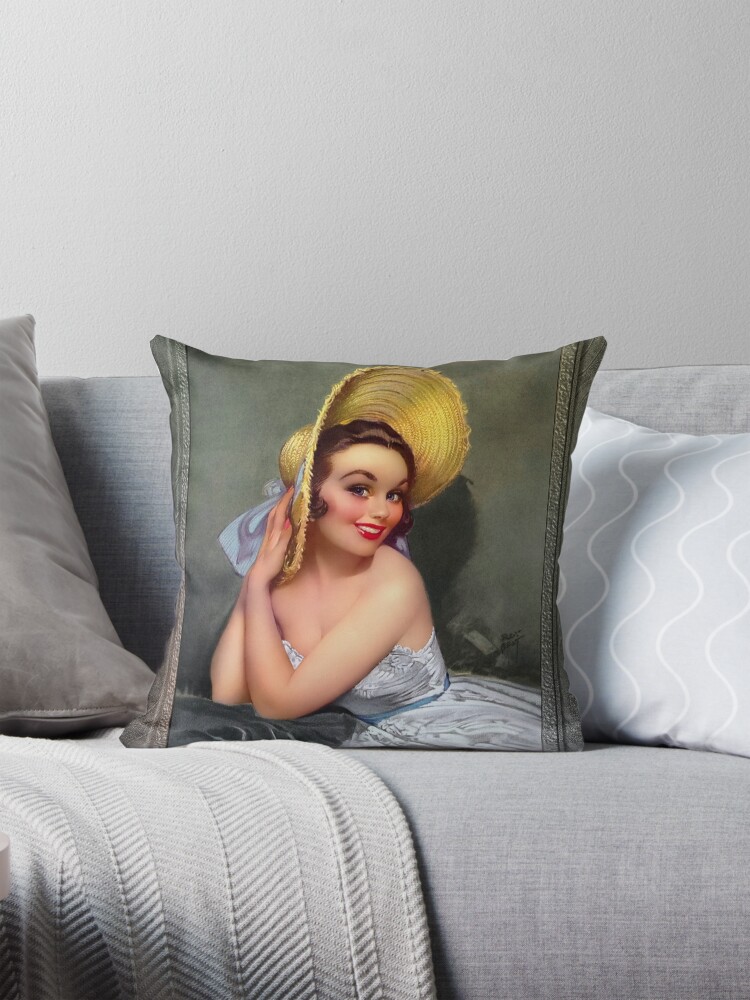
“Żółta Maska,” stworzony przez amerykańskiego ilustratora Roya Besta (1892 – ?), to wspaniały przykład amerykańskiej ilustracji z połowy XX wieku, uchwycenie esencji młodzieńczego uroku i piękna. Dzieło to zostało namalowane z niezwykłą precyzją, obejmując pastelową paletę kolorów, która uzupełnia miękkość, eteryczny nastrój portretu.
Utwór przedstawia młodą kobietę ozdobioną dużym żółtym czepkiem, jej delikatny, promienny uśmiech emanujący pewnością siebie i ciepłem, podczas gdy ona jest tęskna, nieco nieśmiała poza zachęca do nawiązania kontaktu z widzem. Temat jest umiejscowiony centralnie w kompozycji, oferując żywe skupienie uwagi w otoczeniu miękkości, rozmyte odcienie sugerujące delikatność, niemalże marzycielska atmosfera.
Spis treści
Styl i technika
Roy Best was known for his ability to blend elements of realism with the graceful stylization of the early 20th century illustration movement. His works often captured moments of femininity, highlighting the softness of the human form, and this painting exemplifies those qualities perfectly. The technique employed in “Żółta Maska” is reflective of the artist’s fine control over color and light, rendering a sense of depth and texture in the depiction of the woman’s face and clothing.
The smooth application of paint creates an almost velvety finish to the skin and fabric, adding a soft glow that enhances the overall warmth of the piece. The play of light, particularly on the yellow bonnet, is masterfully handled, drawing attention to the most prominent feature of the artwork. The subtle highlights on the woman’s face, especially around her eyes and lips, add a dimension of realism that contrasts beautifully with the simplicity of the background.
Temat i nastrój
The theme of the painting revolves around beauty, kobiecość, and charm. The woman in the artwork is presented as a figure of innocence and allure, captured in a moment of serene elegance. The bonnet she wears, a symbol of a bygone era, suggests a connection to a more traditional, rural aesthetic, evoking nostalgia for a time when such accessories were commonplace in women’s fashion.
The lighthearted mood of the portrait is enhanced by the soft, pastel colors used throughout, which create a serene environment around the subject, inviting the viewer to bask in the quiet beauty of the scene. There is no sense of urgency or harshness in the artwork; Zamiast, the woman gazes softly towards the viewer with a subtle smile, allowing her presence to fill the space with a calm, peaceful atmosphere.
Materiały i medium
“Żółta Maska” was created using traditional painting materials typical of the time period. The artist’s use of oil paints allowed him to achieve a rich depth in color, especially in the woman’s skin tone and the delicate folds of her dress. The smoothness of the brushwork suggests that Best worked with a technique that emphasized blending, rather than distinct, visible brushstrokes, to create a soft, almost luminous finish.
Tło, a muted blend of soft greys and greens, further elevates the main subject by providing a gentle contrast, dbając o to, aby uwaga widza pozostała skupiona na kobiecie w żółtym czepku. Złoty i żółty odcień jej kapelusza wyróżnia się jako centralny element wizualny, symbolizujący zarówno ciepło, jak i nadzieję.
Temat i kompozycja
Temat “Żółta Maska” jest młodą kobietą, prawdopodobnie w późnej nastolatki lub na początku dwudziestki, których rysy twarzy zostały oddane z dużą starannością. Jej ciemność, falowane włosy są schowane pod dużym, żółtą czapkę z szerokim rondem, co stanowi uderzający kontrast z jej jasną karnacją. Sama maska, wykonane ze słomy lub podobnego materiału, jest misternie szczegółowy, z jasną tasiemką wiązaną z tyłu. Zabawne użycie niebieskiej wstążki w kobiecym stroju zapewnia subtelny kontrast z ciepłą żółtą barwą maski, dodając całej kompozycji odrobinę delikatności.
Pozycja kobiety jest miękka i zachęcająca, her hand gently resting against the side of her head, as if adjusting the bonnet. This posture conveys a sense of elegance and grace, with the subject appearing both poised and approachable. The subtle tilt of her head adds to the overall impression of grace, as if she is caught in a moment of quiet contemplation or engaging in a pleasant conversation with the viewer. Tło, which is softly blurred and non-descriptive, ensures that the focus remains solely on the figure of the woman, emphasizing her delicate beauty.
Wniosek
W “Żółta Maska,” Roy Best masterfully captures a moment of timeless beauty, showcasing his exceptional skill in blending realism with a gentle, idealized aesthetic. The artwork evokes feelings of nostalgia, ciepło, i spokój, inviting viewers to appreciate the softness and elegance of a moment frozen in time. With its harmonious composition, miękkie oświetlenie, and delicate color palette, this portrait remains a remarkable example of American illustration from the early 20th century.
Jest to retuszowana reprodukcja starych mistrzów sztuki cyfrowej będąca własnością publiczną.
Biografia artysty
Informacje poniżej pochodzą z Wikipedia.org
Roy był studentem Instytutu Sztuki w Cincinnati, a później uczęszczał do Art Institute of Chicago; i na początku swojej kariery był reprezentowany przez amerykańskiego artystę w Nowym Jorku w latach dwudziestych.
Podczas pobytu w Nowym Jorku namalował kilka okładek dla założonego w roku The Saturday Evening Post 1897 i jest nadal publikowany w chwili pisania tego tekstu.
Następnie w 1931, Roy tworzył grafikę kalendarza w stylu pinup girl dla Josepha C. Odkurzacz & Firma kalendarzowa syna; a później w tym samym roku wydawnictwo Whitman Publishing Company zleciło mu zilustrowanie książki obrazkowej Piotruś Pan, based on J. M. Barrie’s play Peter Pan.
This led to him illustrating many other children’s books, w tym “Little Friends from Many Lands” by Mary Windsor (Whitman Publishing Company, 1935).
W 1942 the Treasury’s Section of Painting and Sculpture commissioned Roy to paint a post office mural, called Arrival of Packet, in his hometown of Waverly, Ohio.
In that same year he was hired by Brown and Bigelow the famous publishing company, which lead him into a career producing calendar pin-ups.
In his career he would also paint a number of well known actresses, such as Grace Kelly; and in his later years he became known for his corporate commissioned oil portraits and watercolor landscapes of Cape Cod.