

An Èideadh Buidhe le Peruvian
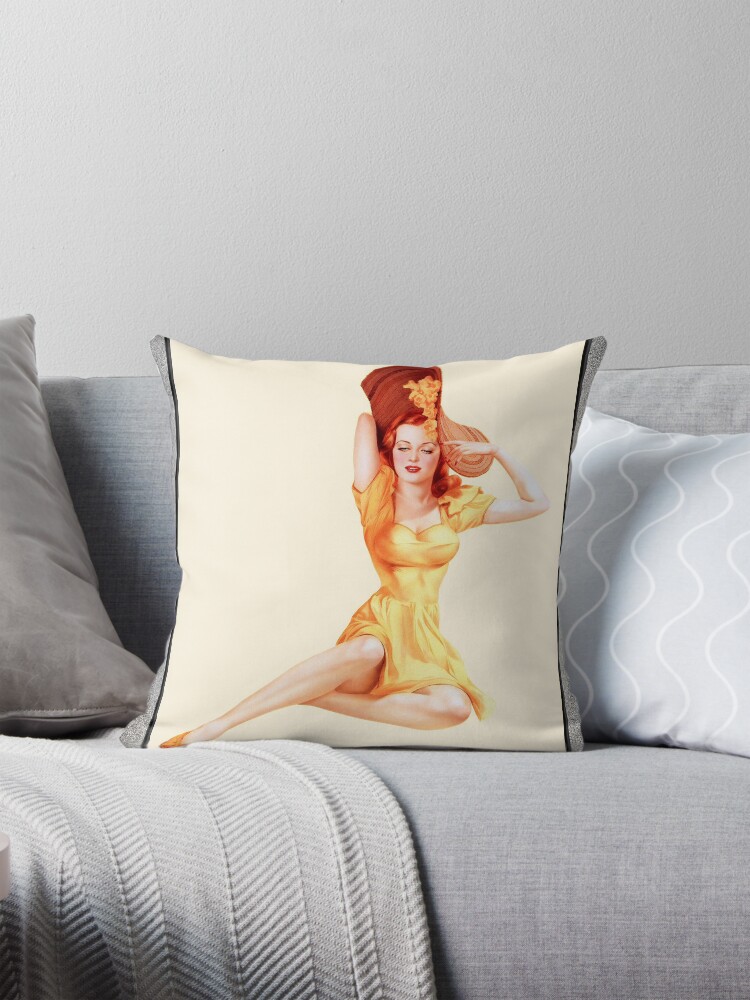
Air a chruthachadh ann am meadhan an 20mh linn, “An t-Eideadh Buidhe” na phìos eireachdail leis an neach-ealain a rugadh ann am Peru Ìomhaigh neach-àite Alberto Vargas, a bha ainmeil airson a chuid ealain chliùiteach pin-up a ghlac glamour agus eireachdas boireannaich san àm às deidh a’ chogaidh. Rugadh e a-steach 1896 agus a 'dol seachad air a-steach 1982, Bha Vargas na mhaighstir air mothachadh agus gràs, a’ measgachadh innleachd mhionaideach le dòigh-obrach ùr-nodha a thaobh dealbhan. Tha an dealbh a’ seasamh mar mholadh air bòidhchead agus bòidhchead cruth boireann, a’ toirt a-steach eireachdas agus stoidhle na h-ùine a tha e a’ riochdachadh. Ann an “An t-Eideadh Buidhe,” Bidh Vargas a 'cleachdadh measgachadh co-chòrdail de dhhathan beòthail, obair bhruis ghrinn, agus fòcas bog air a’ chuspair boireann gus ìomhaigh a chruthachadh a tha a’ nochdadh sòghalachd gun ùine.
Clàr-innse
Am Prìomh Chuspair
Is e cridhe an obair-ealain boireannach air a sgeadachadh ann an dreasa buidhe radanta, a tha gu math eadar-dhealaichte bhon fhalt dearg lasrach aice agus a cùl-raon ciùin. Bha i deiseil, suidheachadh eireachdail, le aon ghàirdean air a thogail gu socair gus ad iongantach mòr agus fasanta a chumail, a 'cruthachadh faireachdainn de ghluasad agus furasta. Tha faireachdainn aghaidh na boireannach sàmhach, dhùin a suilean mar gu'm biodh i air chall ann am mionaid fèin-mheòrachadh no fìor thoileach- adh. Tha am mion-fhiosrachadh seòlta seo a’ toirt cuireadh don neach-coimhead gu àm prìobhaideach, ga ghlacadh ann an staid gràis agus sith. Tha aodach nam boireannach eireachdail, a’ sràcachadh a lùban leis a’ bhog, inneach rèidh an aodach air a chomharrachadh le bhith a’ toirt seachad an dreasa gu faiceallach Vargas.
An ad, eileamaid chudromach ann an sgrìobhadh, air a dhèanamh de stuth blàth donn, air a sgeadachadh le motif flùr fìnealta a tha na dheagh chur ri seallaidhean òrail an dreasa. Tha coltas farsaing air an ad a 'sgaoileadh le gluasad, a’ cur ri fileantachd an t-suidheachaidh iomlan. An aire àbhaisteach aig Vargas gu mion-fhiosrachadh ann a bhith a’ glacadh inneach, bho bhogachd na h-èideadh gu sruth an ad, a’ tarraing aire gu nàdar tactile a’ chuspair. Tha an cuspair fada, tha buill gràsmhor air an suidheachadh gu socair, a’ cur ris a’ mhothachadh iomlan air furasta agus eireachdas.
An Cùl-fhiosrachadh agus na h-eileamaidean mun cuairt
Tha cùl-raon a’ phìos glè bheag, le nighe bog dath uachdar a bhios a’ dealachadh a’ chuspair bhon t-saoghal mun cuairt, a’ tarraing fòcas an neach-coimhead gu tur air a’ bhoireannach anns an dreasa bhuidhe. Tha an roghainn seo de chùl-raon neo-fhillte eadar-dhealaichte ri soilleireachd a’ chuspair, a’ neartachadh dràma agus sunnd na boireannaich. Chan eil nithean farpaiseach ann, figearan, no suidheachaidhean iom-fhillte; tha dìth buairidhean a’ toirt cuireadh don neach-coimhead a bhith a’ coimhead air bòidhchead a’ bhoireannaich agus an ath-sgeadachadh, stoidhle boireann Vargas cho tric ag iarraidh a riochdachadh.
Tha sìmplidheachd an cùl-fhiosrachaidh cuideachd a’ daingneachadh an fhòcas air a’ bhoireannach fhèin, cuspair a bhiodh Vargas gu tric a’ rannsachadh na chuid obrach. Le bhith a’ toirt air falbh mion-fhiosrachadh neo-riatanach, tha an neach-ealain a’ leigeil le eireachdas a’ chuspair smachd a chumail air, a’ comharrachadh a bòidhchead agus a neart gun dragh sam bith bhon taobh a-muigh.
An stoidhle agus an teicneòlas
Bha Vargas ainmeil airson an stoidhle gun samhail a bha a’ measgachadh reul-eòlas le faireachdainn cha mhòr bruadar. An obair aige ann an “An t-Eideadh Buidhe” a’ toirt a-steach na feartan sin, le cothromachadh foirfe eadar mion-fhiosrachadh fìor anatomical agus am bog, sealladh soilleir de chruth boireann air leth freagarrach. Bha an dòigh-obrach Vargas air a chleachdadh gu math grinn agus mionaideach; tha an obair bhruis aige mionaideach agus rèidh, a’ toirt craiceann na mnà cho socair is gu bheil e coltach gu bheil e cha mhòr aotrom. Tha dealbh-chluich solais is dubhar air a bodhaig a’ nochdadh an cruth fon aodach, a’ toirt iomradh gu h-obann air cumaidhean a bodhaige gun a bhith a’ nochdadh cus.
Tha cleachdadh dath gu sònraichte iongantach anns an dealbh seo. Tha an dreasa buidhe soilleir mar mheadhan fòcas, tha am blàths eadar-dhealaichte an aghaidh cùl-raon uachdar bog agus dearg beairteach falt na boireannaich. Tha an t-eadar-dhealachadh seo de dhhathan ag àrdachadh faireachdainn de bheòthalachd agus beatha, a’ cur cuideam air làthaireachd agus lùth a’ chuspair. Ton a craiceann, air a thoirt seachad gu grinn, thoir seachad bog agus blàths don sgrìobhadh, ag àrdachadh bòidhchead an fhigear tuilleadh.
Vargas’s ability to depict fabric texture is another aspect that stands out in “The Yellow Dress.” The dress seems to flow around the subject’s form, suggesting movement even in a moment of stillness. The brushwork on the folds and creases of the fabric displays a keen understanding of the interplay of light and texture, while the luxurious quality of the material is emphasized by the way the light subtly reflects off its surface. In the same way, the intricate detailing of the hat and the slight movement suggested by its large brim brings a dynamic quality to the composition, contributing to the scene’s overall sense of vitality.
Cuspair agus mood
The central theme of the artwork revolves around the celebration of feminine beauty, gràs, agus eireachdas. Vargas’s portrayal of women, gu sònraichte ann an obraichean mar “An t-Eideadh Buidhe,” a’ cur cuideam air boireannachd air leth freagarrach a tha an dà chuid tarraingeach agus urramach. Tha bog agus grinneas anns an dòigh anns a bheil an cuspair air a thoirt seachad a tha a 'moladh purrachd, sòghalachd, agus posadh. Seasamh a’ chuspair, socair agus socair, a 'moladh gu bheil am boireannach cofhurtail na bòidhchead, a’ neartachadh cuspair boireannachd misneachail tuilleadh.
Tha faireachdainn an deilbh sàmhach, beachdachail, agus dlùth. An abairt seòlta air aodann na boireannaich, air a chàradh le rèidh a suidheachadh agus a cùl-raon ciùin, a’ nochdadh faireachdainn de mheòrachadh sàmhach. Tha am faireachdainn seo a’ brosnachadh an neach-coimhead a bhith ag amas chan ann a-mhàin air bòidhchead taobh a-muigh a’ bhoireannaich ach cuideachd air a suidheachadh agus a faireachdainn a-staigh.. Tha buidhe beothail a h-èideadh eadar-dhealaichte ri ciùineas a giùlan, cruthachadh faireachdainn de chothromachadh eadar lùth agus suaimhneas.
Roghainn Vargas airson am boireannach a dhealbhadh ann an stoidhle cho eireachdail, tha suidheachadh cha mhòr wistful a’ toirt cuireadh don neach-coimhead meòrachadh air a’ cheangal eadar coltas a-muigh agus brìgh a-staigh, a’ cur cuideam air a’ chothromachadh fìnealta de ghràs agus neart a tha a’ mìneachadh nam figearan boireann aige. Am measgachadh de mhion-fhiosrachadh sòghail, dathan co-chòrdail, agus tha am faireachdainn ciùin a’ cruthachadh obair-ealain a tha gun ùine agus gun fheum, a’ toirt sealladh dhuinn air an t-suidheachadh boireann a bhiodh Vargas cho tric a’ sgrùdadh.
Tha an Èideadh Buidhe na seann mhaighstirean ealain didseatach ath-dhealbhaichte de ìomhaigh raon poblach.
Neach-ealain Bios bho Wikipedia.org
Rugadh e ann an Arequipa, Peru, bha e na mhac leis an dealbhadair ainmeil Peruach Max T.. Vargas. Ghluais Alberto Vargas dha na Stàitean Aonaichte a-steach 1916 às deidh dha sgrùdadh a dhèanamh air ealain san Roinn Eòrpa, Zurich, agus Geneva ron Chiad Chogadh.
Fhad ‘s a bha e san Roinn Eòrpa thàinig e air an iris Frangach La Vie Parisienne, le còmhdach le Raphael Kirchner, a thuirt e a thug buaidh mhòr air an obair aige.
Bha a dhreuchd tràth ann an New York a ’toirt a-steach obair mar neach-ealain airson na Ziegfeld Follies agus airson mòran stiùidio Hollywood. Chroch Ziegfeld an dealbh aige de Olive Thomas aig an taigh-cluiche, agus bhathas den bheachd gur i aon de na caileagan Vargas as tràithe.
Vargas’ bha am pìos film as ainmeil airson postair an 1933 film The Sin of Nora Moran, a tha a ’sealltainn Zita Johann a tha cha mhòr lomnochd ann an suidheachadh dòrainn. Tha am postair air ainmeachadh gu tric mar aon de na postairean film as motha a chaidh a dhèanamh a-riamh.
Bha e ainmeil fad is farsaing anns na 1940an mar neach-cruthachaidh ìomhaighean ainmeil àm an Dàrna Cogaidh airson an iris Esquire ris an canar “Nigheanan Vargas.” Eadar 1940 agus 1946 Vargas air a thoirt a-mach 180 dealbhan airson an iris.
Chaidh ealain sròin mòran de phlèanaichean Ameireagaidh agus an Dàrna Cogadh a bhrosnachadh agus atharrachadh bho na h-iomairtean prìne Esquire sin, a bharrachd air an fheadhainn aig Seòras Petty, agus luchd-ealain eile.