

Sorginak beren larunbatera doaz
Sorginak igotzen: Gaueko Elkarretaratzea Faleroren Ikuspegi Alegorikoan
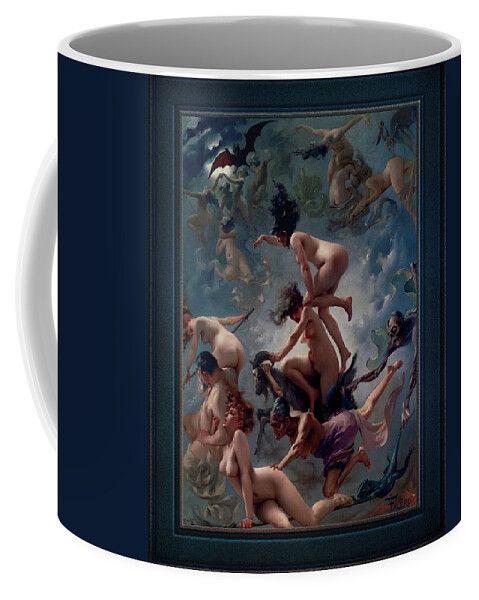
Sorginak bere larunbatera doazen c1878 Luis Ricardo Faleroren eskutik (1851 – 1896), ("Sorginen irteera" izenez ere ezaguna), mende amaierako Espainiako arte akademikoaren adibide nabarmena da. Lanak eragin erromantiko eta sinbolistatik hartzen du parte, a irudikatuz eszena fantastikoa gaueko zeru ekaiztsu batera igotzen diren emakume irudiak, ustez, sorgin batengana bidean’ larunbata. Faleroren koadroa ez da folklorearen irudikapena soilik; giza irudimenaren esplorazioa da, beldurra, eta naturaz gaindikoaren erakargarritasuna. Konposizioa dinamikoa eta teatrala da, mugimendua eta efektu dramatikoa lehenetsiz errealismo zorrotzaren aurrean.
Edukien taula
Konposizio Egitura & Narrazio Fluxua
Artelanak berehala erakartzen du ikuslea figura eta hodeien zurrunbilo zurrunbilo batera. Mihisearen beheko zatiak emakume biluzien topaketa kaotikoa irudikatzen du, batzuk lurrean ahuspezturik, beste batzuk jauzika edo zerurantz arakatzen. Oinarrizko geruza honek energia frenezia eta goranzko mugimendurako nahi gabeko zentzua ezartzen du. Eszena nahasi honen gainetik, hainbat emakume forma airean airean daude jada, Hegaldi erdian esekita, hodei biribilak eta izugarri argiztatuta gaueko zeru baten artean. Konposizioa ez da estatikoa; etengabeko igoera prozesu bat iradokitzen du, lurreko erreinuaren eta zeruko hedaduraren artean trantsizioko irudiekin.
Erdiko fokua zaldi ilun batek marraztu du prozesioa gidatzen duela dirudien figura batek. Zifra hau, itzalean partzialki ilunduta, ardatz gisa jokatzen du, sorginak helmugarantz gidatzen. Konposizioaren goranzko ibilbideak ikusmina eta misterioa sortzen du, ikuslea gaueko topaketa honen izaera kontenplatzera gonbidatuz.
Teknika Artistikoa & Kolore Paleta
Faleroren trebetasun teknikoa agerikoa da giza forma eta efektu atmosferikoen erreprodukzioan. Argi-iluneko teknika erabiltzen du -argiaren eta itzalen erabilera dramatikoa- dramaren eta misterioaren zentzua areagotzeko.. Figurak etereo batean bainatzen dira, ia beste munduko distira, eszenaren zati handi bat inguratzen duten itzal sakonekin kontrastatuz. This interplay of light and dark emphasizes the supernatural nature of the subject matter.
The color palette is dominated by cool tones: urdina, grisak, and purples, which contribute to the painting’s somber and unsettling atmosphere. Hints of warmer colors – yellows and oranges – are strategically placed to highlight key figures and create points of visual interest. The artist’s brushwork is loose and expressive in the lower portion of the canvas, conveying a sense of chaos and movement, while becoming more refined as the eye travels upwards towards the sky.
Sinbolismoa & Interpretazioak
The painting’s symbolism is rich and layered. The witches themselves represent not just figures from folklore but also archetypal representations of feminine power and rebellion against societal norms. Their nudity can be interpreted as a rejection of conventional constraints and an embrace of primal instincts. The stormy night sky symbolizes the turbulent emotions and hidden forces that drive human behavior.
The horse, often associated with wildness and untamed energy, further reinforces this theme of liberation and transformation. The presence of a bat in the upper left corner is another traditional symbol of witchcraft and darkness. Falero’s work doesn’t offer a definitive interpretation; horren ordez, it invites viewers to engage with their own imaginations and draw their own conclusions about the meaning of the scene.

Testuingurua & Eragin artistikoak
Falero created “Witches Going to Their Sabbath” during a period when interest in folklore, mitologia, and the occult was experiencing a resurgence in Europe. The painting reflects the influence of Romanticism, which emphasized emotion, irudimena, eta sublimea, as well as Symbolism, which sought to express abstract ideas through symbolic imagery. Artists like Francisco Goya, with his depictions of fantastical scenes and dark themes, likely influenced Falero’s artistic vision.
The academic art tradition, in which Falero was trained, prioritized technical skill and adherence to classical principles. Alabaina, Falero’s painting transcends the limitations of academic convention by incorporating elements of fantasy and symbolism that were characteristic of more progressive artistic movements. The work stands as a testament to his ability to blend traditional techniques with innovative ideas.
Ondarea & Esangura
“Witches Going to Their Sabbath” remains an intriguing and captivating artwork, admired for its dramatic composition, technical skill, and symbolic depth. It offers a glimpse into the cultural anxieties and imaginative preoccupations of 19th-century Europe, while also demonstrating Falero’s unique artistic talent. The painting continues to resonate with audiences today, inviting them to explore the enduring power of myth, folklorea, and the human imagination.
Artistaren biografia Wikipedia.org
Falero Granadan jaio zen eta jatorriz Espainiako Armadan egin zuen karrera, baina gurasoei eman zien’ etsipena. Oinez joan zen Parisera, non artea ikasi zuen, kimika eta ingeniaritza mekanikoa.
Azken bi hauetan egin behar zituen esperimentuak arriskutsuak ziren, leading him to decide to focus on painting alone. Gabriel Ferrierren ikaslea izan zen. Parisen ondoren, Londresen ikasi zuen, bertan finkatu zen azkenean.
Falerok astronomiarekiko interes berezia zuen eta zeruko konstelazioa sartu zuen bere lan askotan, esaterako “Kometa baten ezkontza” eta “Izar bikiak”. Astronomiarekiko interesak eta ezagutzak Camille Flammarionen lanak ilustratzera ere eraman zuten.
In 1896, bere heriotzaren urtea, Maud Harveyk aitatasunagatik auzitara eraman zuen Falero. Trajeak Falerok Harvey liluratu zuela esaten zuen hura zegoenean 17, lehenik bere etxeko neskame gisa, eta gero eredua. Haurdun zegoela jakin zuenean, baztertu egin zuen.
Kasua irabazi zuen eta astean bost txelin ematen zizkioten haien seme-alaben alde. Falero University College ospitalean hil zen, Londres, urterekin 45
This is a retouched digital art old masters reproduction of a public domain image that you can purchase as a mihise inprimatu sarean.