

Hexen, déi op hire Sabbat goen
Hexen opsteigen: A Nightly Gathering in Falero's Allegorical Vision
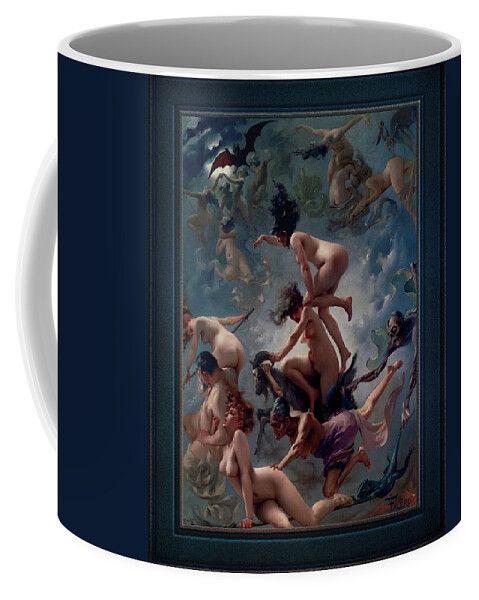
Hexen ginn op hire Sabbat c1878 vum Luis Ricardo Falero (1851 – 1896), (och bekannt als "The Departure of the Witches"), ass e markant Beispill vun der spuenescher akademescher Konscht am spéide 19. D'Wierk zitt staark vu romanteschen a symbolisteschen Afloss, afstellt a fantastesch Zeen vu weibleche Figuren, déi an e stiermeschen Nuetshimmel klammen, viraussiichtlech op de Wee op eng Hexen’ sabbat. Dem Falero seng Molerei ass net nëmmen eng Ofbildung vu Folklore; et ass eng Exploratioun vun der mënschlecher Phantasie, Angscht, an d'Verlockung vum iwwernatierlechen. D'Kompositioun ass dynamesch an theatralesch, Prioritéit Bewegung an dramateschen Effekt iwwer strikt Realismus.
Inhaltsverzeechnes
Kompositiounsstruktur & Narrativ Flow
D'Konschtwierk zitt den Zuschauer direkt an e dréiende Wirbel vu Figuren a Wolleken. Den ënneschten Deel vum Canvas weist eng chaotesch Versammlung vun nackte Fraen, e puer prostratéiert um Buedem, anerer sprangen oder krauchen an den Himmel. Dës Basisschicht etabléiert e Gefill vu frenziéierter Energie an onbestëmmten Wonsch no erop Bewegung. Iwwert dëser tumultuous Zeen, e puer weiblech Forme si scho Loft, suspendéiert an der Mëtt vum Fluch ënner dréiende Wolleken an engem dramatesch beliichten Nuetshimmel. D'Kompositioun ass net statesch; et proposéiert e lafende Prozess vun der Himmelfahrt, mat Figuren, déi tëscht dem äerdleche Räich an dem Himmelskierper iwwergoen.
Den zentrale Fokus gëtt op en donkelt Päerd gezunn, dee vun enger Figur gefuer ass, déi de Cortège schéngt ze féieren. Dës Figur, deelweis verstoppt am Schied, wierkt als Brennpunkt, d'Hexen op hir Destinatioun ze guidéieren. Déi erop Trajectoire vun der Zesummesetzung kreéiert e Gefill vun Erwaardung a Geheimnis, invitéiert de Betrachter fir d'Natur vun dëser nuetslecher Versammlung ze iwwerdenken.
Ënschtesch Technik & Faarfpalette
Dem Falero seng technesch Fäegkeet ass evident a senger Rendering vun der mënschlecher Form an den atmosphäreschen Effekter. Hie benotzt eng Chiaroscuro Technik - déi dramatesch Notzung vu Liicht a Schied - fir de Sënn vun Drama a Geheimnis ze erhéijen. D'Figuren sinn an engem äthereschen gebad, bal anerweltlech Glanz, am Géigesaz zu den déiwe Schatten déi vill vun der Szen ëmginn. Dëst Zesummespill vu Liicht an Däischtert ënnersträicht déi iwwernatierlech Natur vum Thema.
D'Faarfpalette gëtt vu coolen Téin dominéiert: blues, groer, a violett, déi zu der somberer an onroueger Atmosphär vum Bild bäidroen. Hiweiser vu méi waarme Faarwen - giel an orange - si strategesch plazéiert fir Schlësselfiguren ze markéieren an Punkte vu visuellem Interessi ze kreéieren. De Pinselwierk vum Kënschtler ass locker an expressiv am ënneschten Deel vum Canvas, e Gefill vu Chaos a Bewegung ze vermëttelen, a gëtt méi raffinéiert wéi d'Aen no uewen an den Himmel reest.
Symbolismus & Interpretatiounen
D'Symbolismus vum Bild ass räich a schichteg. D'Hexen selwer representéieren net nëmmen Figuren aus der Folklore, awer och archetypesch Representatioune vu weiblech Kraaft a Rebellioun géint gesellschaftlech Normen. Hir Plakegkeet kann interpretéiert ginn als Oflehnung vu konventionelle Contrainten an eng Ëmfaassung vun Urinstinkter. De stiermeschen Nuetshimmel symboliséiert déi turbulent Emotiounen a verstoppte Kräften déi mënschlecht Verhalen dréien.
D'Päerd, dacks assoziéiert mat Wildness an untamed Energie, verstäerkt dëst Thema vun der Befreiung an der Transformatioun weider. D'Präsenz vun engem Fliedermaus an der ieweschter lénkser Ecke ass en anert traditionellt Symbol vun Hexerei an Däischtert. Dem Falero seng Aarbecht bitt keng definitiv Interpretatioun; amplaz, et invitéiert Zuschauer mat hiren eegene Fantasie ze engagéieren an hir eege Conclusiounen iwwer d'Bedeitung vun der Szen ze zéien.

Kontext & Kënschtleresch Afloss
Falero geschaf “Hexe ginn op hire Sabbat” während enger Period wou Interessi fir Folklore, mythologie, an den Okkult erlieft eng Erhuelung an Europa. D'Bild reflektéiert den Afloss vun der Romantik, déi Emotiounen ënnersträicht, gudden Photier, an d'Sublime, wéi och Symbolismus, déi probéiert abstrakt Iddien duerch symbolesch Biller auszedrécken. Kënschtler wéi Francisco Goya, mat senge Biller vu fantastesche Szenen an donkelen Themen, Wahrscheinlech beaflosst Falero seng artistesch Visioun.
D'akademesch Konscht Traditioun, an deem Falero trainéiert gouf, prioritär technesch Fäegkeet an Anhale vu klassesche Prinzipien. Allerdéngs, Dem Falero seng Molerei iwwerschreift d'Aschränkungen vun der akademescher Konventioun andeems se Elementer vu Fantasie a Symbolismus integréiert hunn, déi charakteristesch waren fir méi progressiv artistesch Bewegungen. D'Aarbecht steet als Testament fir seng Fäegkeet traditionell Techniken mat innovativen Iddien ze vermëschen.
LegMacat & Bedeitung
“Hexe ginn op hire Sabbat” bleift en intrigant a faszinéierend Konschtwierk, bewonnert fir seng dramatesch Zesummesetzung, technesch Fäegkeet, a symbolesch Déift. Et bitt en Abléck an d'kulturell Besuergnëss an imaginative Besuergnëss vum Europa vum 19., wärend och dem Falero säin eenzegaartege artistesche Talent demonstréiert. D'Molerei resonéiert weider mam Publikum haut, invitéiert se fir d'dauerhafte Kraaft vum Mythos ze entdecken, folklore, an déi mënschlech Phantasie.
Kënschtler Bio vum Wikipedia.org
De Falero gouf zu Granada gebuer an huet ursprénglech eng Karriär an der spuenescher Marine verfollegt, awer huet et seng Elteren opginn’ Enttäuschung. Hien ass zu Fouss op Paräis gereest, wou hien Konscht studéiert huet, Chimie a Maschinnebau.
D'Experimenter, déi hien an de leschten zwee gemaach huet, ware geféierlech, féiert him ze entscheeden op Molerei eleng ze konzentréieren. Hie war e Student vum Gabriel Ferrier. No Paräis, hien huet zu London studéiert, wou hien sech schlussendlech néiergelooss huet.
De Falero hat e besonneschen Interêt un der Astronomie an huet Himmelskonstellatiounen a ville vu senge Wierker agebaut, sou wéi “D'Bestietnes vun engem Koméit” an “Zwilling Stars”. Säin Interesse a Wësse vun der Astronomie hunn hien och dozou bruecht d'Wierker vum Camille Flammarion ze illustréieren.
An 1896, d'Joer vu sengem Doud, De Maud Harvey huet de Falero wéinst Pappa verklot. De Kostüm behaapt datt de Falero den Harvey verféiert huet wéi se war 17, als éischt säin Heemechtsdéngscht, an dann Modell. Wéi hien entdeckt hatt war schwanger, hien huet hatt entlooss.
Si huet de Fall gewonnen a gouf fënnef Shilling pro Woch ausgezeechent fir hir Kanner z'ënnerstëtzen. De Falero ass am University College Hospital gestuerwen, London, am Alter vun 45
Dëst ass eng retouched digital Konscht al Master Reproduktioun vun engem ëffentlechen Domain Bild dat Dir als e kafe kënnt Leinwandprint online.